Comprehensive Guide to vfd drive ppt: What Is It, Benefits & Future Trends
Understanding vfd drive ppt: What It Is and Why It Matters
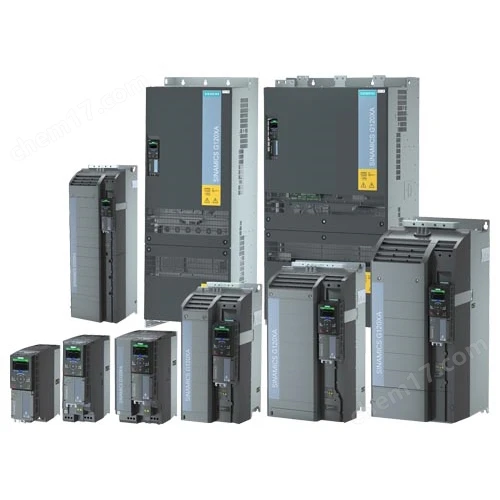
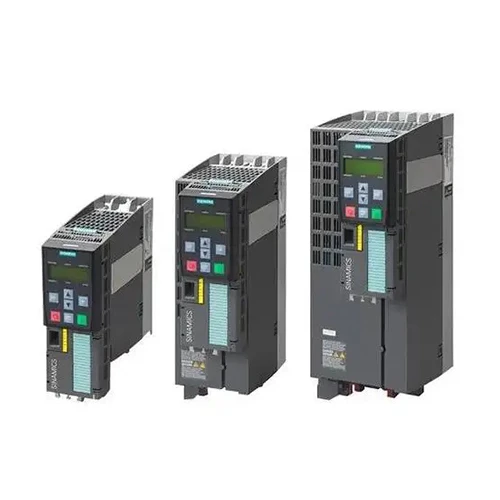
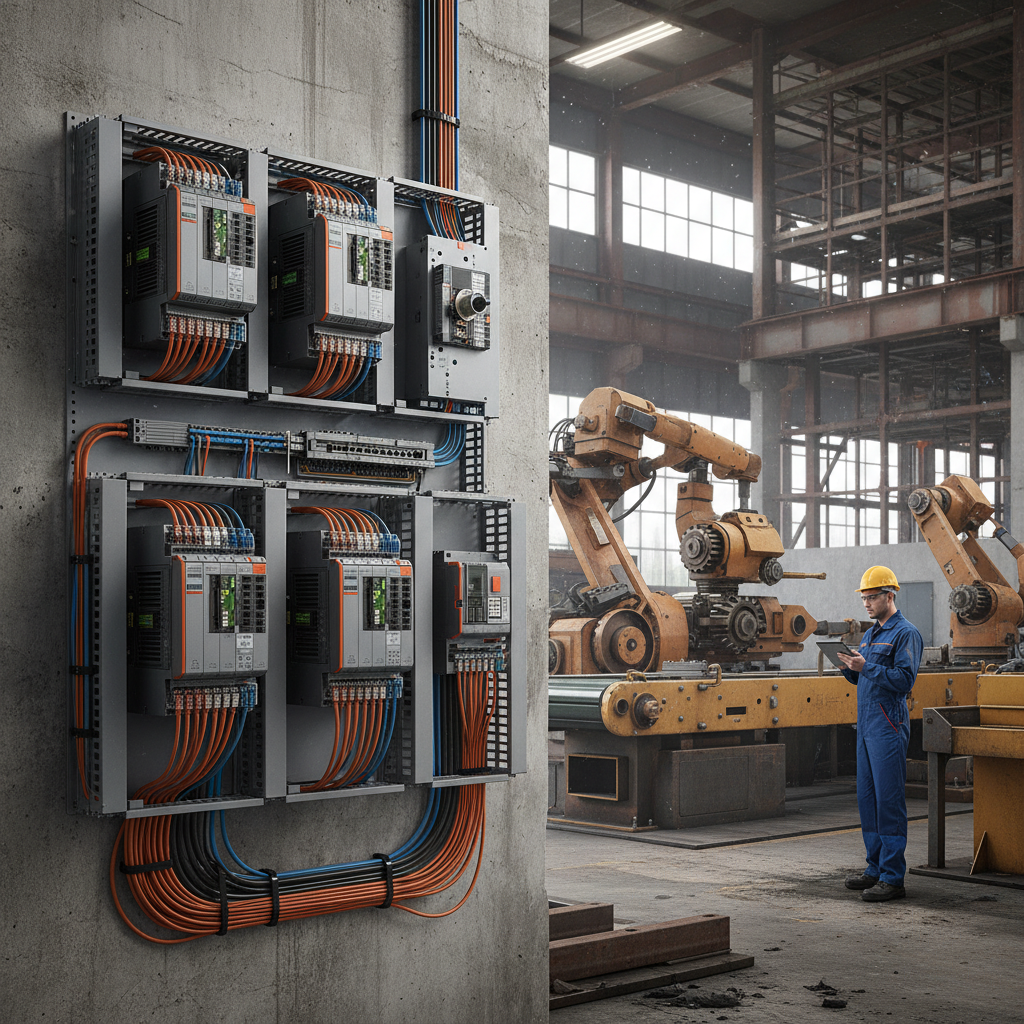
So, what exactly is vfd drive ppt? If you’re breathing electricity into equipment or managing industrial processes, chances are you’ve bumped up against it — or will soon. Variable Frequency Drives (VFDs) are essential pieces of tech that control motor speed and torque by adjusting frequency and voltage supplied to electrical devices. In simpler terms, VFDs let you finely tune the energy flow, boosting efficiency and saving energy. The “ppt” part here usually refers to PowerPoint presentations that explain or detail these VFD drives — whether for education, pitching, or internal training.
Why does understanding VFDs and having good vfd drive ppt materials really matter? Globally, industries consume most of the world’s electricity. According to the International Energy Agency (IEA), electric motors alone account for almost 50% of global electricity use. With climate change concerns rising and costs climbing, controlling that consumption isn’t just smart — it’s critical. VFDs reduce unnecessary energy waste by matching motor speed to the actual demand, rather than running constant full-speed motors. So, grasping how VFDs work and sharing that knowledge through clear, reliable presentations helps engineers, facility managers, and procurement teams worldwide make informed decisions that save money and cut carbon footprints.
The Global Context: Energy Efficiency on the World Stage
In developing regions, access to efficient power control means more resilient infrastructure. For example, industries in Southeast Asia and parts of Africa are rapidly adopting VFD technology to modernize their factories and reduce load on unstable power grids. Meanwhile, the European Union pushes stricter motor efficiency regulations, directly incentivizing VFD installations. But here’s a snag: many engineers and operators still face a knowledge gap — VFD tech can look complex, and poorly designed or explained equipment often leads to underutilization or operational headaches. This is exactly where a well-crafted vfd drive ppt becomes invaluable — turning technical jargon into actionable understanding.
Defining VFD Drive PPT: More Than Just Slides
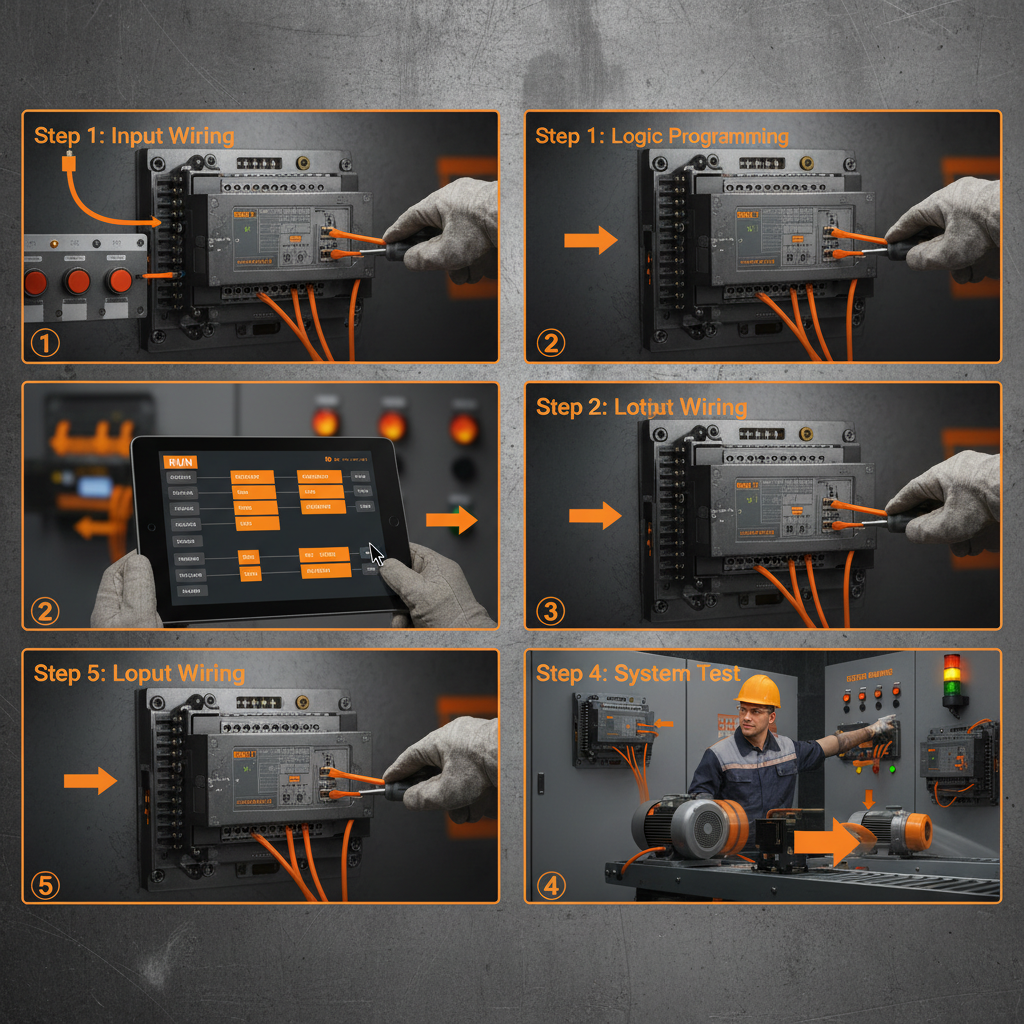
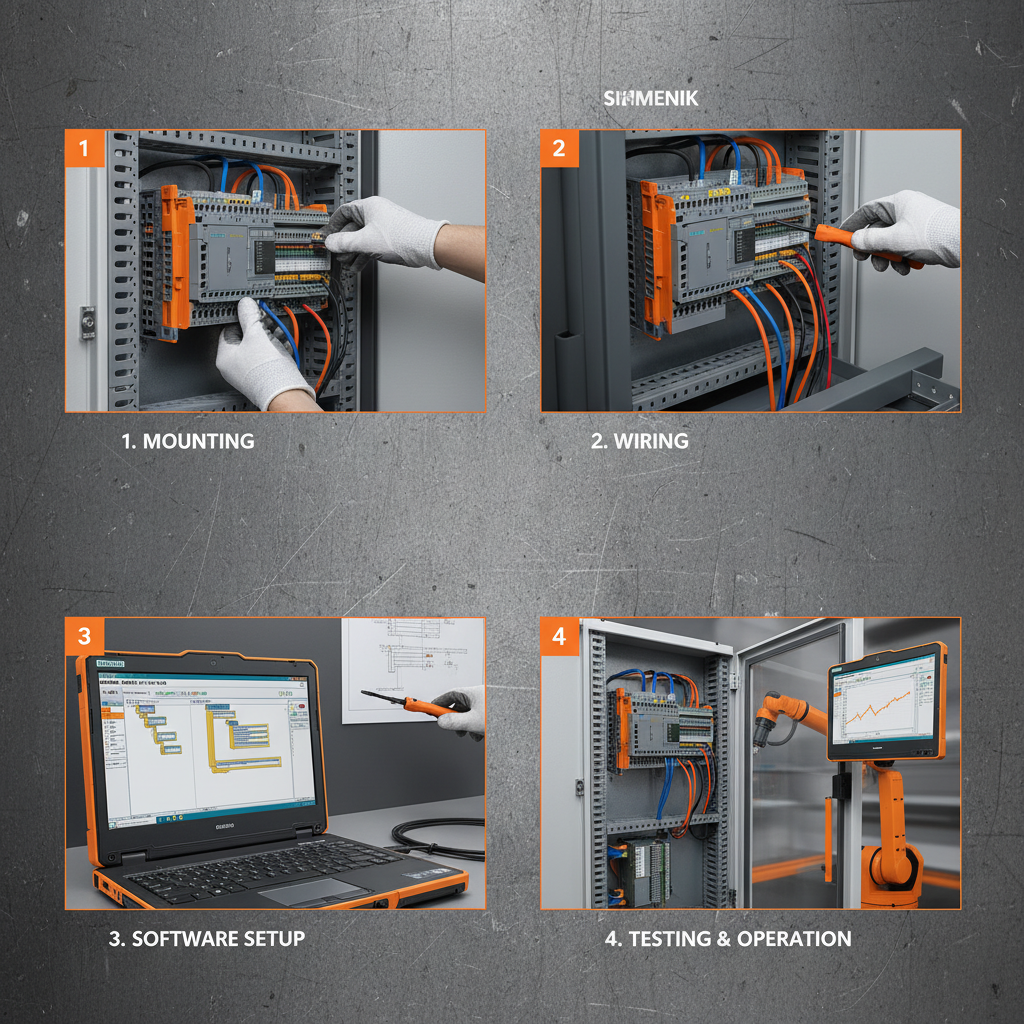
Okay, a quick definition to keep things grounded: VFD Drive PPT typically means a PowerPoint presentation that covers the essentials and intricacies of Variable Frequency Drives. But it’s not just a slide deck — ideally, it’s a well-structured educational tool that breaks down how VFDs operate, specifications, installation tips, troubleshooting, and industry applications. For trainers, sales engineers, or students, these presentations serve as the first gateway to mastering VFD technology.
Without going overboard, these presentations help connect the dots between modern electrification trends, efficiency standards, and on-the-ground practical needs — like why a mining operation in Chile or a water treatment plant in the US must consider VFDs in their upgrade projects.
Core Components of VFD and What Good Presentations Cover
- Durability & Reliability: Presentations underscore how VFDs withstand harsh conditions — think heat, vibration, or dust. For industry veterans, specs around inverter protection features and MTBF (Mean Time Between Failures) matter a lot.
- Scalability & Flexibility: Whether you’re controlling a small HVAC motor or a massive industrial pump, VFDs must scale and adapt. PPTs highlight modular designs and communication protocols like Modbus or Profibus.
- Energy Efficiency & Cost Savings: This is the bread and butter… VFD drive presentations usually include case studies showing kilowatt-hour savings, return on investment timelines, and even maintenance cost reductions.
- Ease of Integration & User Interface: How the VFD communicates with central control or SCADA systems is crucial. Plus, intuitive displays or remote controls make on-site tweaks simpler.
- Safety & Compliance: Nearly overlooked, but regulatory compliance around harmonics, grounding, and thermal cutoffs often feature in quality presentations.
Mini takeaway: When built right, a vfd drive ppt is a sophisticated narrative device — not just info dumps but bridge-builders connecting engineering realities to practical deployment.
Global Applications & Use Cases of VFD Technology
Let’s get real: where do VFDs actually make a difference? Pretty much everywhere you find electric motors running pumps, fans, compressors, conveyors, or elevators. But some industries and regions feel the impact more sharply.
- Manufacturing Plants: In heavy industries (automotive, chemical, steel), VFDs optimize production line motors, preventing energy waste during idle or variable load conditions.
- Water and Wastewater Treatment: VFDs allow precise pump speed control, maintaining flow rates without excessive energy use and protecting infrastructures from sudden pressure changes.
- Oil & Gas: In remote off-shore or desert installations, VFDs reduce wear on heavy equipment, helping extend operational life and improve safety.
- Renewable Energy Systems: Solar and wind farms use VFDs to connect generators to the grid with variable power input, stabilizing energy delivery.
Take Southeast Asia’s growing industrial parks or South America’s mining sites affected by power constraints and demanding operational environments. They increasingly rely on VFDs to maintain quality and reduce downtime.
Product Specifications Table of a Typical Industrial VFD
| Parameter | Specification | Notes |
|---|---|---|
| Input Voltage | 380V - 480V AC, 3-phase | Common industrial range |
| Output Frequency | 0 - 400 Hz | Wide speed control range |
| Horsepower Range | 1 HP to 500 HP | Modular models for various scales |
| Communication Protocols | Modbus, Profibus, Ethernet/IP | Supports SCADA & PLC integration |
| Protection Features | Overvoltage, Overcurrent, Thermal | Ensures longevity and safety |
Advantages & Long-Term Value of VFDs
The benefits? They’re pretty compelling:
- Substantial energy savings: By avoiding full-speed motor operation when unnecessary, VFDs can save up to 30-50% on electricity bills, which translates into significant cost reductions over the equipment’s life.
- Reduced mechanical wear: Softer startups and controlled speed minimize stress on motors and connected machinery, extending their lifespan.
- Enhanced process control: Automation compatibility means production lines can be more precisely tuned, improving product quality.
- Environmental impact: Less energy consumption means fewer emissions — both an ethical and regulatory win.
And emotionally speaking — there’s a profound peace of mind for plant managers and operators when they know their systems are efficient, safe, and compliant. It’s about trust in technology that quietly works behind the scenes.
Vendor Comparison: Top VFD Drive Providers
| Vendor | Key Strengths | Typical Price Range | Industries Served |
|---|---|---|---|
| Siemens | Robust global support, advanced digital integration | $3,000 - $20,000+ | Manufacturing, Energy, Water Management |
| ABB | High efficiency, customized solutions | $2,500 - $18,000 | Oil & Gas, Mining, Utilities |
| Rockwell Automation | Strong integration with industrial controls | $3,500 - $22,000 | Food & Beverage, Automotive, Chemicals |
Future Trends & Innovations in VFD Technology
The field is buzzing with innovation. Green energy integration leads the charge — think VFDs designed to better handle irregular power feeds from renewables. Add in AI-powered predictive maintenance, and you get a glimpse of a future where downtime might be practically anticipated and avoided.
Digital transformation means remote monitoring, cloud integration, and smart diagnostics are becoming standard. VFD manufacturers are pushing updates to reduce harmonic distortions, improve power factor corrections, and add features that meet stricter global standards.
Challenges & Solutions
Not everything is rosy, though. Switching to VFDs requires upfront investment, sometimes complex installation, and training — which small operators might find daunting. Compatibility issues with legacy equipment and concerns over electromagnetic interference (EMI) also pop up.
Solutions? Modular VFD architecture, more accessible user interfaces, and comprehensive training materials — including top-notch vfd drive ppt resources — make a tangible difference. Plus, advances in filtering technology reduce EMI and improve reliability.
FAQ: Frequently Asked Questions About vfd drive ppt
- Q: How does a VFD improve energy efficiency compared to traditional motor controls?
- A: By adjusting motor speed to match real-time demand — instead of running full speed constantly — VFDs drastically reduce wasted electricity. This tailored control results in significant energy and cost savings over time.
- Q: Are VFDs suitable for harsh industrial environments?
- A: Yes, modern VFDs are built for durability with protections against dust, heat, and vibration. But selection should always consider the specific operational environment and required certifications.
- Q: Can VFDs integrate with existing control systems?
- A: Definitely. Most VFDs support common communication protocols such as Modbus or Profibus, facilitating seamless integration with SCADA and PLC systems for automated control.
- Q: What should a good vfd drive ppt include for training purposes?
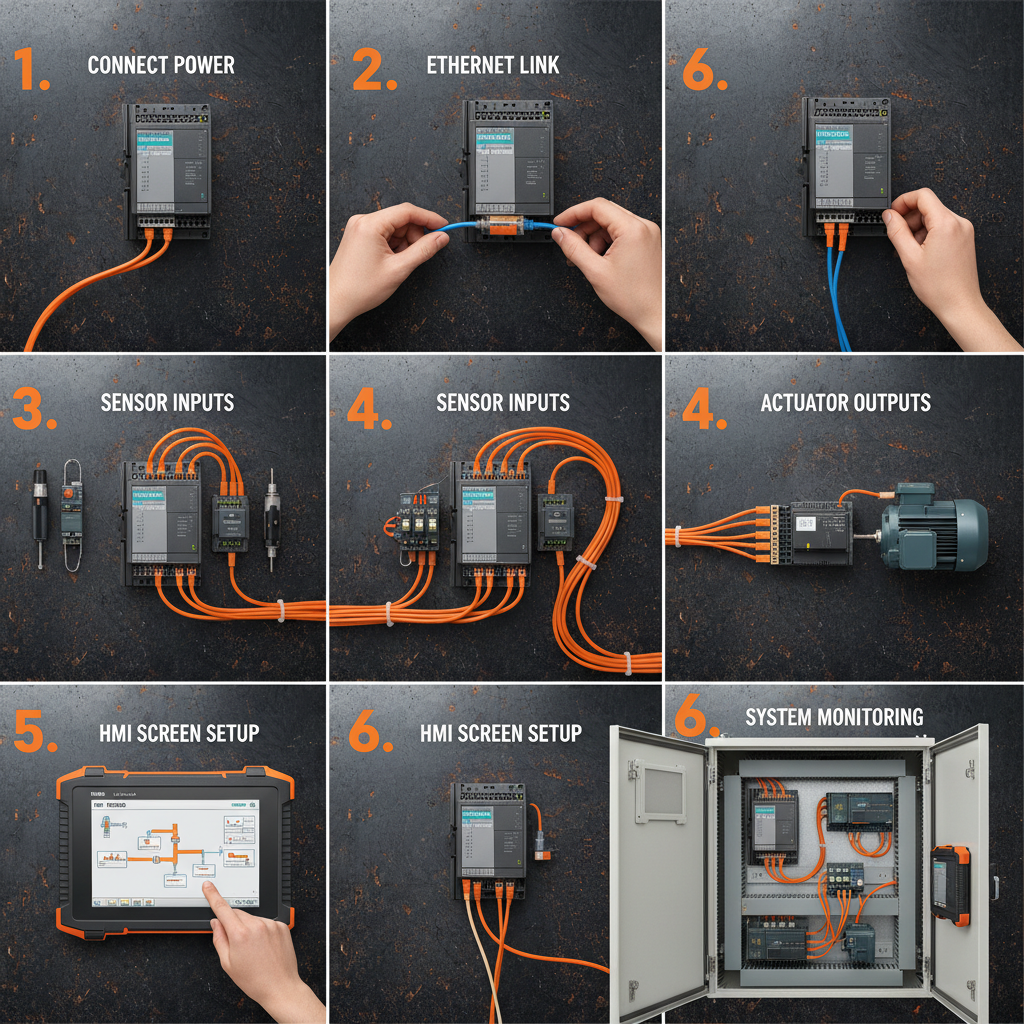
- A: It should cover basic theory, installation procedures, troubleshooting steps, and highlight real-world applications — all presented with clear visuals and examples to ease understanding.
Conclusion
At the end of the day, understanding VFDs and having access to quality vfd drive ppt materials isn’t a niche skill anymore — it’s a global imperative for industries aiming to be energy-smart and future-ready. The convergence of sustainability, cost efficiency, and evolving industrial digitalization means VFDs will only become more important. So, if you’re involved in electromechanical systems, energy management, or industrial automation, investing time in mastering this topic could pay dividends — in both dollars and carbon saved. For more insights and resources, don’t forget to visit our website.
Oddly enough, something as “small” as a VFD can be a powerhouse for change in both industry and environmental impact. Just goes to show how technical details weave into the bigger story of global sustainability.
References: