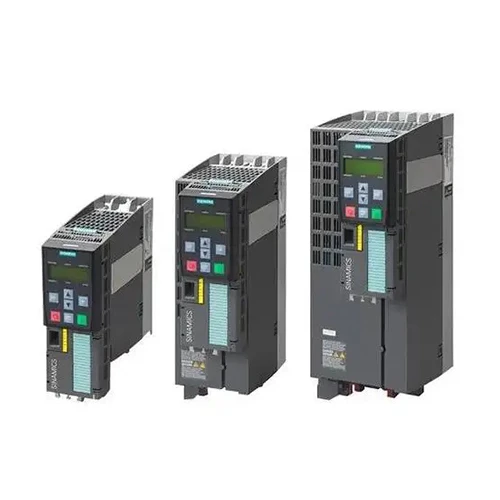
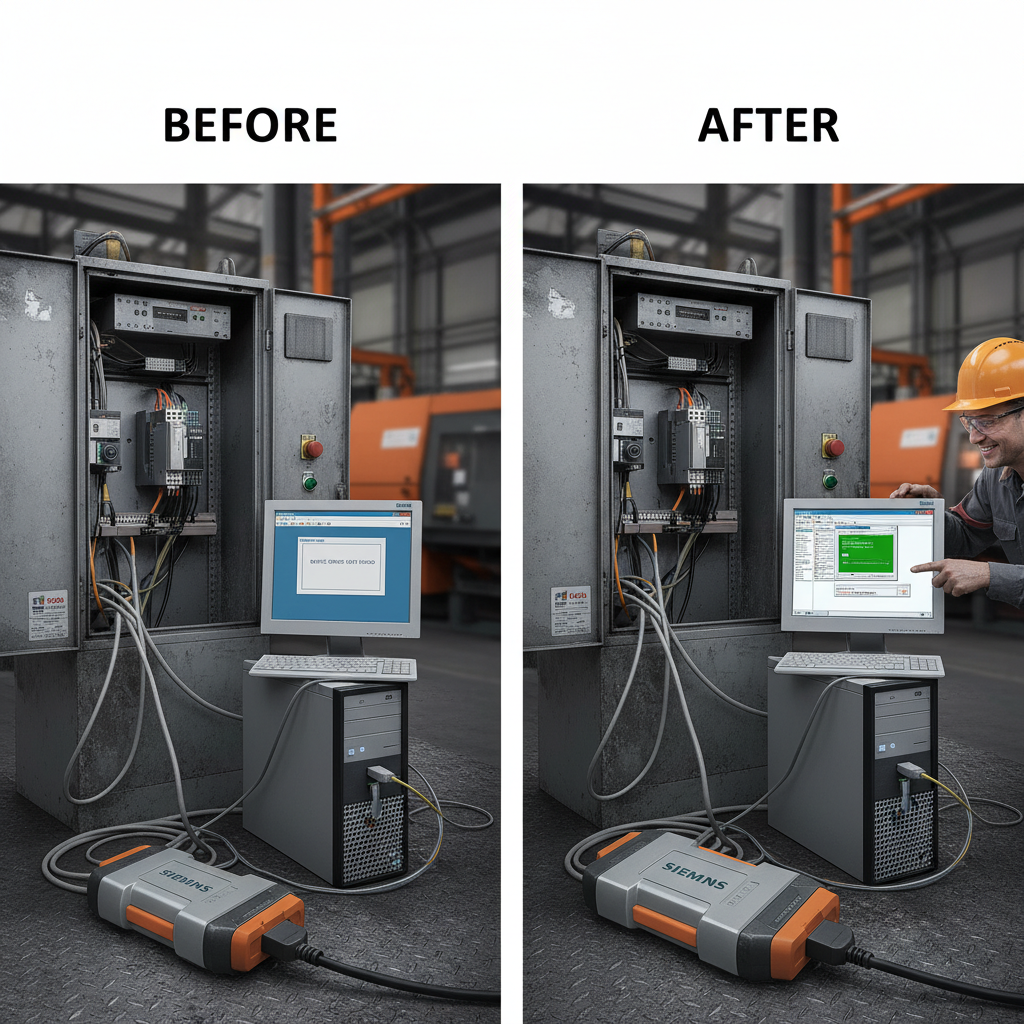
Efficient 1 hp Variable Frequency Drive Solutions for Modern Industry
The Quiet Revolution: What Is a 1 hp Variable Frequency Drive and Why It Matters
Variable Frequency Drives (VFDs), particularly the compact yet mighty 1 hp variable frequency drive, may not make headlines every day, but their role quietly shapes our energy use and machinery efficiency worldwide. At its core, this tech changes how motors consume power — and that ripple can lead to huge savings, environmental benefits, and even improved safety. Understanding these devices helps us appreciate a small piece of engineering that’s pretty vital to manufacturing floors, water treatment plants, and maybe even the local farms powering their irrigation motors. Yes, it's that practical.
Global Context: Why the 1 hp Variable Frequency Drive is More Than Just a Motor Controller
According to the International Energy Agency, electric motor-driven systems consume more than 45% of global electricity in industry. Not all motors need to run full throttle, all the time. This is where the 1 hp variable frequency drive plays a pivotal role — offering precise control over motor speed, cutting unnecessary power use.
UN climate reports emphasize energy efficiency as a simple yet impactful way to reduce carbon footprints globally. In emerging markets, where energy costs can skyrocket unpredictably and infrastructure can be fragile, deploying devices like compact VFDs supports sustainable industrialization, a key UN Sustainable Development Goal (SDG #9).
But real talk? Many facilities struggle with power surges, excessive wear and tear, and energy waste. The 1 hp variable frequency drive handles these headaches by giving operators the ability to match motor output with actual load demand — which is kind of a game-changer.
Breaking It Down: What Exactly Is a 1 hp Variable Frequency Drive?
Simply put, a 1 hp variable frequency drive is an electronic device that controls the speed and torque of an electric motor that’s rated at about 1 horsepower. Instead of running the motor at a fixed speed, the VFD varies the electrical frequency and voltage supplied to the motor, adapting its output to actual demand.
Imagine a water pump running at full speed all day even when only half the flow is needed — that’s classic waste. The VFD eliminates that inefficiency. Beyond industrial factories, these drives show up in HVAC systems, automated farming equipment, even humanitarian setups that require reliable motor control without overspending on energy.
Core Components and What Makes a Good 1 hp Variable Frequency Drive
1. Durability
Many engineers say a VFD’s longevity is tested by how it performs under stress. A good 1 hp unit handles heat, voltage fluctuations, and dust without tripping or failing. In many remote or harsher environments, durability is non-negotiable.
2. Scalability
It feels odd to talk about scalability for a 1 hp device, but modular designs and integration with larger control systems can matter — especially when small pumps or conveyors get grouped in bigger automated lines.
3. Cost Efficiency
Not just the initial purchase cost — we’re talking total cost of ownership. Energy savings, maintenance reduction, and downtime avoidance all factor in.
4. User-Friendliness
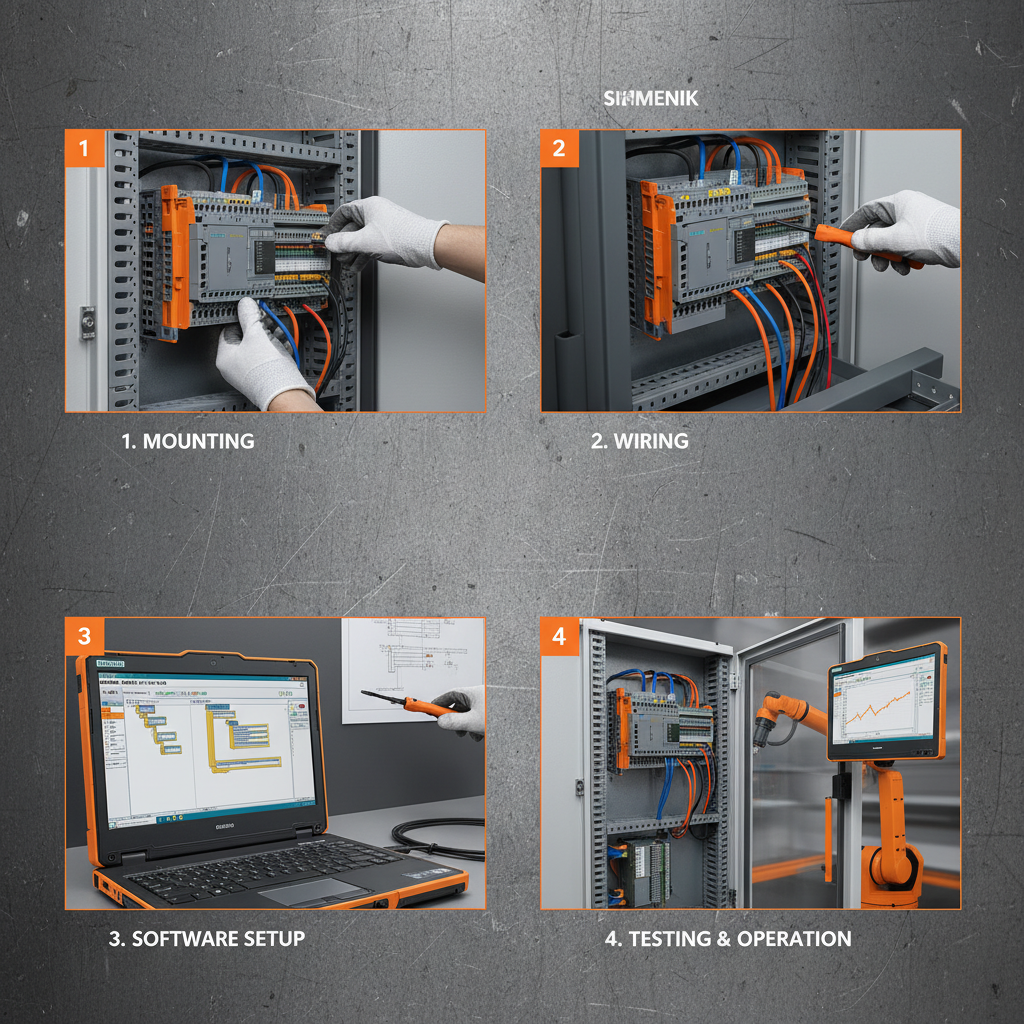
Some drives are plug-and-play, others need tech-savvy operators. Easy configuration, clear displays, and robust programming options make the difference between a headache and seamless operation.
5. Protection Features
Overcurrent, undervoltage, motor overload — a good VFD protects the motor and the system, prolonging machine life.
| Parameter | Typical Value | Notes |
|---|---|---|
| Power Rating | 1 Horsepower (HP) | Standard industrial motor size |
| Input Voltage | 200-240 VAC (single phase) or 380-480 VAC (three phase) | Common supply voltages |
| Output Frequency Range | 0.1 Hz to 400 Hz | Allows fine motor speed control |
| Control Methods | V/F control, Sensorless vector control | Flexibility in applications |
| Protection Features | Overvoltage, Undervoltage, Overcurrent, Temperature | Critical for motor and device longevity |
| Communication | Modbus, CANopen, Ethernet (optional) | Integration with PLCs and automation |
Worldwide Use Cases: Bringing Efficiency to Diverse Industries
From Southeast Asia’s rice terraces — where irrigation pumps benefit from energy savings — to North American packaging lines, 1 hp variable frequency drives have carved a niche. Oddly enough, even humanitarian organizations that deploy mobile water purification units in disaster areas prefer VFD-equipped motors for reliability and lower fuel consumption.
Industries like HVAC, food processing, and chemical plants rely on these smaller drives to smooth out production, reduce wastes, and extend machinery life. European energy standards often mandate such efficiency measures; meanwhile, developing nations see these devices as affordable tech leaps around infrastructure limits.
Comparing Leading Vendors
| Feature | Vendor A | Vendor B | Vendor C |
|---|---|---|---|
| Price Range | $150 - $200 | $180 - $220 | $140 - $210 |
| Warranty | 2 Years | 3 Years | 1 Year |
| Communication Options | Modbus, Ethernet | Modbus, CANopen | Basic Modbus |
| Ease of Setup | User-friendly LCD | Advanced programming | Simple dial settings |
| Protection Level | IP20 | IP21 | IP20 |
Why Invest in a 1 hp Variable Frequency Drive? The Value Beyond Numbers
- Cost savings: Lower energy bills and less wear on motors translate to real cash saved.
- Environmental sustainability: Less power consumption helps reduce greenhouse gas emissions, aligning with evolving regulations.
- Improved system control: Smooth startups, softer stops, and tailored speed control protect equipment.
- Increased safety: Managing motor speed reduces overload and failure risks, protecting workers.
Trends to Watch: The Next Decade of 1 hp Variable Frequency Drives
The future’s looking bright — and smarter. Integration with IoT platforms allows real-time monitoring and predictive maintenance. New semiconductor materials promise smaller, more efficient drives. Plus, push towards renewable energy means VFDs often get paired with solar or wind-powered systems.
There’s also a rising trend towards drives that self-adapt — using AI algorithms to optimize energy use further without operator input. It’s kind of like putting your motor on "smart cruise control".
Challenges and Expert Solutions in Practical Usage
VFDs aren’t without quirks. Harmonic distortion, electromagnetic interference, and initial capital costs can hold back adoption. Experts recommend proper system grounding, using filters, and choosing drives with built-in EMI suppression. Training operators and maintenance staff also pays off.
On-site testing and ongoing audits help spot issues early — a simple approach many underestimate. It’s also about mindset: seeing VFDs as strategic assets, not just electrical add-ons.
FAQ: Quick Answers About 1 hp Variable Frequency Drives
- Q: Can I use a 1 hp variable frequency drive to control a motor with a different horsepower rating?
- A: It’s generally best to match the VFD size closely to the motor’s horsepower. Using a 1 hp drive on a larger motor risks overheating. Conversely, an oversized drive might work but is less cost-efficient.
- Q: How does a variable frequency drive reduce energy consumption?
- By adjusting the motor speed to the actual load instead of running at full speed continuously, VFDs avoid wasted power, especially in applications with varying load demands.
- Q: Are 1 hp VFDs difficult to install and program?
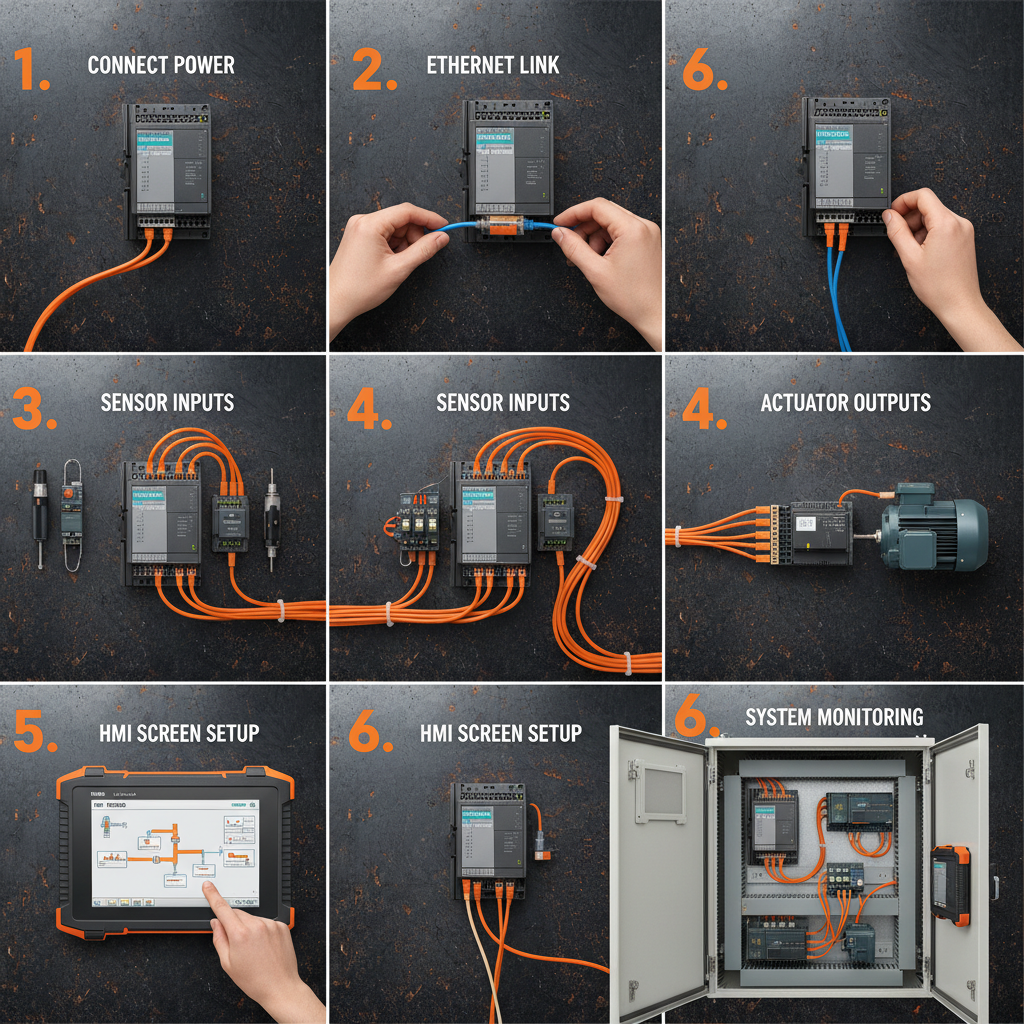
- Modern units often come with straightforward interfaces and manuals. While some knowledge is helpful, many models support simple plug-and-play setups, making installation manageable for technicians.
- Q: What maintenance is required for a 1 hp VFD?
- Regular inspections to check cooling fans, connections, and software updates usually suffice. Early problem detection through diagnostic tools also helps prolong lifespan.
- Q: Can a 1 hp VFD be used in harsh outdoor environments?
- Yes, provided it has an appropriate IP rating and is mounted within weatherproof enclosures. Some vendors offer ruggedized models suited for outdoor use.
Wrapping It Up: Why the Small 1 hp Variable Frequency Drive Packs a Powerful Punch
In the big world of energy efficiency and industrial automation, the humble 1 hp variable frequency drive is a subtle but solid star. It brings cost savings, ecological responsibility, and smarter machine control into reach for many applications. Whether you’re running a small pump on a farm or upgrading a factory line, these drives add a layer of precision and reliability that makes life easier.
Curious to learn more or ready to upgrade your motor controls? Visit https://www.tianjinyongkai.com and explore the latest in VFD technology tailored for your needs.