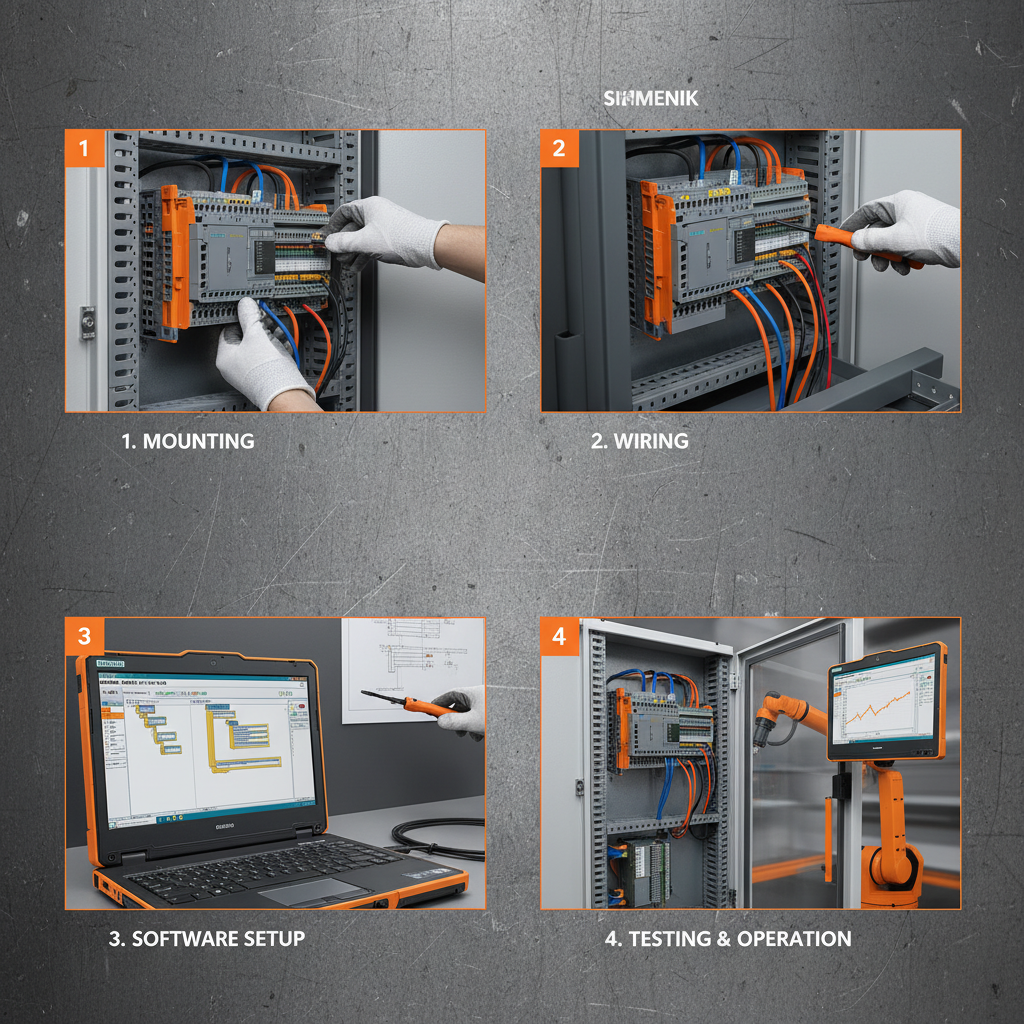
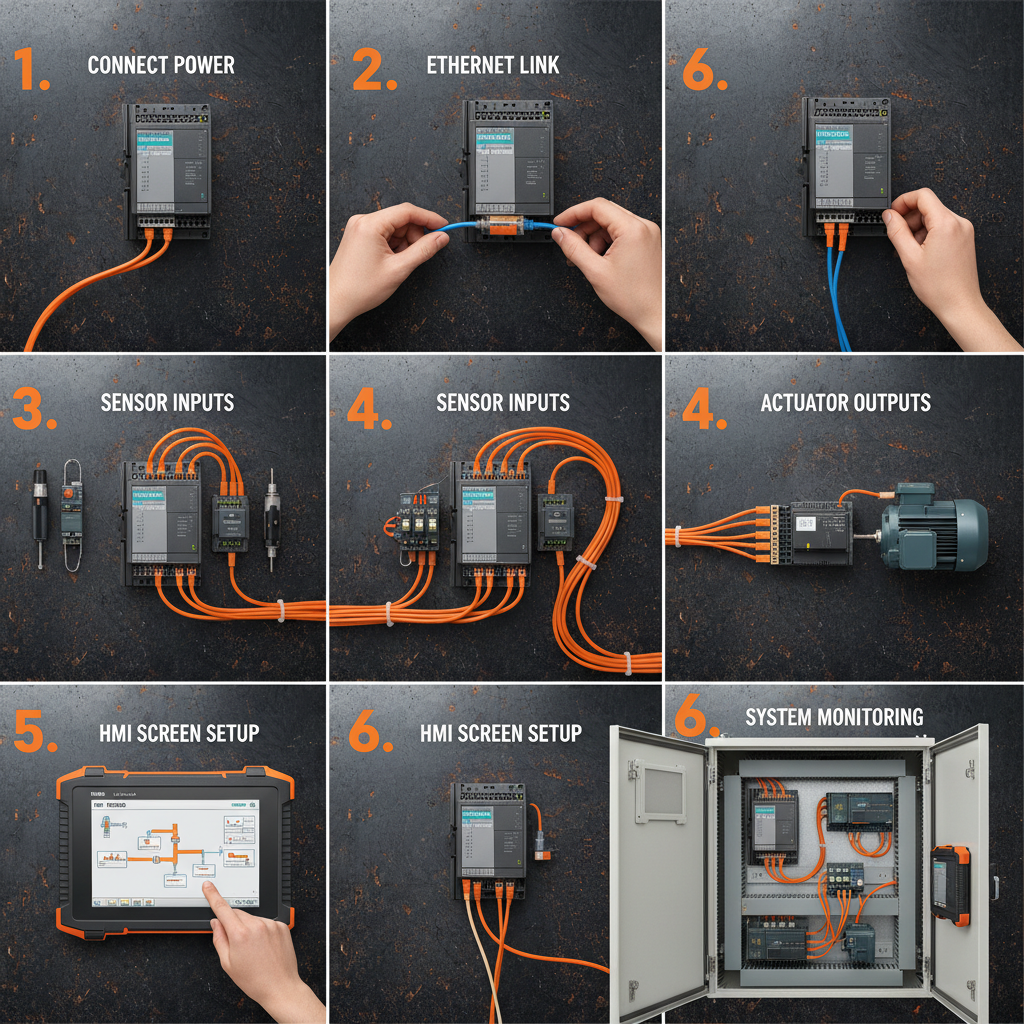
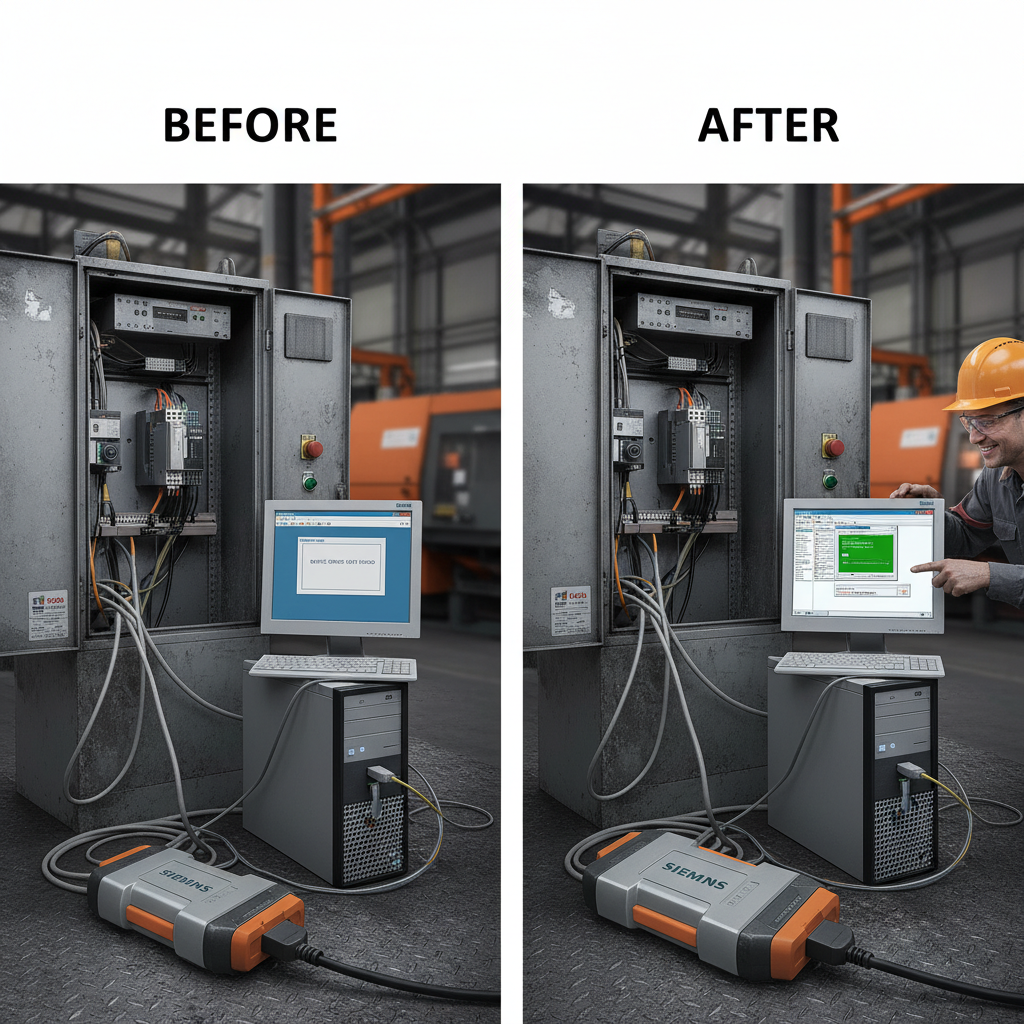
Efficient 5hp Variable Frequency Drives for Industrial and Sustainable Solutions
Understanding the 5hp Variable Frequency Drive and Why It Matters Globally
At first glance, a 5hp variable frequency drive might seem like just another electrical gadget tucked away in industrial equipment. But beneath that unassuming facade lies a piece of technology that’s quietly revolutionizing energy efficiency worldwide. As industries keep pushing for smarter, greener, and more cost-effective solutions, understanding these drives is no longer optional — it’s central to progress.
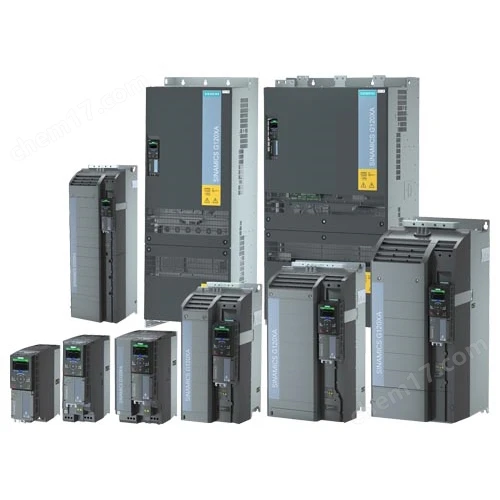
Simply put, a 5hp variable frequency drive (VFD) is an electronic controller that adjusts the speed and torque of electric motors, traditionally ones rated around 5 horsepower, to optimize performance and cut down energy waste. Globally, this matters because motors consume nearly half of the world's electricity in manufacturing and processing alone (International Energy Agency stats). Saving just a sliver here and there translates to massive savings, reduced carbon footprints, and improved operational control — all aligning perfectly with global sustainability agendas like those championed by ISO and the UN.
Mini Takeaway: Variable frequency drives help us use energy smarter, lowering costs and pollution on a scale that truly counts.
5hp Variable Frequency Drive: The Global Context
The industrial sector is a voracious energy consumer. According to recent ISO reports, electric motors contribute to about 45% of global electricity demand, making them prime candidates for efficiency enhancements. Now, 5hp motors fall under small to mid-range usage but represent a huge chunk of installed motor bases in factories, HVAC systems, and water treatment plants around the world.
The challenge? Most traditional motors operate at full speed regardless of the load, wasting energy and generating excess heat. Enter the 5hp variable frequency drive, which dynamically adjusts motor speed, throttling down power to what's needed — no more, no less. In regions grappling with energy scarcity or tight carbon regulations, such as parts of Europe and Asia, VFDs are game-changers in both environmental and economic terms.
Mini Takeaway: Adopt 5hp VFDs and you’re answering the urgent global calls for sustainability and efficiency right at the motor’s core.
What Exactly Is a 5hp Variable Frequency Drive?
So, what’s under the hood? A 5hp variable frequency drive is basically an electronic device that controls the frequency and voltage supplied to an electric motor. Adjusting frequency changes the motor’s RPM (revolutions per minute), giving you precise speed control over processes like pumping, conveying, or ventilation.
Think about it like a dimmer switch — instead of a motor blasting at full blast nonstop, a VFD lets it quietly rev up or slow down to match demand. This flexibility isn't just about saving money on the electric bill; it directly impacts machine longevity, safety, and even noise reduction in challenging environments.
In humanitarian and industrial uses alike, such drives enable clean water pumping in remote areas, faster food processing lines, and effective building climate control without wasting power or putting unnecessary strain on equipment.
Core Components and Key Factors of 5hp Variable Frequency Drives
1. Durability and Build Quality
Most 5hp VFDs are designed to withstand harsh industrial conditions — dust, humidity, temperature swings, you name it. Depending on the environment, some models come with rugged casings or conform to IP65 standards to ensure reliability.
2. Scalability and Compatibility
They’re often plug-and-play with standard 5hp motors, and many support multiple control modes — from basic V/Hz control to sensorless vector control — giving engineers flexibility for various applications.
3. Energy Efficiency
Perhaps the heart of their appeal, 5hp variable frequency drives can slash energy use by up to 30% or more in variable torque applications like fans and pumps, significantly cutting operational expenses.
4. User Interface and Controls
Modern drives come equipped with digital displays, programmable parameters, and even IoT connectivity for remote monitoring. This boosts precision control and predictive maintenance efforts.
5. Cost and Return on Investment
The upfront cost may be a hurdle for small operations, but most customers note a relatively short payback period (often less than 2 years), driven by energy savings and maintenance benefits.
Typical Specifications for a 5hp Variable Frequency Drive
| Specification | Typical Value |
|---|---|
| Input Voltage | 230V / 380-480V AC (3-phase) |
| Motor Power Rating | 5 Horsepower (HP) |
| Output Frequency | 0 – 400 Hz |
| Control Method | V/Hz, Sensorless Vector |
| Efficiency | > 97% |
| Operating Temperature | -10°C to 50°C |
Real-World Applications: Where Do 5hp VFDs Make a Difference?
From manufacturing plants in Germany to water utilities in Australia and remote mining camps in Chile, the 5hp variable frequency drive is a quiet but vital player. Here are some practical touchpoints:
- Water Treatment Plants: They adjust pump speeds to match flow rates, improving energy efficiency and reducing wear on pricey infrastructure.
- HVAC Systems: By varying fan and compressor speeds, VFDs help buildings slash their carbon footprint and utility bills.
- Agricultural Irrigation: Especially in drought-prone regions, VFDs enable precise water delivery while conserving energy.
- Disaster Relief Operations: Mobile water pumps equipped with VFDs deliver reliable service with less fuel consumption in remote zones.
Mini Takeaway: VFD technology isn’t just a factory tool — it’s integral to sustainability and operational resilience across continents.
Comparing Popular Vendors for 5hp Variable Frequency Drives
| Vendor | Price Range (USD) | Efficiency (%) | Warranty | Additional Features |
|---|---|---|---|---|
| Tianjin Yongkai | $400 - $600 | 97% | 2 years | IoT ready, multilingual UI |
| Siemens | $500 - $750 | 96.5% | 3 years | Robust diagnostics, integrated safety |
| ABB | $450 - $700 | 97% | 2 years | Energy optimization tools |
Long-Term Advantages of 5hp Variable Frequency Drives
Beyond immediate energy savings, VFDs encourage:
- Reduced Maintenance Costs: Smooth startups and less mechanical stress mean your equipment lives longer and downtime shrinks.
- Environmental Stewardship: Lower emissions and energy consumption add up. Many companies proudly report up to 20% carbon reduction from switching.
- Operational Flexibility: The ability to fine-tune motor performance translates into better process control and product quality improvement.
- Improved Safety: Controlled start/stop cycles reduce system shocks, protecting workers and machinery alike.
It feels like investing in a 5hp variable frequency drive is investing in trust — trust that your operation will be safer, smarter, and more sustainable tomorrow.
Emerging Trends & Innovations in Variable Frequency Drives
Frankly, the field is buzzing. Green energy integration is pushing VFDs to become smarter — think solar-powered pump systems with ultra-precise speed control. Digital transformation means drives now offer edge computing, seamless communication with SCADA systems, and AI-based predictive maintenance.
Additionally, there’s work underway on new wide-bandgap semiconductors (like SiC) that could make the drives smaller, cooler, and even more efficient. And with rising IoT adoption, expect drives to become integral nodes in smart factories of the near future.
Challenges and How to Overcome Them
That said, there are hurdles. Initial costs can discourage smaller firms, and installing or programming VFDs might demand expert knowledge. Electrical noise and harmonics can cause grid problems if not managed. Fortunately, modern designs often embed harmonic filters, and manufacturers provide user-friendly software or training to ease adoption.
Also, making the case to finance teams requires showing ROI in hard numbers — a challenge that's getting easier as cloud-based energy monitoring tools become commonplace.
FAQ: Frequently Asked Questions About 5hp Variable Frequency Drives
- Q: How much energy can I realistically save by installing a 5hp VFD?
- A: Typical savings range from 20% to 40% depending on application. Variable torque loads like pumps and fans see the greatest benefit, as VFDs reduce excess motor speed rather than running full tilt nonstop.
- Q: Can I retrofit a 5hp variable frequency drive to any existing motor?
- Most standard 5hp motors are compatible, but older or specialty motors may require assessment. It’s best to consult with vendors or engineers to verify motor insulation, overload capacity, and voltage compatibility.
- Q: Do variable frequency drives require a lot of maintenance?
- Actually, VFDs typically reduce maintenance by softening motor start/stop stresses. Routine checks include cleaning vents, verifying parameter settings, and monitoring for fault codes. Many units now offer remote diagnostics.
- Q: Are these drives suitable in harsh environments like outdoor mining sites?
- Yes, many drives are designed to withstand dust, moisture, and temperature swings. Look for IP rated enclosures and built-in protections against voltage fluctuations common in such sites.
Conclusion: Why Invest in a 5hp Variable Frequency Drive Today?
The bottom line? These drives pack a powerful punch when it comes to boosting energy efficiency, reducing operating costs, and contributing to a greener footprint no matter where you plug them in. From industrial plants to humanitarian projects, the value is tangible and long-lasting.
If you want to explore a reliable partner for your 5hp variable frequency drive needs, visit our website to check out advanced models crafted for real-world challenges. Truly, smarter motor control is just around the corner.
Mini Takeaway: 5hp variable frequency drives are where energy efficiency, cost savings, and industrial innovation intersect — a smart choice for now and the future.
References: