Efficient AC Frequency Drives for Industrial Motor Control | TianjinYongkai
Understanding AC Frequency Drives: Energy Efficiency’s Quiet Powerhouse
In today’s industrial landscape — whether it’s a manufacturing plant in Germany, a water treatment facility in California, or a mining operation tucked away in Australia — ac frequency drives quietly play a pivotal role. For many, the term might sound a bit technical or niche, but in reality, this technology is reshaping how we control electric motors globally, helping save vast amounts of energy and reduce operational costs.
Globally, according to the International Energy Agency (IEA), variable speed drives, which include our friend the ac frequency drive, contribute to roughly 40% of industrial energy savings potentials. That’s huge when you consider the industrial sector consumes about 40% of the world’s electricity (source: IEA 2022).
From reducing carbon footprints to optimizing production processes, understanding and integrating ac frequency drives into industry infrastructure is more relevant than ever — especially in our push for sustainable manufacturing and smarter factories.
What Exactly Is an AC Frequency Drive?
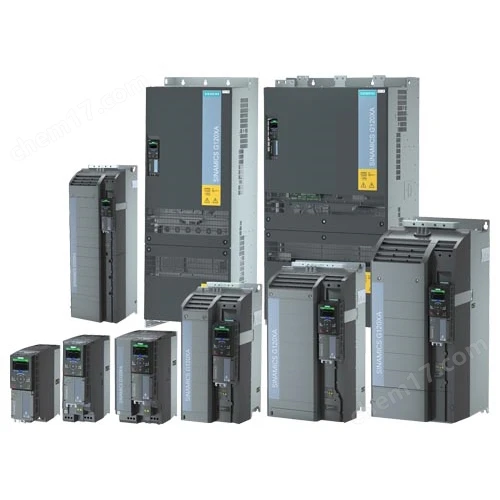
Put simply, an AC frequency drive — sometimes called a variable frequency drive (VFD) — is a device that controls the speed and torque of an alternating current (AC) electric motor by varying the frequency and voltage supplied to the motor. Rather than running a motor constantly at full speed regardless of load, this device allows it to match motor speed to the actual need, providing finely tuned efficiency.
Think of it like cruise control in your car but for electric motors. Instead of engine revving unnecessarily high, the drive adapts to the performance requirement — saving you fuel, or in this case, energy. This control is vital not just for industrial machines but also for infrastructure supporting humanitarian needs, like water pumping systems in disaster relief scenarios, where reliable, energy-efficient operation can save lives.
Mini Takeaway:
AC frequency drives are foundational for modern motor control, cutting waste, costs, and improving system performance worldwide.
Core Components of AC Frequency Drives
1. Power Rectifier
This converts AC input to a DC voltage. Engineers often design it with robustness in mind since it handles voltage fluctuations and ensures smooth conversion.
2. DC Bus
Think of this as a reservoir that stores the DC power before it’s fed to the motor driver. It stabilizes voltage and filters noise, important for consistent motor operation.
3. Inverter
The heart of the drive, it converts DC back into AC with adjustable frequency and voltage. This component's design directly affects energy efficiency and motor performance.
4. Controller
Handles the complex computations, feedback loops, and communication with other systems. Smart controllers allow real-time tuning and integration with digital factory controls.
5. Cooling System
A simple but overlooked feature is cooling — drives generate heat that must be dissipated to maintain longevity and reliability.
Mini Takeaway:
Each component is like a gear in a clock — perfectly timed and essential for the smooth, efficient operation of an ac frequency drive.
Global Applications & Use Cases for AC Frequency Drives
Industries from food processing to mining and building automation utilize frequency drives extensively. For example:
- Water & Wastewater: Regions like Europe and Asia employ drives in pumping stations — conserving energy while maintaining steady water supply.
- Manufacturing Plants: In North America, factories use them to control conveyors, fans, and compressors, optimizing throughput with less energy waste.
- Renewable Energy: Wind turbine pitch control systems rely on variable frequency drives to adjust blade angles, increasing energy capture efficiency.
- Disaster Relief: NGOs installing mobile power units post-disaster use smaller, efficient drives to power essential equipment reliably without huge energy consumption.
A quick story: a mining company in Chile cut energy use by 25% in a year by retrofitting their older motors with modern AC frequency drives. It was a win both for costs and the environment — the kind of measurable impact many companies strive for.
Mini Takeaway:
These devices are everywhere — from your local water pump station to massive industrial setups in remote locations.
Advantages and Long-Term Value of Using AC Frequency Drives
The benefits go beyond just electrical efficiency:
- Energy Savings: By adjusting speed to demand, these drives reduce wasted power drastically.
- Lower Mechanical Stress: Soft-start capability reduces wear & tear on machines, prolonging lifespan.
- Reduced Emissions: Less energy usage = lower CO2 emissions, supporting global climate goals.
- Operational Flexibility: Processes adapt faster; drives integrate easily with smart factory setups.
- Improved Safety & Comfort: Quieter operation, better process control, and stability.
On a human note, I find that users often appreciate how this technology contributes to workplace safety and environmental stewardship — qualities that resonate beyond spreadsheets and engineering specs.
AC Frequency Drive Product Specification Table
| Specification | Typical Range / Value | Remarks |
|---|---|---|
| Input Voltage | 200-600 V AC | Single & three-phase support |
| Output Frequency | 0 to 400 Hz | Adjustable for speed control |
| Power Rating | 0.5 kW to 500 kW+ | Depending on motor size |
| Control Interface | Analog, Digital, and Fieldbus | Supports smart networking |
| Efficiency | > 95% | Varies with load and design |
| Protection Class | IP20 to IP55 | For various environments |
Vendor Comparison: Top AC Frequency Drive Manufacturers
| Vendor | Product Range | Key Features | Typical Industries | Region Strength |
|---|---|---|---|---|
| Siemens | 0.5 kW - 3,700 kW | Robust, scalable, IoT ready | Manufacturing, Water, HVAC | Global |
| ABB | 0.75 kW - 8,400 kW | Energy-efficient, modular | Oil & Gas, Mining, Utilities | Europe, Americas |
| Yaskawa | 0.1 kW - 1,000 kW | Compact, high performance | Robotics, HVAC, Conveyors | Asia, North America |
| Schneider Electric | 0.5 kW - 2,000 kW | Smart integration, eco-friendly | Building Automation, Industry | Global |
Emerging Trends and the Road Ahead for AC Frequency Drives
The future? Well, the drive to “go green” is pushing manufacturers to embed smarter AI-based controls and tighter integration with Industry 4.0 concepts. Variable frequency drives are expected to become more compact yet more powerful, incorporating silicon carbide (SiC) semiconductors that reduce energy losses and heat output.
On the policy front, standards are tightening. The ISO 50001 energy management standard is encouraging companies to adopt drives to boost efficiency — and governments worldwide are incentivizing these upgrades. It’s a bit like everyone suddenly realizing the best way to save power is to stop running motors at full speed unnecessarily.
Challenges in Implementing AC Frequency Drives and How to Overcome Them
Not every plant or operation jumps on the bandwagon immediately. Some hurdles include:
- Initial Cost: Drives can be pricier up front, which deters smaller outfits.
- Technical Complexity: Integration and tuning require skilled personnel.
- EMI/RFI Issues: Drives may emit electrical noise if not properly shielded.
Yet, experts say these challenges are surmountable. Leasing models reduce upfront risks, specialized training programs upskill maintenance teams, and modern designs come with built-in EMI filters. It’s a learning curve, more than a wall.
Frequently Asked Questions about AC Frequency Drives
Q1: How does an ac frequency drive save energy compared to traditional motor starters?
A1: Traditional starters turn motors on/off at full speed regardless of the actual load, often wasting energy during low-demand periods. An ac frequency drive precisely adjusts motor speed to match real-time needs, significantly reducing electricity use and wear on the equipment.
Q2: Can an ac frequency drive be retrofitted to existing motor setups?
A2: Yes, most standard motors can be upgraded with a frequency drive. However, it’s important to verify motor compatibility and the drive's power rating to ensure optimal performance.
Q3: Are these drives safe to use in harsh industrial environments?
A3: Absolutely. Many ac frequency drives come with robust enclosures (IP55 or higher) to resist dust, moisture, and temperature extremes, making them suitable for heavy industry applications.
Q4: Do I need special maintenance for ac frequency drives?
A4: Generally, they require less mechanical maintenance than traditional starters, but routine checks on cooling fans, connections, and software updates are advisable to keep them running smoothly.
Q5: How do ac frequency drives support sustainability goals?
A5: By reducing energy consumption and lowering emissions, these drives help industries align with environmental regulations and corporate responsibility targets — all while improving operational longevity.
Conclusion: Making Every Watt Count
In a world where energy efficiency is no longer optional but essential, the ac frequency drive emerges as a quiet champion in industrial automation and beyond. It blends electrical engineering savvy with pragmatic energy savings, helping businesses cut costs, reduce emissions, and enhance reliability.
If you're keen to see how modern ac frequency drives can transform your operations, or just want to geek out on motor control tech, feel free to explore deeper at our AC frequency drive resource page. You might just find the right match for your next project or upgrade.
So, next time you hear about frequency drives, remember — behind every quiet motor hum is a world of smart control and energy wisdom at work.