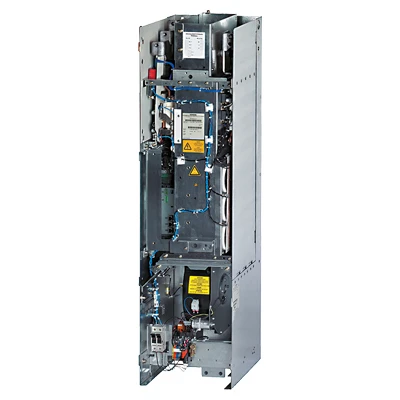
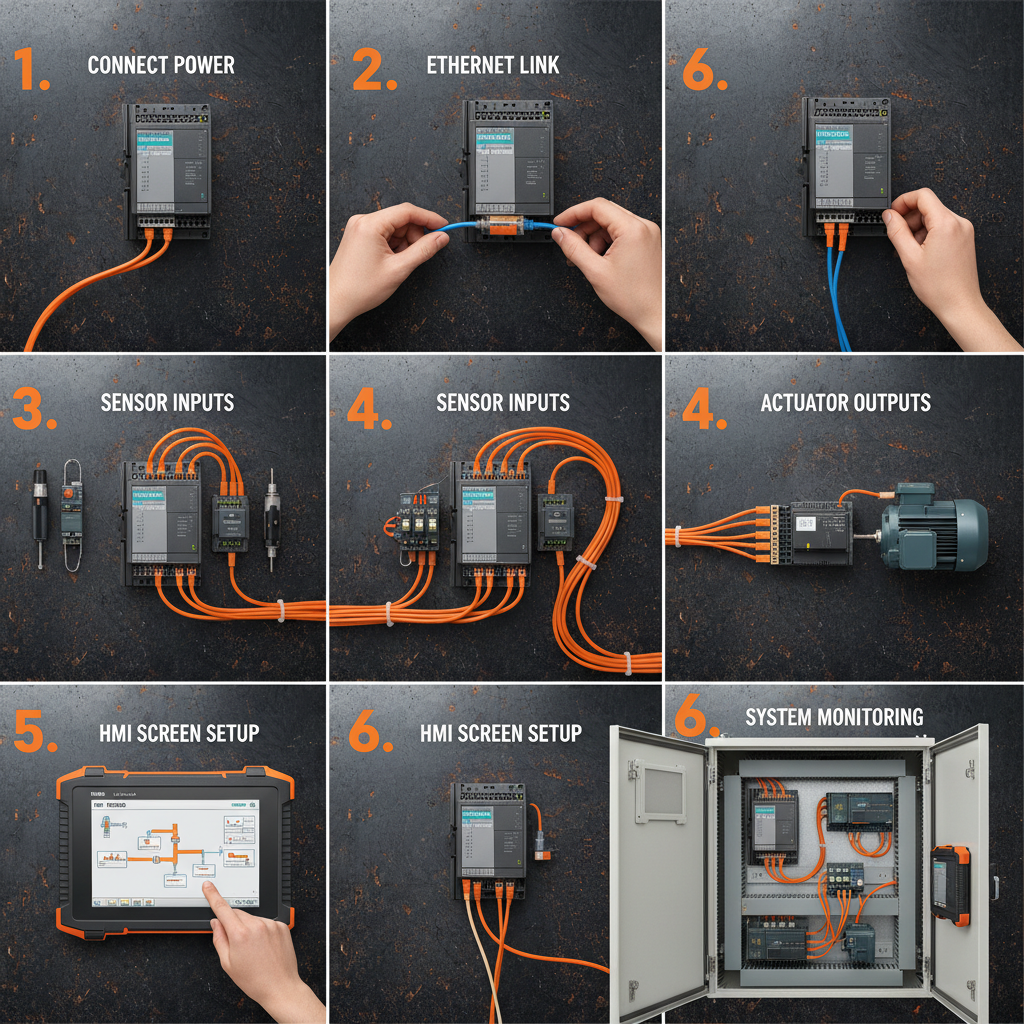
Efficient VFD for 3 Phase 3HP Motor – Global Energy Savings & Control Solutions
Understanding VFD for 3 Phase 3HP Motor: Why It Matters Worldwide
If you’ve ever worked around industrial equipment or large-scale mechanical setups, the term VFD for 3 phase 3hp motor probably rings a bell. But why should it matter beyond the shop floor? Well, globally, variable frequency drives (VFDs) are quietly powering energy efficiency, reliability, and advanced motor control. These devices aren’t just about spinning motors faster or slower; they represent a meaningful leap towards reducing industrial energy waste, lowering carbon footprints, and improving system longevity everywhere from sprawling factories in Europe to remote water pumping stations in Africa.
Put simply, understanding VFDs isn’t a niche topic anymore—it’s central to building smarter, cleaner, and more responsive industrial infrastructure worldwide.
Global Context: The Growing Need for Smarter Motor Control
According to the International Energy Agency (IEA), electric motors consume nearly half of the world's electricity in the industrial sector. Among these, vfd for 3 phase 3hp motor units are common workhorses in small to medium operations. But here is the kicker: many systems run their motors at full speed regardless of actual demand, wasting energy and generating unnecessary heat.
Globally, with rising energy costs and tightening emissions regulations (think ISO 50001 energy management standards), industries face pressure to optimize operations. The challenge? Legacy motor controllers or outdated systems simply can't deliver the level of control or energy savings modern enterprises target.
Enter VFDs, which can modulate motor speed and torque precisely, slashing energy consumption and minimizing mechanical stresses. It’s a vital fix as manufacturing and utilities sectors continue expanding, especially in developing regions where infrastructure gaps loom large.
So, What Exactly Is a VFD for a 3 Phase 3HP Motor?
At its core, a Variable Frequency Drive (VFD) is an electronic device that controls the speed and torque of an AC motor by varying the frequency and voltage supplied to the motor. The “3 phase” part means it’s designed for a three-phase electric supply, which is the norm for industrial motors over small single-phase units. And “3HP” points to the motor’s power rating—three horsepower, which roughly equates to 2.24 kilowatts.
Picturing this simply: without a VFD, a motor runs at a fixed speed no matter what. With a VFD, you can slow down or speed up the motor on-demand, which is hugely advantageous for applications like conveyor belts, pumps, or HVAC systems where load changes are frequent.
Beyond industrial functions, VFDs have humanitarian significance too. For example, in remote water pumping projects or off-grid solar microgrids, VFDs help conserve precious energy and extend equipment life, directly impacting quality of life.
Key Factors to Consider When Using a VFD for 3 Phase 3HP Motors
1. Durability and Build Quality
3HP motors often work in environments that demand ruggedness—dusty factories, outdoor installations, or even seawater-exposed plants. The VFD must withstand electrical noise, heat, and physical stress. Look for models with strong casing, good heat dissipation, and conforming to industrial standards (IP ratings, for example).
2. Scalability and Flexibility
Modern facilities don’t always run at steady capacity. The VFD’s ability to adapt to varying loads and integrate with PLCs or automation systems is vital. This allows businesses to scale operations without costly motor replacements.
3. Energy Efficiency and Cost Savings
VFDs reduce electricity consumption by matching motor speed to demand. Over time, this translates into direct savings in utility bills and lower cooling costs due to less heat generation.
4. Ease of Installation and Maintenance
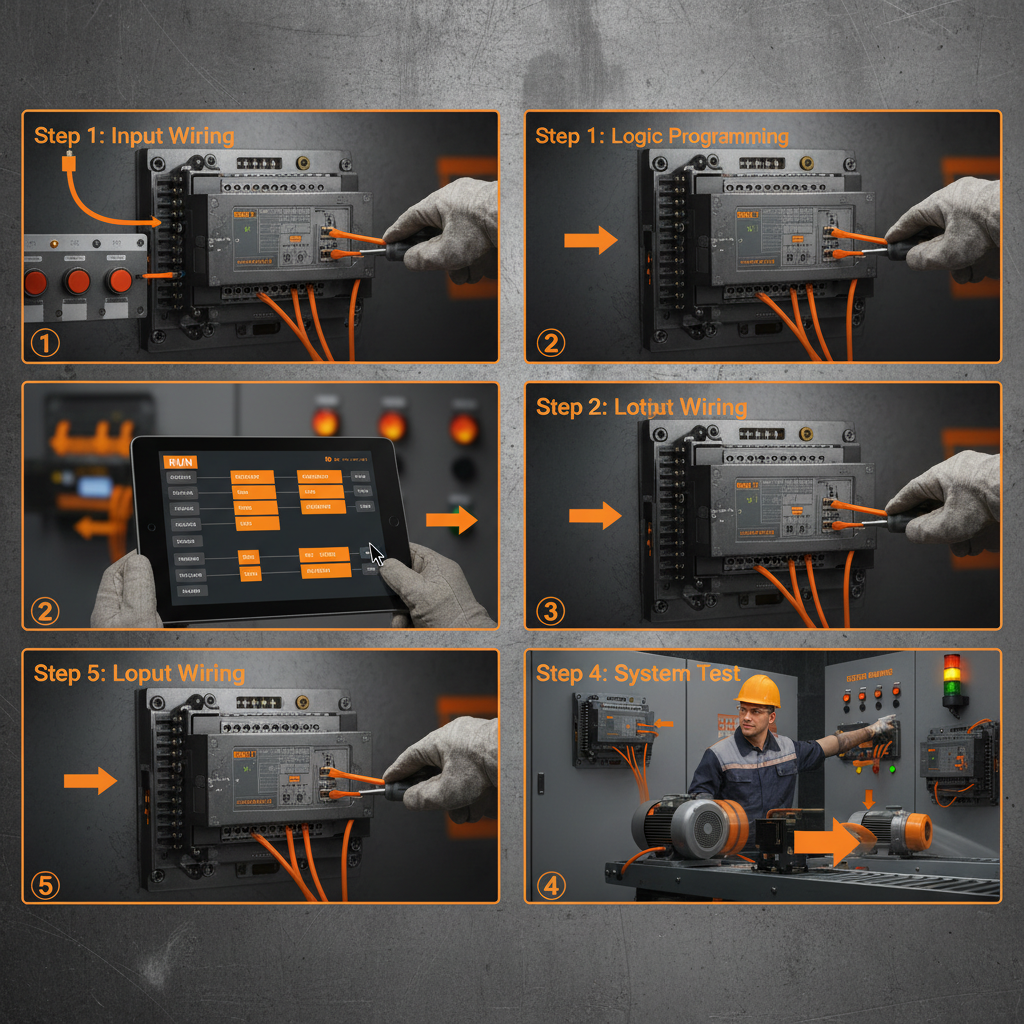
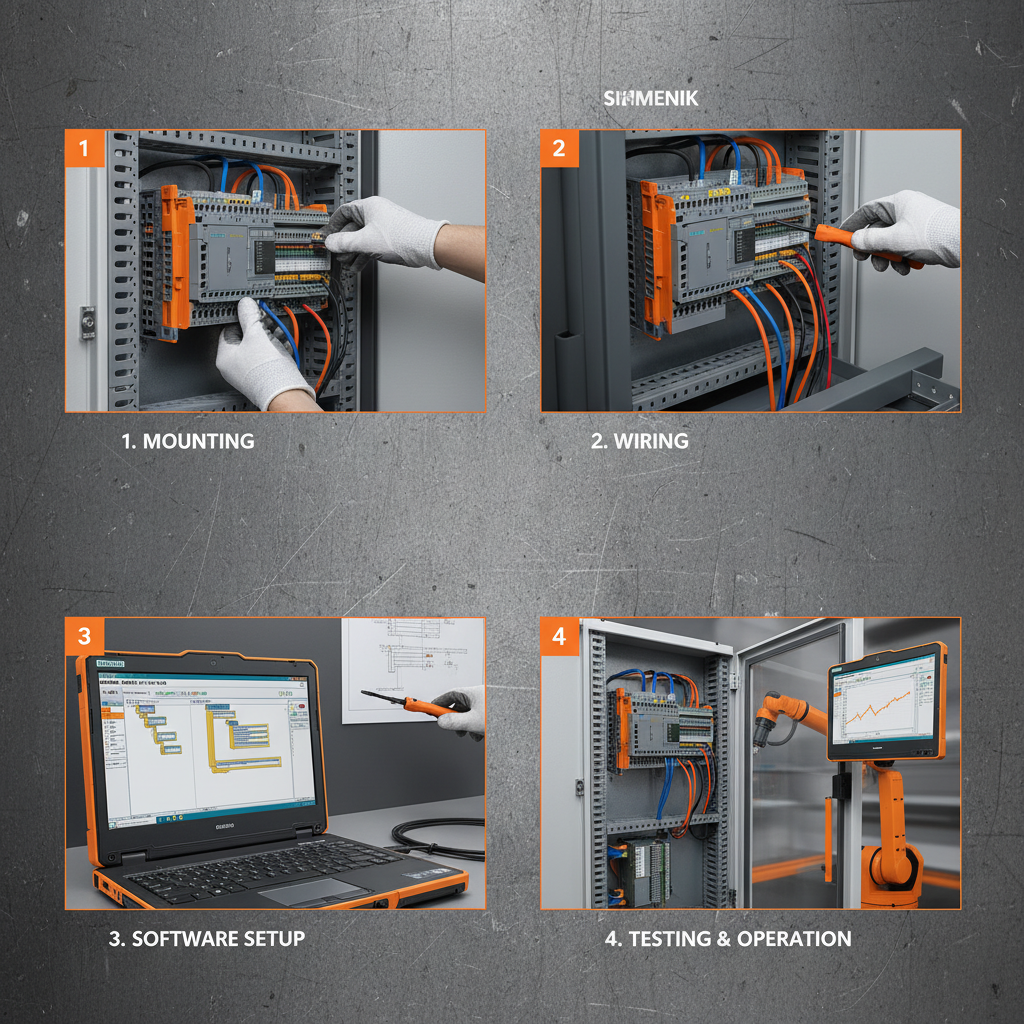
Choosing a drive with clear installation guides, diagnostic features, and simple user interfaces ensures minimal downtime and quick troubleshooting—a big deal when time is money.
5. Protection Features
Many drives offer built-in safeguards like overload protection, under-voltage, and short circuit prevention. This ensures the motor and VFD aren’t damaged under abnormal conditions.
Product Specification Table: Typical VFD for 3 Phase 3HP Motor
| Specification | Typical Value | Remarks |
|---|---|---|
| Input Voltage | 380-480 V AC | 3-phase supply |
| Output Frequency | 0 - 400 Hz | Variable for motor speed control |
| Power Rating | 3 HP / 2.24 kW | Matches motor rating |
| Control Method | V/F Control, Sensorless Vector | Flexibility for different loads |
| Protection | Overload, Short Circuit, Overvoltage | Essential for reliability |
| Communication Protocols | Modbus, Ethernet/IP | For integration into control systems |
Global Applications & Real-World Use Cases
Oddly enough, these seemingly simple drives have found homes across wildly different sectors and geography. For instance:
- Water Treatment Plants (South Asia): Many rural areas rely on 3HP motors to pump clean water. Installing VFDs has cut energy use by nearly 30%, allowing communities to afford longer supply hours.
- Food Processing Industry (Europe): Variable load conveyors and mixers use VFDs to maintain product quality while cutting operational costs.
- Mining Operations (South America): The harsh mine environment demands robust motor control; VFDs improve safety and reduce equipment wear.
- Disaster Relief Efforts: Mobile power units equipped with 3HP motors and VFDs enable flexible deployment of machinery like water pumps or air handlers after natural disasters.
Advantages & Long-Term Value of VFDs
In real terms, VFDs often repay their upfront cost within months through energy savings. Plus, the motors last longer since soft starting avoids mechanical shocks. There's also a subtle human factor here: fewer equipment failures mean safer working environments and less downtime stress for operators.
Environmentally, the reduction in energy use lowers carbon emissions, a crucial contribution given that the industrial sector is a major emitter worldwide (UNIDO reports estimate around 30%). These devices make innovation tangible—not just in tech labs, but in dusty factories and bustling plants.
Future Trends in VFD Technology
The future? We’re seeing VFDs becoming smarter through IoT integration, enabling remote diagnostics and predictive maintenance. Green energy influences are also strong as VFDs pair with solar or wind to optimize variable renewable inputs.
New materials and cooling techniques will allow drives to be more compact and efficient. Plus, legislation in many countries encourages or even mandates energy-efficient motor drives, pushing adoption further.
Common Challenges and Solutions
Sure, no tech is perfect. VFDs can generate electrical noise that interferes with other equipment. Not every facility has the expertise for correct installation or programming, leading to underperformance. Also, initial costs might deter smaller operations.
But many manufacturers now provide user-friendly setup wizards and technical support, and modular designs help with scalability. Plus, training programs, sometimes available through local utility companies or industry groups, have proven effective in bridging knowledge gaps.
Vendor Comparison Table: VFD Options for 3 Phase 3HP Motors
| Vendor | Model | Features | Price Range | Availability |
|---|---|---|---|---|
| Delta Electronics | VFD007EL21A | Compact, Sensorless vector control, Modbus | $$$ | Worldwide |
| Schneider Electric | Altivar ATV320 | Built-in PID, robust protection, Ethernet | $$$$ | Global |
| Yaskawa | FC051 | User-friendly, energy saving, flash programmable | $$$ | Asia, Americas, Europe |
Frequently Asked Questions About VFD for 3 Phase 3HP Motor
Q1: Can I use a VFD designed for a 3HP motor on a 5HP motor?
It’s generally not recommended. Using a VFD rated below the motor’s power can cause overheating and premature failure. Always match or exceed the motor’s HP rating to ensure safe operation.
Q2: How much energy can I realistically save by adding a VFD?
The savings vary based on the application’s load profile. Systems with variable loads can save anywhere from 20% to 50% on their motor-related electricity costs by controlling speed rather than running full throttle continuously.
Q3: Are VFDs compatible with all three-phase motors?
Most standard squirrel cage induction motors are compatible. However, some specialty motors might have restrictions, so check your motor specifications before installing a VFD.
Q4: Is installation of a VFD complicated?
Installation can be straightforward if you follow manufacturer guidelines. For complex or critical systems, professional help is recommended to ensure correct wiring, grounding, and configuration.
Q5: Will adding a VFD make my system quieter?
Yes, VFDs often reduce mechanical noise by smoothing acceleration and deceleration. This can improve workplace comfort and reduce wear on components.
Conclusion: Why Investing in a VFD for 3 Phase 3HP Motor Is a Smart Move
Looking at the bigger picture, a VFD for a 3 phase 3hp motor is more than just an electronic gadget—it’s a cornerstone for modernizing motor control, boosting efficiency, and embracing sustainability. They offer cost savings, extend motor life, and play a crucial role in future-proofing industrial and humanitarian systems alike.
If you want to explore tailored VFD solutions or learn more about how these drives can optimize your specific applications, visit our website. Jump in, experience innovation firsthand — the future spins on a VFD’s frequency!