What Does A Vfd Look Like? Detailed Guide for B2B Decision Makers
What Does A Vfd Look Like is a key solution in the industry, specifically within industrial automation and motor control sectors. This article explores how https://www.tianjinyongkai.com supports professionals with durable, high-performance products, and explains why this product is an ideal choice for businesses in these sectors.
Table of Contents
- What Does A Vfd Look Like Overview
- Benefits & Use Cases of What Does A Vfd Look Like
- Cost, Maintenance & User Experience
- Sustainability & Market Trends
What Does A Vfd Look Like Overview
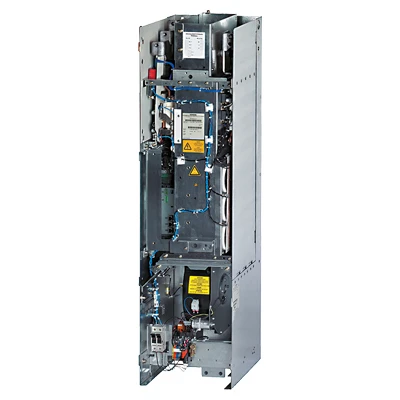
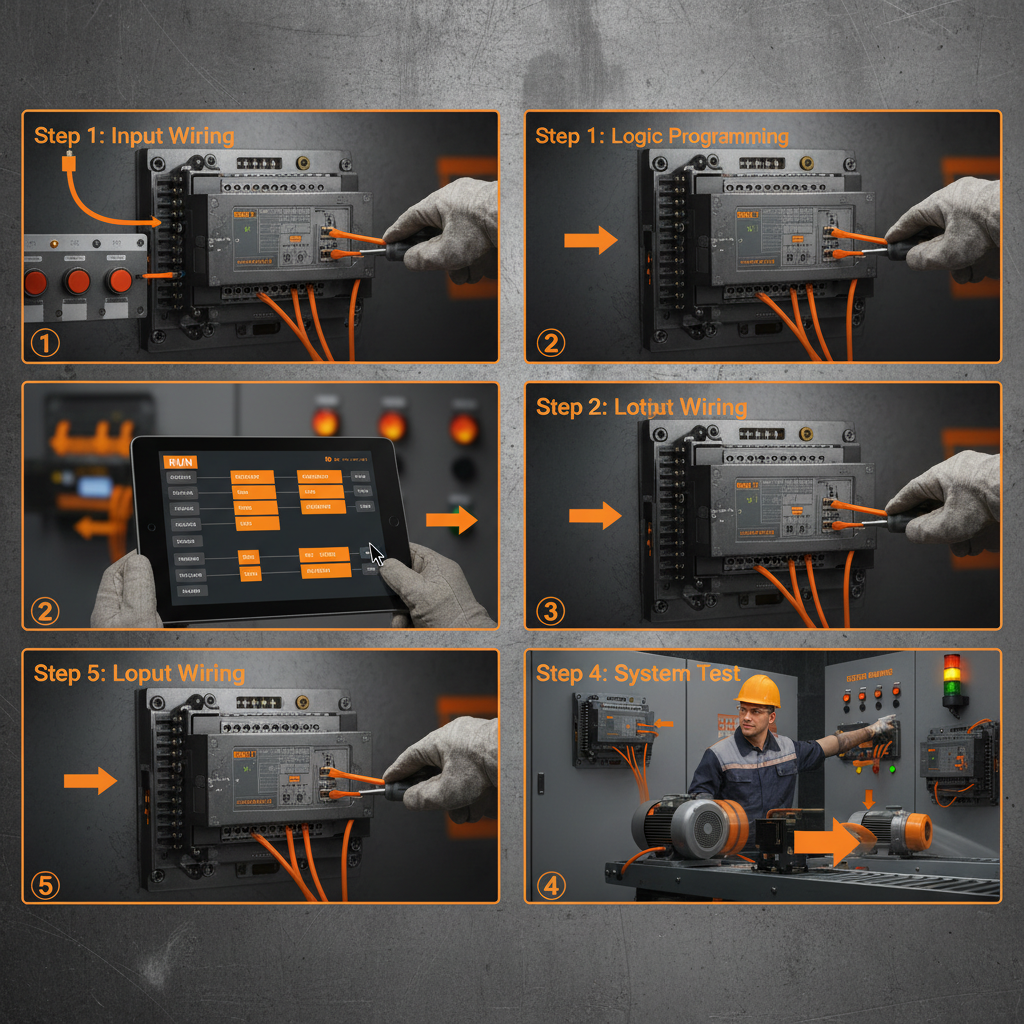
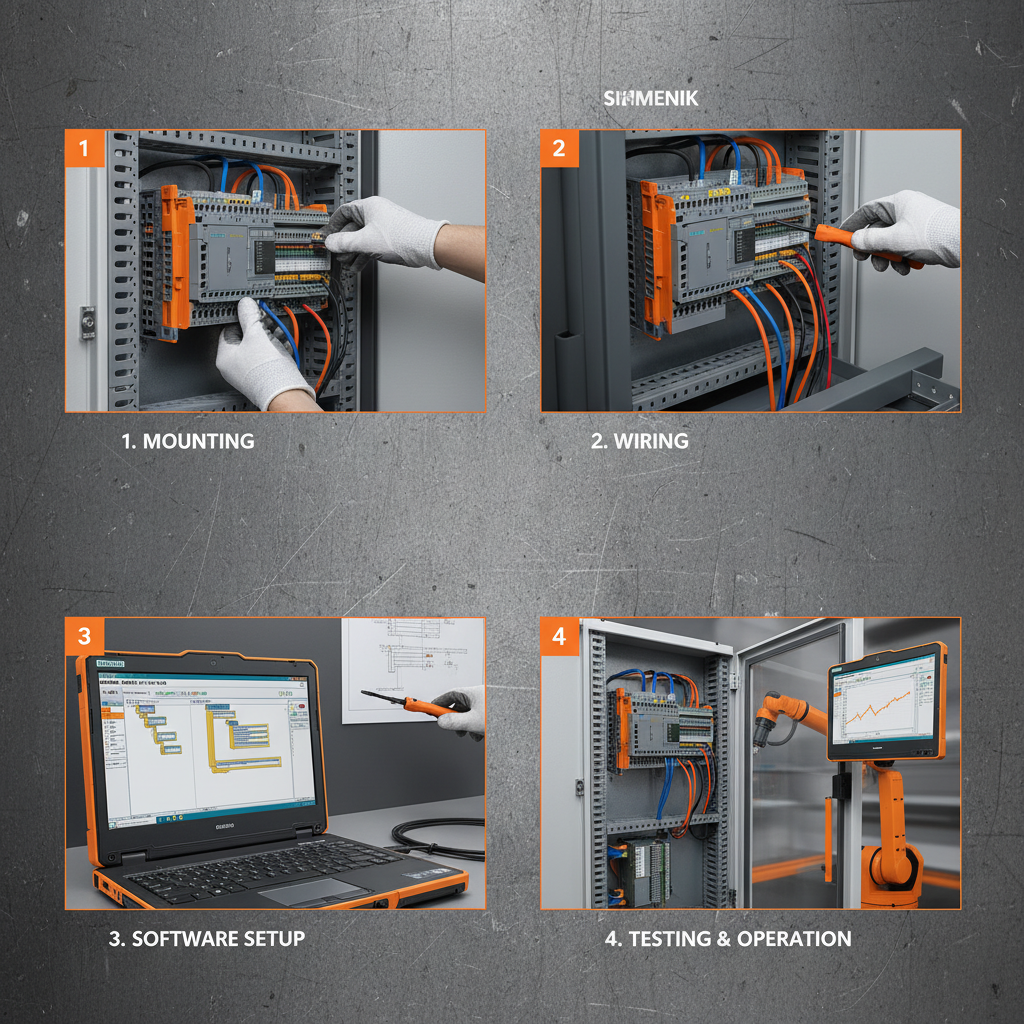
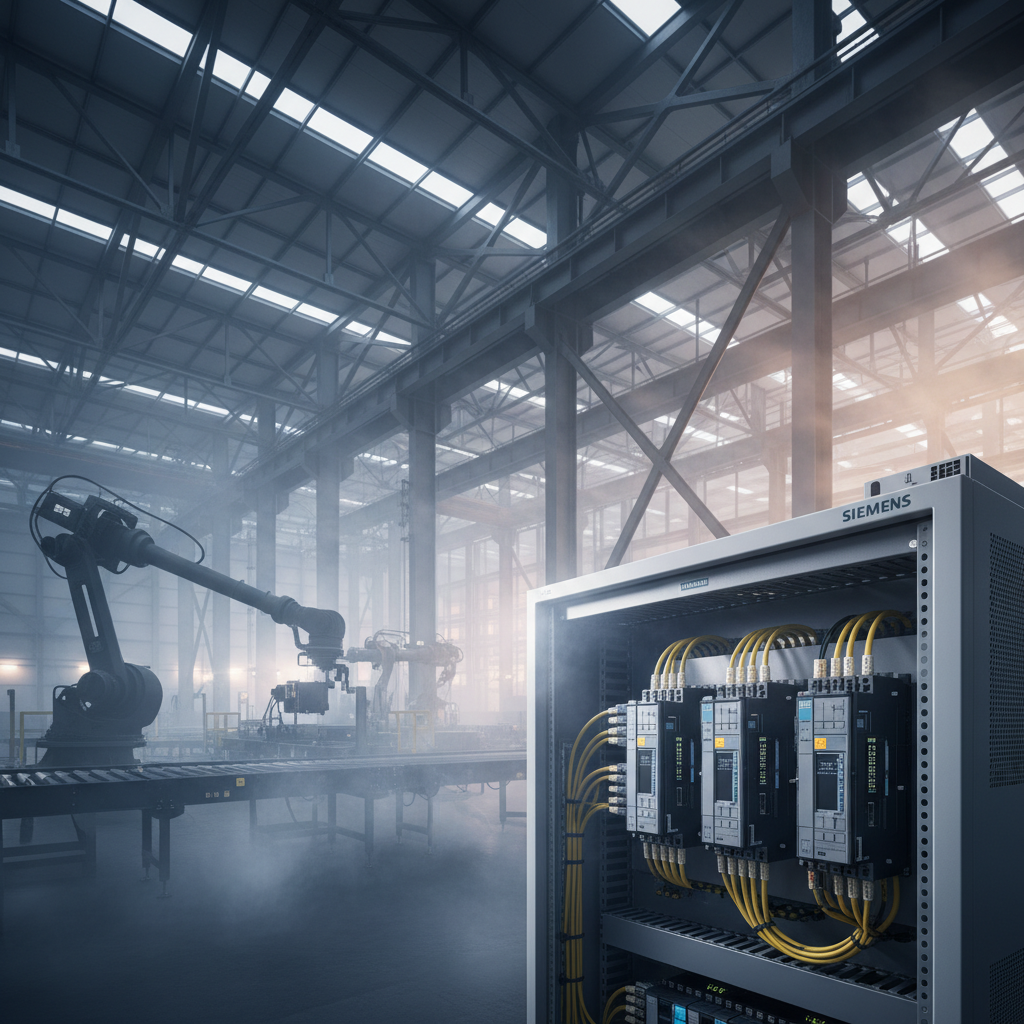
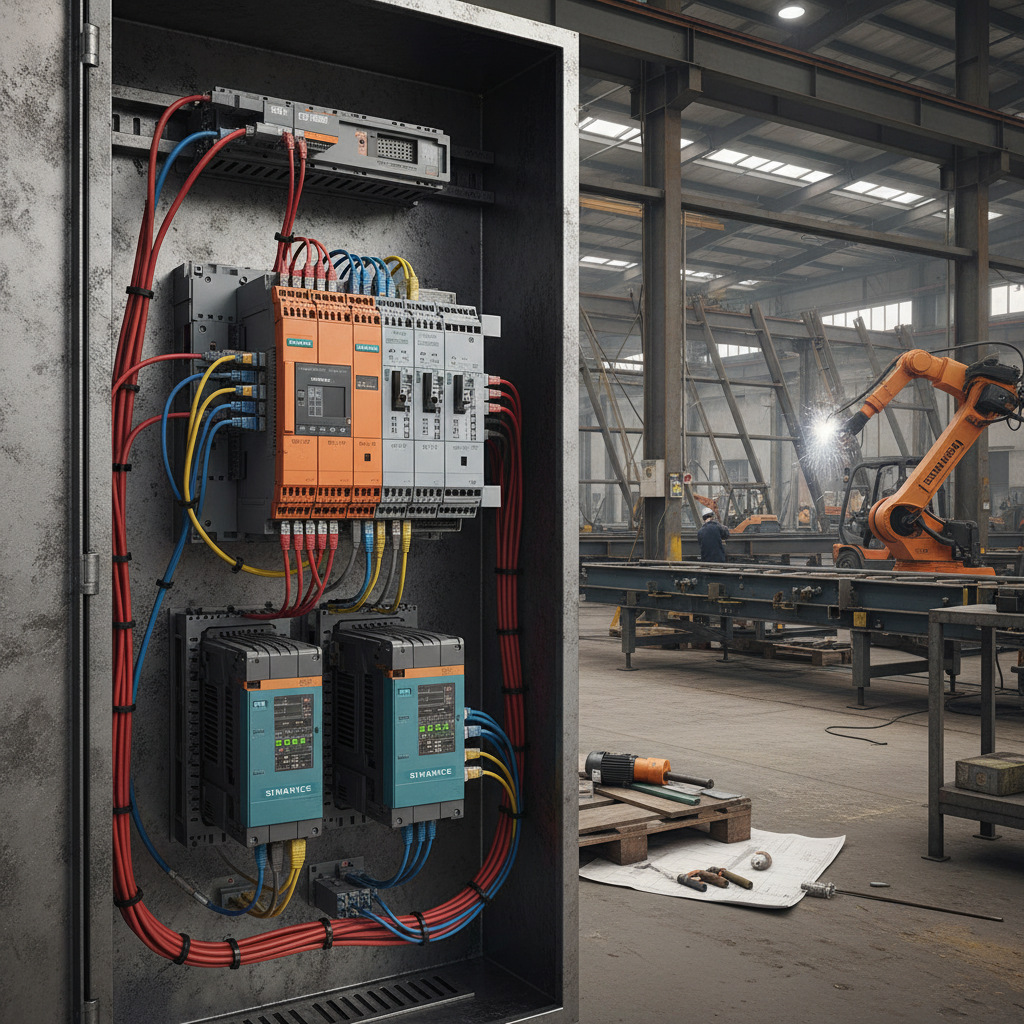
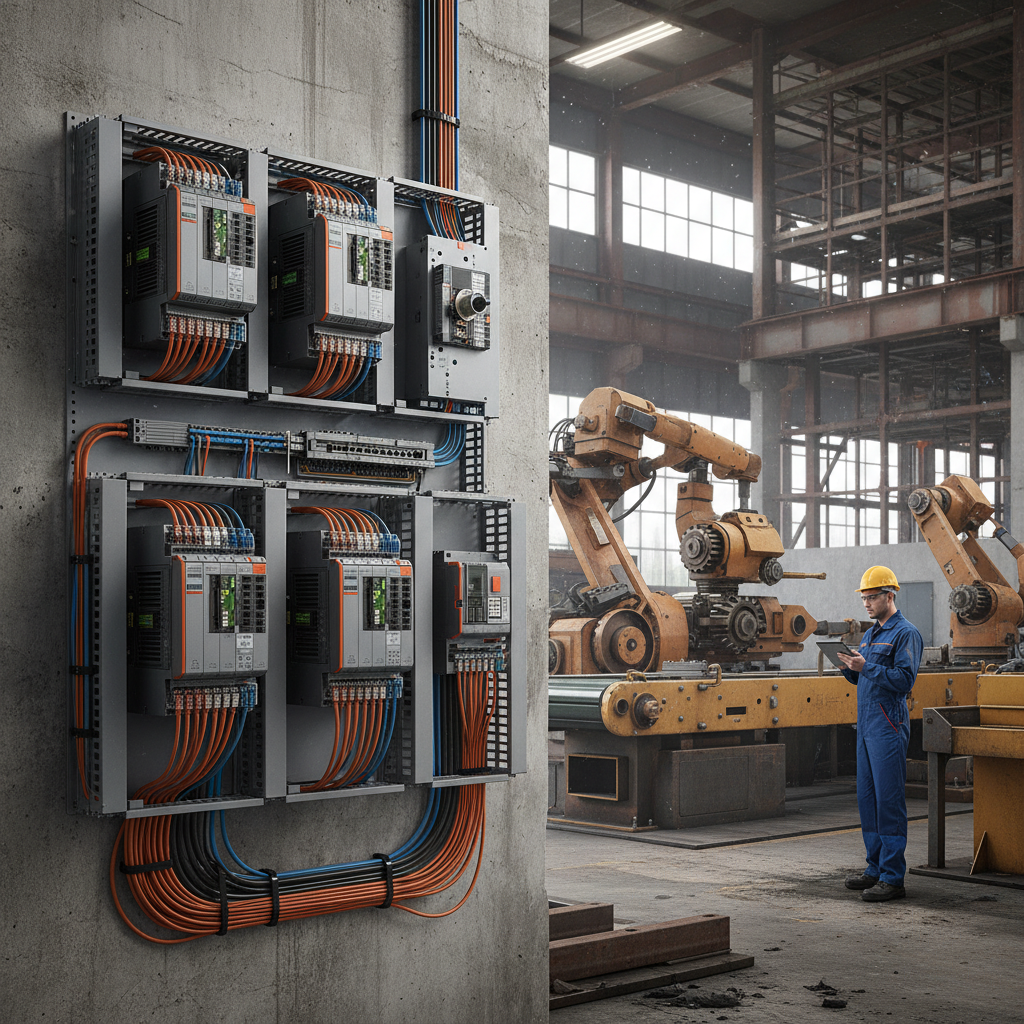
When you ask yourself, “what does a VFD look like?” you're really peeking into the heart of modern motor control technology. A Variable Frequency Drive (VFD) essentially looks like a compact electrical panel or box, often rectangular with a digital display, buttons, and connection ports. The casing is usually robust, designed to protect sensitive electronics from dust, heat, and vibration — not unlike a small industrial computer cabinet.
Technically speaking, a VFD converts fixed-frequency AC power to variable frequency and voltage, controlling motor speed and torque. Inside, you’ll find components like rectifiers, capacitors, an inverter with insulated-gate bipolar transistors (IGBTs), and a control board. For instance, at Tianjin Yongkai, their VFD models reflect a blend of durable materials and efficient circuit design, optimized for demanding environments like manufacturing plants or water treatment facilities.
| Specification | Typical Value | Notes |
|---|---|---|
| Input Voltage | 380-480 VAC | Three-phase, standard for industry |
| Power Range | 0.75 kW to 315 kW | Covers from small pumps to large motors |
| Control Method | V/F, Vector Control | For precise motor speed management |
| Display | LED/LCD with keypad | User-friendly interface |
Benefits & Use Cases of What Does A Vfd Look Like
So, what’s the real deal with these devices beyond the looks? Frankly, VFDs are the unsung heroes in sectors like manufacturing, HVAC, water treatment, and mining. They precisely adjust motor speeds, which means energy isn’t wasted pushing a motor to run at full blast when it’s not needed. That’s efficiency in real terms.
Many engineers I talked to appreciate the ability to reduce mechanical wear and tear, thanks to soft starting features that limit current surges. Plus, these drives integrate easily with existing control systems and offer customizable parameters — handy for specialized industrial processes that demand tight speed control or torque regulation.
| Use Case | Key Benefits |
|---|---|
| HVAC Systems | Energy savings, quieter operation, extended motor life |
| Industrial Pumps | Precise flow control, reduced water hammer, and efficiency |
| Conveyor Systems | Smooth starts/stops, speed variation, less maintenance |
Cost, Maintenance & User Experience
I suppose many decision makers initially hesitate because of upfront costs. Yes, VFDs are an investment, but total cost of ownership typically favors them, mostly due to significant energy savings and reduced mechanical stress leading to lower maintenance over time. A case at a water treatment plant showed energy costs cut by nearly 25% after installing Yongkai VFDs.
Customer feedback often highlights the user interface as pleasantly straightforward, even for technicians who aren’t VFD specialists. Plus, the durable build of these products ensures reliability, especially in harsh environments — which, you know, can make or break industrial downtime. All in all, ROI timelines tend to be quite favorable, sometimes within a year depending on application.
| Vendor | Price Range | Warranty | Support |
|---|---|---|---|
| Tianjin Yongkai | Competitive / Mid-range | 2 Years | 24/7 Technical Support |
| Major Global Brands | Higher / Premium | 3 Years | Full Service & Training |
| Local Generic Units | Lower / Budget | 1 Year or Less | Limited Support |
Sustainability & Market Trends
Sustainability, oddly enough, is where VFDs really shine. With global energy regulations tightening, industries are pressed to reduce their carbon footprint, and controlling motor speed instead of running full throttle all the time directly cuts down unnecessary power use. Governments and regulatory bodies increasingly recognize VFDs as key components in energy-efficient infrastructure.
The market itself is growing briskly, with innovations like IoT connectivity and smarter diagnostic tools becoming standard. This trend means companies that embrace advanced VFD solutions, like those available at Tianjin Yongkai, are better positioned for future-proofing their operations — you get performance plus flexibility.
Frequently Asked Questions about What Does A Vfd Look Like
- What is What Does A Vfd Look Like and how does it work?
- It’s a device that controls the speed and torque of electric motors by adjusting the frequency and voltage of the power supplied. Think of it as a variable dial for motors instead of just on/off or fixed speed.
- What are the main benefits of using What Does A Vfd Look Like in industrial applications?
- Key benefits include energy efficiency, reduced wear on motors, improved process control, and lower operational costs over time.
- How does What Does A Vfd Look Like compare to traditional alternatives?
- Unlike traditional fixed-speed starters, VFDs offer dynamic motor speed control, leading to higher efficiency and smoother operation, plus better integration with automation.
- What industries can benefit most from What Does A Vfd Look Like implementation?
- Industries such as manufacturing, HVAC, water management, mining, and chemical processing are among the primary beneficiaries, thanks to their extensive use of motors and pumps.
Conclusion on What Does A Vfd Look Like from china
In wrapping up, understanding what does a VFD look like is really about seeing how this compact, rugged device holds the key to smarter, more efficient motor control — a small box with a big impact. For businesses aiming to boost performance and sustainability, exploring these solutions from China’s Tianjin Yongkai is definitely worth the time.
- Recap the value of What Does A Vfd Look Like.
- - Visit our website: https://www.tianjinyongkai.com
Oddly enough, sometimes the smallest industrial components like a VFD end up driving the largest leaps in process optimization and energy savings. It's a reminder of how every detail counts in engineering.