News
-
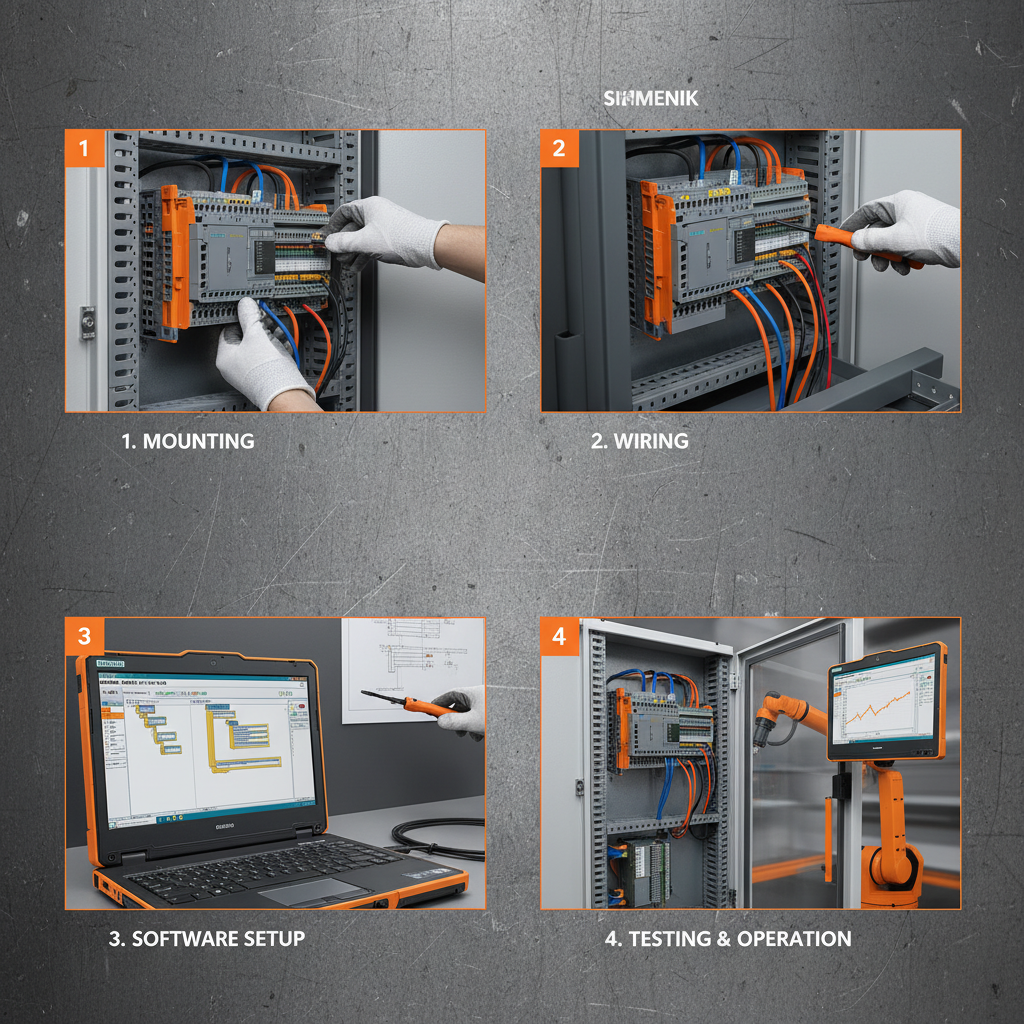
Industrial Automation Guide for High Performance plc sinumerik
In the rapidly evolving landscape of smart manufacturing, the integration of high-performance control systems is essential for maintaining a competitive edge. The plc sinumerik represents a pinnacle of CNC and PLC synergy, offering unmatched precision and flexibility for complex machining tasks. Whether you are upgrading a legacy system or designing a new automated production line, understanding the nuances of this technology is key to optimizing throughput and reducing downtime. This guide explores how the Sinumerik ecosystem empowers engineers to achieve superior accuracy and operational efficiency in demanding industrial environments.
-

Optimizing Industrial Automation with PLC Siemens Profinet Integration
In the realm of industrial automation, Programmable Logic Controllers (PLCs) are the backbone of countless processes. Siemens PLCs, renowned for their reliability and performance, are often integrated with PROFINET – a powerful and versatile industrial Ethernet standard. This article delves into the intricacies of PLC Siemens Profinet technology, exploring its benefits, applications, and key considerations for implementation. Understanding this combination is crucial for optimizing automation systems and achieving efficient, data-driven manufacturing.
-
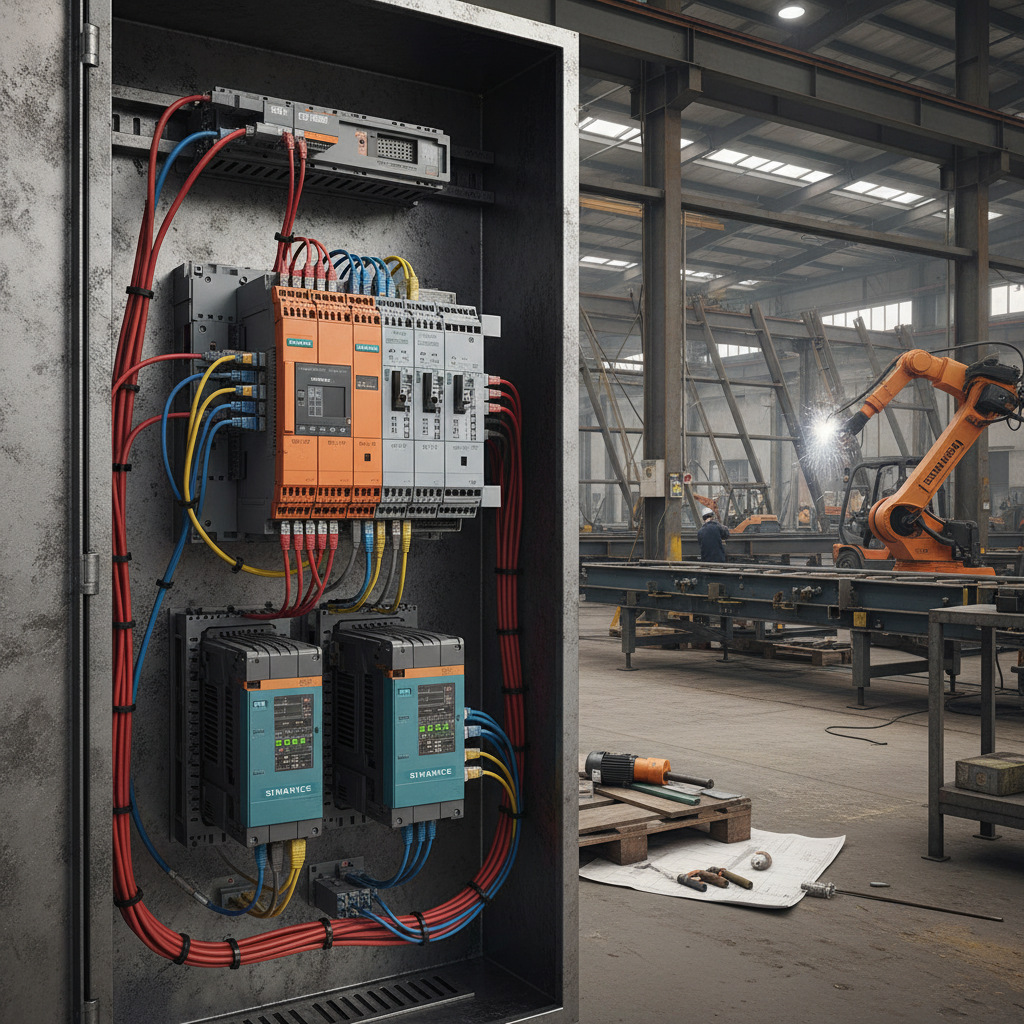
Siemens PLC Modbus Communication A Comprehensive Guide for Automation
Programmable Logic Controllers (PLCs) are the backbone of modern industrial automation. Siemens PLCs, renowned for their reliability and performance, often utilize the Modbus communication protocol for seamless integration with various devices. This article will delve into the world of PLC Siemens Modbus, covering its benefits, implementation, troubleshooting, and applications. Understanding this powerful combination is crucial for optimizing industrial processes and achieving greater efficiency. Let's explore how Siemens PLCs and Modbus work together to drive automation.
-
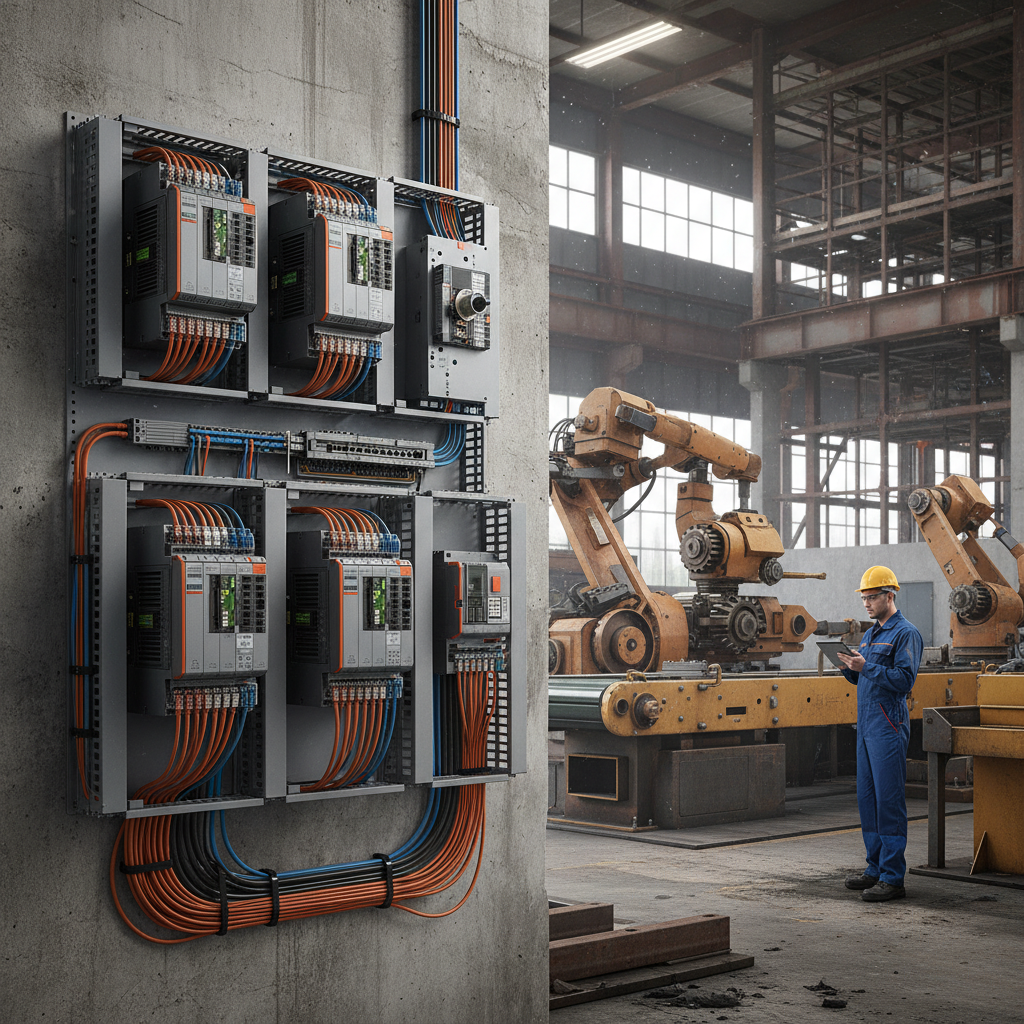
Siemens PLC Ethernet Connectivity A Comprehensive Guide for Industrial Automation
In the world of industrial automation, Programmable Logic Controllers (PLCs) are the backbone of numerous processes. Siemens PLCs are renowned for their reliability and performance, and utilizing Ethernet connectivity with these PLCs has become standard practice for modern automation systems. This article delves into the benefits, considerations, and implementation of Siemens PLCs with Ethernet communication, providing valuable insights for engineers and technicians. Understanding how to effectively integrate your Siemens PLC using Ethernet is critical for optimizing performance and ensuring seamless data exchange.
-
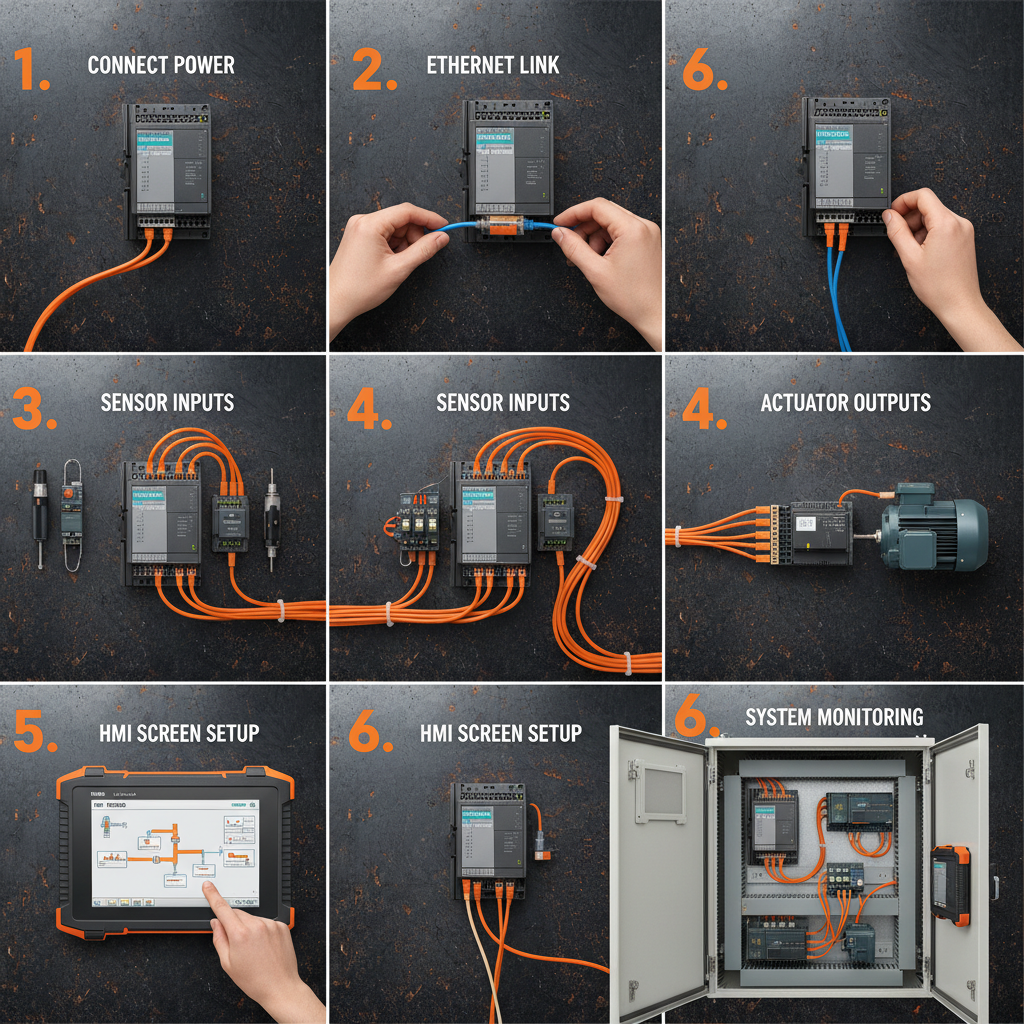
PLC SCADA Siemens Solutions for Advanced Industrial Automation
In the realm of industrial automation, achieving efficient and reliable control systems is paramount. This is where PLC SCADA Siemens solutions take center stage. This article provides a detailed overview of Programmable Logic Controllers (PLCs), Supervisory Control and Data Acquisition (SCADA) systems, and the role Siemens plays in delivering cutting-edge automation technology. Understanding these technologies is vital for optimizing processes, enhancing productivity, and ensuring operational safety in diverse industrial settings. We'll explore their functionalities, benefits, and integration possibilities.
-
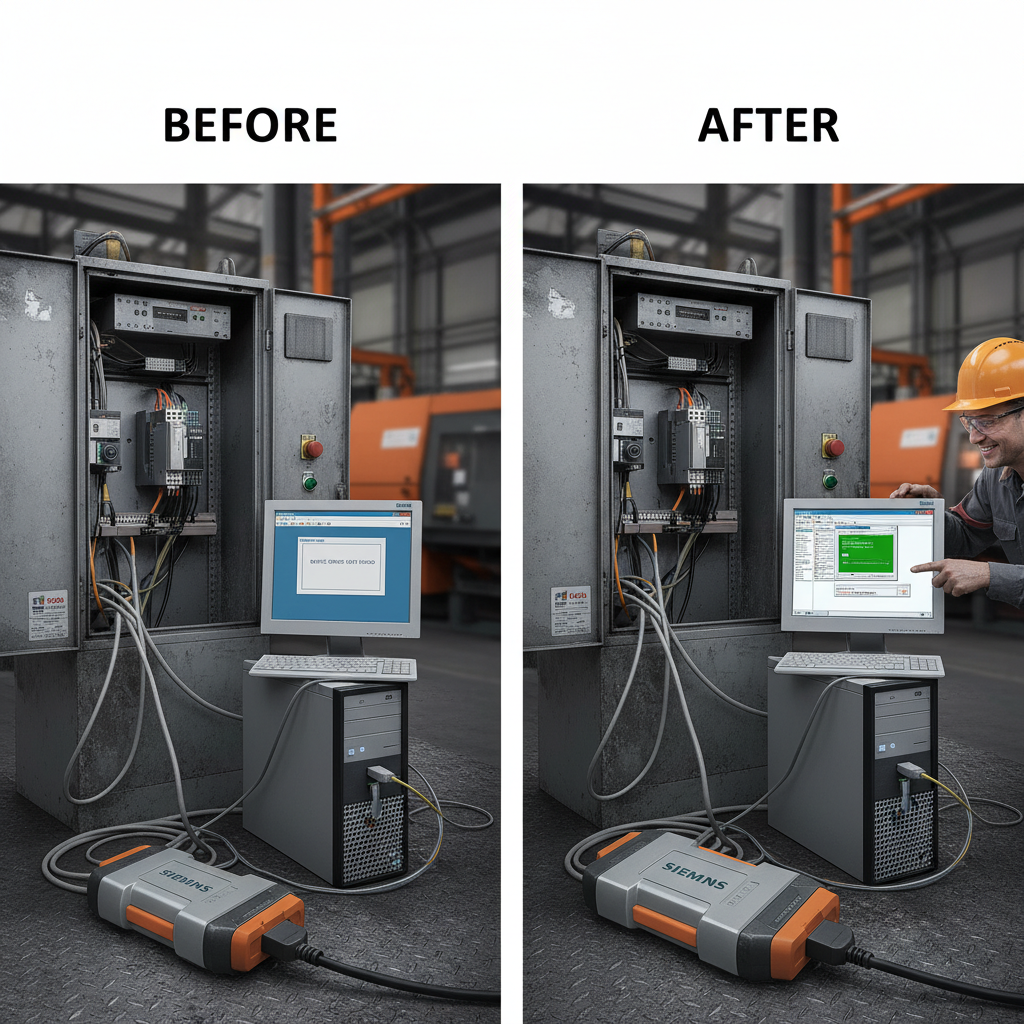
Siemens USB MPI Adapter Driver Windows 7 Installation and Troubleshooting Guide
The Siemens USB MPI adapter is a crucial component for communication between a PC and Siemens PLCs (Programmable Logic Controllers). Successfully installing the correct driver for Windows 7 is often a source of frustration for technicians and engineers. This article provides a detailed guide to ensure a smooth installation process, troubleshoot common issues, and maximize the functionality of your Siemens PLC communication. Proper driver installation is essential for reliable data transfer, programming, and monitoring of your PLC systems. The Siemens USB MPI adapter allows for programming, diagnostics, and data monitoring of various Siemens PLCs, including S7-200, S7-300, and S7-400 series. It provides a convenient USB interface, eliminating the need for older serial communication methods. The adapter supports the MPI (Multi-Point Interface) protocol, enabling communication with multiple PLCs on a single network. It is essential to choose the correct adapter compatible with your specific PLC model and software version.
-
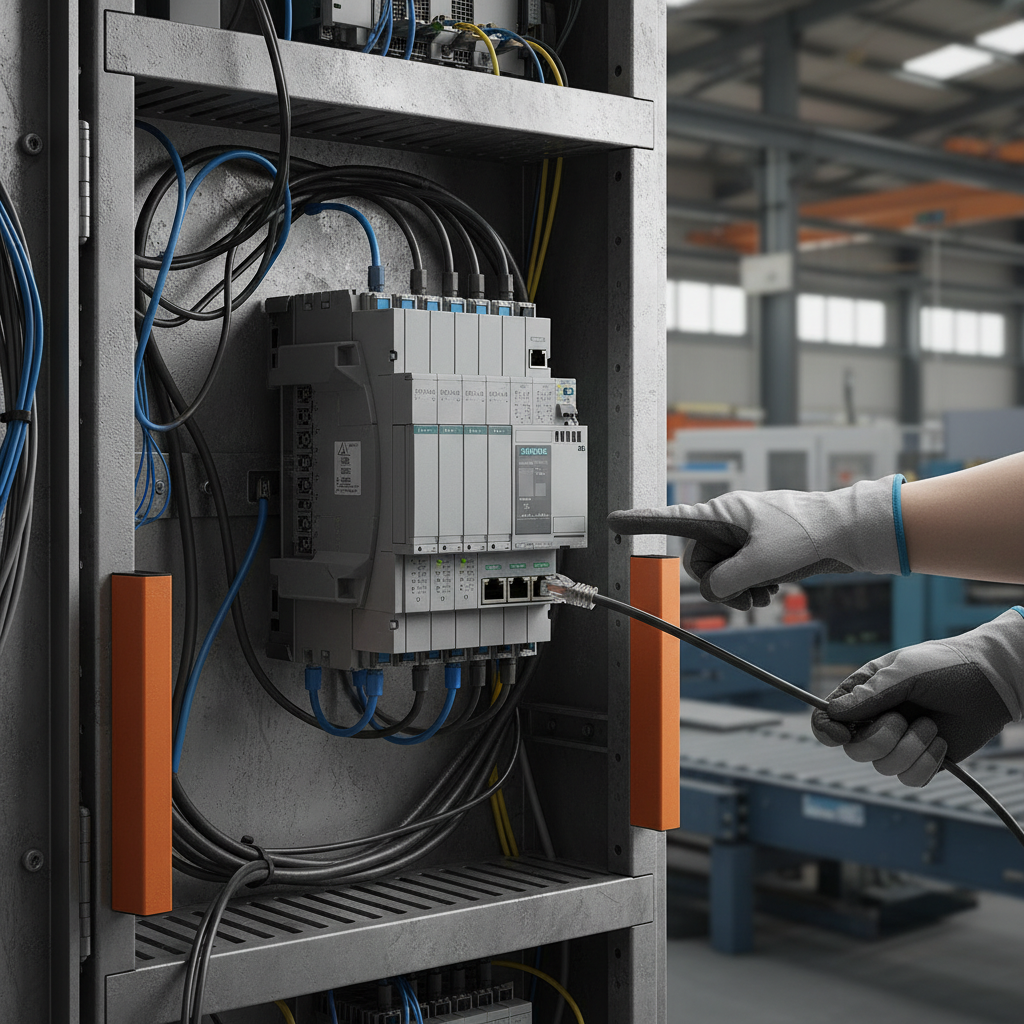
Comprehensive Guide to Siemens PLC Port Numbers and Communication Protocols
Siemens Programmable Logic Controllers (PLCs) are critical components in industrial automation, and a fundamental aspect of working with these devices is understanding their port numbers. These numbers facilitate communication between the PLC and various programming devices, HMIs (Human Machine Interfaces), and other network elements. This article provides a detailed overview of Siemens PLC port numbers, covering standard configurations, common protocols, and troubleshooting tips. Knowing these details is crucial for efficient PLC programming, maintenance, and network integration. Siemens PLCs utilize several standard port numbers for different communication functionalities. The most common is Port 80, often used for web-based access and remote diagnostics, and Port 102, the default port for the PROFIBUS protocol. Additionally, Port 10000 is frequently assigned for S7 communication via the S7 protocol over Ethernet. These ports enable various operations such as downloading programs, monitoring process variables, and troubleshooting system issues.
-
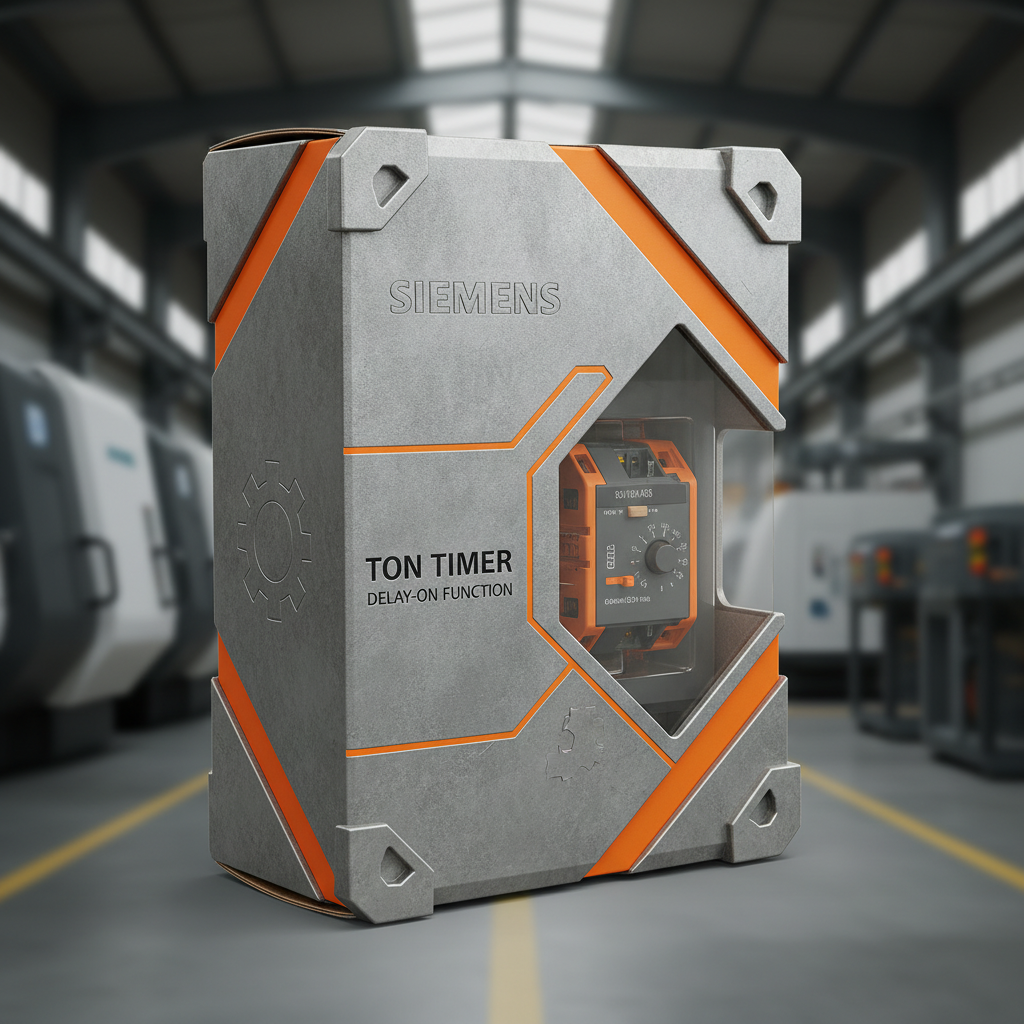
Comprehensive Guide to Siemens Ton Timers for Industrial Automation
The Siemens ton timer is a crucial component in many industrial automation systems, offering precise timing solutions for a wide range of applications. This article provides a detailed overview of the Siemens ton timer, covering its functionality, types, applications, and factors to consider when selecting the right model. Whether you're an engineer, technician, or simply looking to learn more, this guide will equip you with the knowledge you need to effectively utilize this important device. Accurate timing is fundamental to efficient and safe industrial processes, and the Siemens ton timer plays a vital role in achieving this. A Siemens ton timer, also known as a delay timer, is an electromechanical or electronic device used to introduce a time delay into an electrical circuit. It operates by initiating a timing cycle upon receiving a signal and then switching a contact after a preset time has elapsed. The timer typically consists of an input signal, a timing circuit, and an output relay. The input signal triggers the timer to start, the timing circuit measures the elapsed time, and the output relay activates or deactivates a circuit based on the set delay.
-
Siemens S7 PLC Programming Software Free Download Guide and Legal Options
Finding reliable Siemens S7 PLC programming software is crucial for automation professionals. While a fully-featured, licensed version is recommended for commercial projects, understanding available options – including trials and open-source alternatives – is important. This article explores options for accessing Siemens S7 PLC programming software, discussing both legal methods and the risks of unofficial downloads. We'll cover TIA Portal, STEP 7, and potential alternatives, guiding you towards the best solution for your needs. For comprehensive solutions and support, visit Tianjin Yongkai Automation Technology Co., Ltd. Siemens offers several PLC programming software options, each catering to different PLC series and complexity levels. The most common are STEP 7 and TIA Portal. STEP 7 is the classic software for S7-300/400 PLCs, while TIA Portal (Totally Integrated Automation Portal) is the modern, unified platform for all Siemens automation components, including S7-1200, S7-1500, and ET 200SP. A “Siemens S7 PLC programming software free download” is often sought, but be cautious of illegitimate sources.
-
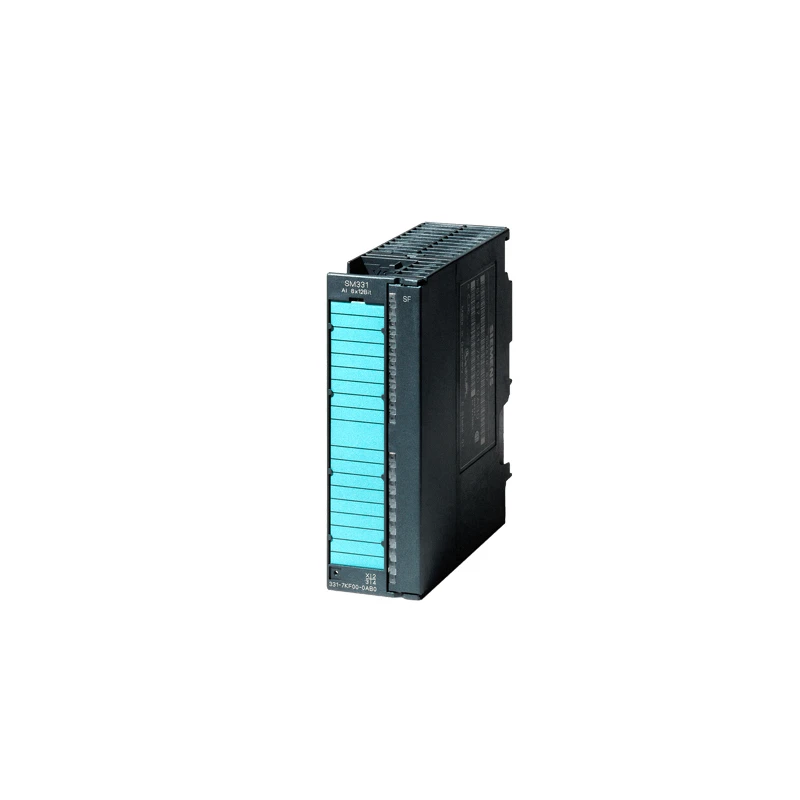
S7-300 AI Module - Tianjin Yongkai International Trade Co., Ltd.
Discover high-precision analog input solutions for industrial automation. The S7-300 AI module offers 9-14 bit accuracy, sensor compatibility, and robust design. Tianjin Yongkai International Trade Co., Ltd. ensures quality with advanced industrial technology. Explore more: https://www.tianjinyongkai.com/post-1318-171.html
-
S7-300 AI Module - Tianjin Yongkai International Trade Co., Ltd.
Discover high-precision analog input solutions for industrial automation. The S7-300 AI module offers 9-14 bit accuracy, sensor compatibility, and robust design. Tianjin Yongkai International Trade Co., Ltd. ensures quality with advanced industrial technology. Explore more: https://www.tianjinyongkai.com/post-1318-171.html
-
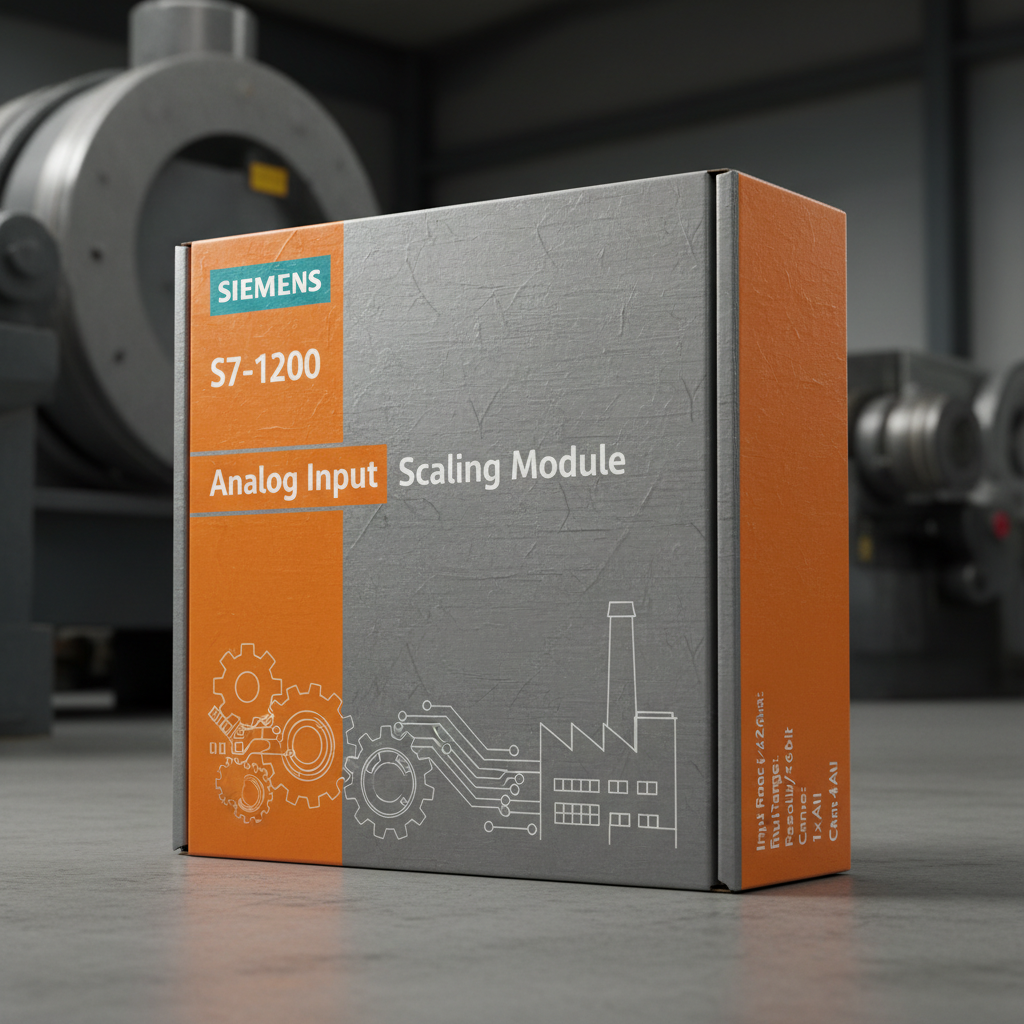
Siemens S7 1200 Analog Input Scaling for Accurate Industrial Control
The Siemens S7-1200 PLC is a powerful and versatile controller widely used in industrial automation. A crucial aspect of utilizing its analog input capabilities is understanding analog input scaling. This process maps the physical signal from sensors (like temperature, pressure, or flow) into a usable numerical value within the PLC. Correct scaling ensures accurate data representation and reliable control system performance. This article will cover the essentials of S7-1200 analog input scaling, providing practical guidance for engineers and technicians. Properly configured scaling is essential for efficient and accurate automation processes. Without proper scaling, the PLC receives raw analog values that don't correspond to the actual physical measurement. For example, a 4-20mA signal representing 0-100°C would be read as a range of values that need to be translated. Scaling provides this translation, allowing the PLC to interpret the signal correctly and trigger appropriate actions.