What Is The Purpose Of Vfd – Energy Efficient Variable Frequency Drives by Tianjin Yongkai
What Is The Purpose Of Vfd is a key solution in the industry, specifically within modern automation and industrial controls. This article explores how https://www.tianjinyongkai.com supports professionals with durable, high-performance products, and explains why this product is an ideal choice for businesses in these sectors.
Table of Contents
- What Is The Purpose Of Vfd Overview
- Benefits & Use Cases of What Is The Purpose Of Vfd
- Cost, Maintenance & User Experience
- Sustainability & Market Trends
- Frequently Asked Questions about What Is The Purpose Of Vfd
- Conclusion on What Is The Purpose Of Vfd from China
What Is The Purpose Of Vfd Overview
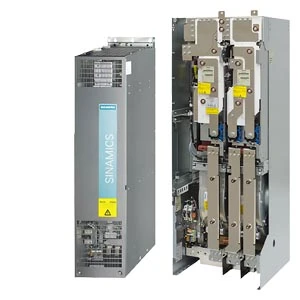
So, what exactly is a VFD? In the simplest terms, a Variable Frequency Drive (VFD) is an electronic device that controls the speed and torque of an electric motor by varying the frequency and voltage of its power supply. This might sound a bit technical, but frankly, it’s become something of a game-changer in industries relying heavily on motor-driven equipment.
The purpose of VFDs is mainly energy efficiency and precision control. Instead of running a motor constantly at full speed and throttling it mechanically, VFDs tailor the motor’s operation to real-time needs. That's especially invaluable in processes requiring variable output, like pumps, fans, conveyors, or HVAC systems.
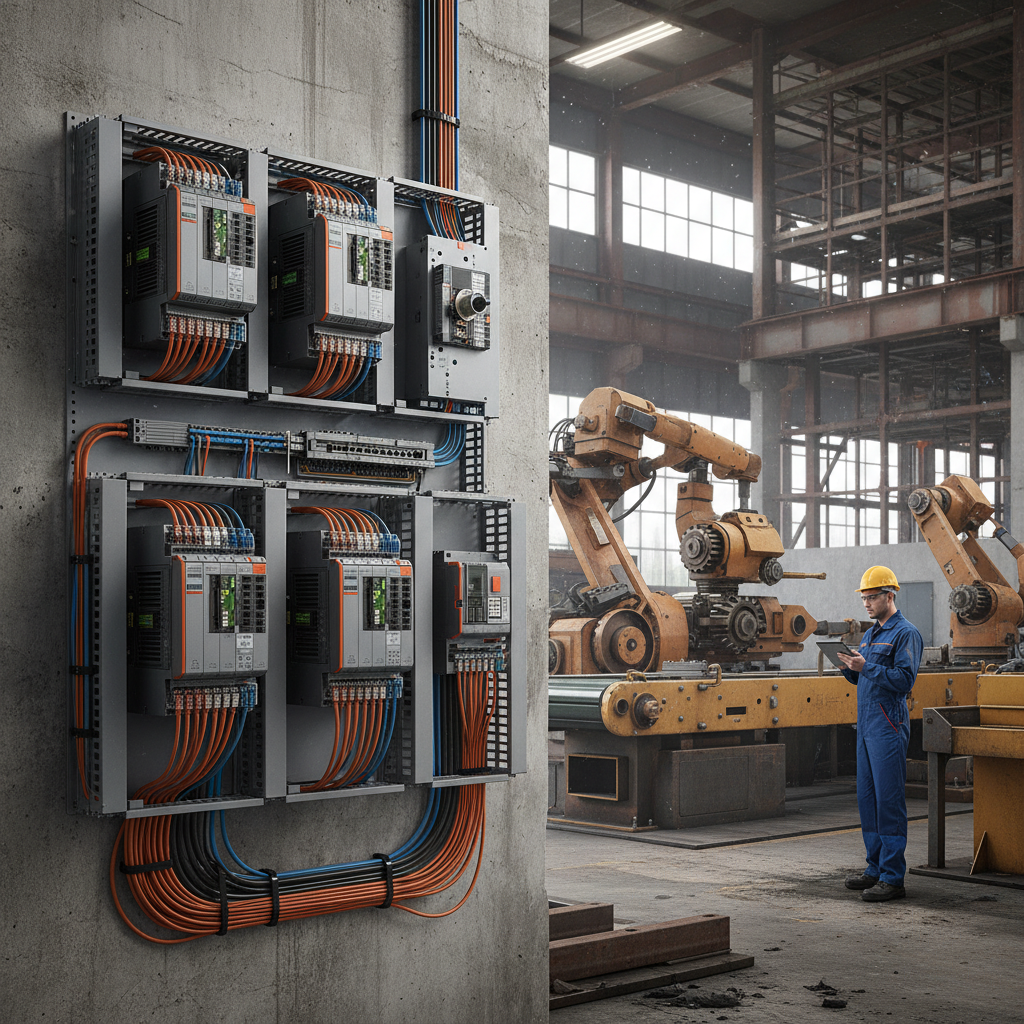
Take, for example, a petrochemical plant relying on heavy pumping systems — adjusting flow rates precisely without wasting power is crucial. Tianjin Yongkai’s VFD products offer robust design specs to withstand harsh environments, with IP ratings often reaching IP55, and built-in protections like overvoltage, overload, and short circuit safeguards. These specs align to ensure durable, reliable operation.
| Specification | Details |
|---|---|
| Input Voltage | 3-phase 380V-480V |
| Output Frequency | 0-400 Hz |
| Power Range | 0.75 kW to 250 kW |
| Control Method | Vector Control, V/F Control |
| Protection Features | Overvoltage, Overcurrent, Overheat, Short Circuit |
Benefits & Use Cases of What Is The Purpose Of Vfd
Diving deeper, the beauty of VFDs is in the benefits they deliver. For one, the obvious energy savings — many engineers I spoke with say their energy costs dropped by nearly 30% after implementation. The flexible speed control means processes are much smoother; motors aren't subjected to sudden starts or stops that wear down components.
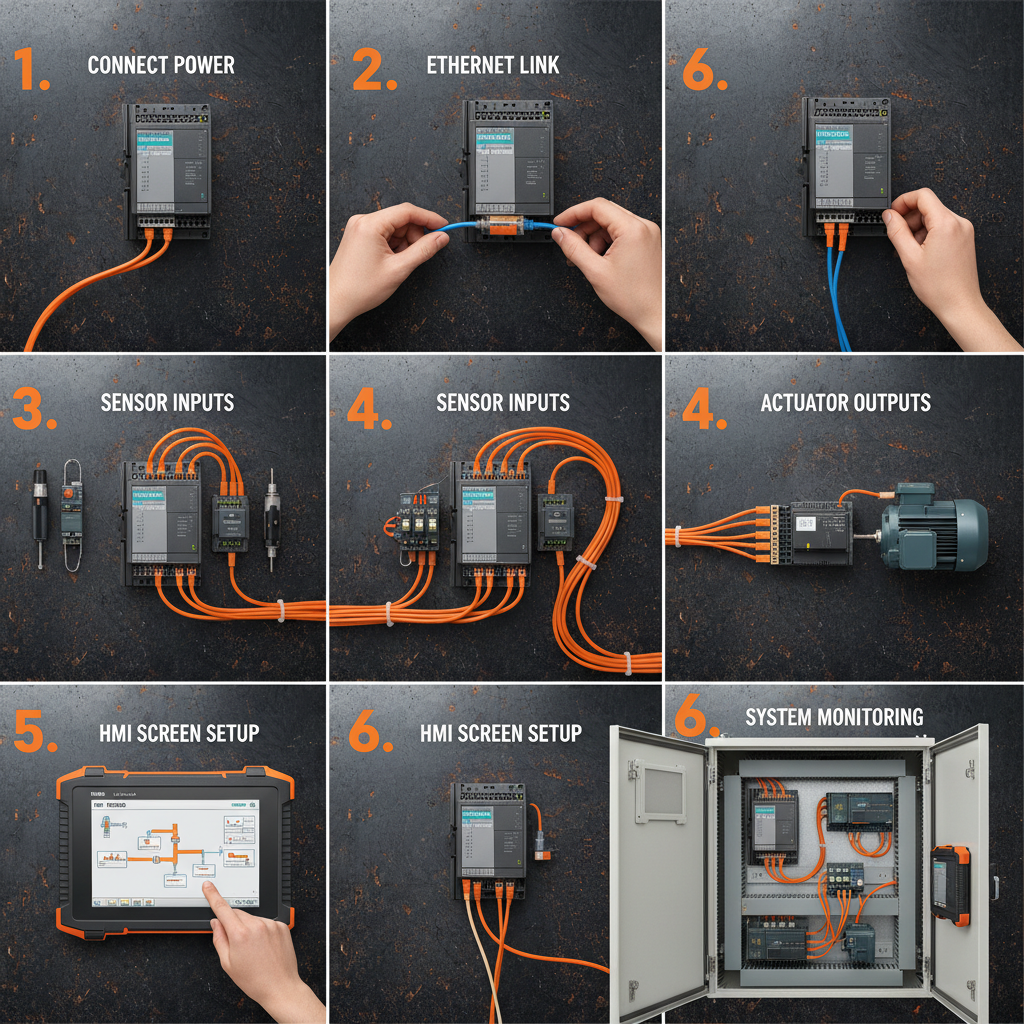
Industries from water treatment to manufacturing plants have found VFDs indispensable. Tianjin Yongkai's units boast an easy-to-use interface and communication protocols like Modbus and CANopen, which integrate well with existing industrial control systems.
Oddly enough, beyond the clear technical gains, many users appreciate the quieter operation — a less noisy workspace is a subtle but welcome perk. Unlike traditional mechanical throttling, VFDs smoothly ramp motor speed, reducing mechanical stress.
Cost, Maintenance & User Experience
I suppose the question on the minds of many decision makers is always about cost-effectiveness. A VFD may look like an upfront investment, but in real terms, the total cost of ownership often turns out significantly lower than legacy solutions, thanks to reduced energy consumption, less maintenance, and longer motor lifespan.
Maintenance routines simplify as well. Instead of replacing worn mechanical parts, the electronic components require occasional software updates and checks. Feedback from Tianjin Yongkai customers suggests their robust design translates into fewer unexpected downtimes — a big win for continuous operations.
Plus, the user experience seems straightforward. The interface includes clear digital displays and preset control modes, helping local operators manage easily without deep technical support, though advanced users can customize settings extensively.
| Vendor | Product Range (kW) | Communication Protocols | Warranty | Price Range |
|---|---|---|---|---|
| Tianjin Yongkai | 0.75 - 250 | Modbus, CANopen, Ethernet | 2 Years | Competitive |
| Vendor B | 1 - 200 | Modbus, Profibus | 1 Year | Mid-Range |
| Vendor C | 5 - 300 | Ethernet/IP, CANopen | 3 Years | Premium |
Sustainability & Market Trends
Sustainability is no longer a buzzword but a business imperative. Incorporating VFDs aligns well with global energy efficiency targets and tightening regulations aimed at reducing carbon footprints. I noticed how many industries—especially in China and beyond—embrace such technologies not just for compliance but also as a brand value statement.
Market trends hint at rising adoption of smart VFDs integrated with IoT and AI diagnostics, enabling predictive maintenance and further optimization. Companies like Tianjin Yongkai have kept pace, delivering products that support advanced connectivity and data-driven operations.
Frankly, this evolution feels quite exciting—the idea that a piece of equipment as “mundane” as a VFD is becoming a star player in green industrial transformation. It’s proof that efficiency and sustainability can go hand in hand.
Frequently Asked Questions about What Is The Purpose Of Vfd
- What is What Is The Purpose Of Vfd and how does it work?
- It is a Variable Frequency Drive that adjusts motor speed by changing the input frequency and voltage. This allows for energy-efficient and precise motor control in various applications.
- What are the main benefits of using What Is The Purpose Of Vfd in industrial applications?
- Benefits include reduced energy consumption, smoother motor operations minimizing wear, better process control, and often quieter workplaces.
- How does What Is The Purpose Of Vfd compare to traditional alternatives?
- Unlike fixed-speed controls or mechanical throttling, VFDs offer dynamic speed adjustment without energy waste, leading to higher efficiency and less mechanical strain.
- What industries can benefit most from What Is The Purpose Of Vfd implementation?
- Water treatment, HVAC, manufacturing, chemical processing, and materials handling are among the primary industries utilizing VFDs to improve efficiency and control.
Conclusion on What Is The Purpose Of Vfd from China
In wrapping up, the value of What Is The Purpose Of Vfd lies in its ability to bring precision, energy savings, and reliability to heavy-duty industrial processes. As industries worldwide lean into greener, smarter manufacturing, VFDs stand out as a pretty straightforward but effective piece of the puzzle.
- Recap the value of What Is The Purpose Of Vfd.
- - Visit our website: https://www.tianjinyongkai.com
To sum up: VFDs reshape motor control by making it more adaptable and efficient — and in today’s climate, that’s a big deal.
References:
1. IEEE Industry Applications Magazine, "Energy Efficiency with VFDs", 2021.
2. Tianjin Yongkai Product Manuals and Customer Feedback, 2023.
3. International Energy Agency Reports on Industrial Electrification, 2022.