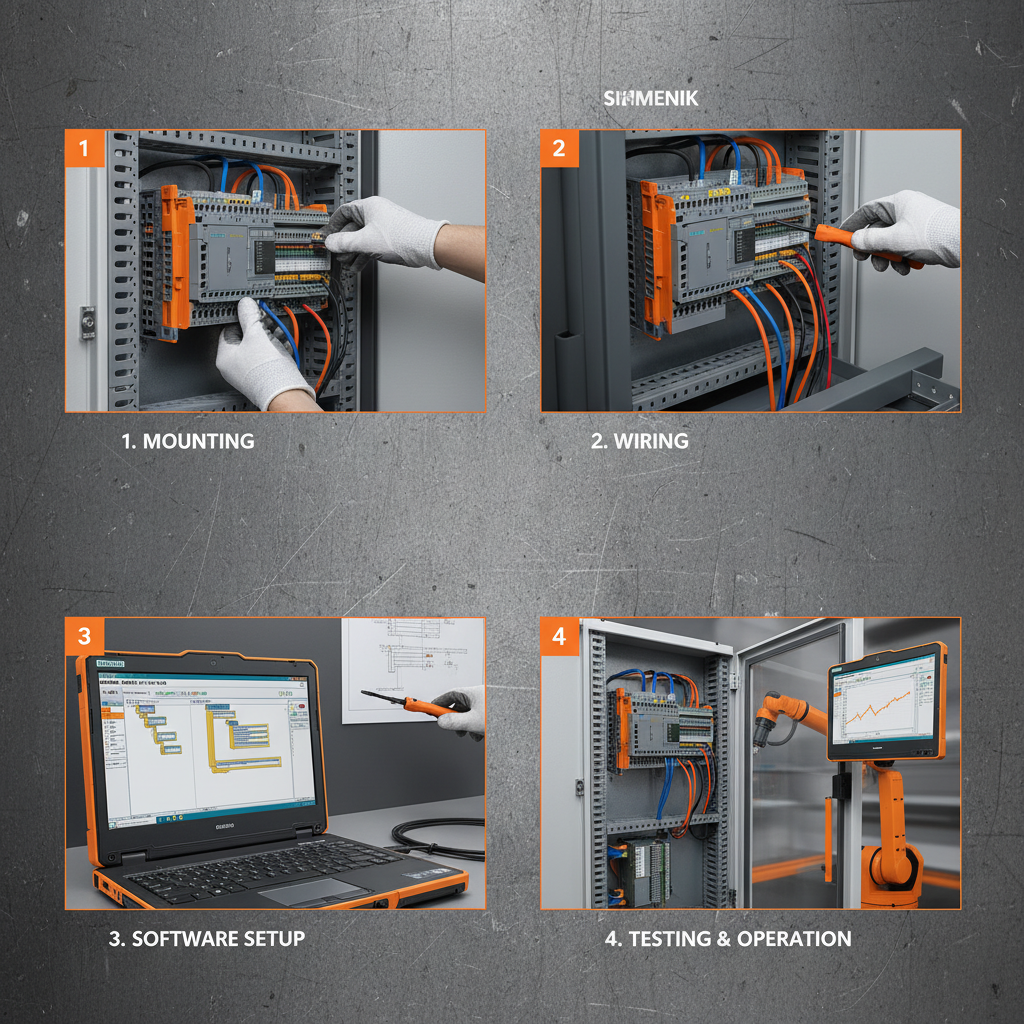
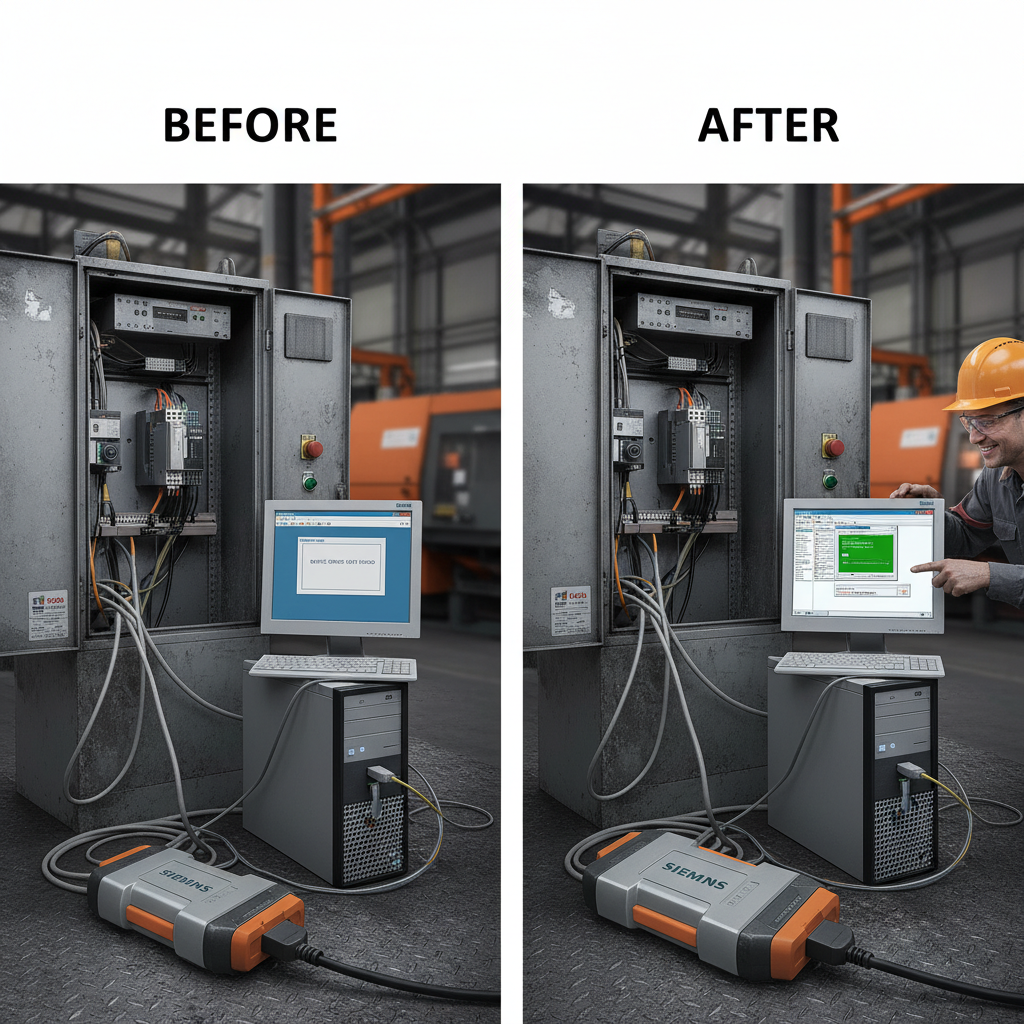
Comprehensive Guide to 120 VAC VFDs – Benefits, Applications, and Trends
Understanding 120 VAC VFD: Why It Matters Today
When we say 120 VAC VFD, what often comes to mind is a technical acronym tucked away in engineering specs. Yet, its relevance is subtle but huge across industries worldwide. Variable Frequency Drives (VFDs) operating on 120 volts alternating current (VAC) have quietly revolutionized how machines consume energy, control speed, and improve efficiency. This isn’t mere jargon — it’s a practical solution contributing to energy savings, sustainability, and operational flexibility from manufacturing hubs in the US to remote rural installations globally.
In a world increasingly focused on sustainable energy use and electrification, understanding how a 120 VAC VFD works and why it’s valuable is a small but meaningful step. Whether you're an engineer, procurement specialist, or just curious about why your air conditioner runs smoother and quieter, unlocking the 120 VAC VFD story shows you a slice of modern electric motor control at its best.
Mini takeaway: 120 VAC VFDs pack a powerful punch in combining simple voltage standards with sophisticated speed regulation, crucial for energy and process optimization across sectors.
Global Context: Why 120 VAC VFD Is a Worldwide Asset
Power management and equipment control are global challenges, affecting industrial productivity, residential comfort, and agricultural efficiency. According to the International Energy Agency (IEA), electric motors consume nearly 50% of global electricity usage, and VFDs represent one of the most effective ways to cut waste in motor-driven systems.
With 120 VAC being the standard residential voltage in the US, parts of Canada, and a few other countries, VFDs operating at this voltage level have become a natural fit for retrofits and new builds alike. The World Bank also highlights that reliable motor control systems can reduce carbon footprints while maintaining critical services such as water treatment, HVAC, and manufacturing in urban and remote settings.
But the challenge? Many older facilities and small-scale operations still rely on inefficient motor controls, resulting in energy waste, excess heat, noise, and mechanical wear. Here, the 120 VAC VFD steps in to optimize energy usage without complicated rewiring or massive infrastructure changes.
Mini takeaway: 120 VAC VFD technology addresses the universal need for efficient motor control, cutting emissions and costs in regions standardized on 120VAC systems.
What Exactly Is a 120 VAC VFD?
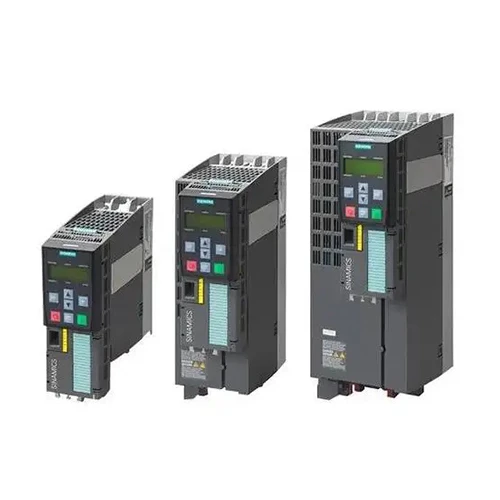
At its core, a 120 VAC Variable Frequency Drive is an electronic device designed to control the speed and torque of an AC motor by varying the frequency and voltage of the power supplied to the motor, specifically at 120 volts alternating current. Traditionally, electric motors run at a fixed speed determined by the power supply frequency (usually 60 Hz in 120 VAC systems). The VFD intervenes by transforming this, allowing motors to run slower (saving energy) or speed up as needed.
It’s kind of like having a dimmer for your motor: instead of a motor running full-blast, a 120 VAC VFD turns it down or up smoothly based on demand. This capability is key for industries requiring precision, from conveyor belts in factories to wastewater pumps.
The relevance extends to humanitarian spheres as well: variable speed drives on 120 VAC make equipment more adaptable and robust for off-grid and emergency setups, where power sources might fluctuate or be limited.
Mini takeaway: Simply put, a 120 VAC VFD adjusts motor speed in real time to match demand—saving energy, extending equipment life, and offering operational agility.
Core Components of 120 VAC VFDs and What They Mean for You
1. Input Rectifier
This part converts incoming 120 VAC power into DC voltage — the essential first step before frequency modulation. You can think of it like the "translator" between your local power and the motor speed control.
2. DC Bus
Acts as the temporary storage for DC energy, smoothing out fluctuations — important for stable operations, especially in environments where power quality is inconsistent.
3. Inverter Section
This is where the magic happens — converting DC back into AC at the desired frequency and voltage to control motor speed. It’s the heart of the VFD, producing variable frequency output.
4. Control System
The “brain” that monitors inputs, motor requirements, and user commands to adjust output accordingly. Modern controls even provide diagnostics and communication interfaces supporting IoT integration.
5. Protection Features
Overvoltage, overload, and temperature protections help prevent damage and extend equipment lifetime — a must-have for consistent industrial processes.
6. User Interface
Usually digital or keypad-based, allowing technicians and operators to monitor real-time parameters, configure settings, and receive alerts.
| Specification | Details |
|---|---|
| Input Voltage | 120 VAC ±10% |
| Output Frequency Range | 0.5 Hz – 400 Hz |
| Power Rating | 0.5 HP to 5 HP |
| Control Type | V/f and Sensorless Vector Control |
| Protection | Overload, Overvoltage, Short Circuit |
| Interface | LCD Display, Modbus RTU |
Mini takeaway: Knowing these components eases communication with vendors and helps tailor solutions to your application’s demands.
Real-World Applications of 120 VAC VFDs
The versatility of 120 VAC VFDs shines in a surprising variety of contexts. In residential or light commercial systems, they’re used for HVAC units, fans, and pumps to finely tune comfort while trimming power bills.
Industrial sectors — from packaging lines to water treatment plants — use 120 VAC VFDs to maintain precision motor control without upgrading entire electrical systems. Oddly enough, small-to-medium factories especially favor these drives for retrofit projects, avoiding the cost and disruption of full rewiring to three-phase power.
On the humanitarian front, NGOs deploying temporary water pumps or mobile clinics benefit greatly from 120 VAC VFDs, given the compatibility with local grid voltage and the energy savings facilitating longer equipment operation on backup systems or solar arrays.
Mini takeaway: From urban factories to remote relief efforts, 120 VAC VFDs deliver agile motor control suited to diverse environments — and lots of them.
Advantages & The Long-Term Value of Choosing 120 VAC VFDs
- Energy Savings: By matching motor speed to actual load demands, they typically reduce electricity usage by 20–50%, which adds up.
- Enhanced Equipment Life: Soft start and stop features reduce wear and tear on motors and connected machinery.
- Lower Noise and Heat: By slowing the motor when full speed isn’t needed, these drives make workplaces quieter and cooler.
- Cost-Effectiveness: Ideal for smaller setups where three-phase power isn’t available, they minimize installation and maintenance costs.
- Sustainability: Reduced power consumption means lower carbon emissions, in line with global climate goals.
Pretty practical, right? There’s also an emotional side to know — operators trust equipment that’s flexible and reliable, and stakeholders often feel reassured when upgrades reduce environmental impact and ongoing expenses.
What’s Next? Innovations Moving 120 VAC VFDs Forward
Tech trends are shaping future 120 VAC VFDs in exciting ways:
- Integration with IoT and Smart Controls: Real-time monitoring and predictive maintenance capabilities are making these devices more intelligent and network-aware.
- Improved Energy Efficiency: New semiconductor materials and fabrication techniques push the boundaries on losses and thermal management.
- Compact & Modular Designs: Easier to install in tight spaces and adaptable to a wide range of applications.
- Green Energy Compatibility: More VFDs are designed for seamless integration with solar or battery-backed systems, important for sustainability and off-grid use.
The push towards digital and eco-friendly solutions means 120 VAC VFDs will keep rising from just a tech component to a strategic element in energy management.
Challenges & How Industry Experts Tackle Them
Even the best tech runs into bumps. For 120 VAC VFDs some common issues include:
- Harmonic Distortion: VFDs can introduce electrical noise, affecting other equipment. Proper filtering and design help here.
- Heat Dissipation: Smaller drives can run hot, requiring effective cooling or placement.
- Compatibility Limits: Not every motor responds perfectly without tuning, so skilled commissioning is key.
To address these, manufacturers are innovating with built-in harmonic filters, enhanced firmware, and modular designs to ensure systems operate reliably across conditions.
Comparing Leading 120 VAC VFD Vendors
| Feature | Vendor A | Vendor B | Vendor C |
|---|---|---|---|
| Power Range | 0.5–3 HP | 0.75–5 HP | 1–4 HP |
| Interface | LCD Display, RS-485 | LED Display, Modbus | Touchscreen, Ethernet |
| Protection | Overload, Short Circuit | Thermal, Overvoltage | Full Spectrum (incl. Ground Fault) |
| Price Range | $180–$350 | $200–$400 | $250–$450 |
| Best for | Budget Projects | Industrial Retrofitting | Smart Factory Integration |
FAQs About 120 VAC VFD — Clearing Up Common Questions
- Can a 120 VAC VFD be used with standard single-phase motors?
- Yes, most 120 VAC VFDs are designed specifically for single-phase motors or small three-phase motors in retrofit scenarios. They enable speed control without requiring three-phase supply rewiring.
- How much energy can I realistically save by installing a 120 VAC VFD?
- Depending on the application, energy savings typically range between 20% to 50%. Systems with varying load conditions, like pumps and fans, benefit the most from variable speeds.
- Are 120 VAC VFDs compatible with solar power systems?
- Absolutely. Many are engineered to work with DC power inputs from solar arrays or storage batteries, especially in off-grid or backup power applications, enhancing their appeal for green initiatives.
- Do I need special training to operate or maintain a 120 VAC VFD?
- Basic operational training is recommended, especially for setup and tuning; however, many units come with intuitive interfaces and diagnostic tools that simplify maintenance.
Wrapping Up: Why 120 VAC VFDs Deserve a Closer Look
The benefits of 120 VAC VFDs stretch far beyond simple speed control. They save energy, protect motors, and help align operations with sustainability targets — all without demanding complex infrastructure changes. Whether you're managing a small business, upgrading an HVAC system, or equipping off-grid aid stations, these drives offer agility and cost-efficiency that make a real difference.
If you're ready to explore or upgrade your electrical systems with cutting-edge variable frequency drives working seamlessly at 120 volts AC, don't hesitate to learn more about 120 vac vfd options here. Smart motor control isn't just tech for tech's sake — it's a step toward a smarter, cleaner future.