Comprehensive Guide to VSD Variable Speed Drive Technology – Efficiency & Innovation
Understanding VSD Variable Speed Drives: A Modern Industrial Essential
Imagine powering your industrial motors just right — not too fast, not too slow, but exactly as needed, no matter what. That’s basically what a vsd variable speed drive does. It’s a game-changer in energy efficiency, industrial control, and sustainability worldwide. As industries push for greener solutions and smarter operations, grasping the benefits and tech behind variable speed drives becomes more than a niche interest—it’s vital knowledge for engineers, plant managers, and policymakers alike.
Before we dive deeper, here’s a quick thought: why waste energy running a fan or pump full blast when it only needs half speed? Many facilities did just that before these drives became standard. Now, thanks to global attention on energy conservation (a goal supported by organizations like the International Energy Agency and ISO), VSDs have taken a front seat.
The Global Shift Toward Efficiency: Why VSD Matters
According to the International Energy Agency, industrial electric motor systems consume nearly 50% of all electricity globally. That’s staggering. Plants running at fixed speeds — no matter the load — fax through an unnecessary energy bill. Enter the vsd variable speed drive, which precisely adjusts motor speed to actual demand. This adaptability translates into huge reductions in electrical consumption and carbon emissions. It’s estimated that on average, VSDs can reduce motor energy use by about 20–50%, depending on the process.
But the importance of VSDs is not just in saving money. They’re also crucial in tackling climate change challenges, improving industrial reliability, and enabling smarter automation. In many emerging economies, deploying VSD technology means fewer outages and better control over chaotic energy grids, directly supporting sustainable development goals outlined by the United Nations.
What Exactly Is a VSD Variable Speed Drive?
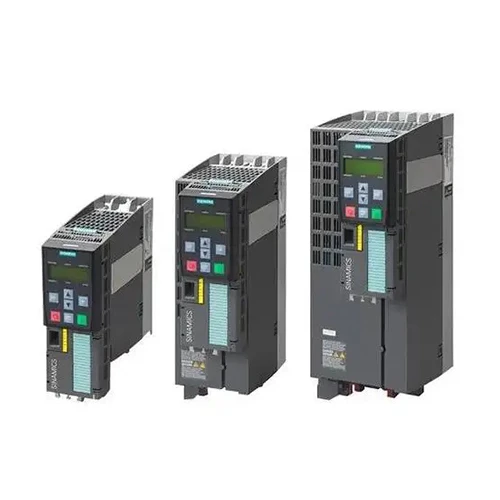
Put simply, a variable speed drive is a system that controls the speed and torque of electric motors. Unlike traditional motors running at a fixed speed (as dictated by the power supply frequency), VSDs actively modulate the input frequency and voltage to match the real work demands.
- Core function: Adjust motor speed without mechanical gears.
- Why it matters: Saves energy, increases equipment life, and offers precise process control.
- Common types: Variable Frequency Drives (VFD), DC drives, and servo drives.
This technology is embedded in everything from HVAC systems to conveyor belts, from water pumps to complex manufacturing lines. Oddly enough, it’s one of those “invisible” heroes you rarely notice — until it fails.
Key Components That Make VSDs Tick
1. Durability
Given that industrial environments can be punishing — dusty factories, sweltering heat, intermittent voltage spikes — VSDs need rugged design. Many units today come with IP-rated casings, conformal coatings for circuit boards, and thermal management technologies that extend their operational life.
2. Scalability
Whether a small factory pump or a massive mining conveyor, variable speed drives vary in size and capacity. Their modular designs mean systems can easily expand or shrink without wholesale replacement — a real money saver for operators navigating changing production demands.
3. Cost Efficiency
Though initial investment might feel steep, many engineers swear by the rapid ROI. Payback can come in under two years via energy savings alone — plus lower maintenance costs thanks to the gentle motor starts and stops enabled by VSDs.
4. Control Precision
The most advanced drives offer fine control over speed, torque, and acceleration profiles. This means they can adapt in real-time to process feedback, maximizing output quality and minimizing wear on mechanical parts.
5. Communication & Integration
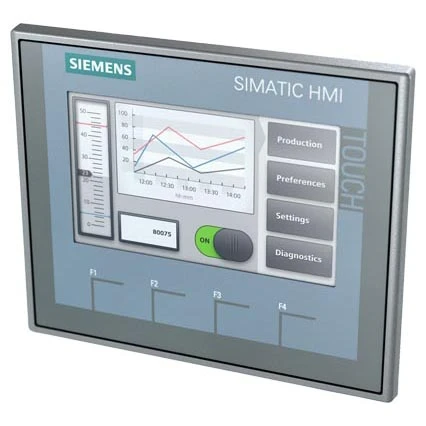
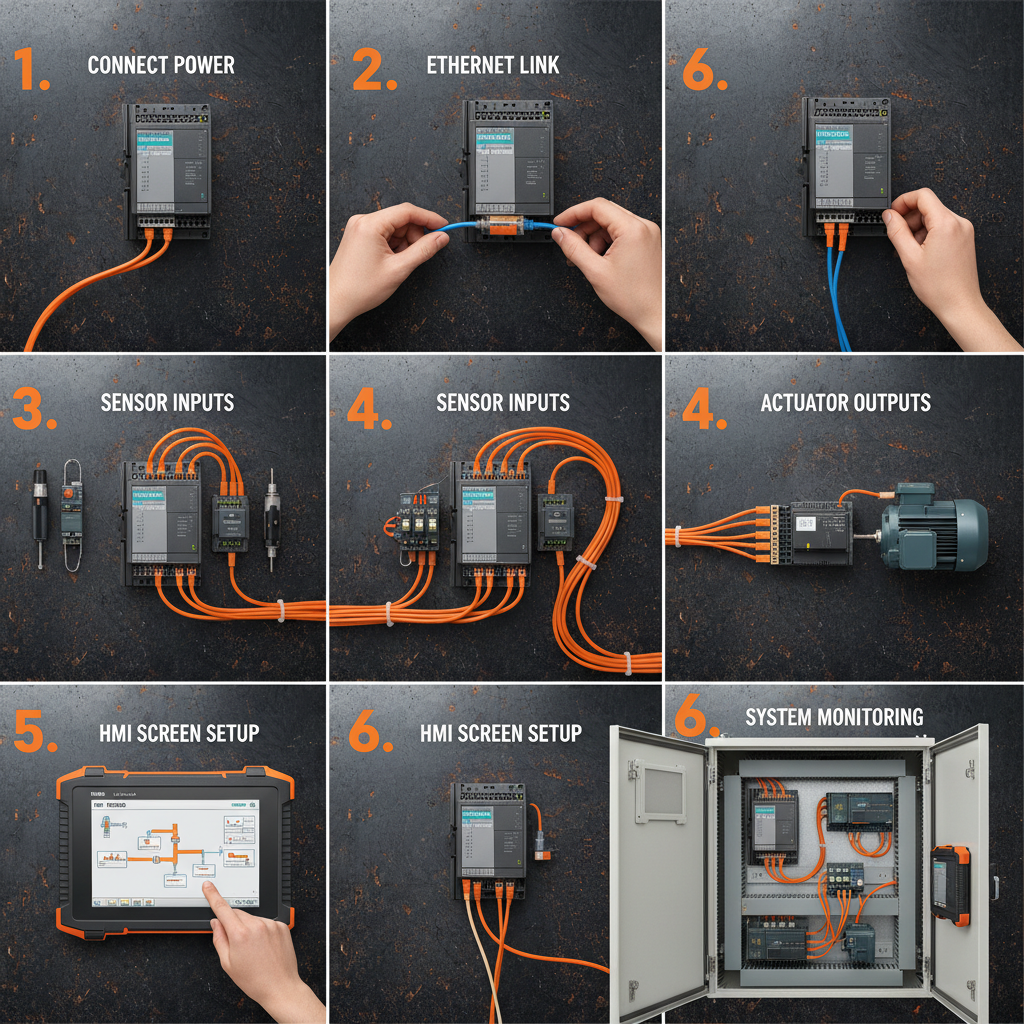
Modern VSDs come with smart interfaces like Modbus, Profibus, or Ethernet/IP, allowing seamless integration with SCADA or PLC systems. This compatibility elevates automation capacity, reduces manual intervention, and boosts overall plant intelligence.
Mini Takeaway:
The brilliance of a vsd variable speed drive isn’t just in slowing or speeding motors — it’s a sophisticated balance of durability, scalability, efficiency, and digital smarts that power modern industry’s evolution.
Global Applications: Where VSD Variable Speed Drives Are Making an Impact
From manufacturing hubs in Germany to mining sites in Australia, VSDs have found diverse applications:
- Water treatment plants: Pumps adjust flow based on real-time demand, reducing energy use drastically.
- HVAC systems worldwide: Fans and chillers modulate speed for consistent climate control and peak efficiency.
- Agricultural irrigation: VSDs support variable water supply schedules, conserving precious resources in arid regions.
- Disaster relief efforts: Portable power systems with VSDs ensure generators run efficiently — vital when fuel is scarce.
- Remote industrial zones: They reduce equipment stress and extend service intervals where maintenance crews are hard to reach.
Even big utilities are retrofitting older plants with VSD units to meet stricter emission standards, especially in Europe and North America.
Mini Takeaway:
The adaptability of VSDs makes them indispensable not only in well-established industries but also in humanitarian and environmental missions.
Advantages and Long-Term Value of Using VSD Variable Speed Drives
- Energy Savings: Lower electricity bills and reduced carbon footprint.
- Extended Equipment Life: Soft starts minimize mechanical and electrical stress.
- Improved Process Quality: Fine-tuning motor speed enhances output consistency.
- Operational Safety: Less frequent breakdowns reduce workplace hazards.
- Sustainability: Aligns with global green initiatives and corporate responsibility goals.
On a human level, though, there’s something satisfying about tech that quietly saves money, energy, and ensures safer work conditions without demanding constant attention — kind of like a trusty co-worker who never calls in sick.
Looking Ahead: Future Trends in VSD Variable Speed Drive Technology
The future feels exciting. With the rise of Industry 4.0 and digitization, smart VSDs equipped with AI-based diagnostics and adaptive control algorithms promise to make motors run even cleaner and more efficiently. Integration with green energy sources like solar and wind will be more seamless, enabling microgrids and energy storage solutions to balance loads dynamically.
Material innovations, too, will enhance ruggedness and heat dissipation. Plus, policy shifts toward carbon neutrality are likely to mandate VSDs in more applications, further driving innovation and adoption globally.
Common Challenges and How to Overcome Them
Of course, not all is perfect. Some hurdles include:
- Upfront Cost: Can be a deterrent for small businesses, though financing schemes or government incentives often help.
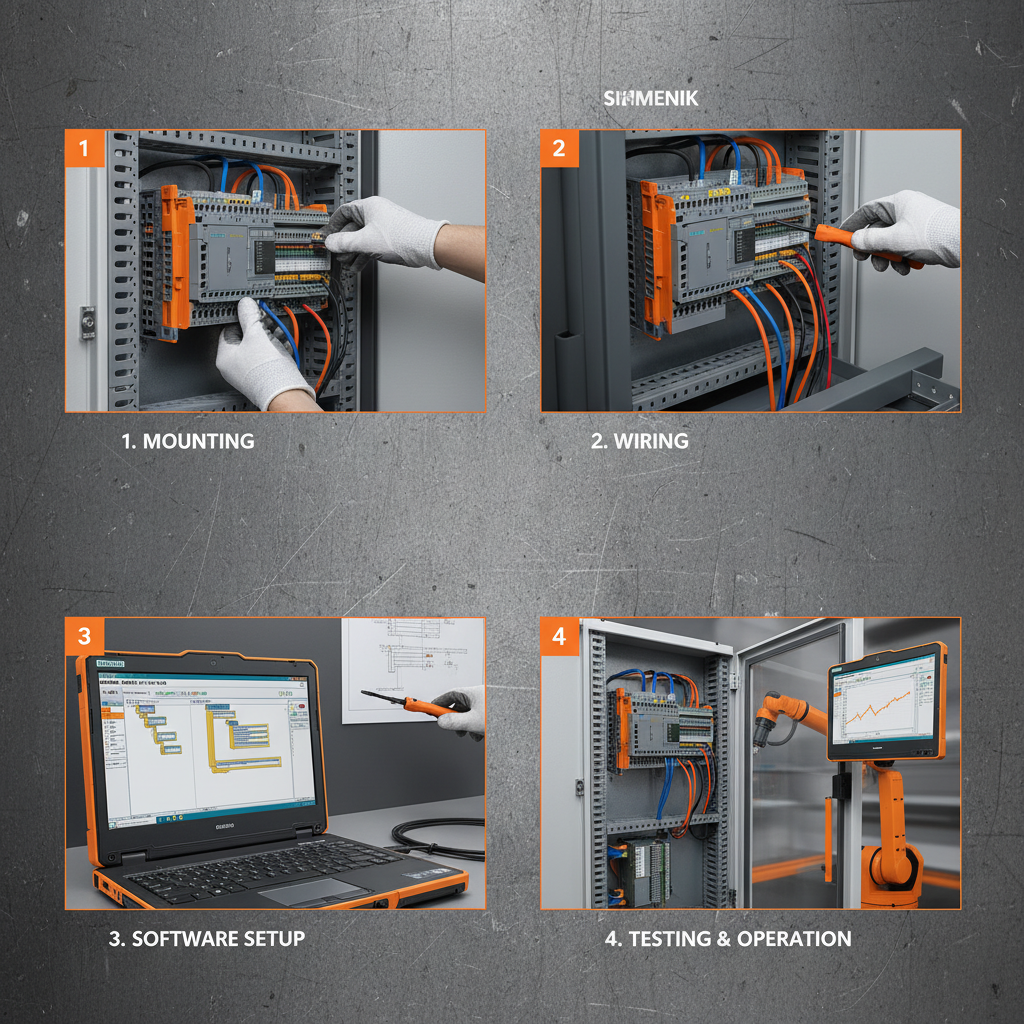
- Technical Complexity: Proper selection and commissioning require expertise; poor set-up can reduce benefits.
- Harmonic Distortion: Some drives can inject electrical noise, but modern filters and design improvements mitigate this.
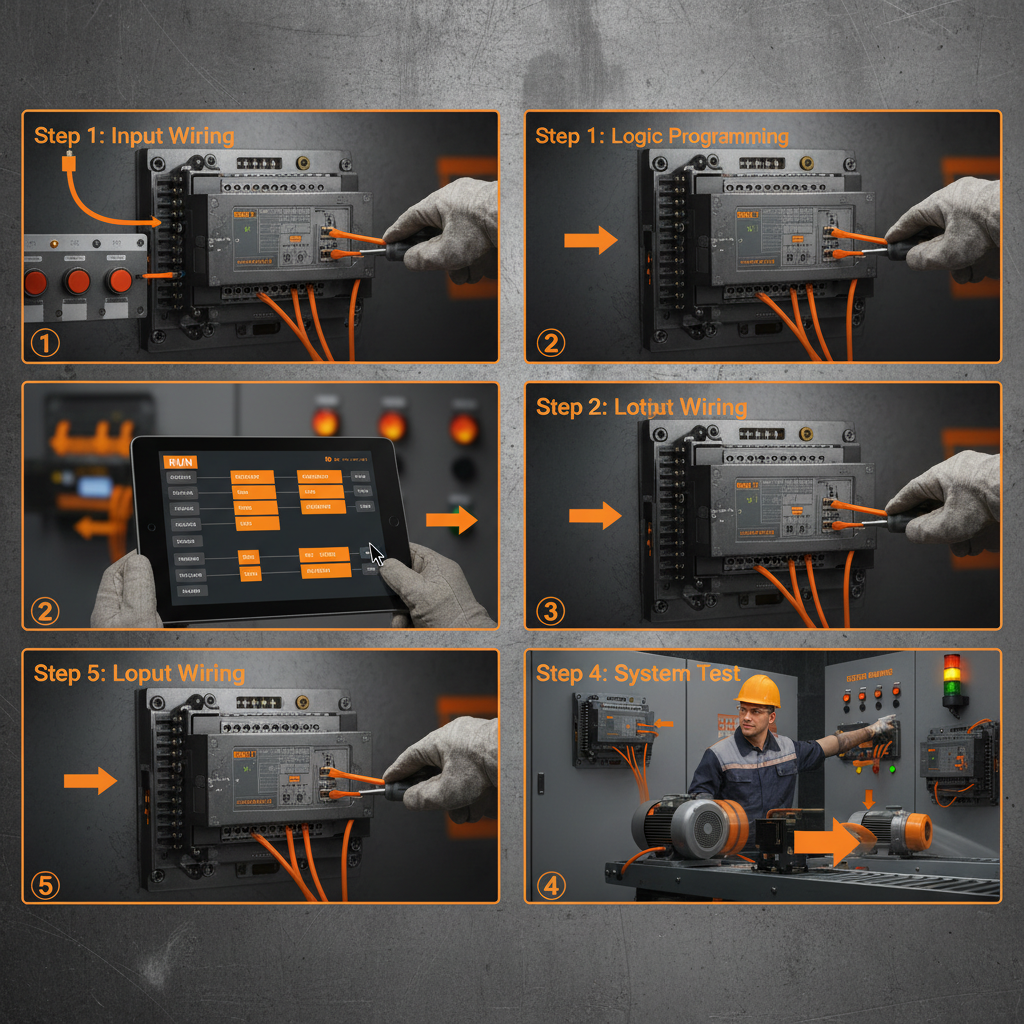
Training, vendor support, and smart maintenance contracts are recommended to maximize return. Many manufacturers offer turnkey solutions now, covering everything from design to commissioning — a big plus.
Product Specification Table: Typical VSD Variable Speed Drive
| Specification | Description |
|---|---|
| Power Range | 0.5 kW to 5,000 kW |
| Input Voltage | 380V to 690V AC (3-phase) |
| Control Method | V/f control, vector control, sensorless vector |
| Communication Protocols | Modbus, Profibus, Ethernet/IP |
| Protection Rating | IP21 to IP65 |
| Ambient Temp. Range | -10°C to 50°C |
Vendor Comparison Table: Leading VSD Variable Speed Drive Manufacturers
| Manufacturer | Power Range | Key Features | Typical Price Range |
|---|---|---|---|
| Siemens | 0.75 kW – 6,000 kW | Highly modular, broad communication options | $$$ |
| ABB | 0.37 kW – 4,000 kW | Robust builds, advanced diagnostics | $$$ |
| Schneider Electric | 0.18 kW – 2,200 kW | EcoStruxure integration, optimized energy saving | $$ |
| Tianjin Yongkai | 0.5 kW – 5,000 kW | Customizable, strong after-sales support | $–$$ |
FAQ: Your Questions About VSD Variable Speed Drives Answered
Q1: How much energy can a VSD variable speed drive realistically save?
A1: Savings vary by application but typically range from 20% to 50% depending on load variability. Processes with fluctuating demand, like pumps and fans, benefit the most. Over a few years, this can mean tens of thousands of dollars saved in electricity — plus a smaller carbon footprint.
Q2: Are VSDs complicated to install and maintain?
A2: While modern VSDs come with user-friendly interfaces, proper installation usually requires professional expertise to optimize parameters and avoid issues like harmonic distortion. Regular maintenance involves simple checks and keeping firmware updated — quite manageable with the right support.
Q3: Can VSDs be retrofitted to older motor systems?
A3: Definitely. Many plants retrofit legacy motors with VSDs to boost efficiency without replacing entire setups. It’s a cost-effective way to modernize equipment and comply with new energy standards.
Q4: Do VSDs help reduce mechanical wear on motors?
A4: Yes, by providing soft starts and smooth acceleration, VSDs reduce mechanical and electrical stress. This extends motor life and decreases downtime from unexpected breakdowns.
Q5: What industries benefit most from VSD technology?
A5: Virtually all industries can benefit, but especially manufacturing, water treatment, HVAC, mining, agriculture, and energy. Anywhere motor speed control translates to energy savings or process optimization, VSDs add value.
Wrapping It Up: Embrace the Smart Drive Forward
To put it mildly, adopting a vsd variable speed drive is one of those smart industrial moves that pays off handsomely in the long run — cutting costs, safeguarding planet resources, and powering smoother, safer operations. The technology is mature, well-supported, and increasingly essential.
Curious to learn more or ready to upgrade your industrial setup? Visit https://www.tianjinyongkai.com where you’ll find expert advice, customizable products, and solutions tailored to your needs.