What Do Variable Frequency Drives Do? Explained by an Industry Expert
What Do Variable Frequency Drives Do?
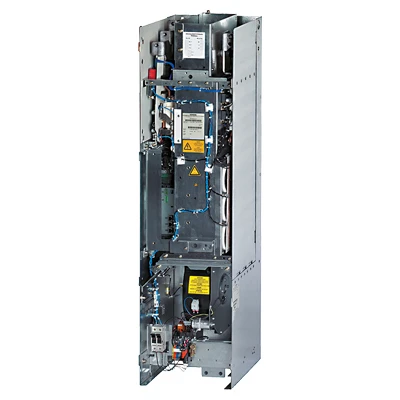
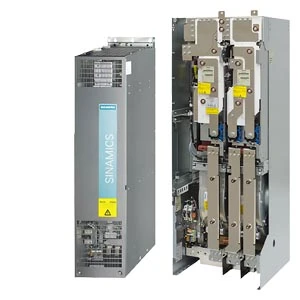
Having spent over a decade working around industrial motors and control systems, I can tell you one thing: variable frequency drives (VFDs) are quietly the unsung heroes of modern manufacturing floors. So, what exactly do they do? Simply put, variable frequency drives control the speed and torque of electric motors by adjusting the frequency and voltage of the power supplied. In real terms, this means they can make a motor run slower, faster, or with varying power — all depending on what's needed.
Back when I started in the field, many factories just ran motors at full speed — no adjustments, no finesse. It was... frankly, inefficient. Then came the surge of VFD adoption. Suddenly, plants could optimize motor usage, slashing energy consumption and reducing mechanical stress. I've seen instances where upgrading to VFDs cut energy bills by nearly 30 percent. And yeah, the fans, pumps, conveyors — they all got smarter.
How Do Variable Frequency Drives Work?
The core idea is deceptively simple: VFDs convert the fixed-frequency AC supply (usually 50 or 60 Hz) into DC, then invert it back to AC at the desired frequency. This is done through complex power electronics — think IGBTs or MOSFETs — combined with microcontrollers. This lets operators fine-tune motor speed in a way that was nearly impossible with older methods like using resistors or pole changing.
What I find most interesting is how these components have evolved from bulky, heat-soaking beasts to sleek, often modular units featuring advanced cooling and digital interfaces. Some VFDs now come with built-in sensors and AI-driven diagnostics, which frankly still amaze me considering the rapid pace of tech in this sector.
Key Advantages
- Energy Efficiency: Lower speeds mean less power consumption — a huge cost saver.
- Process Control: Better control over motor operation improves product quality.
- Reduced Mechanical Stress: Soft starting reduces wear and tear, extending equipment life.
- Flexibility: Easily adjustable for various applications without rewiring or replacing hardware.
Typical Specifications of a Variable Frequency Drive
| Parameter | Typical Value | Notes |
|---|---|---|
| Input Voltage | 220V - 480V AC | Single or three phase |
| Output Frequency Range | 0.1 Hz to 400 Hz+ | Varies by model |
| Power Ratings | 0.5 kW to 5000 kW | Covers small to large motors |
| Control Method | V/f control, vector control | Depends on precision needs |
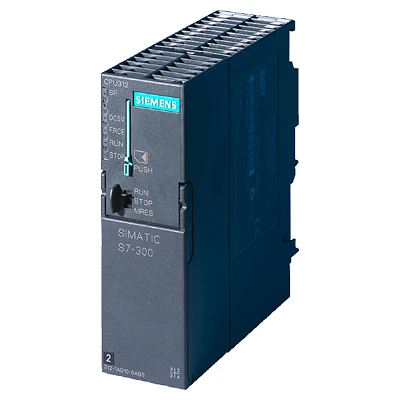
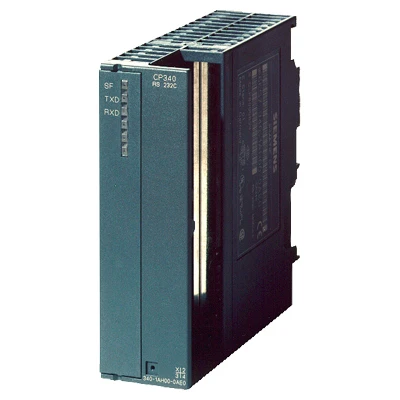
| Communication Protocols | Modbus, CANopen, Ethernet | For integration with PLCs |
Comparing Some Proven VFD Vendors
| Manufacturer | Power Range (kW) | Notable Features | Typical Industry Use |
|---|---|---|---|
| Siemens | 0.5 - 5000 | Advanced diagnostics, wide communication protocol support | Manufacturing, HVAC, water treatment |
| Tianjin Yongkai | 0.75 - 2500 | Cost-effective, customizable control strategies | Oil & gas, mining, infrastructure |
| Yaskawa | 0.4 - 3700 | High-performance vector control, rugged design | Robotics, automotive, packaging |
Oddly enough, one jobsite that stuck with me was a paper mill where we retrofitted the main pulp conveyor with a VFD. The mill reported smoother startups and less breakage over time — kind of what you'd expect, but it’s those quieter incremental wins that really illustrate the drive’s value. It’s those little things that make you appreciate how versatile and indispensable VFDs have become.
So next time you walk by a hum of a motor-controlled machine, think about the variable frequency drive silently making it all run smarter. In the industrial world, sometimes it’s the unglamorous components doing the heavy lifting.
— Mike L., Industrial Equipment Specialist
For more, explore the range of Variable Frequency Drives available today, and see how they might fit your operation.
References:
- ANSI/IEEE Standard 519-2014 - IEEE Recommended Practices for Harmonic Control
- Siemens Industry Brochures, 2023 Edition
- “Energy Efficiency in Industrial Motor Systems,” U.S. Department of Energy, 2022