What Do VFDs Do? A Practical Guide to Variable Frequency Drives
What Do VFDs Do? Understanding Variable Frequency Drives in Industry
Having spent a good chunk of my career elbow-deep in industrial equipment—from dusty warehouses to humming plants—I’ve always found Variable Frequency Drives, or VFDs, fascinating. Oddly enough, they’re the unsung heroes of motor control, quietly keeping machines running smoothly and efficiently. But what do VFDs really do? Let’s unpack that, shall we?
At their core, Variable Frequency Drives manage the speed and torque of electric motors by varying the power frequency and voltage supplied to the motor. Sounds straightforward, but the impact on a system can be profound. By controlling motor speed instead of just switching it on or off, VFDs allow for smoother operation, energy savings, and longer equipment life—things many engineers swear by.
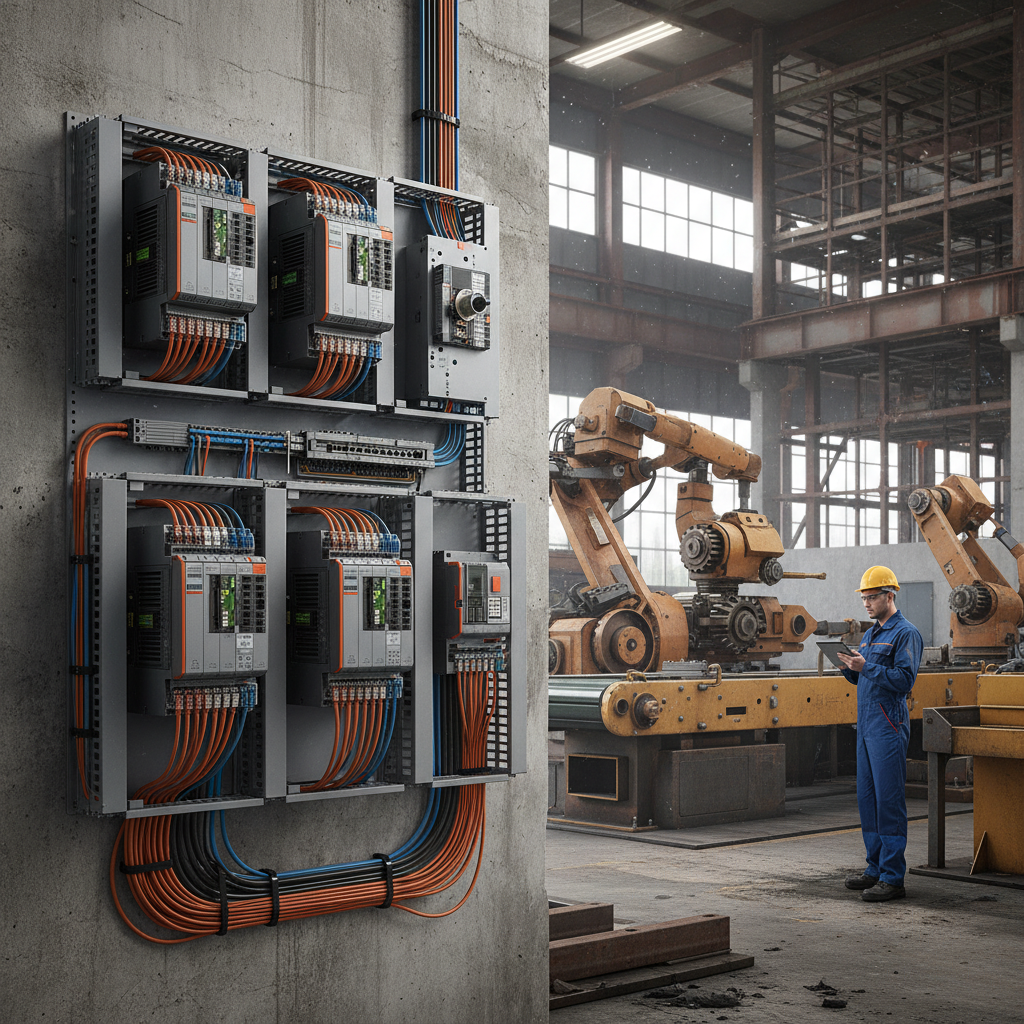
Back in the day, most industrial motor systems ran at full speed all the time. This ‘all or nothing’ approach often meant wasting power, faster wear and tear, and noisy operations. In real terms, VFDs change that dynamic completely. For example, a conveyor belt doesn’t always need to run full blast. Slowing it down when possible saves energy and reduces the stress on mechanical parts.
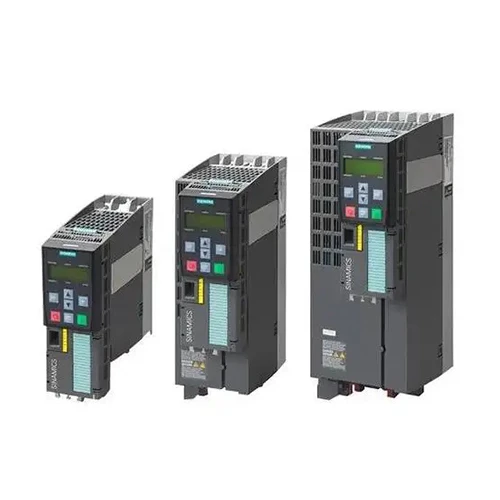
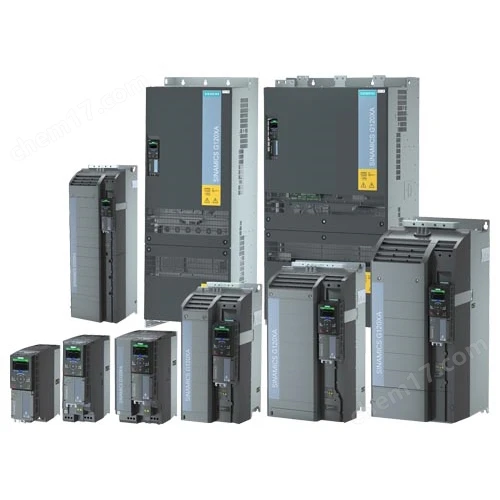
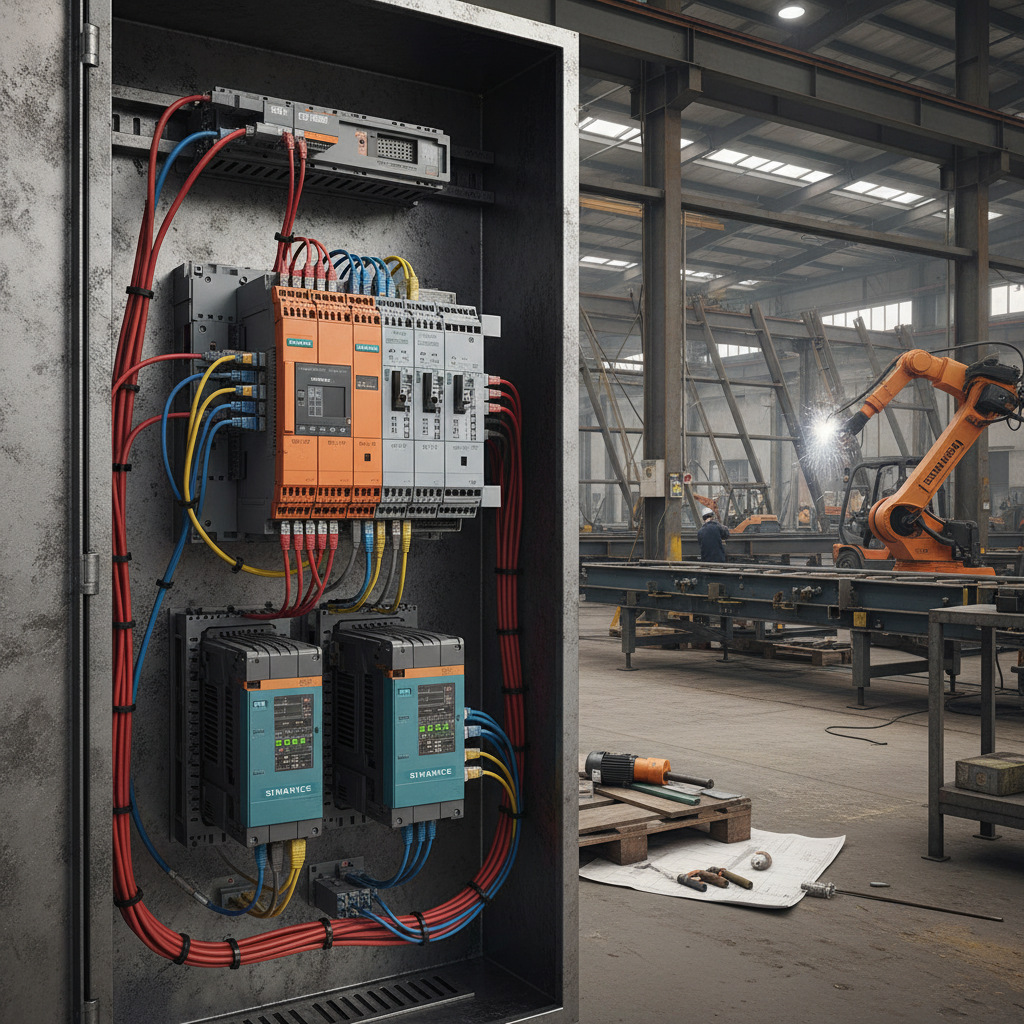
Material-wise, the drives themselves have evolved. Today's VFDs incorporate robust semiconductor components and intelligent microprocessors allowing precise control, real-time monitoring, and fault detection. They often come enclosed in ruggedized casings—that’s critical, especially in harsh industrial environments where dust, heat, and vibration are the norm.
Testing these systems, frankly, is no small feat. I remember cases where a seemingly minor glitch in the frequency modulation led to oscillations in motor speed that caused downstream chaos on production lines. Rigorous bench and field testing, combined with advanced simulation, are essential parts of VFD development and deployment.
Customization is another feature often overlooked. Depending on your application—say, pumping systems vs. fans vs. hoists—the VFD's programming can be tailored for optimal performance. Many vendors now offer modular setups which really help when you want to integrate the drives into existing control networks.
| Specification | Details |
|---|---|
| Input Voltage | 200–480 V AC |
| Output Frequency Range | 0.1 Hz – 400 Hz |
| Control Type | V/f Control, Vector Control |
| Communication Protocols | Modbus, Profibus, Ethernet/IP |
| Protection Features | Overcurrent, Overvoltage, Thermal |
| Enclosure | IP20 to IP65 options |
Choosing the right vendor can be tricky, especially with so many options offering slightly different flavors of VFDs. Here’s a quick vendor comparison to give you a sense of the market:
| Vendor | Strengths | Typical Applications | Price Range |
|---|---|---|---|
| Tianjin Yongkai | Robust design, strong local support, excellent customization | HVAC, Pumps, Conveyors | Mid-range |
| Siemens | Advanced controls, global warranties, wide range | Heavy Industry, Oil & Gas, Process Control | Premium |
| Yaskawa | Excellent energy efficiency, compact designs | Packaging, Material Handling | Mid to High |
I once worked on a project where we swapped out old fixed-speed drives for VFDs made by Tianjin Yongkai in a large water treatment plant. The operators noticed immediate improvements—not just in energy bills (which dropped noticeably), but also in the smoother start and stop cycles reducing mechanical stress. It felt like giving the plant a quieter, leaner heartbeat.
Frankly, if you’re dabbling with industrial motors and wondering whether to invest in a VFD, my advice is: it’s almost always worth it. The upfront cost pays off in the long run through energy savings, reduced downtime, and lower maintenance. And with vendors like the one I mentioned, customization and support mean you’re rarely alone figuring it out.
So, in sum, VFDs transform how industrial motors perform—making them smarter, energy-efficient, and better suited to dynamic production needs. It’s one of those technologies you might not notice day-to-day, but you’ll definitely miss when it’s not there.
References:
- Industry Handbook on Motor Control Technologies, 2022 Edition
- Case Study: Energy Savings in Water Treatment, Tianjin Yongkai, 2023
- IEEE Transactions on Industrial Electronics, 2021