What is a 2hp VFD Drive? Benefits, Applications & Top Vendors Explained
Understanding the 2hp VFD Drive: What It Is and Why It Matters Globally
In a world increasingly focused on energy efficiency and smart automation, the 2hp VFD drive quietly plays a significant role. If you’re not an engineer or an industrial tech specialist, the term might sound a bit cryptic—but stick with me. Simply put, a 2hp VFD (Variable Frequency Drive) drive is a device that controls the speed and torque of electric motors, specifically those rated at around 2 horsepower. Sounds mundane? Well, it’s actually essential in reducing energy consumption, improving process control, and even extending the life of machines worldwide.
Globally, as industries aim toward greener, smarter operations, understanding how these drives work—and what makes them valuable—could save millions in energy costs and emissions. From manufacturing plants in Germany to water treatment facilities in India, the 2hp VFD drive is quietly transforming operations.
Introduction: The Global Relevance of 2hp VFD Drives
According to the International Energy Agency (IEA), electric motors consume about 45% of global electricity usage in the industrial sector. A shocking bit of data, right? It means even small improvements in motor efficiency have massive potential in reducing carbon footprints. The 2hp VFD drive is often used to optimize these motors, adapting speeds without wasting energy.
However, many facilities still run motors at full speed unnecessarily, leading to costly energy waste. That’s where VFDs come in. Organizations from the UN industrial development programs to private companies see 2hp VFDs as an answer to operational inefficiencies—essentially a simple tech fix with broad impact.
What Exactly Is a 2hp VFD Drive?
At its core, a 2hp VFD drive controls an electric motor rated at 2 horsepower by varying the frequency and voltage supplied. This allows precise motor speed adjustments instead of just “on” or “off.” The technology emerged as energy demands and automation increased globally, providing industries with a way to fine-tune motor performance to the exact needs of any given process.
Nowadays, you find these drives in everything from HVAC systems and conveyor belts to water pumps and agricultural irrigation, vital for reducing unnecessary power use.
Core Components and Key Features of 2hp VFD Drives
Durability and Robustness
Since these drives often work in harsh industrial environments, their build needs to withstand temperature shifts, dust, and vibration. Many models have IP ratings up to IP54 or more, which means they resist dust and splashing water—quite important on noisy factory floors.
Energy Efficiency
This is, frankly, their biggest selling point. By adjusting motor speed to just what’s necessary, the drive reduces waste. Many users report energy savings of up to 30% or more depending on their setup.
Scalability and Integration
Modern 2hp VFD drives come with communication protocols like Modbus or Ethernet IP, allowing them to be integrated into centralized control systems. For industries pursuing Industry 4.0, this interoperability is a huge plus.
Cost Efficiency
Sure, there’s an initial upfront cost, but in real terms, the savings on energy bills and maintenance usually pay off quickly. Plus, the reduced mechanical wear means motors last longer — less downtime, less money wasted.
User-Friendly Interface
Let’s not forget, these drives often feature intuitive displays and programming options—making installation and routine adjustments manageable for technicians and operators alike.
| Feature | Specification |
|---|---|
| Power Rating | 2 Horsepower (1.5 kW) |
| Input Voltage | 200–240 VAC or 380–480 VAC |
| Output Frequency | 0 to 400 Hz |
| Control Method | V/Hz, Sensorless Vector control |
| Protection | Overcurrent, Overvoltage, Temperature |
| Communication | Modbus RTU, CANopen (optional) |
Where Are 2hp VFD Drives Used Globally?
This tech has found homes in myriad industries and regions, if you think about it. For example:
- Water management: Municipal water treatment plants in South America use 2hp VFDs to regulate pump speeds, optimizing energy consumption and ensuring steady water supply.
- Manufacturing: European automotive factories integrate these drives for conveyor systems, blending speed control with precision assembly tasks.
- Agriculture: In Australia and Africa, VFD drives support irrigation pumps, allowing farmers to fine-tune water usage—crucial in drought-prone areas.
- HVAC Systems: Globally, commercial buildings adopt 2hp VFD drives in ventilation and air conditioning to reduce unnecessary motor strain and save energy.
In fact, NGOs and UN agencies involved in disaster relief have noted the importance of these drives in setups for clean water provision and temporary power generation. It’s oddly satisfying to realize such a small device contributes in those scenarios.
Vendor Comparison: Popular 2hp VFD Drive Providers
| Vendor | Price Range | Warranty | Features | Global Support |
|---|---|---|---|---|
| Siemens | $$$ | 3 years | Advanced sensorless vector control | Extensive |
| ABB | $$$ | 3 years | Modbus, Ethernet enabled options | Extensive |
| Tianjin Yongkai 2hp vfd drive | $–$$ | 2 years | User-friendly, cost-effective | Growing |
| Delta Electronics | $$ | 2 years | Compact design, easy installation | Global |
Advantages & Long-Term Value of 2hp VFD Drives
Owners of these drives often highlight the immediate and long-lasting value. Firstly, the energy savings means operational costs drop—and when running dozens or hundreds of motors, that adds up fast. Maintenance costs go down too, because soft motor starting reduces mechanical stress.
There’s also a sustainability angle: cut energy use, reduce carbon emissions. Industrial companies increasingly report these drives help meet ISO 50001 energy management standards. Emotionally, you get a sense you’re doing “the right thing” for your business, the planet, and future generations.
Emerging Trends & The Future of 2hp VFD Drives
Looking ahead, the technology isn't standing still—far from it. We’re seeing smarter VFDs with built-in predictive maintenance algorithms that anticipate failures before they happen. Integration with IoT platforms provides real-time feedback, allowing tweaks to optimize motor performance continuously.
Green energy trends also matter: many drives now adapt to supply variability when paired with solar or wind arrays. In fact, the rise of renewable microgrids means the market for compact, efficient drives like the 2hp VFD may expand rapidly in coming years.
Challenges & Practical Solutions
Of course, it’s not all smooth sailing. Some challenges remain—like initial cost barriers for small firms or limited dealer support in remote regions. Harmonic distortion, a side effect of VFDs, can also impact sensitive equipment if not properly managed.
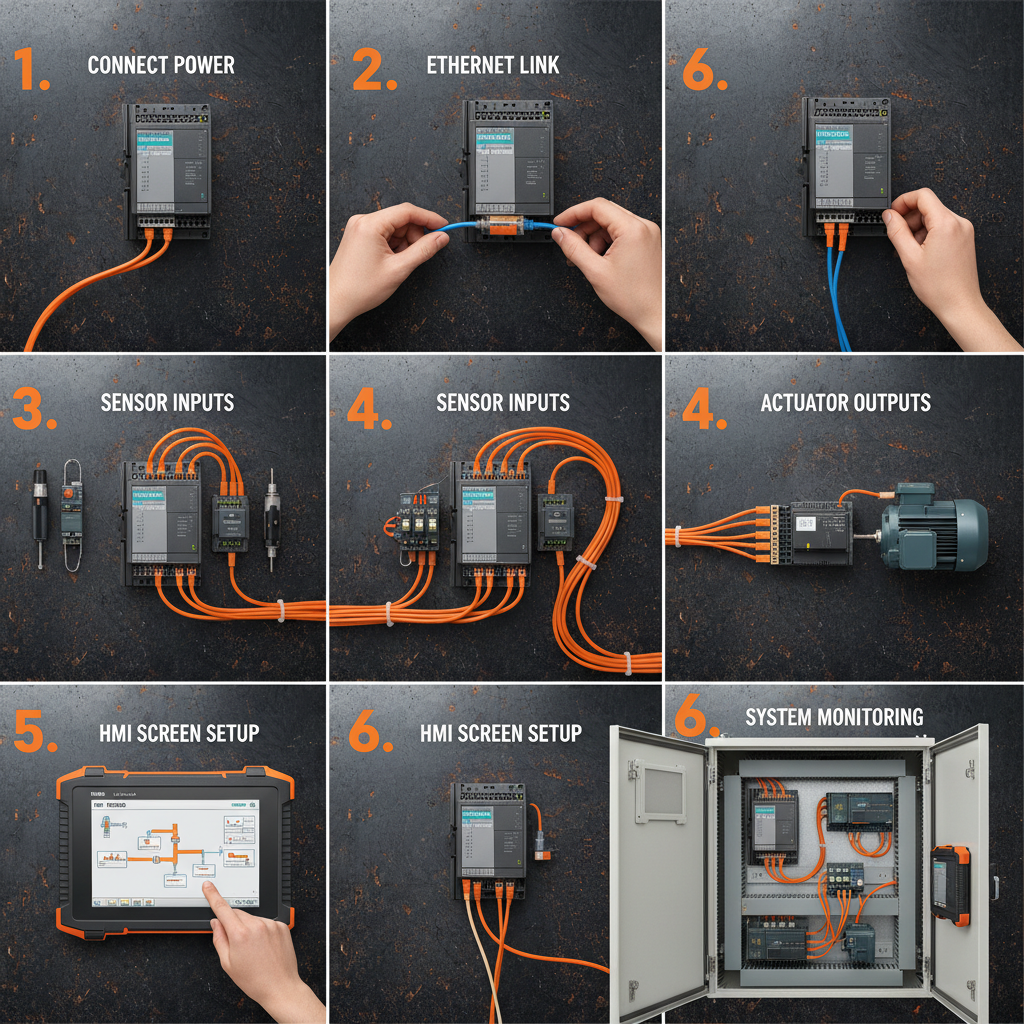
Experts recommend combining VFDs with appropriate filters and investing in staff training—making sure the team understands installation, operation, and troubleshooting. Step-by-step implementation and selecting vendors with strong after-sale service usually minimize issues.
FAQ: Frequently Asked Questions About 2hp VFD Drives
- Q: Can a 2hp VFD drive be used with any motor?
A: Generally, yes, if the motor rating is around 2 horsepower and compatible voltage. However, check the motor specifications for insulation class and compatibility with VFD to avoid damage. - Q: How much energy can I realistically save with a 2hp VFD drive?
A: Savings vary by application, but users often reduce electricity consumption by 20–30%, especially in variable-load scenarios like pumps and fans. - Q: Are 2hp VFD drives difficult to install?
A: Installation complexity depends on the model. Many modern drives come with user-friendly interfaces and detailed manuals, and a qualified electrician usually ensures smooth setup. - Q: Is it possible to retrofit an existing motor with a 2hp VFD drive?
A: Yes, one of the great things about VFDs is retrofitting. You can often add a VFD to an existing motor system to improve efficiency without needing new motors. - Q: Where can I find reliable 2hp VFD drive suppliers?
A: Established manufacturers like Siemens, ABB, and delta Electronics are examples. Also, specialized vendors such as Tianjin Yongkai provide cost-effective options with growing global service networks.
Conclusion: Embrace the Efficiency of 2hp VFD Drives
In summary, 2hp VFD drives may seem like small pieces in the vast mosaic of industrial tech—but frankly, their impact is tangible. From lowering energy bills and improving machine reliability to helping industries meet global sustainability goals, these drives are a quietly powerful solution.
If you’re considering optimizing your operations with efficient motor control, I suggest checking out available 2hp VFD drives. The long-term savings and environmental benefits alone are worth it.
Takeaway: A 2hp VFD drive isn’t just a tech component — it’s an investment in efficiency, sustainability, and future readiness.