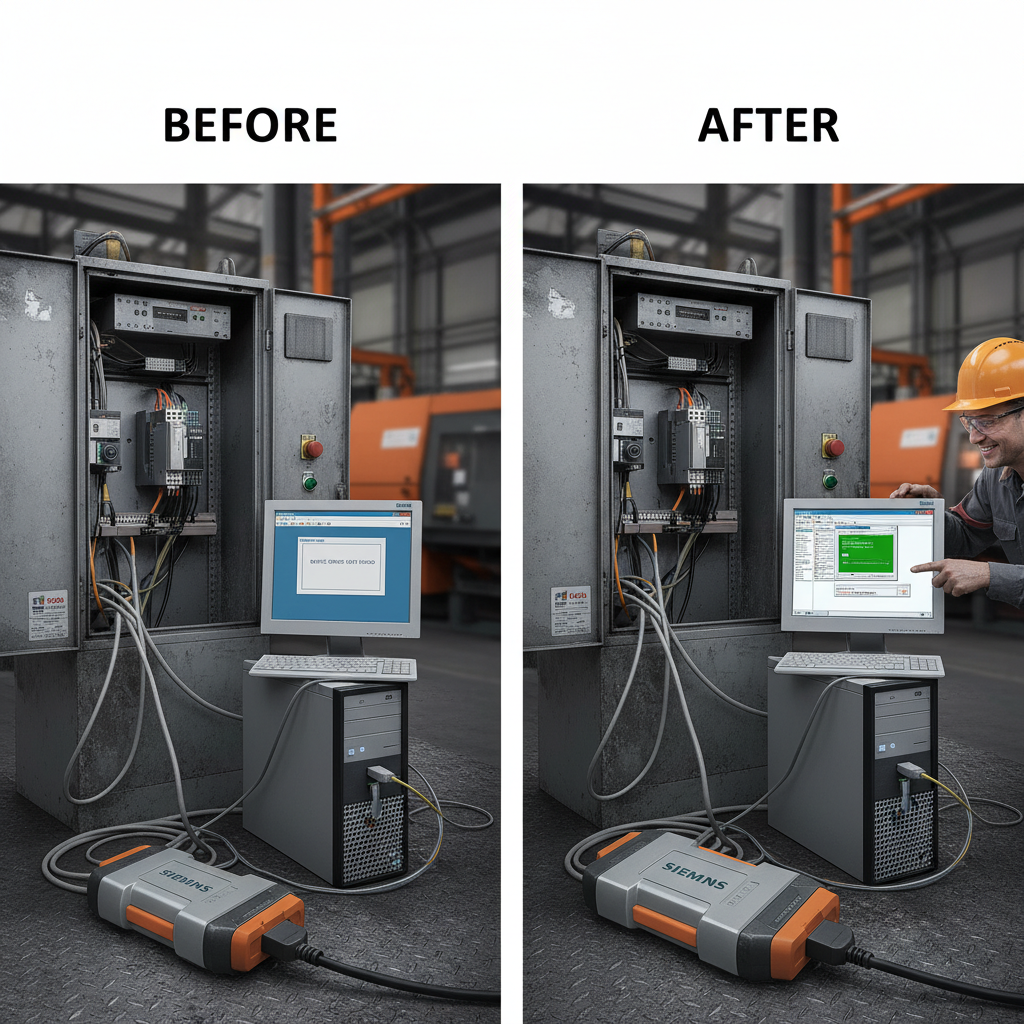
What is the Main Function of a VFD? | Industrial Motor Control Explained
What is the Main Function of a VFD?
Working in the industrial equipment sector for years, I’ve come to appreciate how Variable Frequency Drives, or VFDs, have transformed motor control. At its core, the main function of a VFD is deceptively simple: it controls the speed and torque of an AC motor by varying the frequency and voltage of the electrical power supplied to it. This might sound a bit dry on paper, but in real terms, it means you get precise control over machines, from pumps to conveyors—and that control can save energy, reduce wear, and improve process quality.
Oddly enough, many people ask me if a VFD just acts as an on/off switch with speed control added, but it’s much more nuanced. A VFD adjusts the motor speed gradually, allowing industrial equipment to ramp up or slow down smoothly. This makes it indispensable for many applications where sudden jolts can cause mechanical stress or product defects.
I'll never forget one particular installation at a packaging plant where switching to VFDs improved throughput significantly. The plant’s older machines would surge forward abruptly, leading to frequent jams. Once the VFDs were installed, operators reported smoother line speeds and less downtime. It’s little things like this that make me appreciate the technology.
Typical Product Specifications for a VFD
| Specification | Details |
|---|---|
| Voltage Range | 200 - 480 V AC |
| Output Frequency | 0 - 400 Hz |
| Control Method | V/F Control, Vector Control |
| Protection Features | Overcurrent, Overvoltage, Thermal |
| Communication Protocols | Modbus, CANopen, Ethernet/IP |
| IP Rating | IP20 to IP65 (varies) |
| Ambient Temperature | -10°C to 50°C |
What’s fascinating is how versatile these drives are. Depending on the application, you might pick one optimized for energy-efficiency, others for precise torque control, or even models that support complex diagnostics and cloud connectivity—a trend that’s only increasing as Industry 4.0 takes hold.
Comparing Popular VFD Vendors
| Vendor | Control Features | Communication | Price Range | Ideal For |
|---|---|---|---|---|
| Vendor A | Basic V/F, PID Control | Modbus | $500-$1500 | Small pumps, fans |
| Vendor B | Vector Control, Sensorless Feedback | Modbus, CANopen, Ethernet/IP | $1200-$4000 | Heavy-duty machinery, conveyors |
| Vendor C | High-precision vector, energy optimization | Ethernet/IP, Profinet | $2500-$6000 | Automated manufacturing lines |
From a user's standpoint, selecting the right VFD can feel like navigating a maze. But I noticed that focusing on the main function—adjusting motor speed to match process demand—helps narrow choices. Plus, compatibility with existing communication protocols and control systems often tips the scale.
One last thing: installation and technical support. Many engineers, myself included, count on vendors who provide thorough documentation and responsive service. Because a VFD isn’t just a box; it’s part of a system that needs fine-tuning to get the best results.
So, in summary: the main function of a VFD is speed and torque control of AC motors through variable frequency and voltage. It’s an elegant solution that brings efficiency and precision, making it indispensable in modern industrial processes. If you want to dive deeper, check out the options available at Tianjin Yongkai.
It feels like VFD technology will only become more pervasive as manufacturers chase smarter, greener production methods.
References:
- IEEE Transactions on Industrial Electronics, “VFD Controls and Applications,” 2021.
- “Energy Savings in Industrial Motors,” US Department of Energy.
- Vendor technical manuals from Tianjin Yongkai and industry partners.
— A seasoned industrial equipment specialist