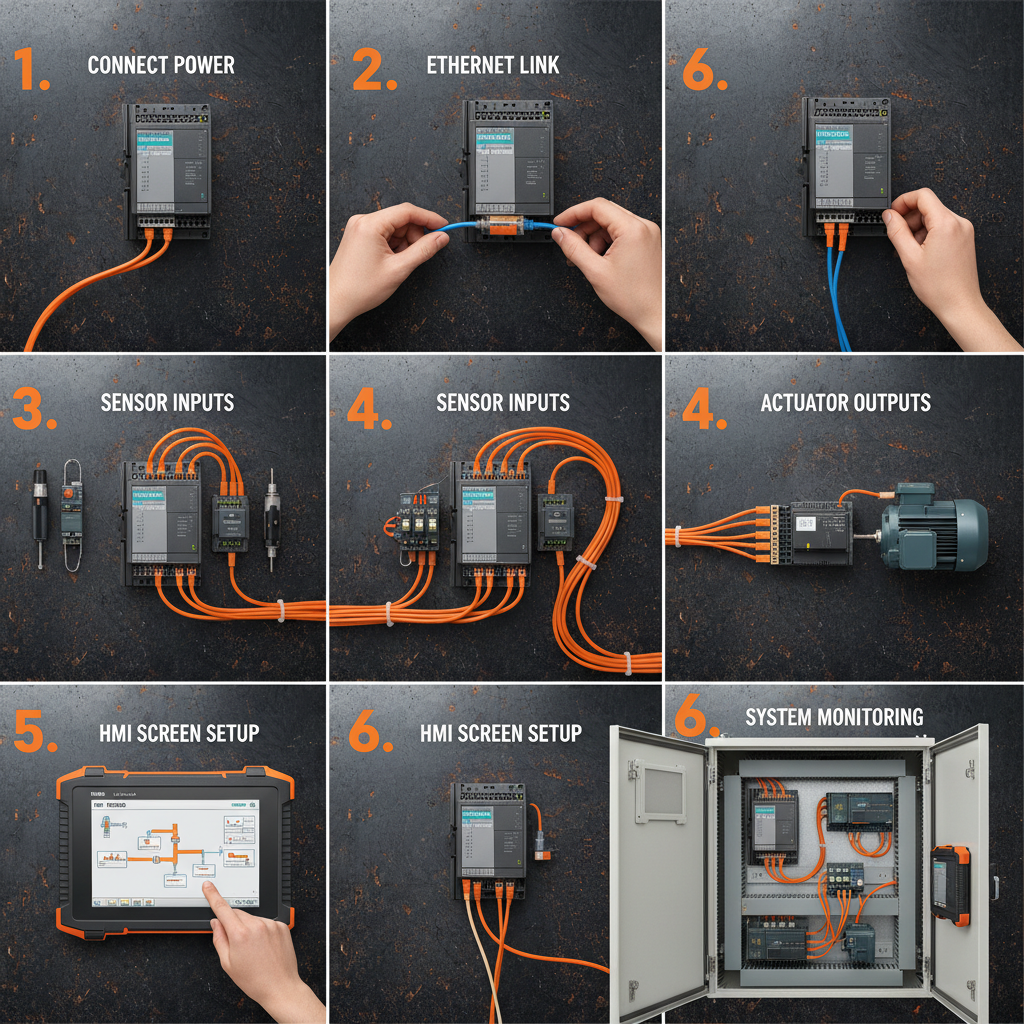
Comprehensive Guide to Siemens Ton Timers for Industrial Automation
Understanding the Siemens Ton Timer: A Comprehensive Guide
The Siemens ton timer is a crucial component in many industrial automation systems, offering precise timing solutions for a wide range of applications. This article provides a detailed overview of the Siemens ton timer, covering its functionality, types, applications, and factors to consider when selecting the right model. Whether you're an engineer, technician, or simply looking to learn more, this guide will equip you with the knowledge you need to effectively utilize this important device. Accurate timing is fundamental to efficient and safe industrial processes, and the Siemens ton timer plays a vital role in achieving this.
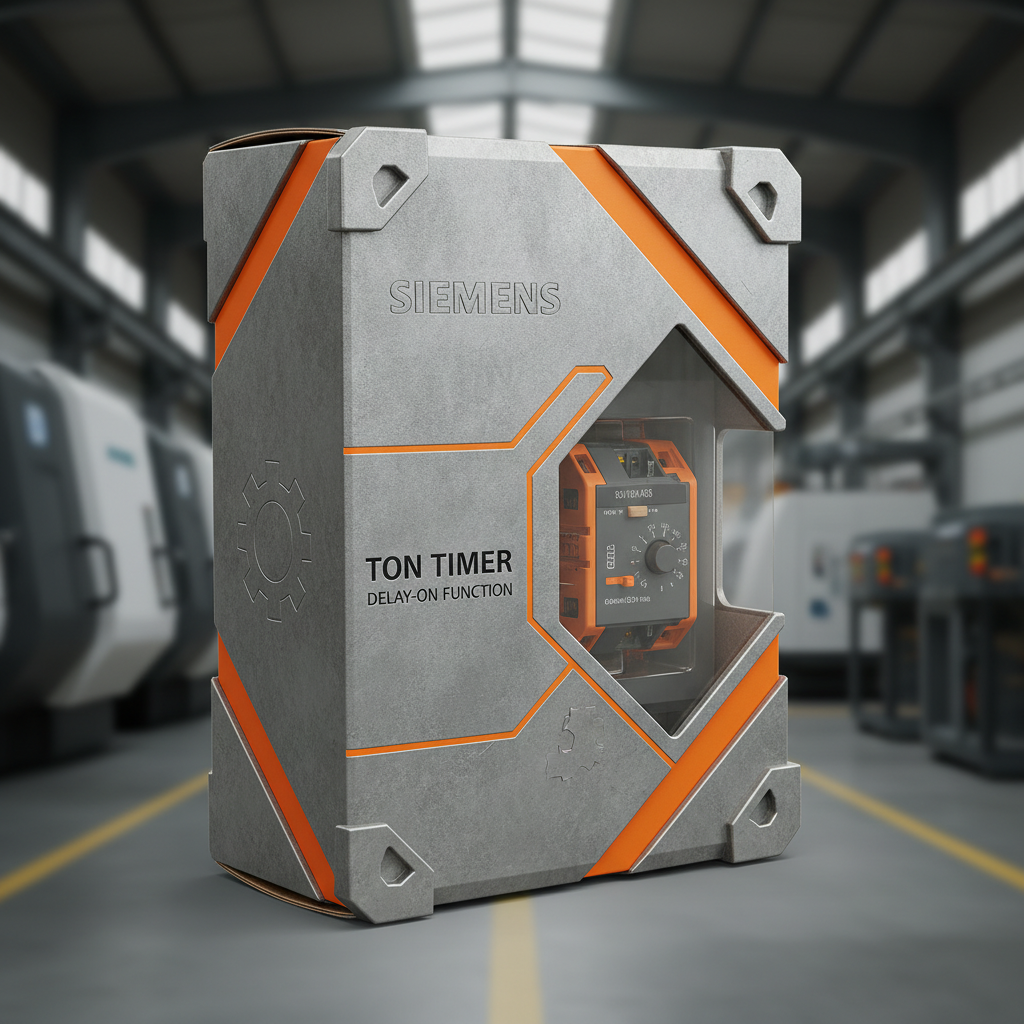
What is a Siemens Ton Timer and How Does it Work?
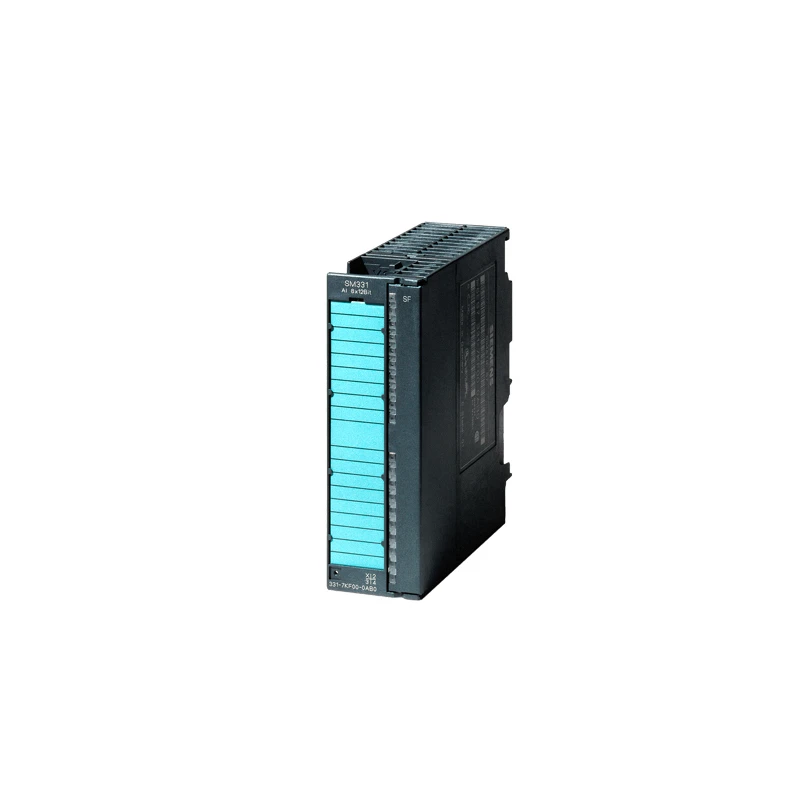
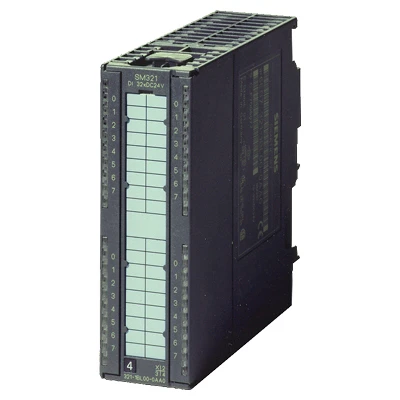
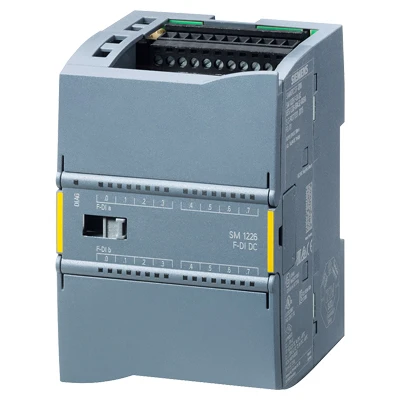
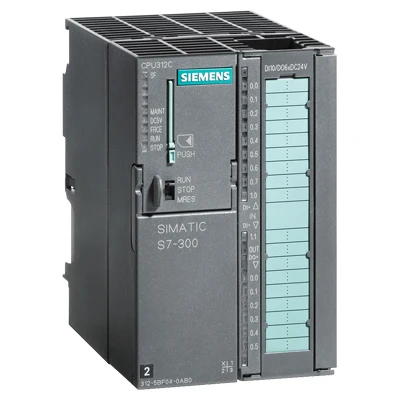
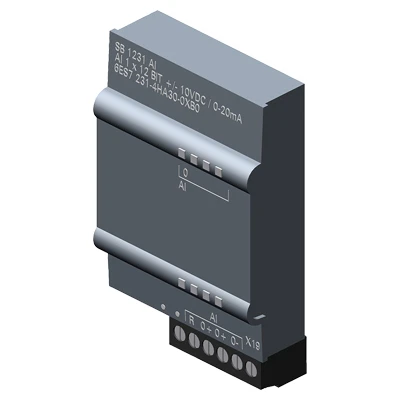
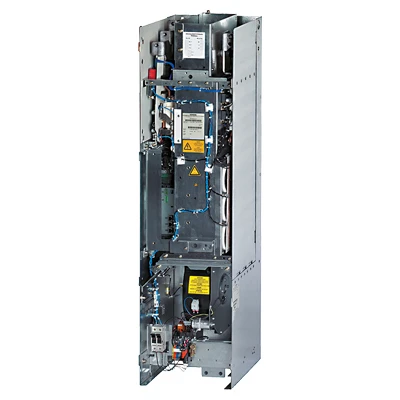
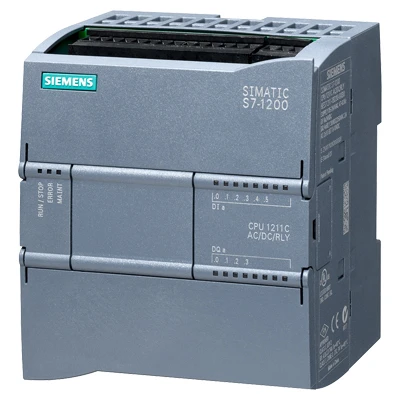
A Siemens ton timer, also known as a delay timer, is an electromechanical or electronic device used to introduce a time delay into an electrical circuit. It operates by initiating a timing cycle upon receiving a signal and then switching a contact after a preset time has elapsed. The timer typically consists of an input signal, a timing circuit, and an output relay. The input signal triggers the timer to start, the timing circuit measures the elapsed time, and the output relay activates or deactivates a circuit based on the set delay. Siemens offers a variety of ton timers, each designed for specific voltage, timing range, and application requirements. You can explore the full range of Siemens ton timers at Tianjin Yongkai.
Key Features: Precise timing, adjustable delay settings, durable construction, and compatibility with Siemens automation systems.
Types of Siemens Ton Timers
Siemens offers several types of ton timers to meet diverse industrial needs. These include:
- On-Delay Timers (TON): These timers activate their output after a preset delay following the application of the input signal.
- Off-Delay Timers (TOF): These timers maintain their output state for a preset delay after the input signal is removed.
- Pulse Timers (TP): These timers generate a pulse of a specific duration when triggered.
- Interval Timers (TI): These timers operate in a cyclical manner, switching between two states for preset durations.
The specific model selection depends on the application's timing requirements and control logic. Understanding the different timer types is crucial for selecting the optimal solution for your automation system.
Timer Type Breakdown:
• TON: Activates output after a delay.
• TOF: Maintains output for a delay after signal removal.
• TP: Generates a pulse of a set duration.
• TI: Operates cyclically between two states.
Applications of Siemens Ton Timers
Siemens ton timers are widely used in various industrial applications, including:
- Process Control: Controlling the timing of valves, motors, and other process equipment.
- Material Handling: Sequencing conveyor systems and automated material transfer processes.
- Packaging Machinery: Coordinating timing sequences in packaging lines.
- Building Automation: Controlling lighting, HVAC systems, and other building services.
- Machine Control: Implementing timing functions in various types of machinery.
These timers enhance automation, improve efficiency, and ensure reliable operation in diverse industrial environments. Explore further applications and specific product offerings at Tianjin Yongkai's website.
Siemens Ton Timer Selection Criteria
Choosing the right Siemens ton timer requires careful consideration of several factors. Key considerations include the required timing range, input voltage, output contact type, and environmental conditions. You also need to determine whether an on-delay, off-delay, pulse, or interval timer is most appropriate for your application. It's also vital to consider the desired accuracy and repeatability of the timing function. Understanding these factors will ensure that you select a timer that meets your specific needs and operates reliably in your industrial environment.
Maintaining and Troubleshooting Siemens Ton Timers
Proper maintenance and timely troubleshooting are essential for ensuring the reliable operation of Siemens ton timers. Regularly inspect the timer for signs of damage, such as cracks, corrosion, or loose connections. Ensure that the timer is properly ventilated and protected from extreme temperatures and humidity. If a timer malfunctions, check the input signal, power supply, and output connections. Consult the Siemens documentation for specific troubleshooting procedures and error codes. Contacting a qualified technician is recommended for complex issues.
Conclusion: Optimizing Industrial Processes with Siemens Ton Timers
The Siemens ton timer is a versatile and reliable solution for a wide range of industrial timing applications. By understanding the different types, selection criteria, and maintenance procedures, you can effectively utilize these timers to optimize your automation systems and improve overall efficiency. Tianjin Yongkai is a trusted supplier of Siemens ton timers and related automation products.
Frequently Asked Questions (FAQs)
What is the difference between a TON and a TOF timer?
A TON (on-delay) timer starts its timing cycle when the input signal is applied and activates its output after a preset delay. Conversely, a TOF (off-delay) timer maintains its output state for a set duration after the input signal is removed. Essentially, a TON delays the activation of the output, while a TOF delays the deactivation of the output. Selecting the right type depends on whether you need a delay before or after a signal change. This distinction is critical in many automation sequences, ensuring precise control of processes.
How can I adjust the timing range on a Siemens ton timer?
The method for adjusting the timing range varies depending on the specific Siemens ton timer model. Many timers feature a potentiometer or DIP switch settings that allow you to select the desired timing range. Some advanced models may offer digital adjustment through a programming interface. Always refer to the product's datasheet or user manual for detailed instructions on adjusting the timing range. Incorrect adjustment can lead to inaccurate timing and potentially disrupt your automation process.
What safety precautions should I take when working with Siemens ton timers?
Always disconnect power to the circuit before working on a Siemens ton timer. Ensure that you are qualified and familiar with electrical safety procedures. Avoid touching live terminals and use insulated tools. Never attempt to repair a timer if you are not trained to do so. If you are unsure about any aspect of installation or maintenance, consult a qualified electrician or automation specialist. Safety should always be the top priority when working with electrical equipment.
Where can I find more information and purchase Siemens ton timers?
Detailed product information, datasheets, and user manuals for Siemens ton timers can be found on the Siemens website. You can also purchase Siemens ton timers and related automation components from authorized distributors like Tianjin Yongkai. They offer a wide selection of Siemens products and can provide expert technical support.