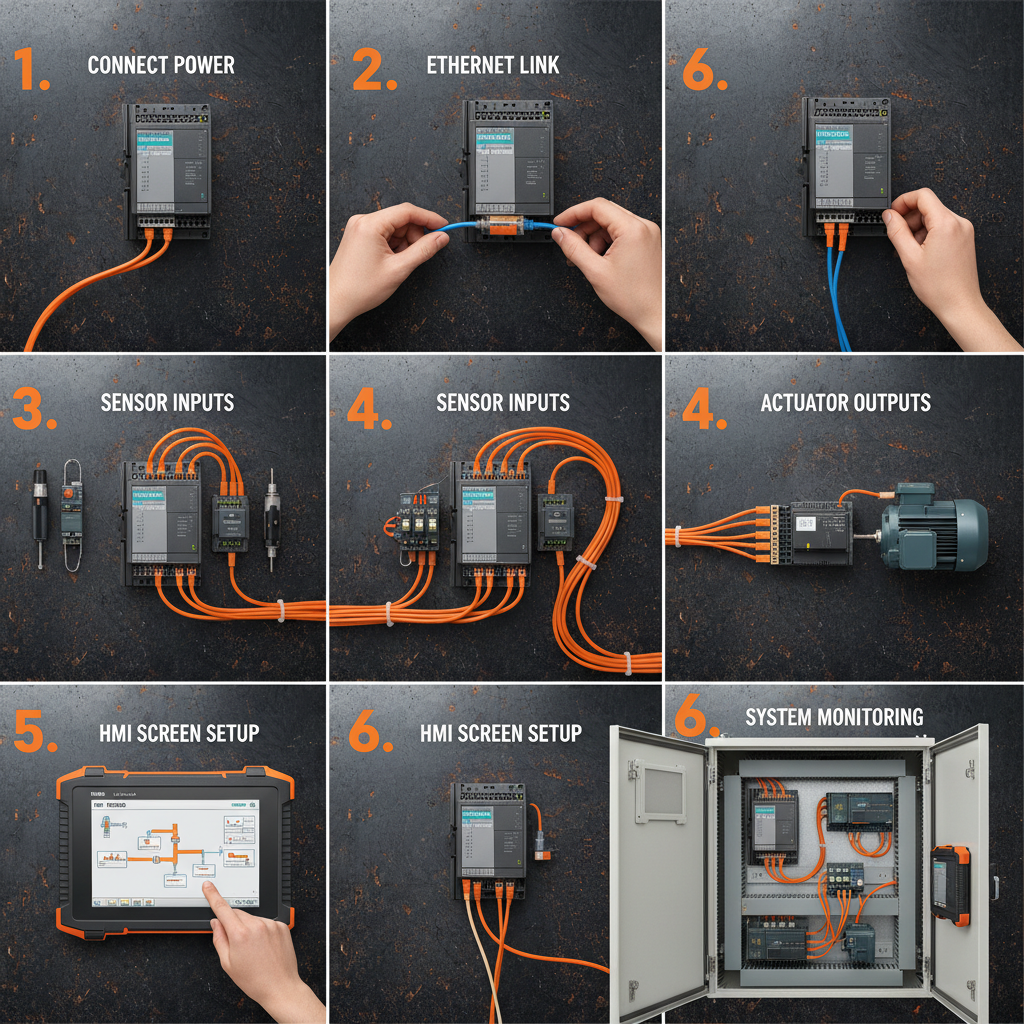
Comprehensive Guide to Siemens PLC Blocks for Industrial Automation
Siemens PLC Blocks: A Comprehensive Guide
Siemens Programmable Logic Controllers (PLCs) are renowned for their reliability and efficiency in industrial automation. At the heart of these systems lie the PLC blocks, pre-defined software modules that perform specific functions. Understanding these blocks is crucial for effective PLC programming and troubleshooting. This article provides an in-depth look at Siemens PLC blocks, their types, applications, and how Tianjinyongkai can assist you with your Siemens PLC needs. We'll explore the core components and provide insight into maximizing the capabilities of your Siemens PLC system.
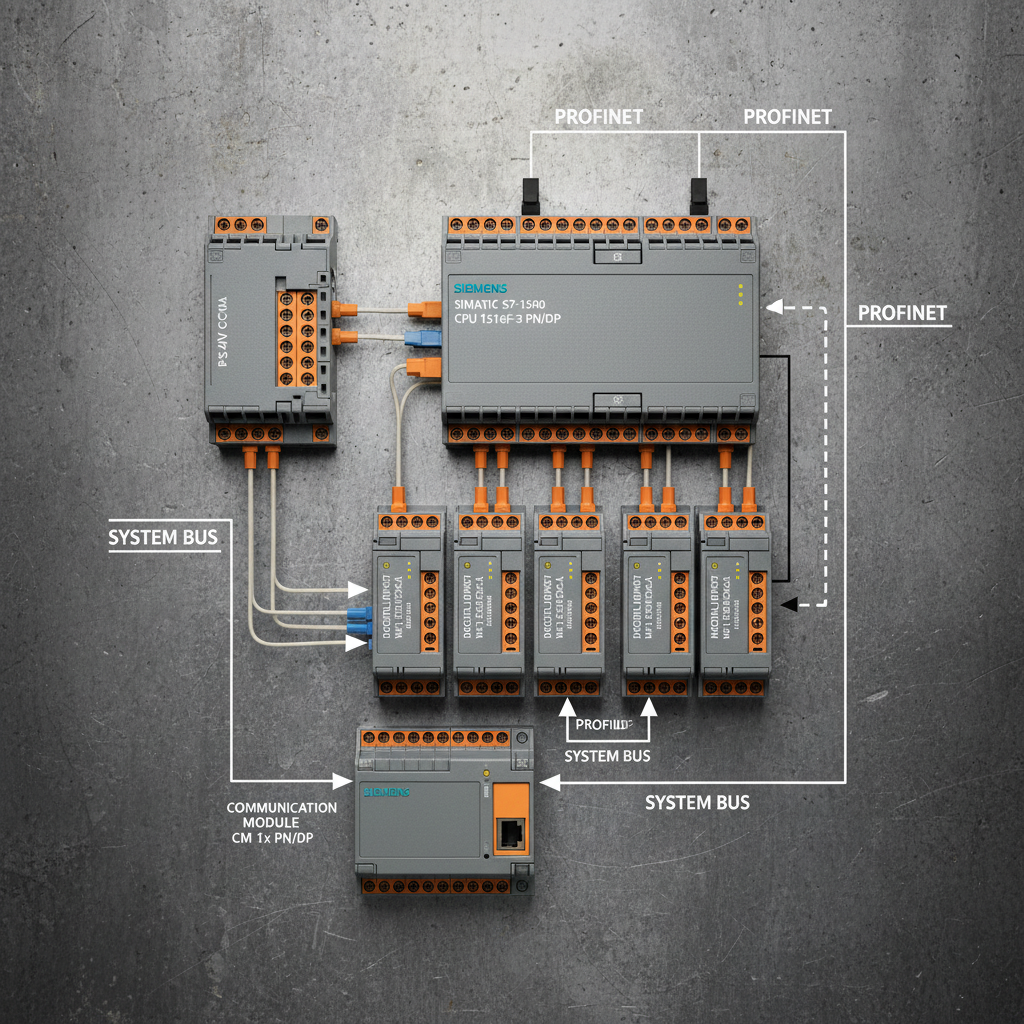
Understanding the Core Types of Siemens PLC Blocks
Siemens PLCs utilize several key block types, each designed for a specific purpose. These include Function Blocks (FB), Function (FC), Organization Blocks (OB), and Data Blocks (DB). Function Blocks (FB) retain data between cycles, making them ideal for complex, stateful operations. Functions (FC) do not retain data and are used for calculations and logic operations. Organization Blocks (OB) control the PLC’s overall operation, including startup, shutdown, and cyclic execution. Finally, Data Blocks (DB) store data used by other blocks. Properly selecting and configuring these blocks is fundamental to developing a robust and efficient PLC program. Effective use of these building blocks leads to modular and easily maintainable code.
Key Takeaway: Siemens PLC blocks are modular software components used to build automation programs. Different block types serve different purposes, from data storage to program control.
Function Blocks vs. Functions: Key Differences
Distinguishing between Function Blocks (FB) and Functions (FC) is vital. FCs are stateless, meaning they don't remember values from one scan cycle to the next. They’re perfect for performing calculations where the current input determines the output. FBs, however, possess both input/output and static variables, allowing them to store data between cycles. This makes them suitable for tasks like controlling motors, managing sequences, or maintaining process variables. Using the wrong block type can lead to unexpected behavior or inefficient code. Tianjinyongkai's experienced engineers can help you determine the optimal block type for your specific application.
FB vs. FC: A Quick Comparison
• FB: Stateful, retains data between cycles, ideal for complex control.
• FC: Stateless, no data retention, suited for calculations and simple logic.
Siemens PLC Block Applications in Industrial Automation
Siemens PLC blocks are utilized across a vast range of industrial applications. For instance, FBs are commonly used to implement PID control loops for temperature, pressure, or flow regulation. FCs are frequently employed for performing mathematical operations, data conversions, and signal processing. OBs orchestrate the entire PLC program execution, ensuring smooth and reliable operation. DBs store process parameters, historical data, and configuration settings. The modularity of these blocks promotes code reuse, simplifying development and maintenance. Our team at Tianjinyongkai possesses expertise in deploying these blocks across diverse industries.
Optimizing Siemens PLC Block Usage for Efficiency
Efficient PLC programming hinges on strategic block usage. Minimizing the number of blocks improves code readability and reduces processing overhead. Prioritize using standard library blocks whenever possible, as these are thoroughly tested and optimized by Siemens. Avoid unnecessary data transfers between blocks. Effective documentation is also crucial, clearly outlining the purpose and functionality of each block. Properly structured code simplifies troubleshooting and maintenance, leading to long-term operational savings. We offer PLC programming optimization services to help you maximize your system’s performance.
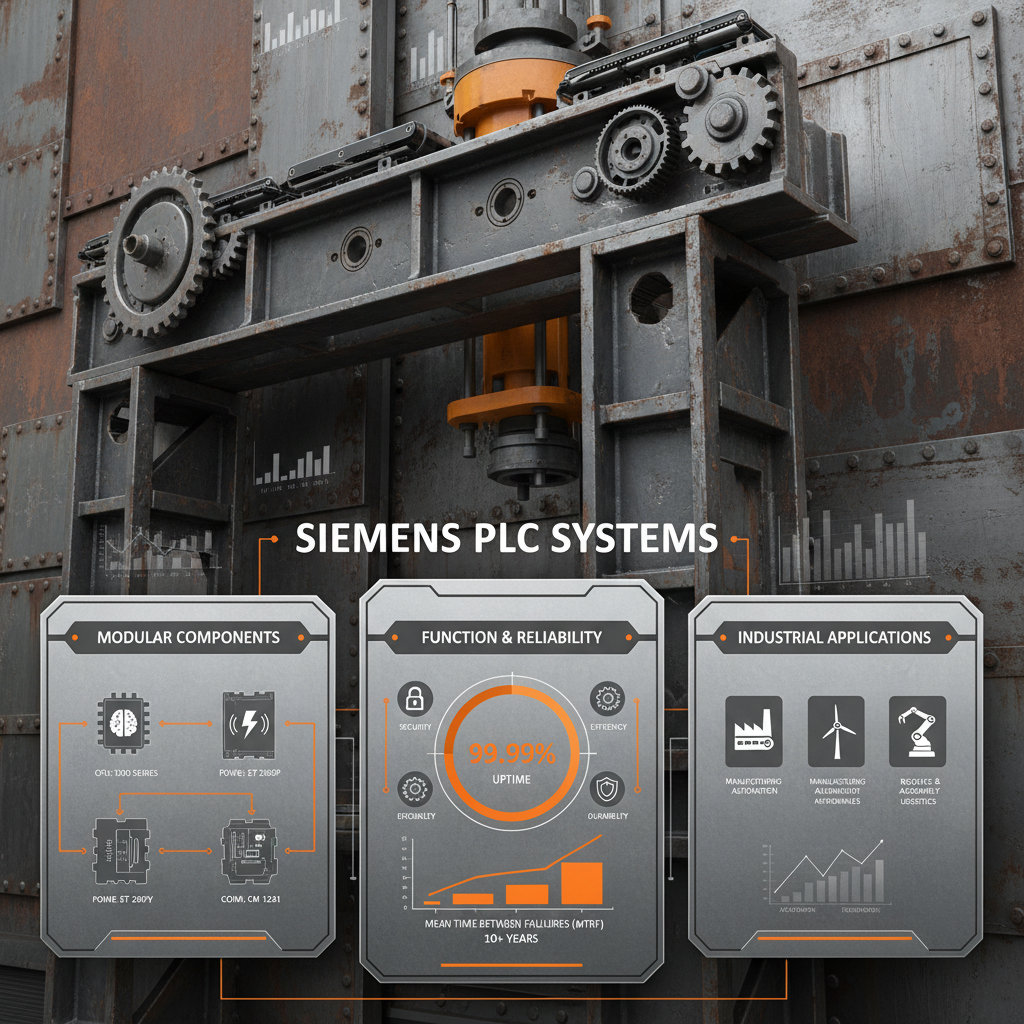
Navigating Siemens TIA Portal with PLC Blocks
The Siemens TIA Portal (Totally Integrated Automation Portal) provides a user-friendly environment for creating and managing PLC blocks. The portal offers a drag-and-drop interface, pre-built block libraries, and powerful debugging tools. Understanding the TIA Portal's features is essential for efficient PLC development. The integrated simulation capabilities allow you to test your code without connecting to physical hardware. Tianjinyongkai provides comprehensive training on Siemens TIA Portal and PLC block programming.
Conclusion: Mastering Siemens PLC Blocks for Automation Success
Siemens PLC blocks are the fundamental building blocks of modern industrial automation systems. Understanding their types, applications, and efficient usage is crucial for developing robust, reliable, and optimized PLC programs. Tianjinyongkai is your trusted partner for all your Siemens PLC needs, from programming and optimization to training and support. Don't hesitate to contact us to unlock the full potential of your automation system.
Frequently Asked Questions (FAQs)
What are the benefits of using Function Blocks (FBs) over Functions (FCs)?
Function Blocks (FBs) offer the distinct advantage of retaining data between scan cycles. This makes them ideal for applications requiring memory of previous states, such as controlling sequential processes or managing complex algorithms. Functions (FCs), on the other hand, are stateless and suitable for calculations where the output solely depends on the current input. The choice between FB and FC depends entirely on the specific application requirements. Using FBs can significantly simplify the logic and improve the efficiency of certain control systems by avoiding the need to constantly re-initialize variables.
How do Organization Blocks (OBs) control the PLC program execution?
Organization Blocks (OBs) dictate the overall flow of the PLC program. OB1 is typically the main cyclic program block that executes repeatedly. OBs such as OB8 (error handling) and OB100 (startup) are executed under specific conditions. OBs allow you to define the program’s behavior during startup, shutdown, error conditions, and normal operation. The correct configuration of OBs ensures the reliable and predictable execution of the PLC program.
Can Data Blocks (DBs) be used for communication between PLCs?
Yes, Data Blocks (DBs) are frequently used for data exchange between different PLCs within a distributed automation system. By defining shared DBs, PLCs can access and modify common data, enabling coordinated control and data synchronization. This is particularly useful in scenarios where multiple PLCs are responsible for different parts of a larger process. Our engineers have extensive experience in setting up and configuring PLC-to-PLC communication using DBs.
What resources does Tianjinyongkai offer for Siemens PLC block programming?
Tianjinyongkai provides a range of services to support your Siemens PLC block programming needs, including PLC programming, system integration, troubleshooting, and training. We offer customized solutions tailored to your specific application requirements. Our team of experienced engineers possesses in-depth knowledge of Siemens PLCs and TIA Portal, ensuring efficient and reliable automation solutions. We can also provide remote support and on-site assistance to address your challenges effectively.