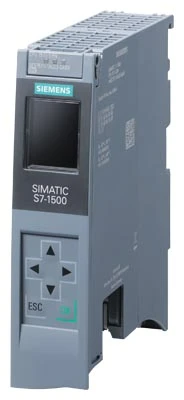
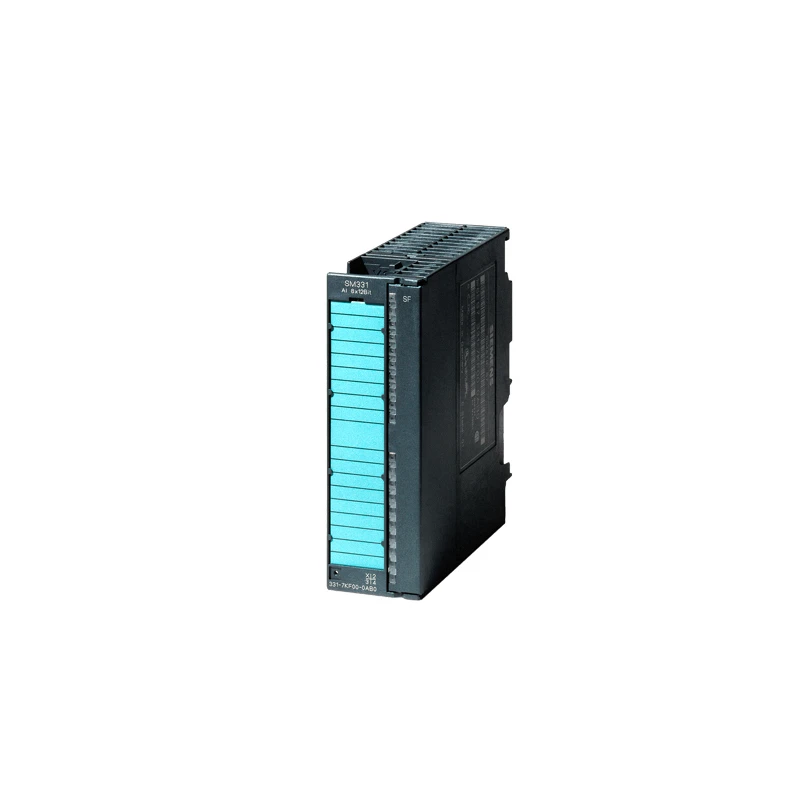
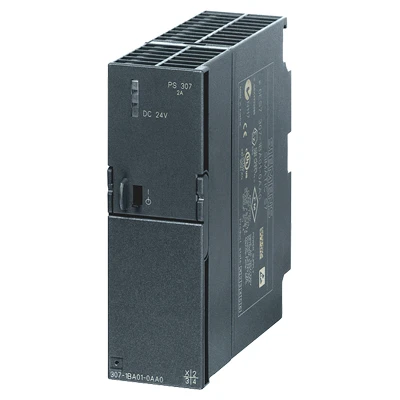
Standard CPU for Industrial Control | High-Performance
Standard Cpu is a key solution in the industry sector, specifically within Industrial Automation and automatic control system. This article explores how Tianjin Yongkai International Trade Co., Ltd. supports professionals with durable, high-performance products, and explains why this product is an ideal choice for businesses in these sectors.
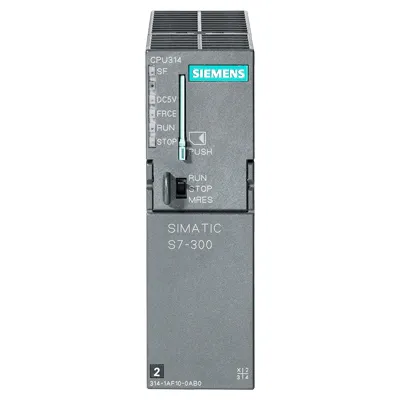
Table of Contents
- Standard Cpu Overview
- Benefits & Use Cases of Standard Cpu in automatic control system
- Cost, Maintenance & User Experience
- Sustainability & Market Trends in industry
- Conclusion on Standard Cpu from Tianjin Yongkai International Trade Co., Ltd.
Standard Cpu Overview
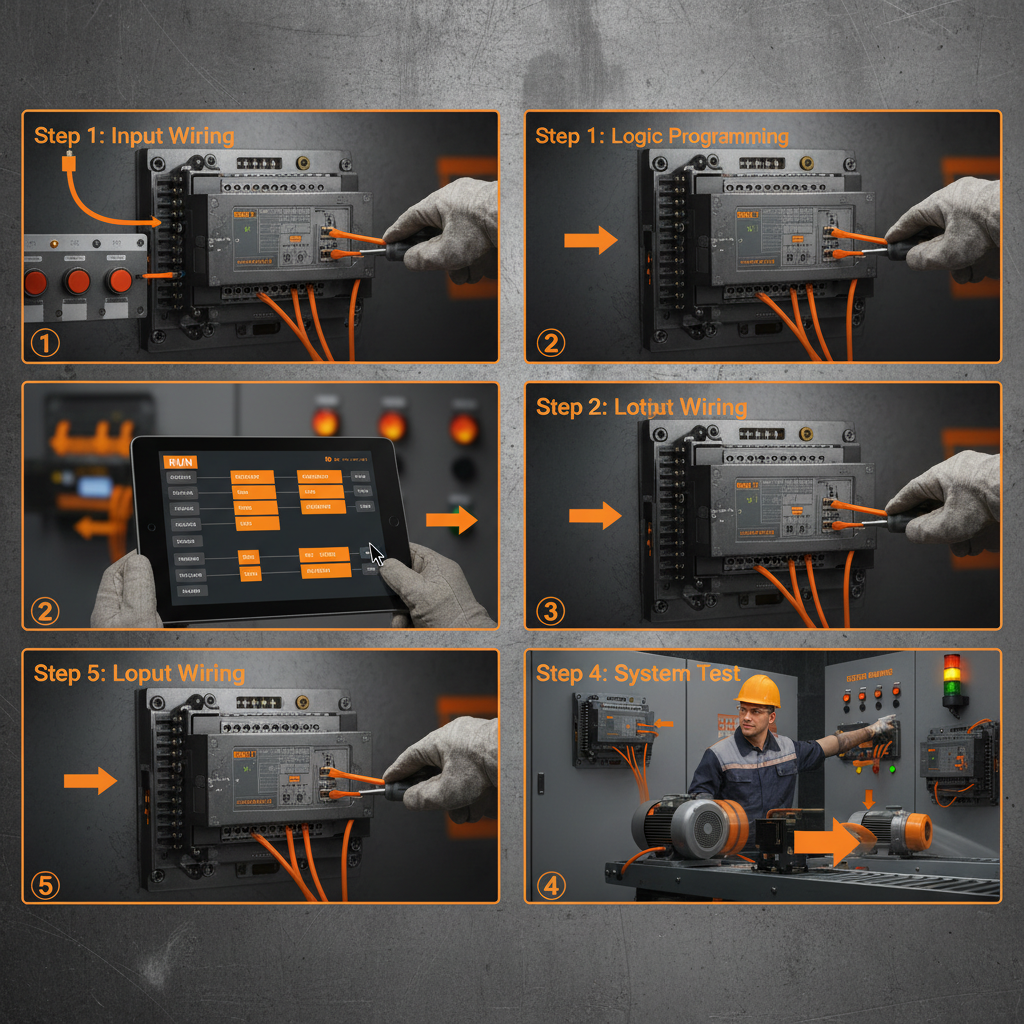
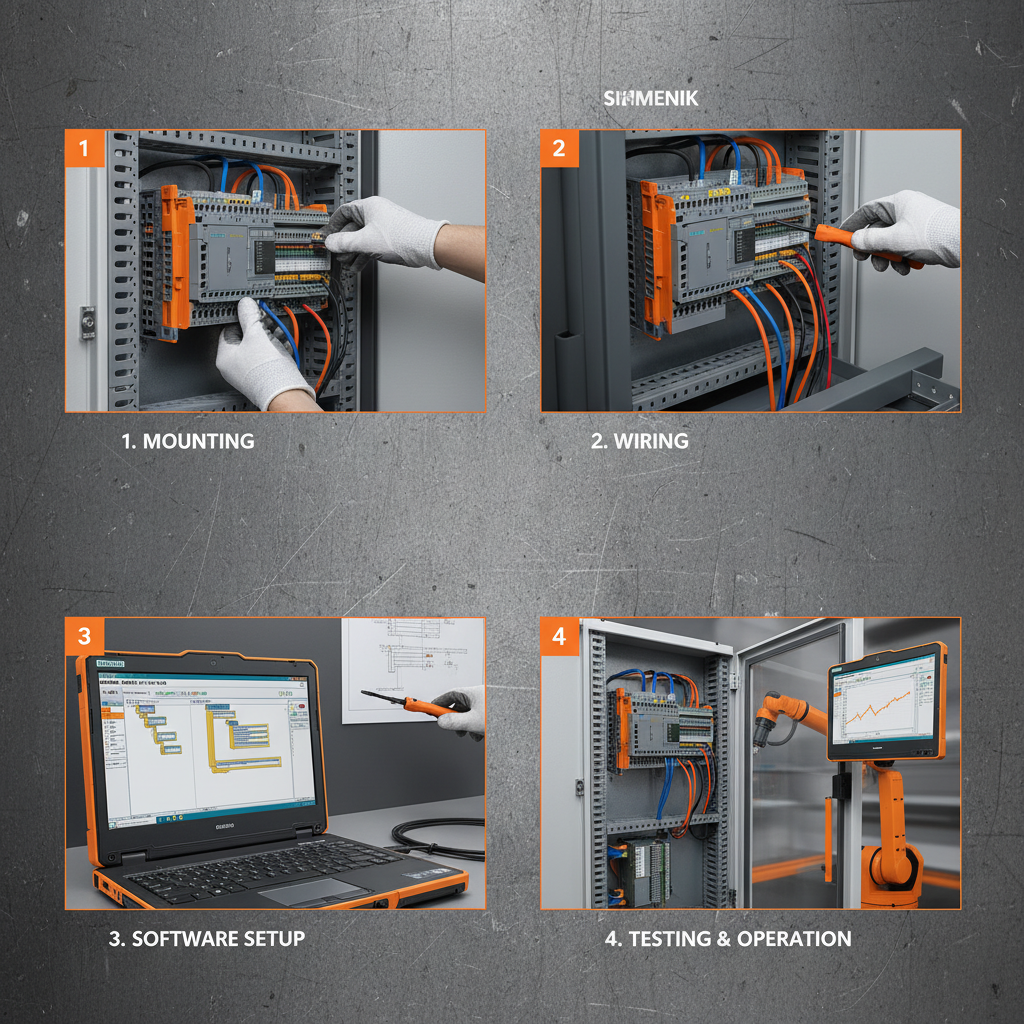
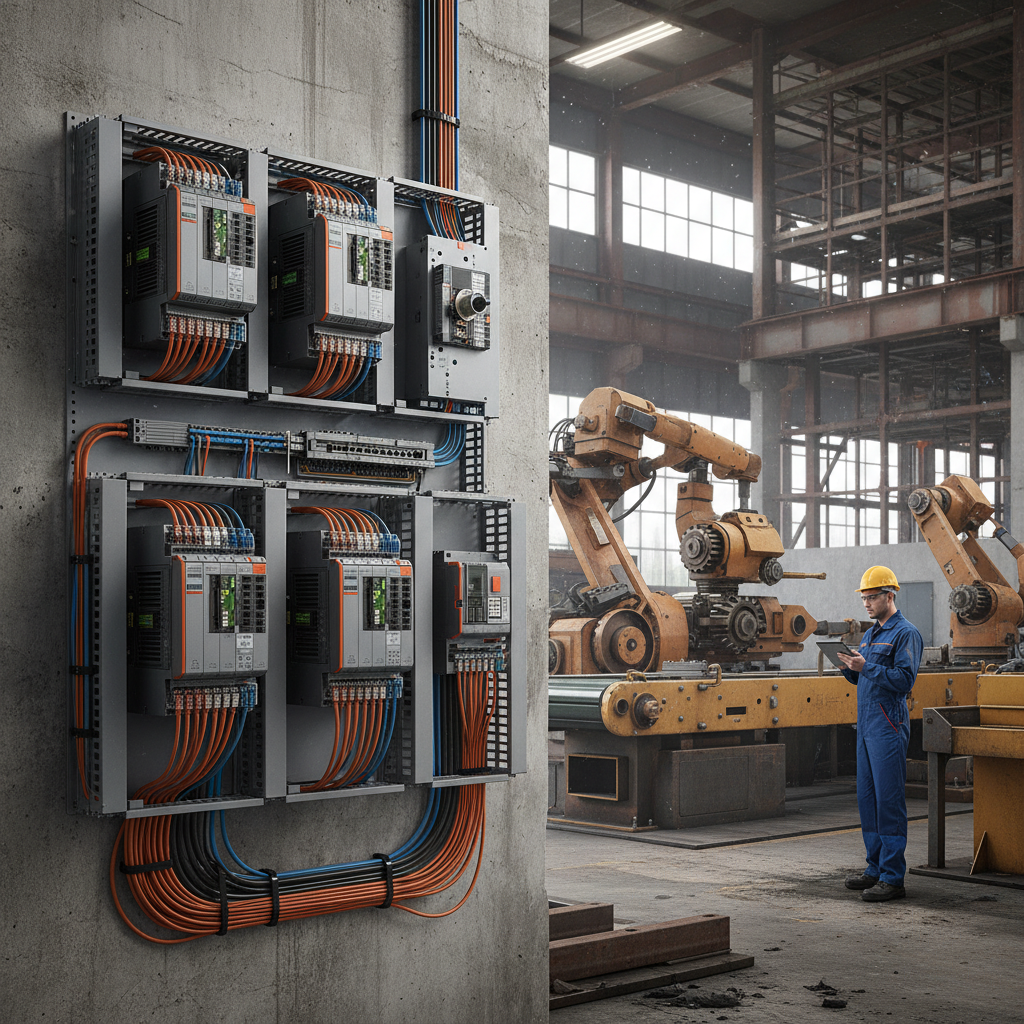
In automatic control systems, a Standard Cpu is the central processor that executes control logic, manages I/O, and coordinates communications across field devices and supervisory software. For B2B decision makers, it represents the heart of a reliable PLC architecture—balancing processing speed, memory capacity, and deterministic scan times with hardened industrial design. Typical configurations span entry to mid-range performance classes, such as CPU 312, CPU 314, and cpu 315 2 dp, giving engineering teams flexibility to match cycle time and networking needs without over-specifying hardware.
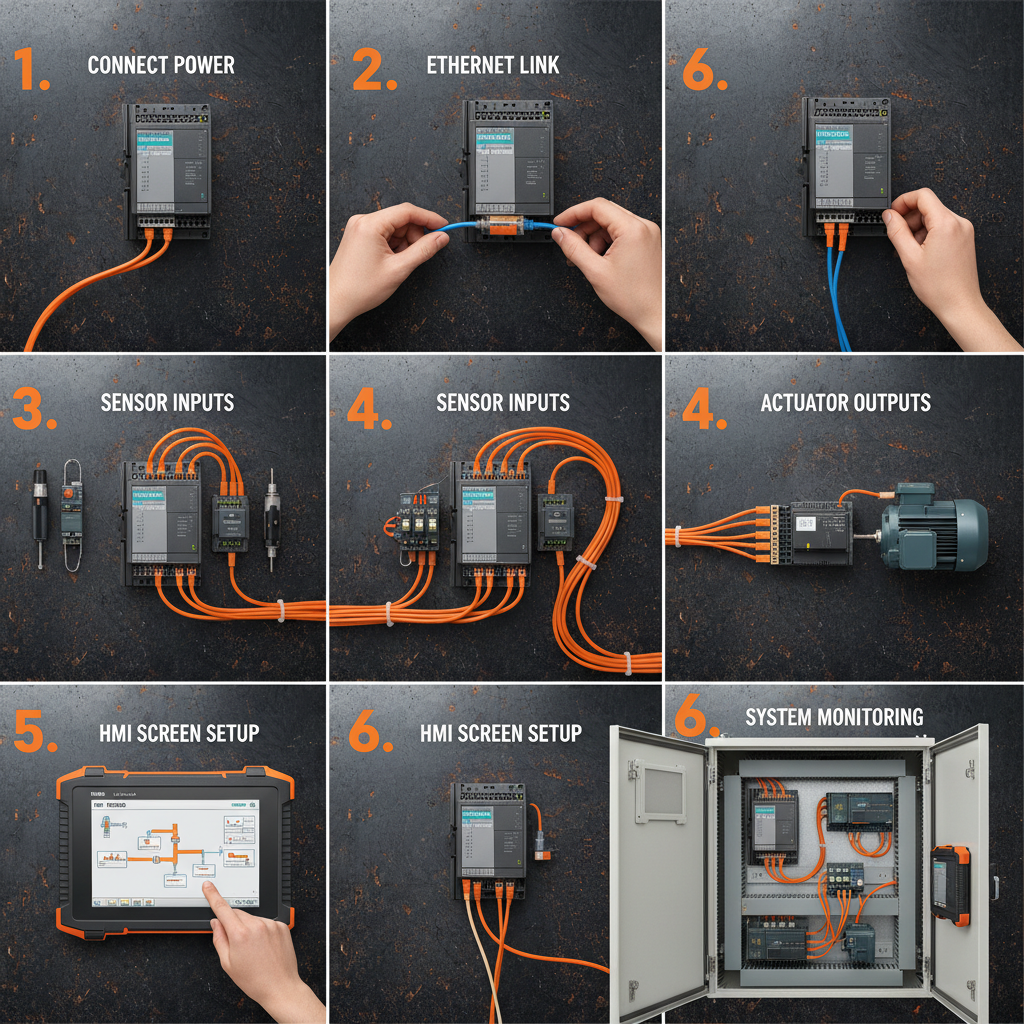
Tianjin Yongkai International Trade Co., Ltd. supplies Standard Cpu options that support common industrial protocols, time-critical tasks, and scalable memory footprints for ladder, FBD, and structured text projects. Many variants integrate DP for high-speed fieldbus, onboard diagnostics for faster troubleshooting, and extended operating ranges for harsh environments. A recent packaging line upgrade illustrates the impact: migrating from a legacy controller to a modern Standard Cpu reduced scan time by ~30%, enabled seamless device diagnostics on the same bus, and unlocked spare memory for future recipe expansion—all without rewriting the plant’s core control philosophy. With deep sourcing capability, technical support, and quality assurance, Tianjin Yongkai ensures the right CPU selection across lifecycle phases.
Benefits & Use Cases of Standard Cpu in automatic control system
Standard Cpu modules excel in applications where deterministic control and rugged reliability are non-negotiable. Common use cases include discrete manufacturing (pick-and-place, assembly, and packaging), utilities (pumping, dosing, filtration), material handling (conveyors, sorters), and building systems (HVAC sequencing and energy optimization). In each scenario, the CPU executes motion or logic sequences, exchanges real-time data with drives and sensors, and exposes diagnostics to SCADA/MES for higher OEE and faster root-cause analysis.
- Performance tiers: CPU 312 for compact machines, CPU 314 for mid-range cells, and cpu 315 2 dp for lines requiring integrated high-speed DP networking.
- Robust communications: deterministic fieldbus, multi-master options, and seamless integration with distributed I/O and HMI.
- Maintainability: onboard diagnostics, structured program organization, and scalable memory for incremental upgrades.
Tianjin Yongkai International Trade Co., Ltd. pairs product breadth with application know-how—supporting specification, migration, and phased modernization. Whether you are standardizing on a mid-range controller for a machine family or harmonizing disparate cells into a common architecture, the company delivers tested Standard Cpu selections, fast lead times, and field-proven configuration support. Keywords for sourcing: .cpu 312, cpu 314, and cpu 315 2 dp.
Cost, Maintenance & User Experience
Total cost of ownership for a Standard Cpu is driven by three levers: uptime, maintainability, and scalability. Ruggedized designs and industrial MTBF profiles reduce unplanned downtime, while integrated diagnostics shorten troubleshooting time. Modular memory and I/O expansion keep your control platform relevant as product variants or capacity requirements change—avoiding premature rip-and-replace. In practice, end users report faster commissioning due to familiar engineering tools and standardized function blocks across machine families.
From a financial perspective, B2B decision makers appreciate tangible ROI: fewer emergency callouts, lower spare-parts complexity, and shorter changeover times. Feedback from Industrial Automation customers supplied by Tianjin Yongkai International Trade Co., Ltd. highlights smoother migration from legacy CPUs, consistent cycle stability under load, and clear diagnostics that enable maintenance teams to act before minor alarms escalate. The user experience is pragmatic—engineers gain predictable scan times and transparent performance metrics, operations benefits from higher OEE, and management gains lifecycle certainty with a well-supported Standard Cpu platform.
Sustainability & Market Trends in industry
Sustainability is reshaping control strategies. Modern Standard Cpu platforms support energy-aware programming, power monitoring via fieldbus, and smarter sequencing that reduces idle time and peak demand. As regulations tighten around energy usage, safety, and product stewardship, platforms with long service life and software-forward upgrades minimize e-waste and embodied carbon. Open, standards-based engineering (IEC 61131-3) and secure networking facilitate integration with analytics, enabling continuous optimization without replacing core hardware.
Market trends include converged OT/IT architectures, edge data collection for predictive maintenance, and standardized controller families across multi-plant enterprises. Tianjin Yongkai International Trade Co., Ltd. aligns with these shifts by prioritizing dependable sourcing, compliance-minded product selection, and consultative support. The result is a forward-thinking, eco-conscious approach: extend controller lifecycles, enable data-driven efficiency, and scale capabilities through software and modular expansions rather than wholesale hardware turnovers.
Conclusion on Standard Cpu from Tianjin Yongkai International Trade Co., Ltd.
A well-chosen Standard Cpu delivers predictable performance, robust communications, and lifecycle value for Industrial Automation and automatic control systems. Backed by Tianjin Yongkai International Trade Co., Ltd., you gain reliable supply, expert guidance, and configurations spanning CPU 312, CPU 314, and cpu 315 2 dp classes to match today’s needs and tomorrow’s scale. Ready to optimize your control platform? Contact us: email: yuhui.wang@tianjinyongkai.com — Visit our website: https://www.tianjinyongkai.com