What is a 3 Phase Frequency Drive? Benefits, Applications & Future Trends
Understanding the 3 Phase Frequency Drive: Powering Modern Industry Efficiently
The 3 phase frequency drive might sound like a mouthful of electrical jargon, but it’s actually a pivotal technology quietly powering much of the world’s industry today. Simply put, it modulates the speed and torque of electric motors by adjusting electrical frequency and voltage. Sounds technical, sure—yet its practical importance is enormous. Controlling electric motors efficiently isn’t just an industrial luxury; it’s a key enabler for sustainability, cost savings, and operational precision in sectors worldwide.
Introduction: Why the 3 Phase Frequency Drive Matters Globally
Electricity powers about 85% of global industry, with electric motors consuming roughly half of all industrial electricity globally according to the International Energy Agency. Here’s where the 3 phase frequency drive steps in. Traditional motors run at fixed speeds, often wasting energy during different loads. With increasing energy costs and growing climate mandates (the UN pushing global energy efficiency targets), the ability to dynamically control motor speed and reduce power wastage has never been more critical.
For instance, the industrial motors in manufacturing plants, pumps in water treatment facilities, or fans in HVAC systems all greatly benefit from the flexible control enabled by these drives. It’s not just cutting costs—it’s also about reliability and environmental stewardship in real terms.
Definition & Meaning of 3 Phase Frequency Drive
At its core, a 3 phase frequency drive—also called a variable frequency drive (VFD) or adjustable speed drive—is an electronic device that controls the rotational speed of a three-phase AC motor by adjusting the frequency of the power supplied to the motor. Since motor speed is directly tied to the frequency of electricity, by changing this frequency, you can fine-tune motor speed precisely.
This technology connects deeply with modern industry’s push for automation and energy efficiency while also serving humanitarian needs —for example, ensuring crucial water pumping operations in remote or disaster-stricken areas keep running smoothly without unnecessary electricity consumption.
Core Components & Key Factors
1. Durability
These drives often operate in harsh environments — high heat, dust, and vibration. So, rugged construction and quality components are essential to maintain reliable performance over years. Many engineers swear by drives with coated circuit boards and sealed enclosures.
2. Scalability
Whether it’s a small pump motor or a massive conveyor belt, frequency drives come in a range of sizes and power ratings, making them scalable. This flexibility lets industries implement consistent, effective control solutions across diverse equipment.
3. Cost Efficiency
Although initial investments can be higher than standard motors, long-term energy savings and reduced maintenance usually pay back the cost quickly — often within two years. Plus, less mechanical wear means fewer replacements and downtime.
4. Integration with Automation Systems
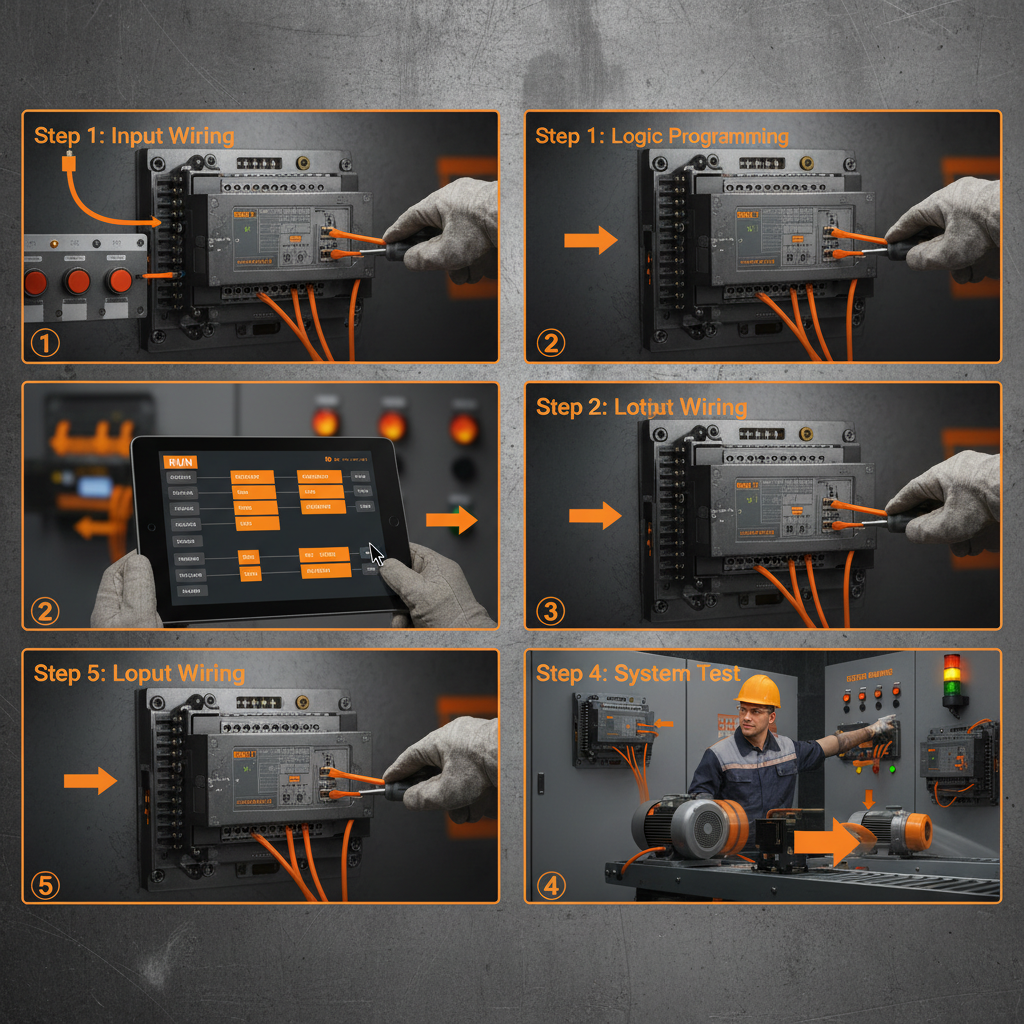
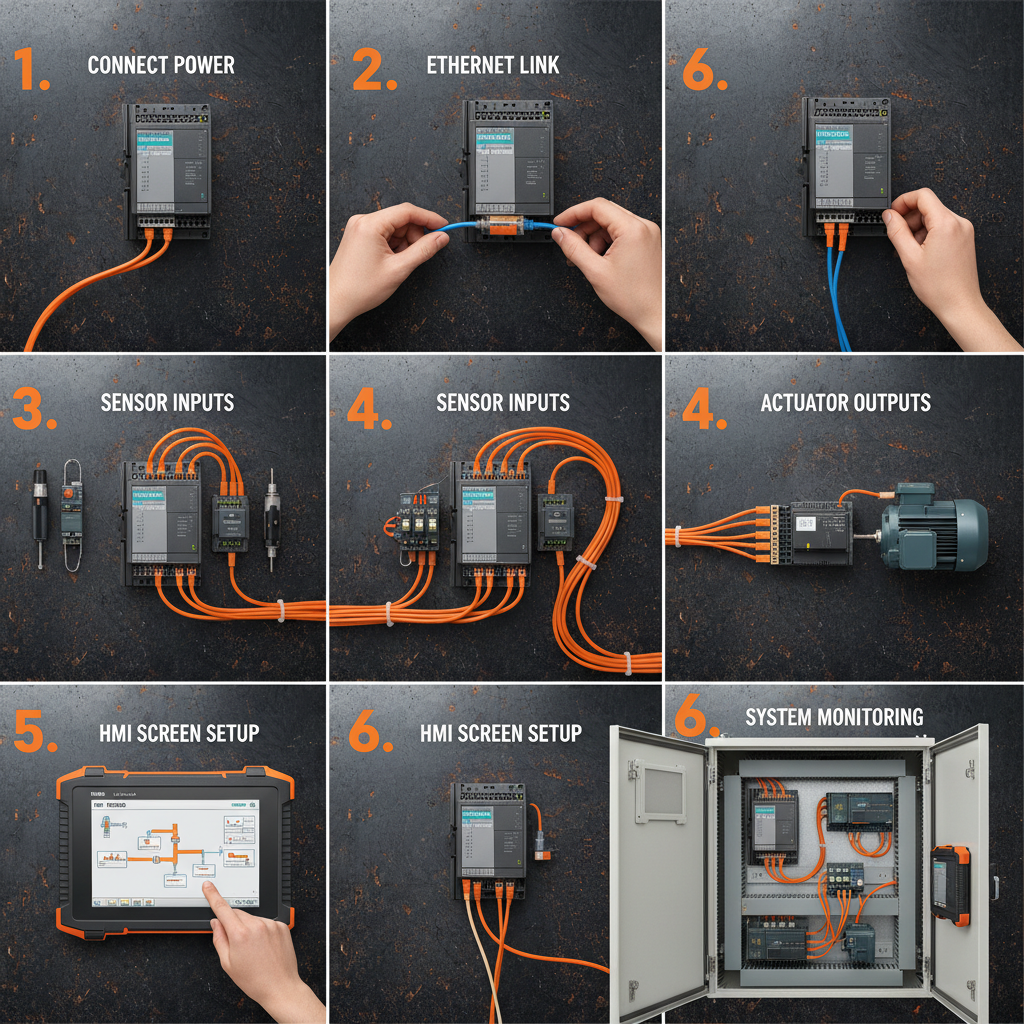
Modern drives support communication protocols like Modbus or Ethernet/IP, enabling easy integration with plant-wide control systems. This synchronization means better data visibility and optimized production processes.
5. Energy Savings
Varying the motor speed to match actual load needs dramatically cuts wasted energy. In applications like HVAC, this means power reductions often reach 30–50%.
| Model | Power Range (kW) | Input Voltage (V) | Control Features | Communication Interface |
|---|---|---|---|---|
| TKD-FD100 | 0.75 - 15 | 380-480 | PID, Sensorless Vector Control | Modbus RTU |
| PulsePro 3XV | 15 - 110 | 380-690 | Vector Control w/ Encoder Feedback | Ethernet/IP, PROFINET |
| EcoDrive VFX | 0.37 - 7.5 | 220-240 | Basic V/Hz control | None (standalone) |
Global Applications & Use Cases
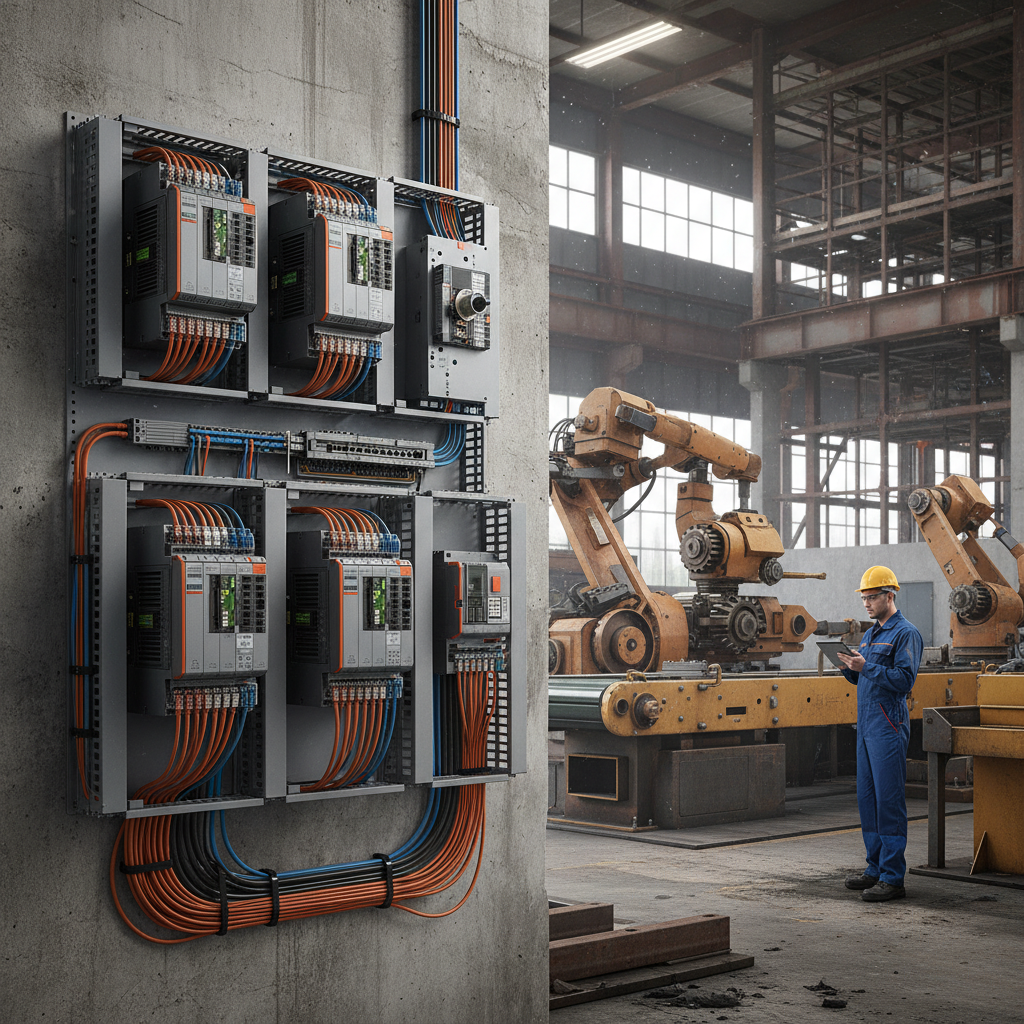
Walk into any modern factory floor—from Europe’s automotive plants to Asia’s textile mills—and you’ll likely find 3 phase frequency drives quietly optimizing power use. In water treatment plants across Africa, where power grids can be erratic, these drives ensure efficient, uninterrupted pumping. Oddly enough, in post-disaster recovery zones, field generators combined with frequency drives deliver stable power to critical equipment, from medical devices to temporary shelters.
In energy-intensive mining operations in South America, frequency drives reduce the power bill and environmental footprint. And HVAC systems in large commercial buildings from North America to Australia use them to maintain airflow effectively without unnecessary energy expense.
Advantages & Long-Term Value
- Cost Savings: Lower energy consumption and maintenance costs add up fast.
- Sustainability: Reduced carbon emissions align with green initiatives and regulatory standards.
- Reliability: Fewer mechanical stresses extend equipment lifespan.
- Social Impact: Increased efficiency means power is available to more people and critical services, especially in developing areas.
- Innovation & Trust: Implementing variable frequency drives is often seen as a forward-thinking move, building confidence with stakeholders and clients.
Future Trends & Innovations in 3 Phase Frequency Drives
The world of 3 phase frequency drives isn’t standing still. We’re seeing innovations like integration with IoT for predictive maintenance, reducing downtime by alerting operators to potential faults before they happen. There’s a growing push to combine drives with renewable power systems like solar and wind, adapting frequency adjustment to fluctuating energy inputs smartly.
Materials improvements—such as silicon carbide semiconductors—bring higher efficiency and reduced size. Digitally, artificial intelligence algorithms are being piloted to optimize operations in real-time. And standards from organizations like the International Electrotechnical Commission (IEC) ensure safer, more reliable implementations globally.
Challenges & How Experts Address Them
No tech is without its quirks. Initially, the complex setup and tuning of these drives can discourage smaller operations. Electrical harmonics generated by some drives may cause interference, affecting other equipment. Plus, not all regions have ready access to qualified service personnel.
Yet, today’s manufacturer support, plug-and-play models, and remote diagnostics mitigate many issues. Hybrid systems combining drives with energy storage also smooth out power quality problems. Education and training programs, sometimes co-sponsored by governments and industry bodies, are crucial to spreading best practices worldwide.
FAQs about 3 Phase Frequency Drives
- What industries benefit most from 3 phase frequency drives?
- Manufacturing, water treatment, HVAC, mining, and renewable energy sectors see the largest benefits due to their reliance on heavy motor-driven equipment requiring energy efficiency and speed control.
- How much energy can I realistically save with a frequency drive?
- Depending on the application, savings often range from 20% to 50%, especially in variable load conditions like pumps or fans, making them a powerful investment.
- Are 3 phase frequency drives difficult to install and maintain?
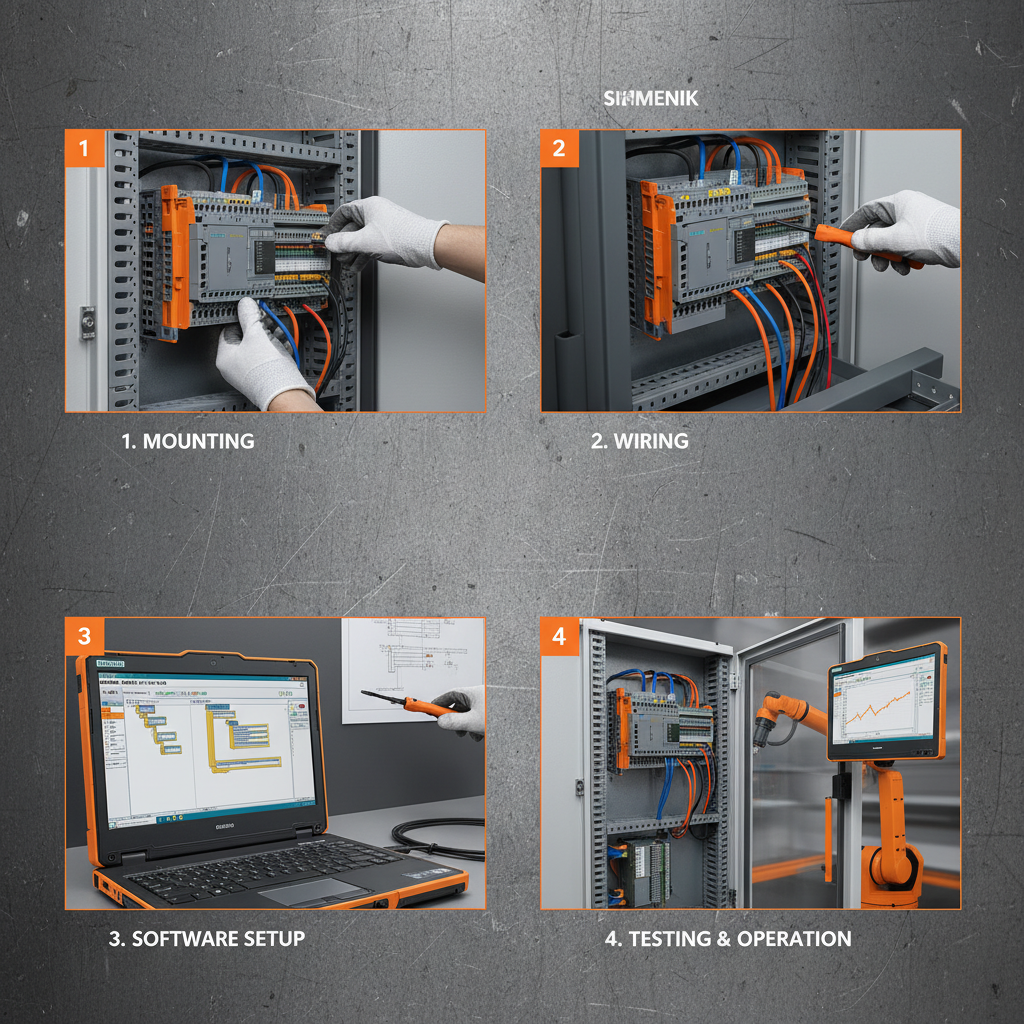
- Modern drives are designed for easier installation with user-friendly interfaces. Maintenance is relatively low, especially when combined with regular monitoring and diagnostics.
- Can these drives be integrated with existing automation systems?
- Yes, most contemporary drives support standard communication protocols, allowing seamless integration with plant-wide control and monitoring software.
- Do frequency drives contribute to sustainability goals?
- Absolutely. By reducing energy consumption and enabling more efficient use of power, they play a key role in helping organizations meet carbon reduction targets.
In short, the 3 phase frequency drive is more than just a piece of equipment; it’s an innovation deeply woven into the fabric of modern industry’s march toward efficiency, sustainability, and smarter operation.
If you’re curious about integrating these drives into your operations or want to explore the latest products and technologies, visit our website for detailed information and expert guidance.
Vendor Comparison: Popular 3 Phase Frequency Drives
| Vendor | Product Range (kW) | Energy Efficiency Features | Connectivity Options | Support & Warranty |
|---|---|---|---|---|
| Tianjin Yongkai | 0.5-150 | Sensorless vector control, Energy-saving modes | Modbus, Ethernet/IP | 3 years, global service network |
| Siemens | 0.37-250 | Advanced vector control, regenerative braking | PROFINET, EtherCAT | 5 years, extensive global support |
| ABB | 0.75-5600 | High efficiency, motor control optimization | Modbus, Ethernet/IP, Profibus | 3 years, local and remote support |
All in all, the 3 phase frequency drive is an indispensable technology bridging today’s industrial demands with tomorrow’s sustainable visions.