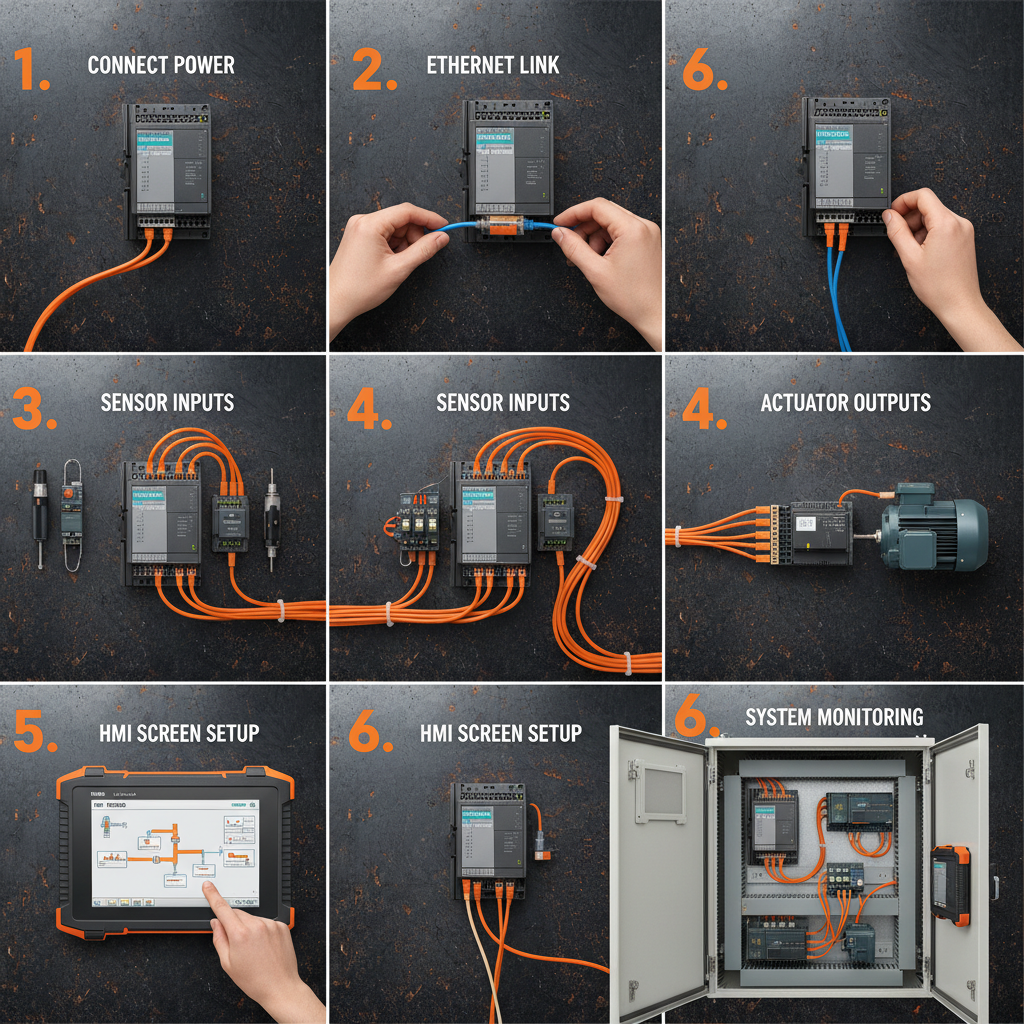
Exploring Types of VFD: Understanding Variable Frequency Drives for Industry
Understanding the Types of VFD: A Key to Modern Efficiency
Variable Frequency Drives, or VFDs, hardly need an introduction in industrial circles — but have you ever stopped to consider just how many types of VFD there are? Grasping these differences is increasingly vital, globally, as industries seek smarter energy usage and more precise motor control. From manufacturing plants in Germany to water treatment facilities in India, types of VFD shape productivity, sustainability, and cost savings alike.
Why does it matter? Because the right drive can make all the difference when it comes to efficiency, longevity, and compliance with today's tightening environmental regulations. Let's unpack what these types are and why getting familiar with them can be beneficial to engineers, plant managers, and even policymakers.
The Global Context: VFDs in Today's Industry
It's a fact that electric motors consume almost half of the world's electricity in industry, according to the International Energy Agency (IEA). With global energy demand rising, optimizing motor control through types of vfd can reduce waste significantly.
For example, the United Nations' Sustainable Development Goals (SDG 7, Affordable and Clean Energy) push for innovations that improve energy efficiency worldwide — VFDs fit right in. Yet, a key challenge remains: many manufacturing setups still use fixed-speed drives, foregoing potential savings of 20-50% energy reduction reachable with variable control.
What Exactly Are Types of VFD?
Let's simplify. A Variable Frequency Drive is a device that controls the speed and torque of an electric motor by varying the motor's power supply frequency and voltage. The "types" essentially refer to the different technical approaches used to achieve this control.
Think of VFDs as the remote controls for electric motors—some have simple buttons, others complex touchscreens. The type you need often depends on your industry, the motor type, and operational demands.
Common Types of Variable Frequency Drives
- Voltage Source Inverter (VSI) – Most prevalent in industry, uses DC link voltage with pulse-width modulation for precise control.
- Current Source Inverter (CSI) – Offers robust protection, often for heavy industrial loads.
- Pulse Width Modulated (PWM) Drives – Provide high efficiency and low harmonic distortion.
- Slip Energy Recovery Drives – Generally used with wound rotor motors for energy savings.
- Matrix Converters – Compact with direct AC-AC conversion.
Key Aspects When Choosing a VFD
Durability & Environmental Resistance
Some VFDs are built for dusty, humid, or temperature-extreme environments, crucial for outdoor mining or marine industries. You don’t want your motor controller to be the weakest link halfway through a critical process.
Scalability & Compatibility
Whether you’re running a single HVAC system or a multi-line manufacturing plant, the VFD’s ability to scale and integrate with automation systems (like PLCs and SCADA) is essential.
Cost Efficiency & Energy Savings
Not just the upfront cost—maintenance and energy bills over years often tell the real story. Engineers often find that opting for advanced PWM-based VFDs pays for itself within a year or two.
Control Precision & Features
Some applications demand ultra-fine control of torque and speed: think semiconductor fabrication or 3D printing. Others are more forgiving. Selecting the right VFD type reduces downtime and material waste.
Harmonics & Power Quality
Harmonic distortion can trip breakers and cause inefficiencies. Modern VFD designs incorporate filters or alternative topologies to mitigate these effects.
Worldwide VFD Applications: Real-World Impact
The diversity in types of VFD matches its global deployment. In Europe, you’ll find VSI–PWM drives widely adopted in automotive factories to reduce energy while maintaining precision.
In Southeast Asia, slip energy recovery drives save substantial energy in cement plants, which are notorious power guzzlers. Even humanitarian sectors benefit—for example, solar-powered water pumping systems outfitted with specific VFD types provide reliable access to clean water in remote African villages.
In the US, municipal wastewater treatment plants increasingly rely on digitally monitored VFDs to optimize aeration blowers, reducing emissions and operational expenditures.
Advantages and the Long-Term Value of Knowing Your VFDs
- Energy Savings: Variable control means motors only consume what they need, cutting energy bills sharply.
- Extended Equipment Life: Soft starts and stops reduce mechanical wear.
- Environmental Benefit: Lower consumption equals reduced carbon footprint.
- Operational Security: Enhanced process control improves safety and product quality.
- Innovation Enablement: Modern VFDs support IoT integration, paving the way for Industry 4.0.
In real terms, savvy managers see VFDs not as a cost but as an investment in resilience and sustainability, which is refreshing amidst constant budget cuts.
Looking Ahead: Trends Shaping the Future of VFDs
Two big things stand out:
- Green Integration: VFDs paired with renewable energy sources, like solar and wind, are becoming more common, enabling smart grids and microgrids.
- Smart Automation: AI-enhanced predictive maintenance and remote monitoring keep downtime minimal and performance optimized.
Manufacturers are experimenting with SiC (silicon carbide) semiconductors to build smaller, more efficient drives capable of handling higher voltages and temperatures. It’s a bit like swapping out an old gasoline engine for an electric motor—more power, less waste.
Addressing the Challenges
No technology is flawless. VFDs sometimes face:
- Higher initial costs that deter small facilities.
- Electromagnetic interference requiring careful installation.
- Need for specialized technical expertise.
Innovative approaches like turnkey solutions, embedded training, and modular designs are helping overcome these hurdles. Some vendors offer cloud-based apps that simplify configuration and troubleshooting — so even smaller shops can join the energy efficiency wave.
Practical FAQ on Types of VFD
- What is the difference between a Voltage Source Inverter and a Current Source Inverter?
- Voltage Source Inverters (VSI) typically offer better efficiency and are more common. Current Source Inverters (CSI) provide robust load handling and fault tolerance, preferred in heavy industries.
- Can VFDs work with older motors?
- Yes, but compatibility depends on the motor design and application. Sometimes rewinding or upgrading insulation is needed to avoid overheating and extend motor life.
- How do VFDs contribute to sustainability goals?
- By optimizing motor energy use, reducing peak loads, and extending equipment lifetime, VFDs directly reduce CO2 emissions and help meet green energy targets.
- Are all VFD types suitable for all industries?
- No. For example, Matrix converters are compact and efficient but expensive — ideal for aerospace or specialized sectors rather than heavy-duty mining.
- How important is harmonic mitigation in VFD systems?
- Very important. Harmonics can disrupt other equipment and cause losses. Choosing VFDs with built-in filters or external solutions is crucial for compliance with power quality standards like IEEE 519.
Specification Table: Example Model Comparison
| Spec | VSI-PWM Drive | Current Source Drive | Matrix Converter |
|---|---|---|---|
| Input Voltage | 460V AC | 600V AC | 480V AC |
| Power Range | 0.5-500 HP | 10-1000 HP | 0.75-50 HP |
| Efficiency | 97% | 95% | 98% |
| Harmonic Distortion | Low | Medium | Low |
| Environmental Ratings | IP21-IP54 | IP21 | IP20 |
| Typical Applications | General manufacturing, HVAC | Heavy industry, crushers | Specialized automation |
Vendor Comparison: A Quick Look at Leading VFD Suppliers
| Feature | Vendor A | Vendor B | Vendor C |
|---|---|---|---|
| Product Range | 0.5-1000 HP | 0.75-750 HP | 1-500 HP |
| Smart Integration | Yes (IoT-ready) | Partial | No |
| Environmental Compliance | ISO 14001 Certified | No | ISO 9001 Certified |
| Warranty Period | 3 Years | 2 Years | 1 Year |
| Global Support Network | Extensive | Moderate | Limited |
A Final Word: Why Types of VFD Still Matter
In a world racing toward sustainability and precision, knowing the nuances between types of VFD isn’t just technical trivia. It’s a strategic tool that can keep industries competitive and the planet a little greener. If there’s one takeaway, it’s this: don't pick a VFD off the shelf without first understanding what your application truly needs. You might be missing out on years of energy savings and operational peace of mind.
For those curious, eager, or ready to upgrade, explore types of vfd more deeply and discover what suits your setup best.
Here’s to motors running smoother and industries growing smarter. Until next time, keep turning the wheels of innovation.
References:
1. International Energy Agency, “Motor Systems,” https://www.iea.org/reports/motor-systems
2. United Nations Sustainable Development Goals, https://sdgs.un.org/goals/goal7
3. IEEE Std 519-2014 - IEEE Recommended Practice and Requirements for Harmonic Control in Electric Power Systems