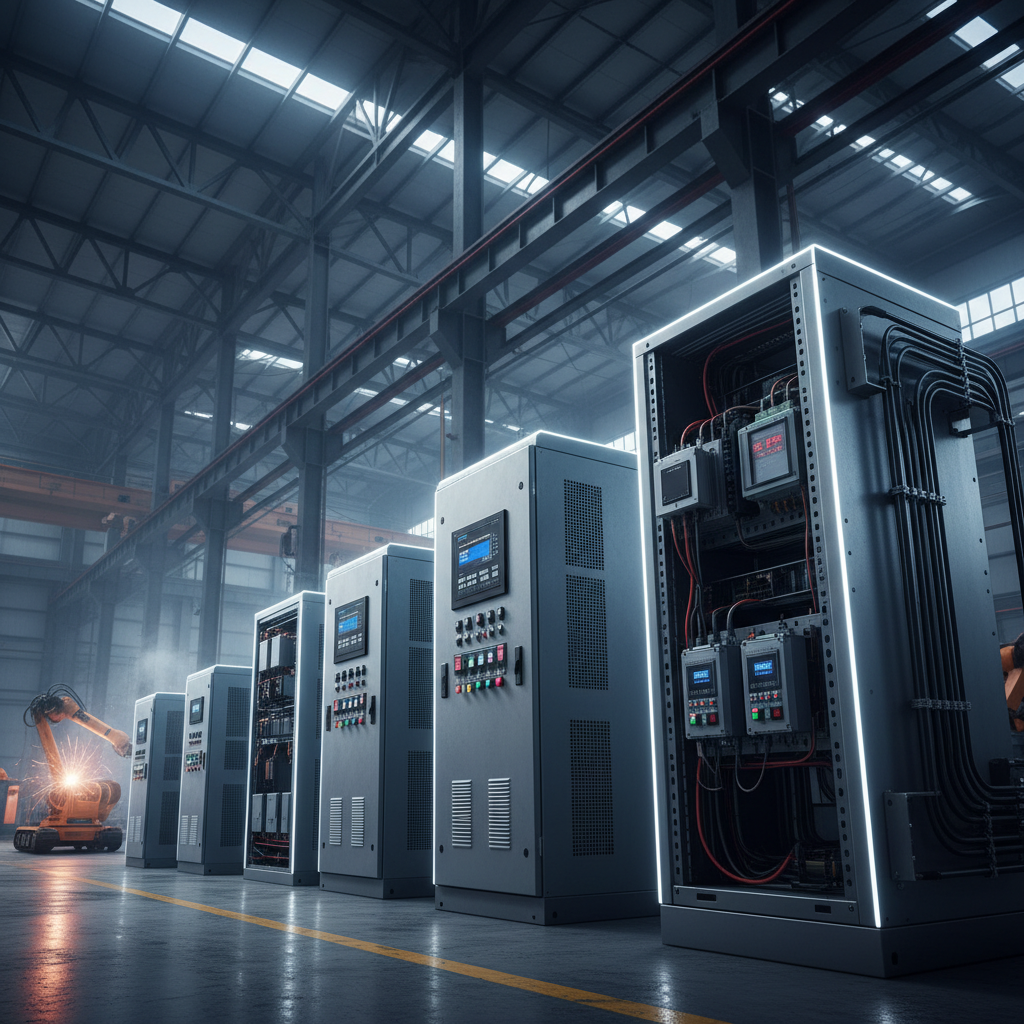
In the modern era of industrial automation, the vvvf drive stands as a cornerstone of electrical engineering, enabling precise control over motor speed and torque. By adjusting both voltage and frequency, these systems eliminate the inefficiencies of traditional fixed-speed motors, allowing manufacturers to optimize energy consumption across diverse production lines.
The global shift toward "Industry 4.0" has accelerated the adoption of variable frequency technology, as companies strive for higher precision and lower carbon footprints. Whether it is in heavy-duty elevators or delicate conveyor systems, the implementation of a vvvf drive ensures that machinery operates only at the necessary capacity, reducing mechanical wear and tear.
Understanding the nuances of these drives is no longer optional for plant managers and engineers; it is a strategic necessity. By integrating advanced vvvf drive solutions, enterprises can achieve a seamless balance between high-throughput productivity and sustainable energy management, ensuring long-term operational viability in a competitive global market.
Global Industry Context of VVVF Drives
On a global scale, the demand for energy-efficient motor control has reached an all-time high. According to industrial benchmarks and ISO energy standards, electric motors account for a massive portion of global electricity consumption. The integration of a vvvf drive allows industries to mitigate this energy waste by matching motor speed to the actual load requirement, rather than running at full speed constantly.
This transition is particularly critical in regions facing high energy costs or strict carbon emission regulations. By implementing variable voltage and frequency control, factories can reduce their operational overhead significantly while improving the lifespan of their electromechanical equipment, marking a shift from reactive maintenance to optimized performance.
Defining the VVVF Drive Mechanism
At its simplest, a vvvf drive (Variable Voltage Variable Frequency drive) is an electronic device that converts a fixed-frequency AC power supply into a variable-frequency and variable-voltage output. This allows for the seamless control of an AC induction motor's rotational speed, providing a level of flexibility that was previously only possible with expensive DC motors.
The connection to modern industry is profound. In a world where precision is paramount, the ability to "ramp up" or "ramp down" a motor smoothly prevents mechanical shocks and surges. This is essential for humanitarian needs as well, such as in water treatment plants and medical ventilation systems where steady, controllable airflow and fluid movement are non-negotiable.
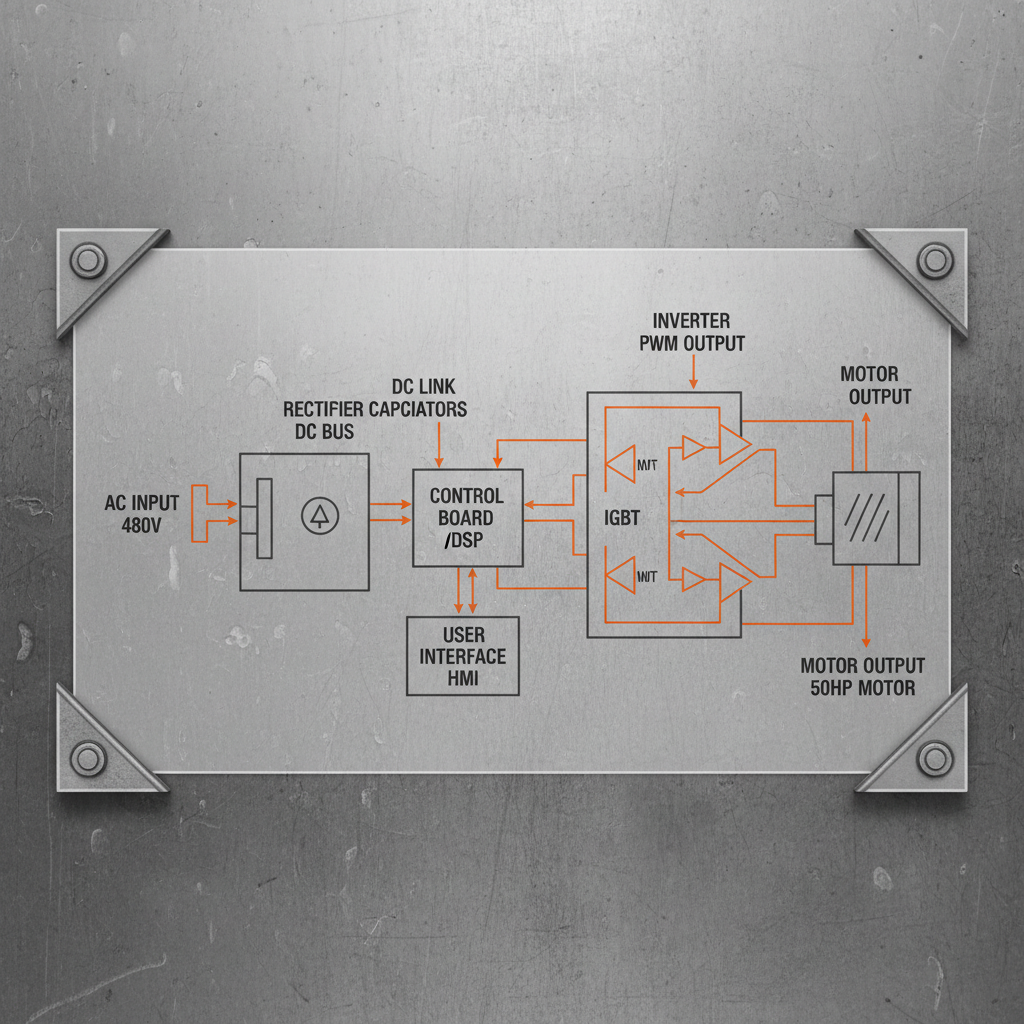
By utilizing a rectifier to convert AC to DC, and an inverter to convert it back to a simulated AC wave of any desired frequency, the vvvf drive acts as the "brain" of the motor, ensuring that power is delivered exactly when and how it is needed.
Core Components and Technical Factors
One of the primary factors in selecting a vvvf drive is its Durability. High-quality drives are built to withstand harsh industrial environments, including dust, humidity, and temperature fluctuations, ensuring that the internal capacitors and IGBTs (Insulated Gate Bipolar Transistors) do not fail under stress.
Scalability is equally vital. A robust vvvf drive system should be capable of integrating with various PLC controllers, such as the S7-1200 or S7-1500 series, allowing a facility to expand its automation capabilities without replacing its entire drive infrastructure.
Finally, Cost Efficiency is realized not just in the purchase price, but through the reduction of "in-rush current." A vvvf drive prevents the massive power spikes that occur during motor startup, which reduces the load on the electrical grid and lowers utility penalties for peak demand.
Performance Metrics and Scalability
When evaluating the efficiency of a vvvf drive, engineers look at the harmonic distortion and the torque-to-speed ratio. The ability to maintain constant torque at low speeds is what separates a premium drive from a basic one, allowing for heavy loads to be moved from a dead stop without slipping or overheating.
Moreover, the scalability of these drives allows them to be deployed in modular arrays. Whether managing a single pump or a network of a hundred conveyor belts, the synchronization capabilities of modern frequency converters ensure a cohesive production flow.
Comparative Efficiency of VVVF Drive Control Methods
Real-World Applications and Use Cases
In practical terms, the vvvf drive is ubiquitous in the urban landscape. One of the most common examples is the modern elevator system. By adjusting the frequency of the motor, elevators provide a smooth acceleration and deceleration experience, eliminating the "jerking" sensation and significantly increasing passenger safety and comfort.
Beyond cities, in remote industrial zones or mining operations, these drives are used to manage massive ventilation fans and ore crushers. In these high-stress environments, the vvvf drive prevents the system from overloading during startup, which is critical in areas where the power grid is unstable or limited in capacity.
Long-Term Value and Sustainability
The long-term value of adopting a vvvf drive extends beyond simple electricity bills. From a logical standpoint, the reduction in mechanical stress leads to longer equipment lifespans and lower maintenance costs. From an emotional and ethical standpoint, it represents a commitment to sustainability and environmental stewardship.
By reducing the energy waste associated with throttling valves or mechanical brakes, companies can significantly lower their carbon footprint. This transition fosters a culture of innovation and trust, as clients and stakeholders recognize the company's investment in green technology and operational excellence.
Furthermore, the reliability afforded by a vvvf drive ensures that critical infrastructure—such as hospital backup pumps or municipal water systems—operates with unwavering consistency, providing a sense of security and dignity to the communities they serve.
Future Trends in Motor Control Technology
Looking ahead, the vvvf drive is evolving through the integration of AI and the Internet of Things (IoT). We are seeing the rise of "predictive drives" that can analyze vibration patterns and current fluctuations to predict a motor failure before it happens, shifting the paradigm from scheduled maintenance to condition-based maintenance.
The trend toward Wide Bandgap (WBG) semiconductors, such as Silicon Carbide (SiC) and Gallium Nitride (GaN), is also revolutionizing these drives. These materials allow for higher switching frequencies and lower heat dissipation, meaning the vvvf drive units can become smaller, more efficient, and more powerful.
As digital transformation sweeps through the manufacturing sector, the synergy between cloud computing and frequency control will allow for global optimization of energy use across multiple factories in real-time, cementing the role of the vvvf drive as the heart of the sustainable factory.
Analysis of VVVF Drive Evolution and Technical Impact
|
Technology Generation
|
Control Precision
|
Energy Savings
|
Primary Application
|
| Basic V/f Control |
Low |
15-20% |
Simple Fans/Pumps |
| Sensorless Vector |
Medium |
25-35% |
Conveyor Belts |
| Closed-Loop Vector |
High |
30-45% |
Precision Robotics |
| SiC-Based Drive |
Very High |
40-60% |
EV / High-Speed Rail |
| IoT Integrated Drive |
Adaptive |
Variable |
Smart Factories |
| AI-Driven Control |
Predictive |
Maximized |
Autonomous Systems |
FAQS
While the terms are often used interchangeably, a vvvf drive specifically emphasizes the simultaneous control of both Voltage and Frequency. A standard VFD (Variable Frequency Drive) might only adjust frequency in basic models, but a true VVVF system maintains the V/f ratio to ensure the motor produces constant torque and avoids saturation of the magnetic core, providing much smoother control for heavy industrial loads.
Energy savings vary depending on the application. For centrifugal loads like fans and pumps, following the "affinity laws," reducing the speed by 20% can potentially reduce power consumption by nearly 50%. In most industrial settings, integrating a vvvf drive yields an average energy reduction of 20% to 40% compared to using mechanical throttling or fixed-speed operation.
Most standard induction motors are compatible, but "Inverter Duty" motors are recommended for long-term use. Standard motors may suffer from insulation breakdown due to the high-voltage spikes (dV/dt) caused by the PWM switching of a vvvf drive. Inverter-rated motors have reinforced insulation and better cooling for low-speed operation where the internal fan is less effective.
Overheating and capacitor degradation are the leading causes of failure. Dust accumulation on heat sinks and operation in high-temperature environments can lead to thermal shutdown or component burnout. Ensuring proper ventilation and using a vvvf drive with a high IP rating for dusty environments can significantly extend the operational life of the unit.
Scalar (V/f) control is sufficient for simple applications like conveyor belts or fans where precise torque at low speeds isn't required. However, if your application requires high starting torque, precise speed regulation, or dynamic load changes—such as in cranes or precision CNC machinery—a Vector control vvvf drive is essential for stability and performance.
Not at all. Most modern vvvf drive units support standard communication protocols such as Modbus, Profibus, and Profinet. This makes them highly compatible with controllers like the S7-1200 and S7-1500. Integration typically involves configuring the drive parameters and setting up a communication link to allow the PLC to send speed references and receive diagnostic data.
Conclusion
In summary, the vvvf drive is more than just a motor controller; it is a vital tool for operational efficiency and environmental sustainability. By mastering the balance of voltage and frequency, industries can reduce energy costs, prolong the life of their machinery, and achieve a level of precision that is essential for the demands of modern automation.
As we move toward an AI-driven industrial future, the integration of smarter, more adaptive frequency drives will be the differentiator between companies that merely survive and those that lead the market. We recommend a strategic audit of your current motor systems to identify opportunities for VVVF upgrades, ensuring your facility remains competitive and green. Visit our website for more professional solutions: www.tianjinyongkai.com