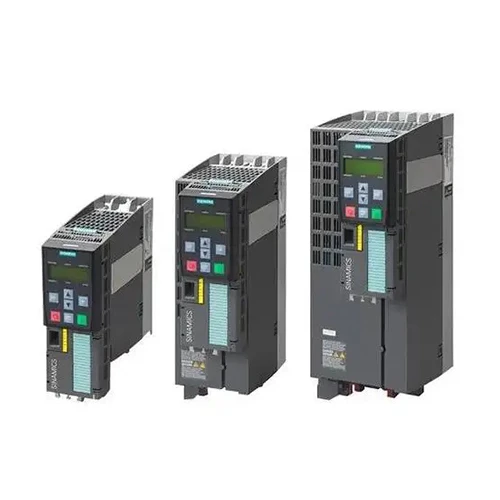
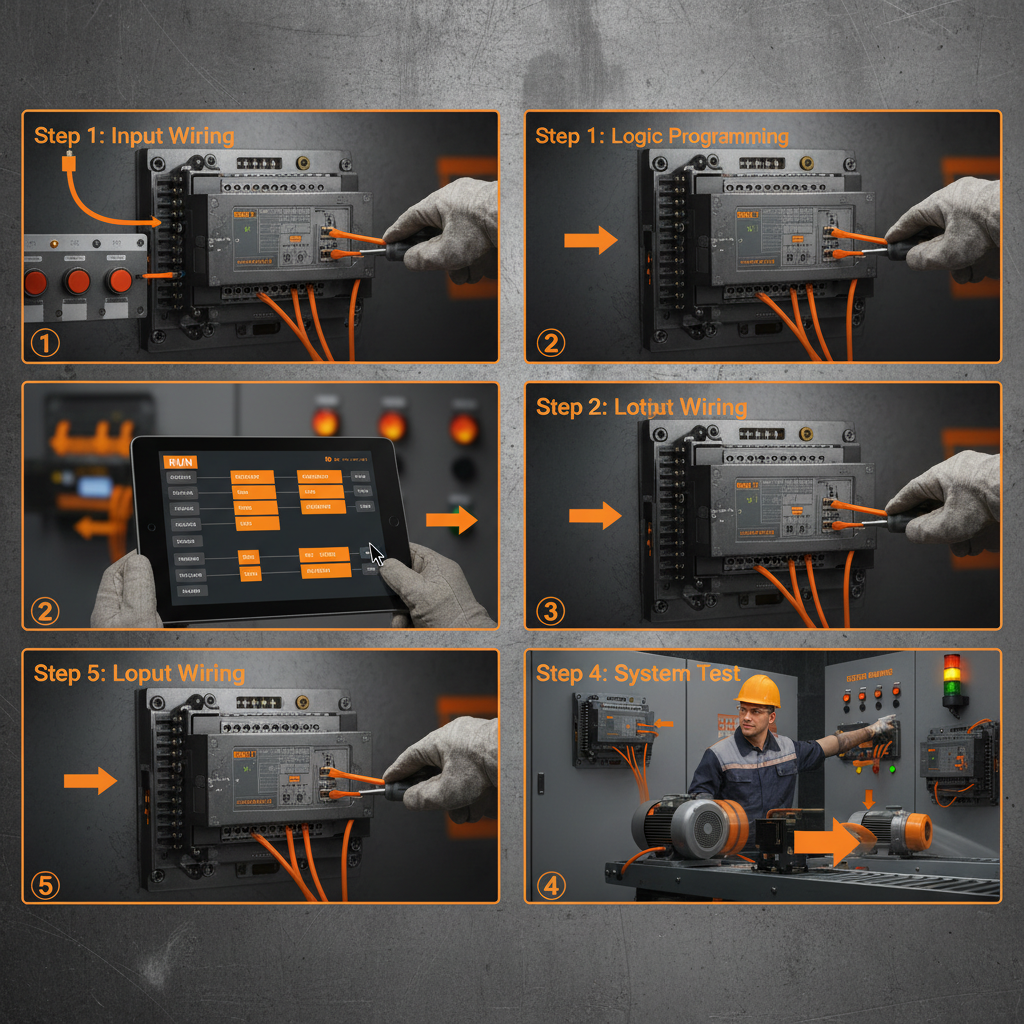
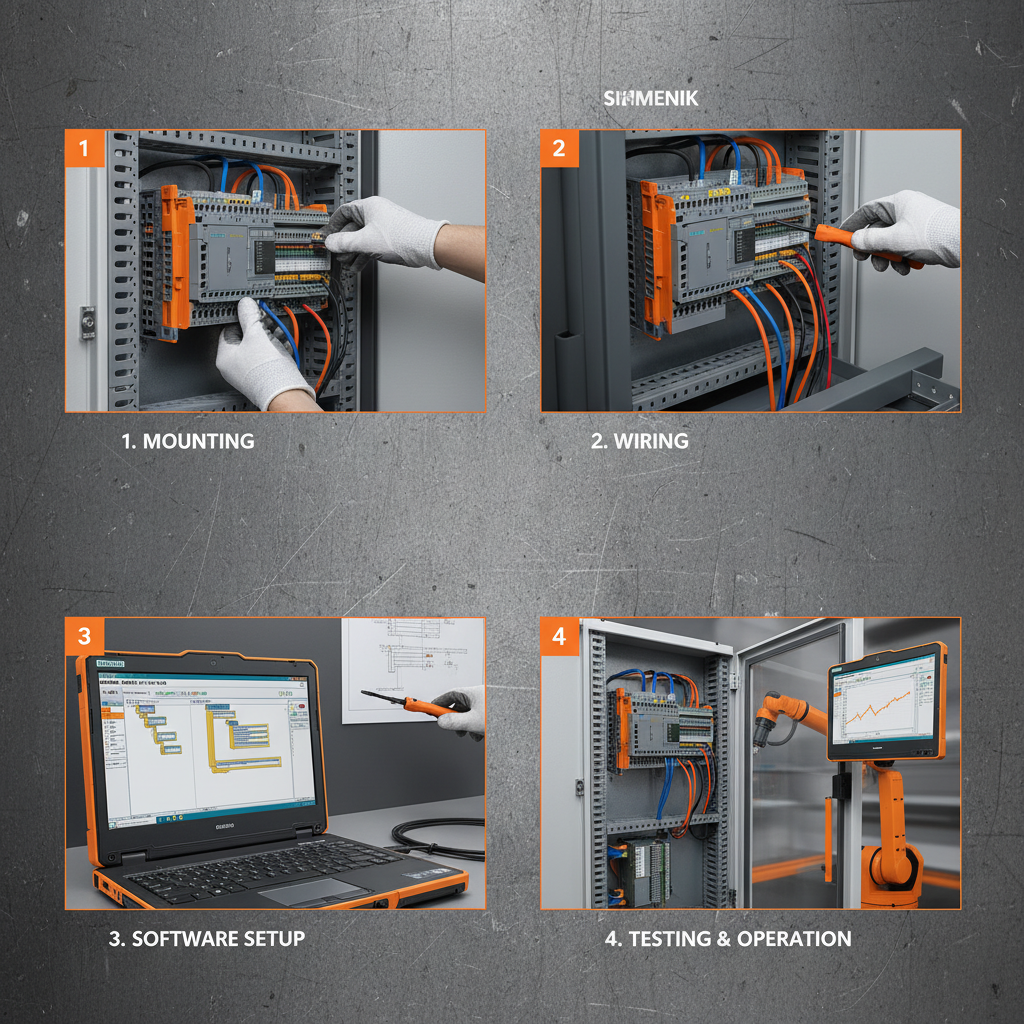
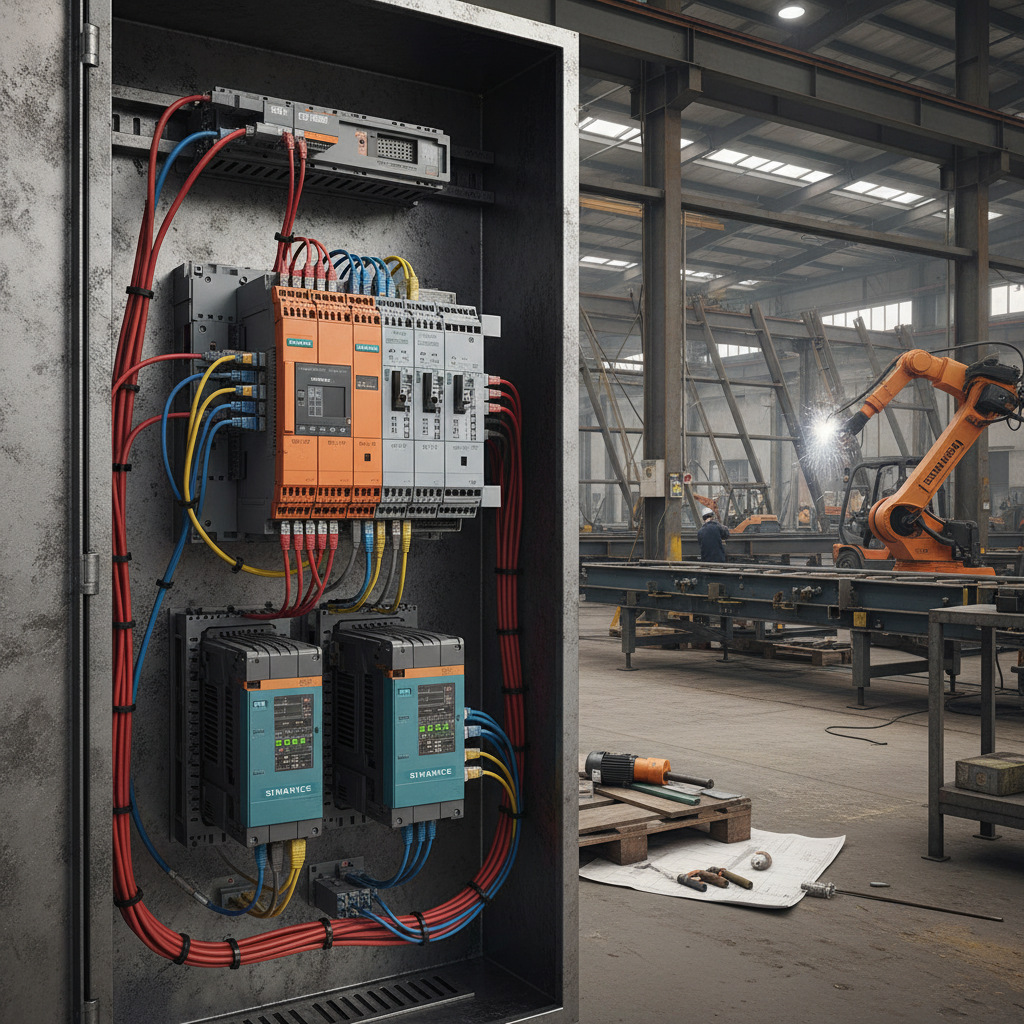
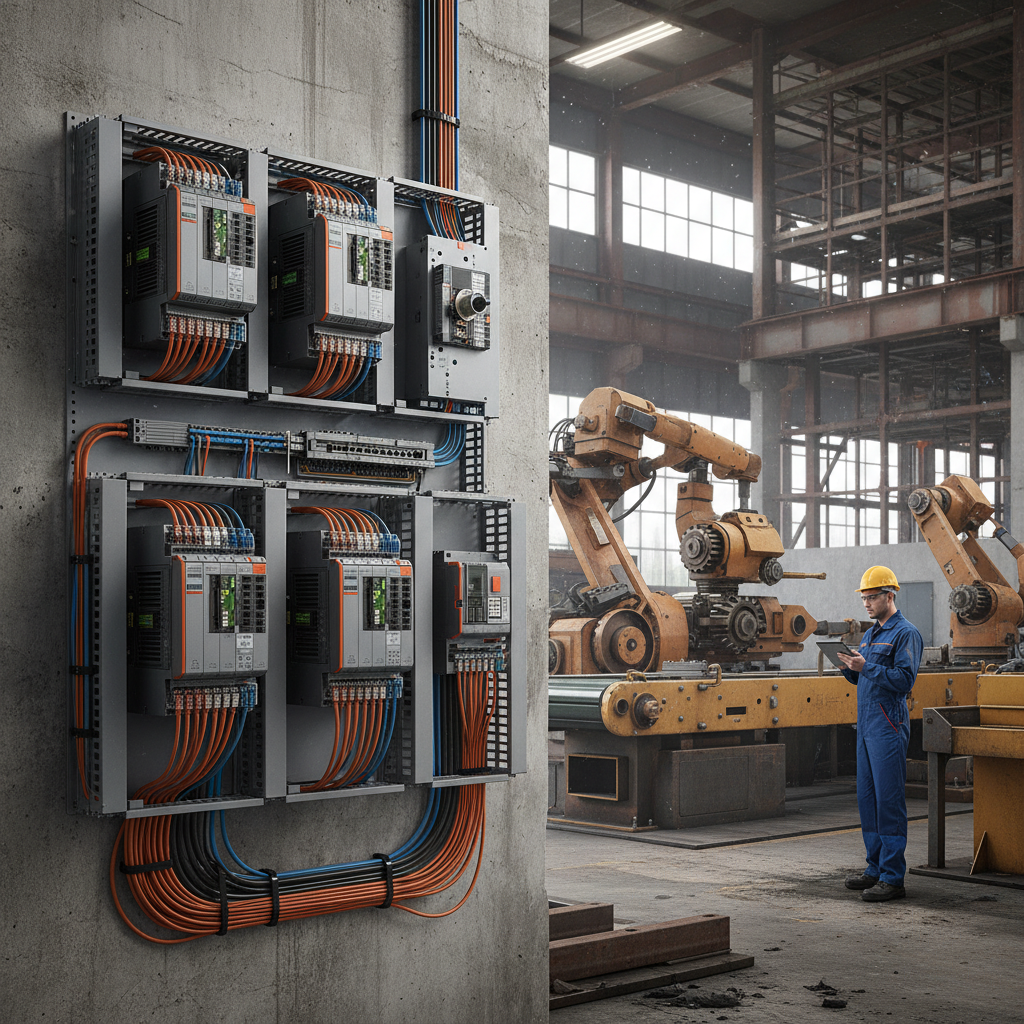
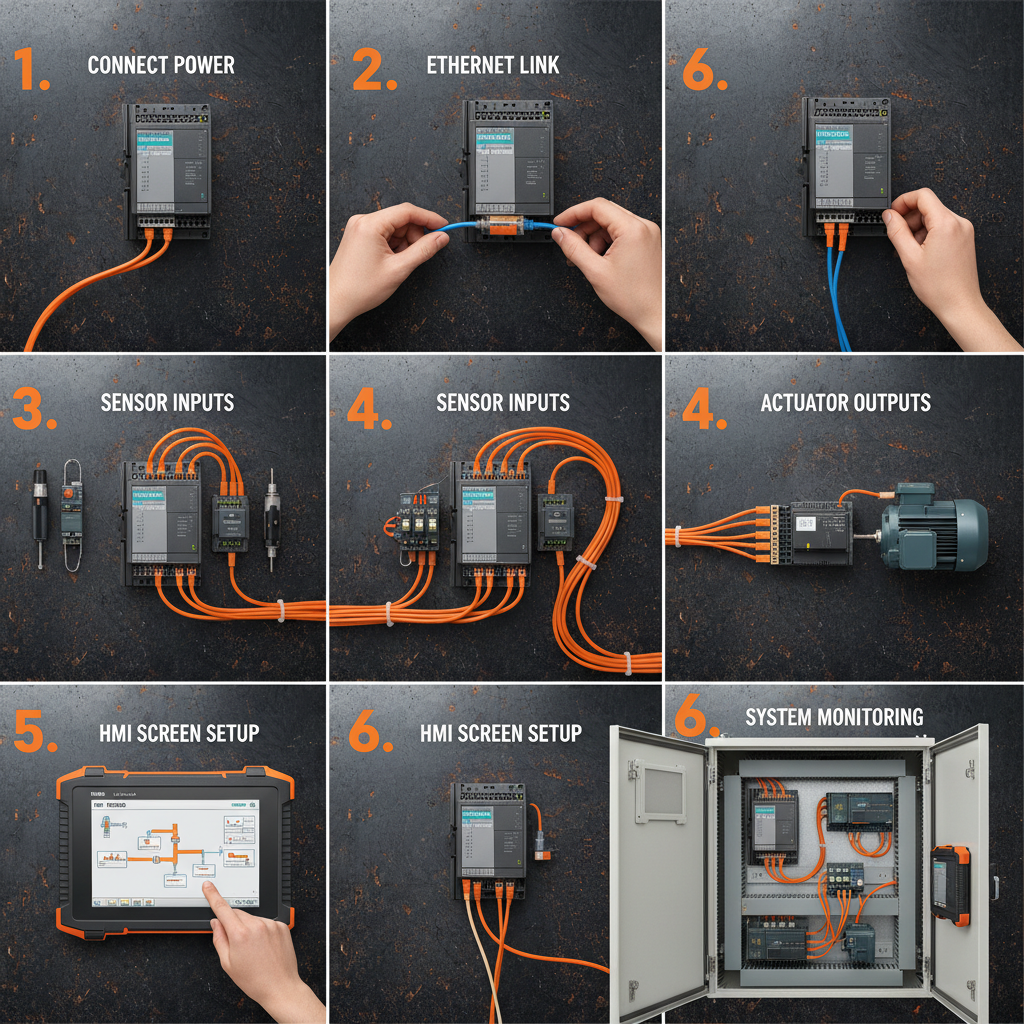
Understanding VFD with Encoder Feedback: Precision Motor Control & Energy Savings
The Growing Importance of VFD with Encoder Feedback in Today's Industry
Variable frequency drives (VFDs) with encoder feedback have quietly become a cornerstone technology in modern industrial automation. But what exactly are they, and why do they matter so much globally? In a nutshell, they’re advanced motor controllers that offer precision, efficiency, and reliability by using feedback from encoders. This combination not only boosts energy savings but also ensures flawless speed and position control—critical for everything from manufacturing lines to water treatment plants.
Globally, industries are under pressure to optimize processes, improve sustainability, and reduce costs. VFDs with encoder feedback answer many of these calls by enhancing control accuracy and extending equipment life, which ultimately supports greener, smarter, and more resilient operations.
Mini takeaway: Understanding the role of VFDs with encoder feedback is essential to grasping how modern industries are boosting efficiency and sustainability around the world.
How VFD with Encoder Feedback Fits into the Global Industrial Landscape
Consider this: according to the International Energy Agency, industrial motors consume nearly 40% of the world’s electricity. Integrating VFDs with encoder feedback directly targets this massive energy footprint by improving motor control. It's no wonder ISO standards emphasize motor efficiency, and organizations from the UN to the World Bank push industries toward smarter energy use.
Yet the challenge persists—many industries still rely on conventional motor drives, which can lead to uneven speed control, mechanical stress, and excess power consumption. VFDs with encoder feedback solve this by actively monitoring motor position and speed through sensors and adjusting frequency output in real time. This kind of dynamic control was nearly unthinkable just a decade ago but is now becoming standard in sectors like automotive, pulp and paper, and even humanitarian infrastructure projects.
vfd with encoder feedback has proven vital especially where downtime is costly and precision matters, such as automated warehouses in Europe or water pumping systems in arid regions.
Mini takeaway: The worldwide push for industrial energy efficiency and dependable automation drives adoption of encoder feedback VFDs across multiple critical sectors.
Breaking It Down: What Exactly Is a VFD with Encoder Feedback?
At its core, a VFD with encoder feedback is a motor controller that alters the power frequency supplied to an electric motor — allowing variable speed operation — while simultaneously receiving continuous data from an encoder. The encoder, a rotary or linear position sensor, sends precise signals about the motor shaft’s speed and position back to the VFD.
This feedback loop enables real-time adjustments, so motors run exactly at the desired speed or angle, minimizing slip or error. Without this system, motors operate open-loop, which can cause inefficiencies or loss of synchronization in complex machinery.
Industrially, this means production lines can run smoother, robots can position arms accurately, and energy use can be optimized. It’s like giving your motor a GPS tracker — suddenly, you know exactly where it is and how fast it’s moving, no blind guesses.
Mini takeaway: Encoder feedback transforms standard VFDs into highly precise, adaptable control units essential for automation and energy efficiency.
Core Components and What They Mean for Real-World Applications
1. Precision Control
Encoders provide high-resolution feedback that allows the drive to finely tune motor speed and position. For industries like packaging or CNC machining, this precision leads to better product quality and less waste.
2. Energy Efficiency
By matching motor speed exactly to load requirements rather than running at a constant full speed, these units reduce energy consumption significantly—sometimes by as much as 30% compared to fixed-speed motors.
3. Durability and Robustness
Many VFD units with encoder feedback are designed to withstand harsh environments—dust, moisture, temperature swings—making them perfect for mining or outdoor water systems.
4. Scalability and Integration
Modern VFDs often support various communication protocols (e.g., Modbus, Profibus), allowing integration into enterprise-level control systems, industrial IoT platforms, and smart grids.
5. Cost Efficiency Over Time
Although initially pricier than basic drives, the long-term savings in maintenance, energy, and fewer production errors often justify the investment.
Mini takeaway: The combination of precise feedback, robustness, and network integration explains why industries favor VFDs with encoder feedback for demanding applications.
Real-World Uses: Who’s Benefiting and How?
From industrialized nations to developing economies, vfd with encoder feedback equipment is making waves:
- Water Treatment Plants (Africa & Asia): Reliable pump control ensures water delivery despite unstable electricity, vital for communities’ health.
- Automotive Assembly Lines (Europe & North America): Precision speed and position control speed up production while maintaining quality.
- Renewable Energy (Global): Wind turbines and solar tracking systems rely on encoder feedback drives to maximize energy harvest.
- Mining Operations (Australia & South America): Harsh environments demand rugged drives with real-time motor feedback to prevent costly downtime.
- Post-Disaster Relief Infrastructure: Mobile water pumps and power units with encoder feedback improve reliability in remote settings.
These examples highlight the versatility of VFDs with encoder feedback, adapting to industries as varied as waste management and plastics extrusion.
Mini takeaway: VFDs with encoder feedback benefit a broad spectrum of organizations — from high-tech factories to humanitarian aid efforts — by delivering control and reliability.
Advantages and Long-Term Value You Shouldn’t Overlook
Beyond energy savings, these drives offer less obvious benefits as well:
- Operational Safety: Precise motor control reduces mechanical shocks and wear, preventing accidents over time.
- Environmental Responsibility: Lower energy use contributes to reduced greenhouse gas emissions.
- Enhanced Product Quality: Consistency in motor operations means fewer defects and higher customer satisfaction.
- Innovation Enabler: Real-time feedback supports advanced automation strategies like predictive maintenance and machine learning.
In short, investing in VFDs with encoder feedback isn’t just about cutting costs today but building trust and competitiveness for the long haul.
Product Specification Snapshot
| Specification | Typical Value | Notes |
|---|---|---|
| Input Voltage | 380V / 460V (3-phase) | Varies by region |
| Output Power Range | 0.75 kW to 500 kW | Industrial scale |
| Encoder Types Supported | Incremental, Absolute | Flexible matching |
| Communication Protocols | Modbus, CANopen, ProfiNet | For system integration |
| Ambient Operating Temperature | -10°C to 50°C | Typical factory floor conditions |
| Protection Rating | IP21 / IP54 (optional) | Dust and splash resistant |
Comparing Top Vendors of VFD with Encoder Feedback
| Vendor | Product Range | Features | Price Level | Global Support |
|---|---|---|---|---|
| DriveTech Inc. | 0.5 - 450 kW | Advanced feedback tuning, IoT ready | Mid-High | Excellent |
| GlobalMotor Controls | 1 - 500 kW | Rugged design, customizable protocols | High | Good |
| EcoDrive Solutions | 0.75 - 350 kW | Energy optimized, OEM integration | Mid | Growing |
What Does the Future Hold for VFD with Encoder Feedback?
Looking ahead, it's clear the technology will evolve with digital transformation trends. Smart drives are increasingly embedding AI algorithms for predictive maintenance and adaptive tuning — reducing downtime even further. Also, integration with renewable energy systems, such as smart grids, is shaping how VFDs manage fluctuating power inputs from solar or wind.
Eco-conscious engineering is driving the use of materials with lower carbon footprints and improved recyclability. And interestingly, the miniaturization trend means more compact, flexible drives suit smaller-scale applications, like electric vehicles or robotics. It feels like we’re only scratching the surface of how these systems can redefine energy management and automation.
Mini takeaway: Emerging trends point to smarter, greener, and more connected VFDs with encoder feedback playing a critical role in the next wave of industrial innovation.
Challenges in Implementation and How to Overcome Them
As much as VFDs with encoder feedback represent advancement, it’s not all smooth sailing. Common hurdles include:
- High upfront costs: The initial investment can deter smaller operations.
- Complex configuration: Setting the control parameters requires expertise.
- Compatibility issues: Legacy systems may not support modern communication protocols.
Experts recommend phased integration with thorough staff training and working closely with vendors offering customization and support packages. Moreover, evolving open-standards promise better interoperability. Sometimes, just having the right partners — and patience — makes all the difference. That’s the real engineering pastime, isn’t it?
FAQ: Common Questions About VFD with Encoder Feedback
- Q1: How does encoder feedback improve VFD performance over standard drives?
- A1: Encoder feedback enables real-time monitoring of motor position and speed, allowing precise adjustments by the VFD. This reduces slip, improves torque control, and enhances energy efficiency, critical for applications demanding tight speed regulation.
- Q2: Can existing VFD systems be retrofitted with encoders?
- A2: In many cases, yes. Retrofitting depends on the VFD's compatibility with encoder signals and available inputs. Consulting manufacturers or system integrators can determine feasibility and cost-effectiveness.
- Q3: Are these drives suitable for harsh industrial environments?
- A3: Definitely. Many encoder feedback VFDs are built with robust enclosures, appropriate IP ratings, and temperature tolerances designed for demanding conditions like mining or outdoor installations.
- Q4: What’s the typical lifecycle cost impact of using encoder feedback VFDs?
- A4: Although upfront costs are higher, savings from energy efficiency, reduced downtime, and lower maintenance typically yield a positive ROI within 2 to 5 years, depending on application scale.
Wrapping it Up: Why Choose VFD with Encoder Feedback?
In a world that's rapidly embracing automation, sustainability, and digital control, VFDs with encoder feedback stand out as a vital technology. They offer more than just speed control — they bring precision, adaptability, and efficiency to industries worldwide. The long-term benefits touch everything from environmental impact to operational trustworthiness.
If this sounds like the direction your operations need, I encourage you to explore solutions and partners online—starting with our website for tailored products and expert guidance. After all, staying ahead in automation means embracing smarter control today.
References:
1. International Energy Agency, “Energy Efficiency in Industry,” iea.org
2. ISO 50001 Energy Management Standard, iso.org
3. Wikipedia entry on Variable-Frequency Drives, en.wikipedia.org