Variable Frequency Drive 110v: Efficient Motor Control for Modern Industries | Tianjinyongkai
Understanding Variable Frequency Drive 110v: Why It Matters Today
In a world where energy efficiency and precise motor control are king, variable frequency drive 110v devices deserve a spotlight. These compact yet powerful units help industries run motors smarter, reducing wear and energy consumption. That's not just good business—it has global environmental implications. Whether you’re managing a manufacturing line, operating HVAC systems, or supporting humanitarian aid projects, understanding how these drives work and why they matter can unlock both cost savings and sustainability benefits.
So, what’s the fuss? Put simply, a variable frequency drive modulates how fast your electric motor spins by adjusting the power frequency. This means your machines don’t have to run at full throttle all the time—energy is used only as needed. Now that’s relevant when global energy demand is rising and fossil fuels are under scrutiny. For instance, the International Energy Agency notes industrial motors make up over 40% of electricity consumption worldwide. Optimizing motor use can ripple from factory floors to everyday life.
The Global Context: Why Variable Frequency Drive 110v Is a Growing Necessity
Globally, as electricity access expands in developing regions and industries modernize, the demand for efficient motor control is soaring. According to the World Bank, industrial energy use is increasing by roughly 2% per year, stressing grids and budgets alike. Variable frequency drives (VFDs) running on 110v systems, which suit low-voltage setups typical in small facilities or residential-grade applications, help mitigate these challenges.
More than that, fluctuating power grids and rising electricity costs pose a real challenge, especially in remote or disaster-affected areas. That’s where compact VFDs shine—offering energy savings, motor protection, and flexible speed control even when power quality is sketchy. From Southeast Asia’s coastal plants to small farms in Africa, VFD technology—like the 110v models—is crucial for resilient, sustainable industry growth.
What Exactly Is a Variable Frequency Drive 110v?
At its core, a variable frequency drive 110v is a device that controls the rotational speed of an AC motor by varying the input electrical frequency and voltage. Picture it as the dimmer switch for your motor's “light bulb,” allowing gradual adjustments instead of an all-or-nothing on/off approach. This results in smoother operation, less mechanical stress, and yes—significant energy savings.
Typically sized to suit single-phase 110v power supplies (common in many residential and light industrial environments), these drives bring modern motor control to smaller scale operations. That matters for industries where cost and space constraints make traditional higher-voltage VFDs impractical.
Key Factors Behind Variable Frequency Drive 110v Success
1. Durability and Build Quality
Many engineers swear by rugged VFDs for environments where dust, moisture, or vibration pose challenges. The sturdiness of a 110v drive often gauges how well it performs in fluctuating conditions — critical if your site isn’t a pristine factory floor.
2. Efficiency and Energy Savings
Saving electricity isn’t just a trend—it’s an operational imperative. A quality variable frequency drive trims power use by adjusting motor speed to actual demand, slashing wasteful idling and peak loads.
3. User-Friendly Controls and Interface
A drive is only useful if you can control it easily. Simple programmable settings, clear displays, and flexible inputs let operators and maintenance teams adapt to changing needs without headaches.
4. Scalability and Integration
From standalone pumps to complex conveyor networks, your VFD should integrate smoothly with existing systems, allowing upgrades or expansions without major rewiring.
5. Safety Features
Overcurrent protection, thermal shutdowns, and fault diagnostics help protect motors—and people—against damage and downtime.
Where Variable Frequency Drive 110v Is Making a Real Difference
Manufacturing: Small-scale assembly lines and packaging plants benefit from controlling conveyor speeds precisely, which improves throughput without overloading equipment.
Agriculture: Irrigation pumps powered by variable frequency drives adapt water flow to crops’ needs, reducing waste and power consumption.
Building Management: HVAC systems optimized with 110v VFDs maintain comfortable environments efficiently—even in residential or light commercial buildings.
Disaster Relief and Remote Zones: Portable generators and machinery powered by lower-voltage VFDs operate reliably off-grid or amid unstable networks, improving resilience.
For example, a community water pumping project in rural India dramatically cut power use and pump wear by swapping fixed-speed motors for 110v VFDs — a simple but game-changing upgrade. If you want a glimpse into how these drives punch above their weight, that’s it.
A Quick Specification Table of a Typical Variable Frequency Drive 110v
| Specification | Details |
|---|---|
| Input Voltage | 110 VAC ±10% |
| Output Frequency | 0.1 Hz to 400 Hz |
| Motor Power Range | 0.1 to 2 HP |
| Control Mode | V/F control, PID feedback |
| Protection Features | Overload, short-circuit, overvoltage |
| Display | LED digital panel |
How Vendors Stack Up: Comparing Popular Variable Frequency Drive 110v Options
| Feature | Brand A | Brand B | Brand C |
|---|---|---|---|
| Warranty | 3 Years | 2 Years | 5 Years |
| Price (USD) | $120 | $105 | $140 |
| Ease of Installation | Moderate | Easy | Moderate |
| Energy Savings | 15–20% | 12–18% | 18–22% |
| User Interface | LCD with Buttons | Basic LEDs | Touch Screen |
Why Invest in Variable Frequency Drive 110v? Advantages & Long-Term Value
You might wonder, with all the hype about “smart tech,” will a relatively modest 110v variable frequency drive really transform your operations? Frankly, yes. Reducing energy costs—often up to 20% or more—is a clear win for any budget. But beyond that, smoother motor starts and stops reduce mechanical wear, lowering maintenance expenses and downtime.
There’s also a social dimension. Efficient motors mean less strain on local power grids and less greenhouse gas pollution. In remote or underserved areas, this translates to better reliability for essential services like clean water pumping or climate control, which ties closely to health and wellbeing. All in all, these drives blend logic with ethics — investing in cleaner, safer technology.
Looking Ahead: Future Trends in Variable Frequency Drive Technology
As industries push toward decarbonization, I hear more chatter about integrating VFDs with renewable energy sources like solar inverters, creating hybrid systems that maximize efficiency. Also, expect more AI-driven “smart control” where drives self-optimize for fluctuating demands or predict failures before they happen. That sounds almost sci-fi—yet it's edge-of-the-curve today.
Materials are evolving too. Manufacturers experiment with heat-resistant components that shrink device sizes while increasing reliability. In terms of policy, governments worldwide (including ISO guidelines) increasingly encourage adoption of energy-saving tech, nudging VFDs into greater adoption.
Challenges & Practical Solutions in Variable Frequency Drive 110v Usage
Like any tech, hurdles remain. Sometimes the upfront cost seems steep for small businesses; others experience installation complexity without proper training. Also, variable frequency drives in 110v can generate electromagnetic interference, requiring thoughtful grounding and filtering.
But smart solutions exist: modular drives simplify installations, leasing models make initial cost easier, and more comprehensive training resources are becoming standard. The trick is partnering with vendors who understand both the tech and real-world application.
FAQ: Your Top Questions About Variable Frequency Drive 110v
- Q: Can a 110v variable frequency drive handle different motor types?
- A: Most 110v VFDs support standard three-phase or single-phase AC motors within their rated horsepower. However, it's important to check compatibility with your specific motor to ensure safe operation and optimal control.
- Q: How much energy can I realistically save with a variable frequency drive 110v?
- Energy savings typically range from 10% to 25%, depending on your motor load and usage patterns. Drives reduce unnecessary full-speed operation, cutting power waste during idling or partial loads.
- Q: Is installing a 110v variable frequency drive complicated for a small facility?
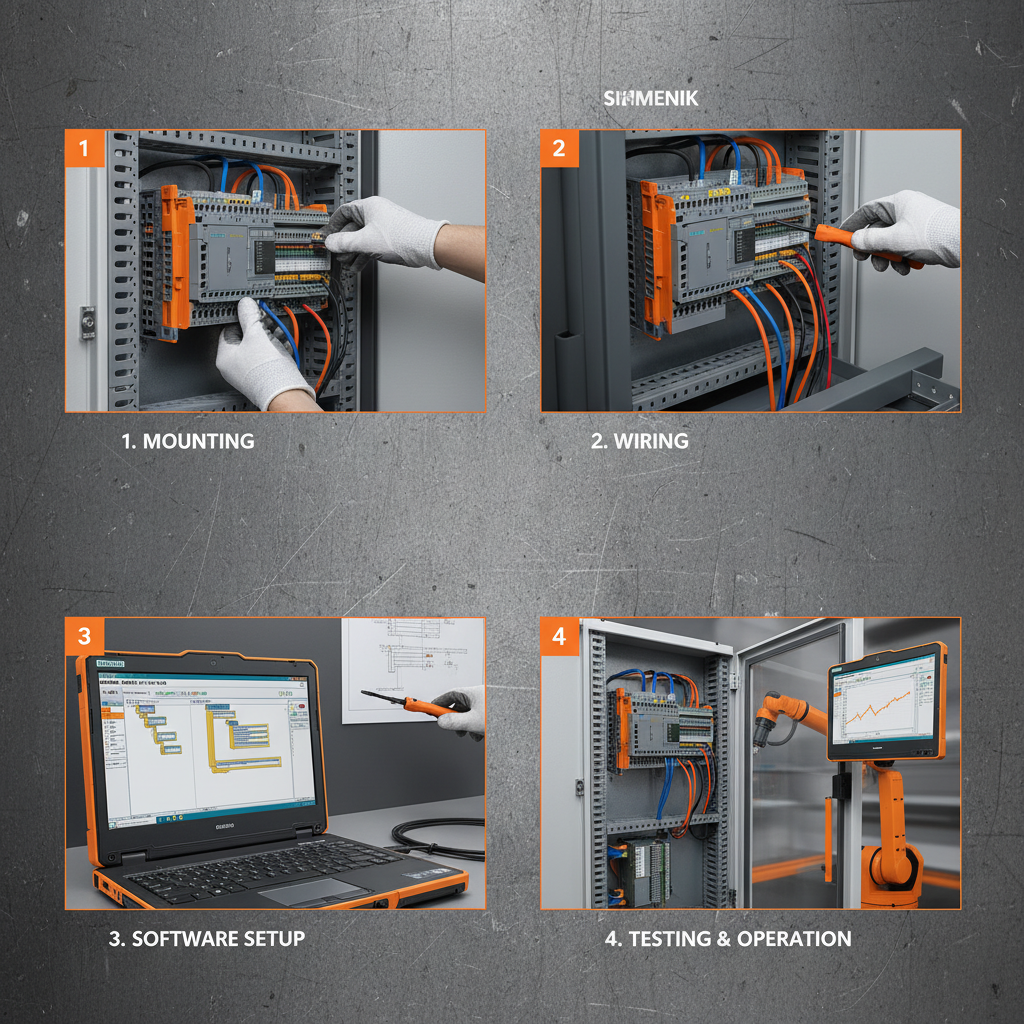
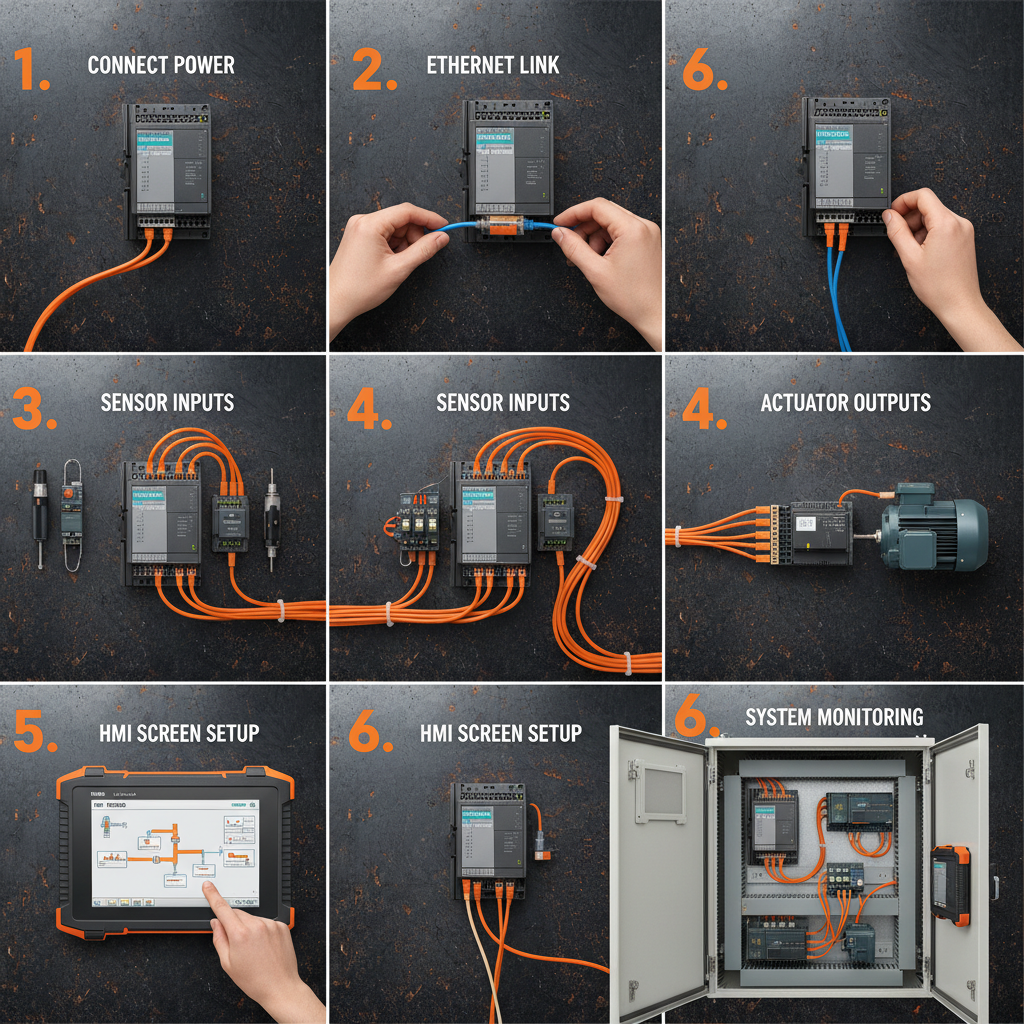
- Installation is usually straightforward for those with basic electrical knowledge, but professional help is recommended for safety and proper configuration. Many manufacturers offer user-friendly manuals or online support.
- Q: Can variable frequency drives operate in harsh environments?
- Yes, many drives are designed with protective casings and conformal coatings to resist dust, moisture, and temperature extremes. Be sure to choose a model rated for your specific site's environmental conditions.
- Q: How long do variable frequency drives last?
- With proper installation and maintenance, VFDs can last upwards of 10 years. Routine inspections and keeping firmware updated help extend lifespan and reliability.
Wrapping Up: Embrace Efficient Motor Control for a Sustainable Tomorrow
So, what’s the takeaway? Incorporating a variable frequency drive 110v isn’t just about saving a buck or two in electricity. It’s about smarter industrial practices, reducing environmental impact, and enabling technology that supports social and economic resilience globally. These little drives fit into a much bigger picture—one of innovation meeting real-world challenges.
Interested in bringing the benefits of variable frequency drive 110v tech to your facility? Visit our website https://www.tianjinyongkai.com for detailed product info, expert guidance, and tailored solutions.