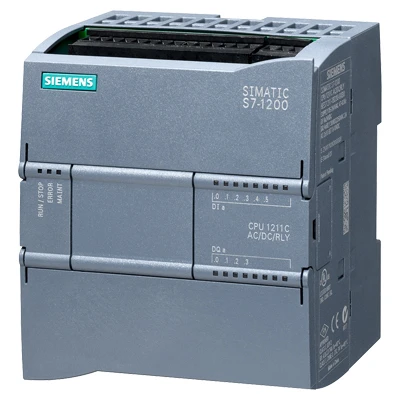
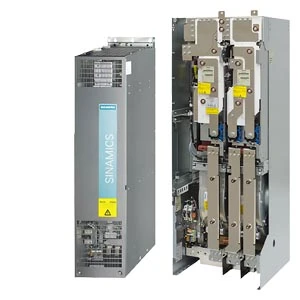
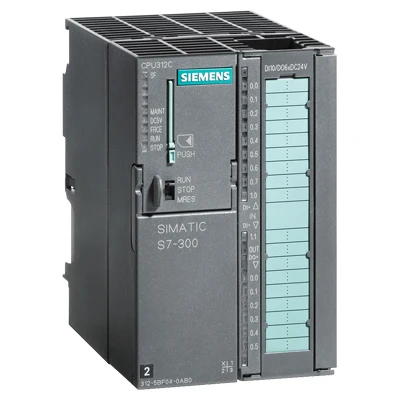
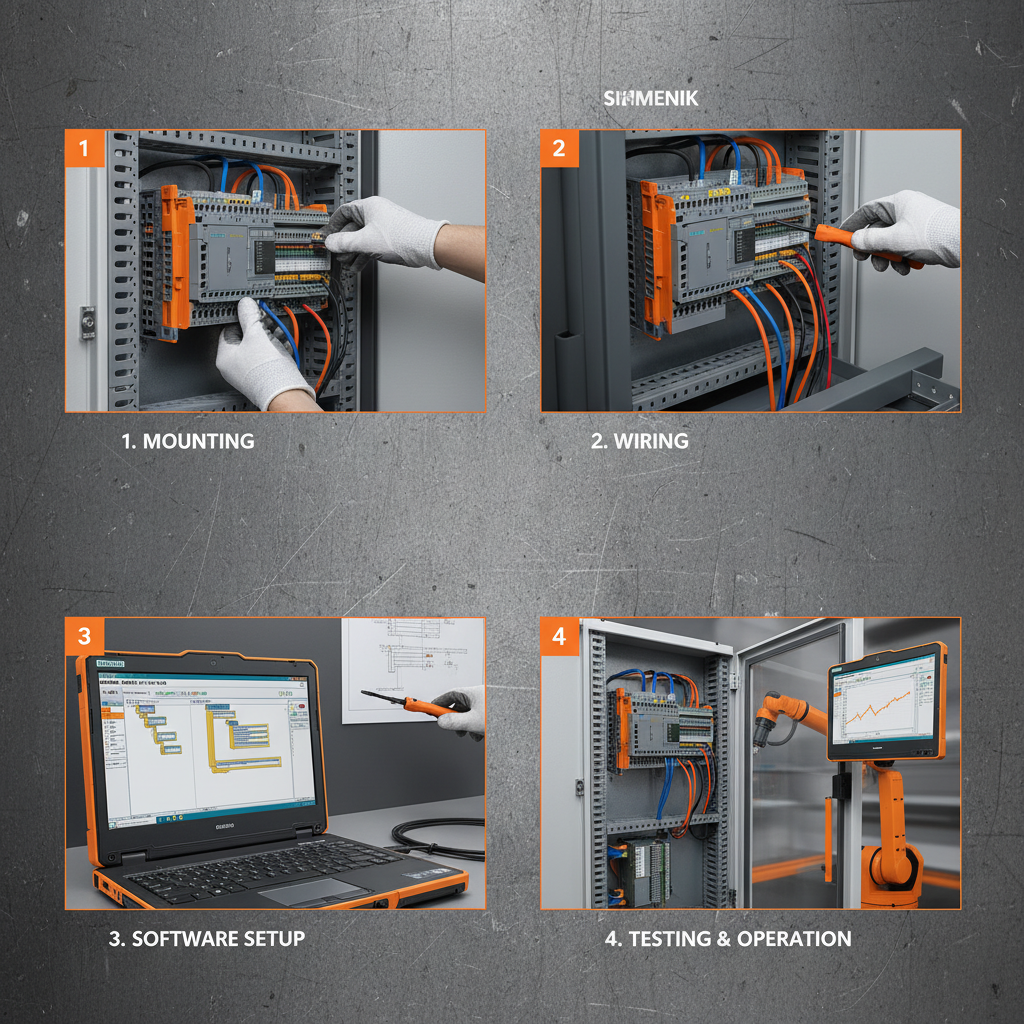
VFD Automation: Smart Motor Control Solutions for Global Efficiency
Understanding VFD Automation: Why It’s Shaping Industries Worldwide
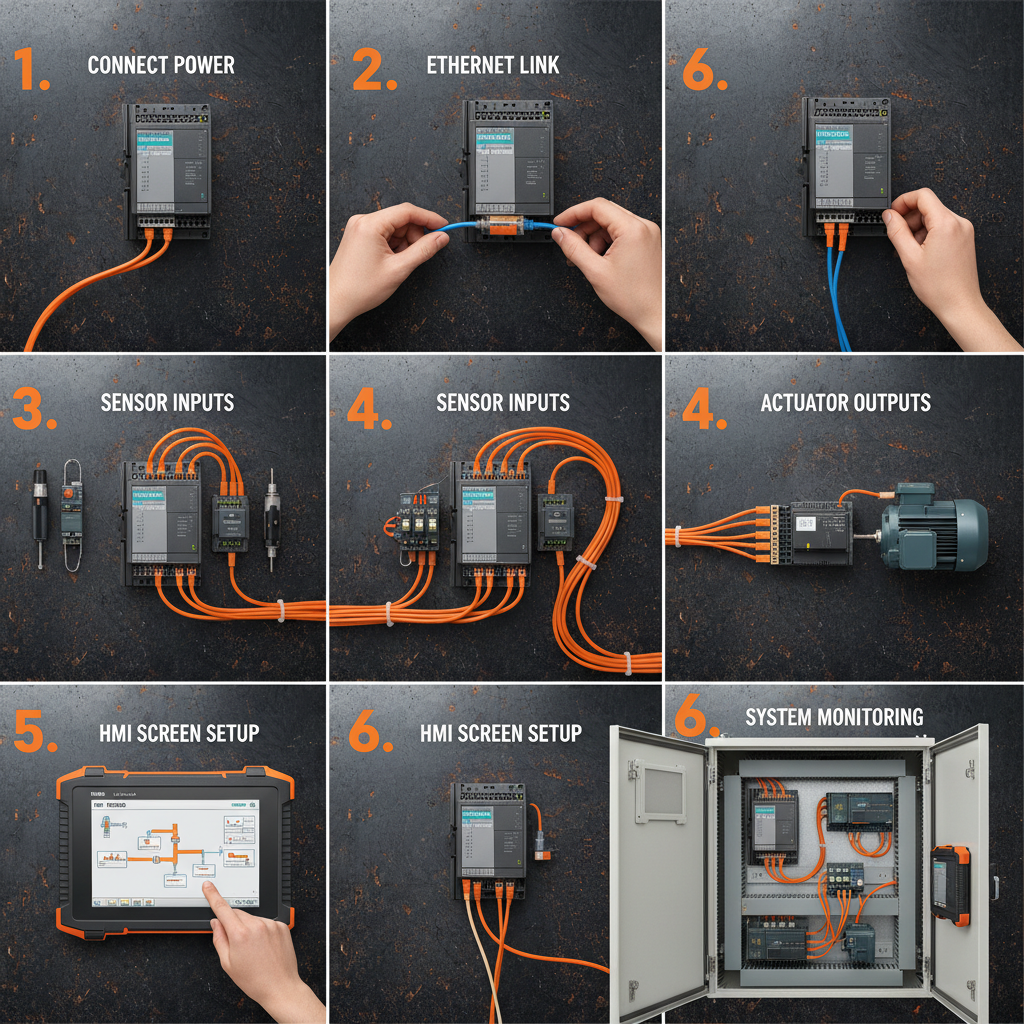
Variable Frequency Drive (VFD) automation might sound like a niche factory-floor buzzword, but in reality, it's quietly revolutionizing industrial controls, energy management, and system efficiency across the globe. Essentially, VFD automation allows precise control over electric motor speeds, which translates to smarter power consumption, better equipment longevity, and huge savings for operations that rely on motors—think water treatment plants, HVAC systems, and manufacturing lines.
In a world increasingly focused on sustainability and smart tech integration, understanding vfd automation isn’t just technical trivia; it’s a key step toward more resilient infrastructure and cost-effective operations. Whether you’re an engineer, a plant manager, or simply curious about how digital automation helps cut down industrial energy waste, this topic deserves your attention.
Setting the Stage: Why VFD Automation Matters Globally
Here’s a quick reality check: According to the International Energy Agency, motors consume roughly 45% of the world’s total electricity. That’s nearly half, mind you. Now, with forces like climate change pressure and rising energy costs, industries worldwide need smarter ways to use that energy.
VFD automation is a part of the answer—it’s not just about saving money but also about addressing emissions, reducing wear and tear on machines, and allowing for flexible operations tailored to real-time needs. A recent ISO study even links such automation to improved operational safety and reduced downtime.
However, despite its clear advantages, many industries still rely on constant-speed motors, leading to energy waste and maintenance headaches. This presents a challenge that VFD automation is uniquely positioned to solve.
Defining VFD Automation in Simple Terms
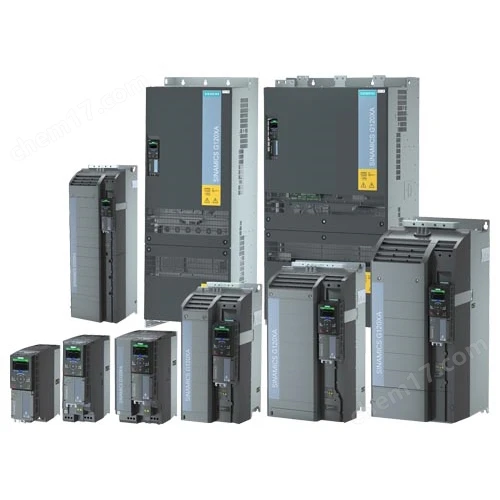
So, what exactly is VFD automation? At its core, a Variable Frequency Drive controls the speed and torque of an AC electric motor by varying electrical frequency and voltage. Coupled with automation, it means systems can adjust themselves dynamically without manual interventions—think of it as the "smart throttle" for industrial motors.
This capability is critical for modern manufacturing, water management, HVAC systems, and even large-scale farming machinery. It allows operations to be more responsive to fluctuating demands, improves energy efficiency, and minimizes mechanical stress.
Core Components Behind Effective VFD Automation
1. Durability and Build Quality
Reliable VFDs have to withstand harsh industrial conditions—from high humidity and dust to temperature extremes. Many engineers emphasize that durable enclosures and robust internal components are non-negotiable for uninterrupted performance.
2. Scalability and Integration
Every plant or building is different. Flexible VFD automation systems allow easy integration into existing control architectures and scale from small, standalone drives to complex, multi-drive arrays managed by centralized PLCs. This means upgrading is less of a headache and more of a smooth ride.
3. Energy Efficiency
Reducing energy consumption isn’t just about switching things off. It’s about running motors at the right speeds when needed. VFDs shine here, offering fine-tuned energy use, drastically cutting wastage and lowering operational costs.
4. Ease of Programming and Operation
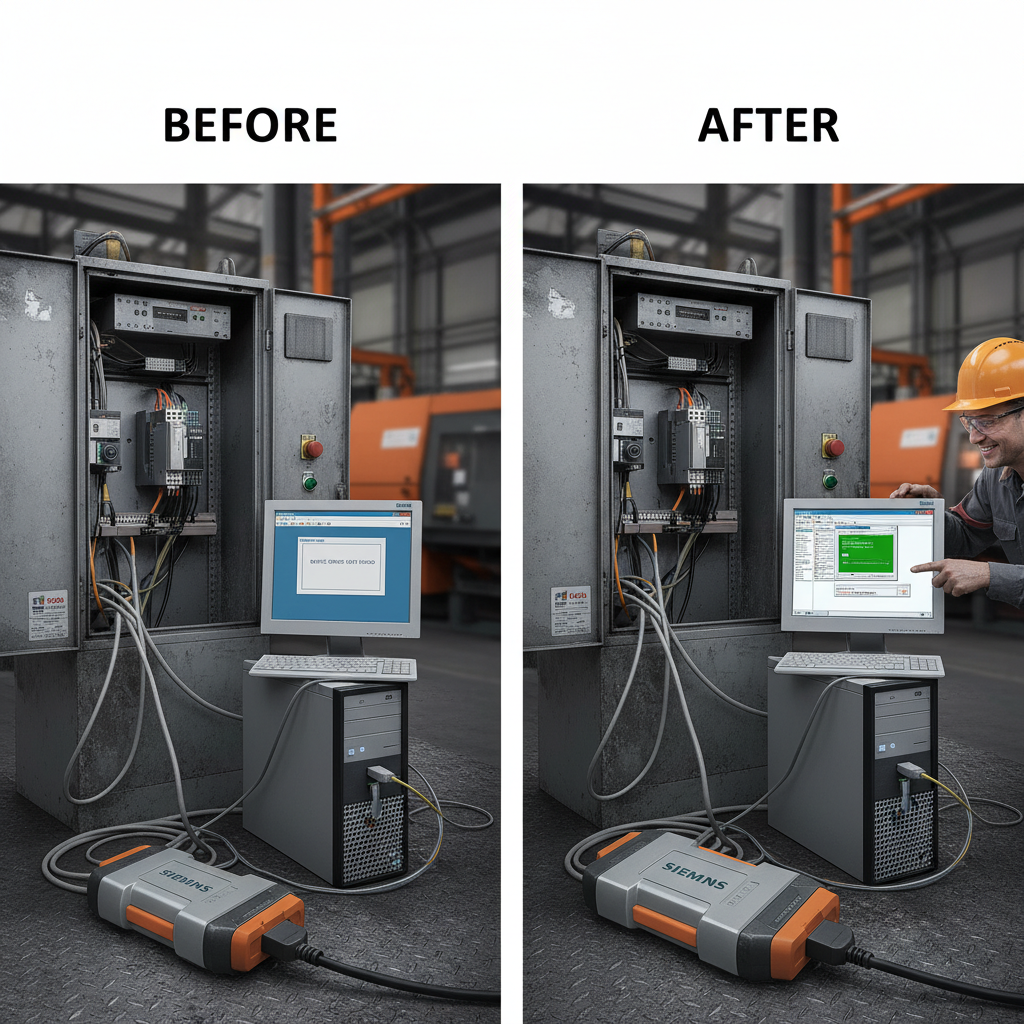
Intuitive interfaces and smart controls mean technicians don’t have to be programmers or embedded system wizards to operate or troubleshoot. Many modern VFDs include apps or touchscreen panels, which also support IoT data collection for remote monitoring.
5. Safety Features
Overcurrent protection, overheating safeguards, and fault diagnostics extend equipment life and protect operators. Reliable VFD automation helps prevent accidents and reduces unexpected breakdowns.
Real-World Applications of VFD Automation
Globally, VFD automation finds its way into diverse sectors:
- Water and Wastewater Treatment: Pumps adjust dynamically based on demand, saving energy and preventing pipeline stress.
- HVAC Systems: Fans and compressors run only as hard as needed, optimizing indoor climate control and lowering bills.
- Mining and Heavy Industry: Conveyors and crushers vary speeds for material throughput and safety.
- Agriculture: Irrigation pumps and ventilation fans modulate speed based on environmental inputs.
For example, in remote industrial zones of Southeast Asia, using VFD automation has reduced energy costs by up to 30%, which is a game-changer considering unstable grid conditions and expensive fuel-based alternatives.
Mini takeaway:
VFD automation isn’t just tech jargon: it’s a practical, proven solution bringing efficiency to diverse, often challenging environments worldwide.
Advantages and Long-Term Value of VFD Automation
Beyond obvious cost savings, VFD automation delivers several intangible but crucial benefits. For starters, it reduces strain on equipment, extending asset life and deferring expensive replacements. Operationally, it enables facilities to respond swiftly to changing conditions, boosting reliability and safety.
From a sustainability angle, cutting energy use supports global climate goals. Psychologically, workers feel safer and more confident in facilities that harness smart automation, fostering an innovation-driven culture.
Let’s be honest, I’ve heard many industry insiders say that the trust built by integrating such smart solutions pays back tenfold in both internal morale and external reputation.
A Glimpse Into the Future: Trends Driving VFD Automation Forward
The smart factory of tomorrow is already knocking on the door. Future VFD automation will increasingly align with Industry 4.0 concepts, pushing connectivity, AI-driven optimization, and edge computing. Imagine drives that predict maintenance needs before a fault occurs or adjust parameters automatically based on weather forecasts.
Meanwhile, the push for green energy means VFDs are also evolving to handle variable inputs from renewable sources like solar and wind. In that sense, they’re becoming less standalone engines and more crucial nodes in complex, sustainable industrial ecosystems.
Challenges in VFD Automation and How to Overcome Them
Of course, it’s not all smooth sailing. Compatibility with older equipment, upfront costs, and knowledge gaps can slow adoption. Many organizations also wrestle with cybersecurity concerns as more systems join the IoT network.
However, modular VFD designs, manufacturer training partnerships, and built-in encryption protocols are proving effective solutions. Also, governments and industry groups often provide incentives for energy-efficient upgrades, offsetting initial investments.
Frequently Asked Questions About VFD Automation
- Q1: How quickly can VFD automation be retrofitted into existing industrial systems?
- A1: Retrofitting timelines vary but typically range from a few days to a couple of weeks depending on system complexity. Modern VFD units are designed for easier integration, and many suppliers provide plug-and-play options to minimize downtime.
- Q2: Are VFDs compatible with renewable energy sources?
- A2: Yes, many VFDs are now specifically engineered to interface with solar or wind power systems, accommodating variable voltage and frequency inputs without sacrificing performance.
- Q3: What kind of maintenance do VFD systems require?
- A3: Routine maintenance includes cleaning, firmware updates, and monitoring for abnormal vibrations or temperatures. Newer systems with IoT capabilities often provide predictive alerts to streamline upkeep.
- Q4: Is there a significant cost difference between VFD automation and traditional motor controllers?
- A4: Initial costs for VFDs can be higher, but the payback period typically ranges from one to three years due to energy savings and reduced maintenance. Over time, they prove cost-effective and environmentally friendly.
- Q5: Can small businesses afford VFD automation?
- A5: Absolutely. Many manufacturers offer scalable solutions designed for small to medium enterprises that balance cost and capabilities without overwhelming budgets or complexity.
Product Specification Table: Typical VFD Automation Unit
| Specification | Details |
|---|---|
| Input Voltage | 200–480 VAC, 3-phase |
| Output Frequency | 0.1 Hz – 500 Hz |
| Power Rating | 0.5 kW to 500 kW |
| Control Interface | Modbus, Ethernet/IP, Profibus |
| Protective Features | Overcurrent, Overvoltage, Overheat |
| Cooling Method | Forced air, optional water cooling |
Vendor Comparison Table for VFD Automation Solutions
| Vendor | Price Range | Features | Warranty | Support |
|---|---|---|---|---|
| DriveTech Inc. | $$$ | Advanced diagnostics, IoT ready | 5 years | 24/7 technical support |
| EcoDrives | $$ | Energy optimization, scalable modules | 3 years | Business hours support |
| VoltMaster Solutions | $ | Basic VFD functions, user-friendly setup | 2 years | Email support |
Wrapping Up: Why Now Is the Time for VFD Automation
Honestly, with rising energy costs and an urgent global call for sustainable manufacturing practices, vfd automation is no longer a luxury but a strategic necessity. Its blend of cost savings, environmental responsibility, and industrial reliability makes it a win-win for businesses and communities alike.
Whether you operate a massive refinery or a midsize water treatment plant, investing in smart motor control is investing in resilience, savings, and future-readiness.
Curious to explore more? Visit our website here to discover tailored VFD solutions designed with your needs in mind.
Your mini takeaway
Think of VFD automation as the unsung hero quietly tuning the world's motors—saving energy, bricks, and dollars—one drive at a time.