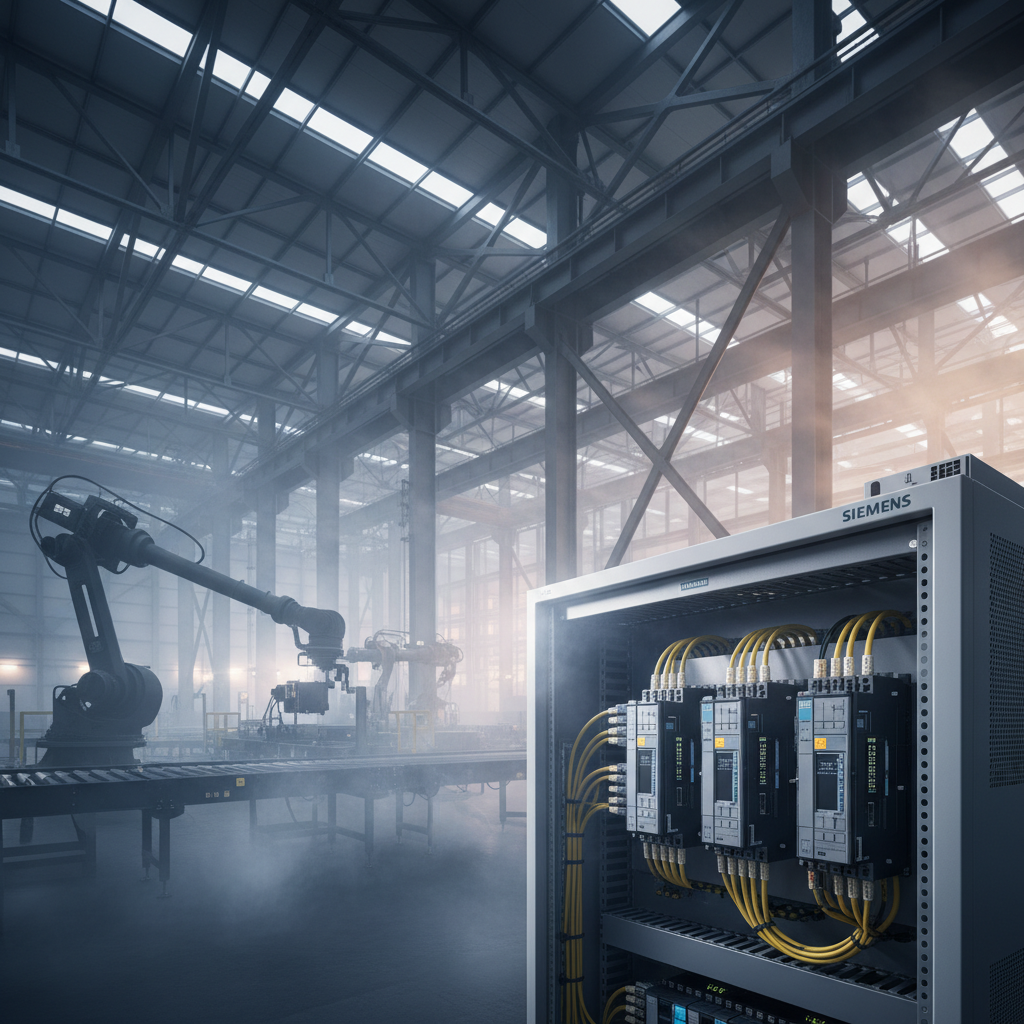
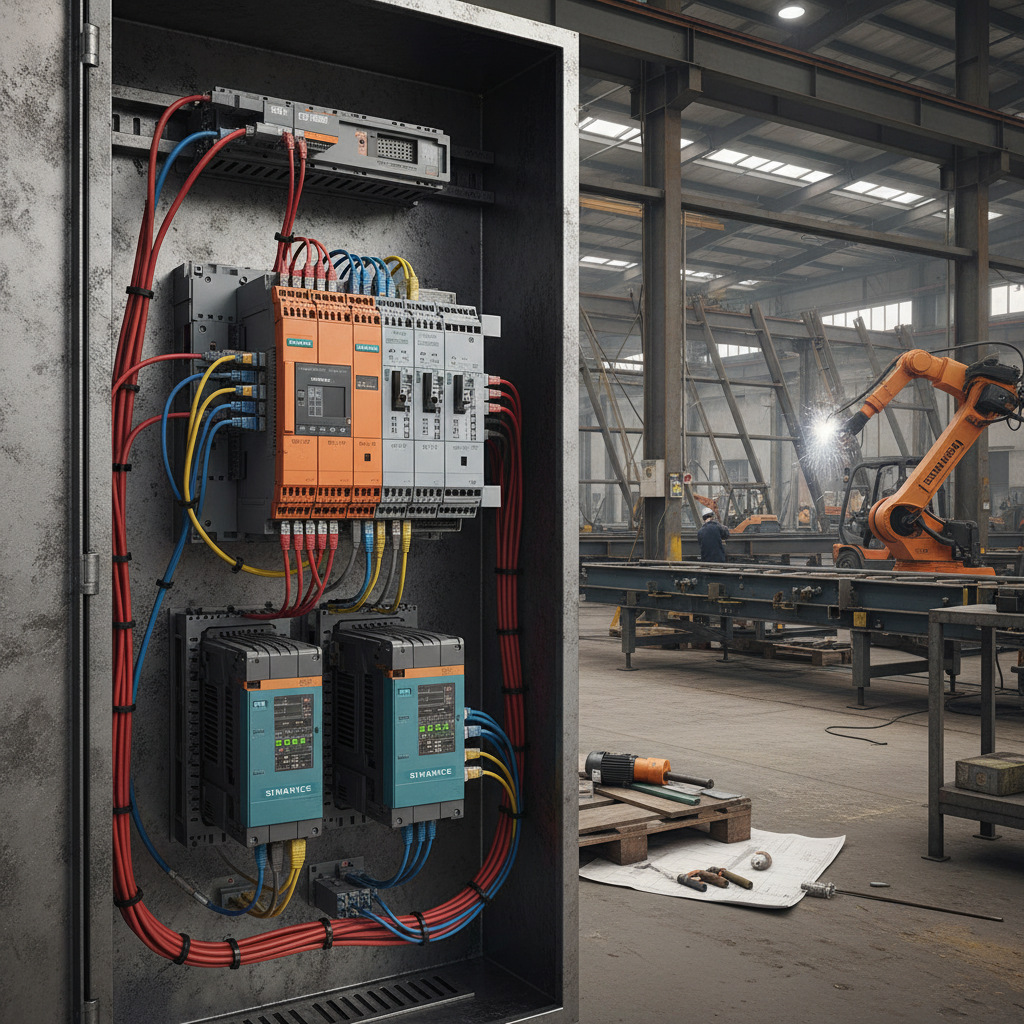
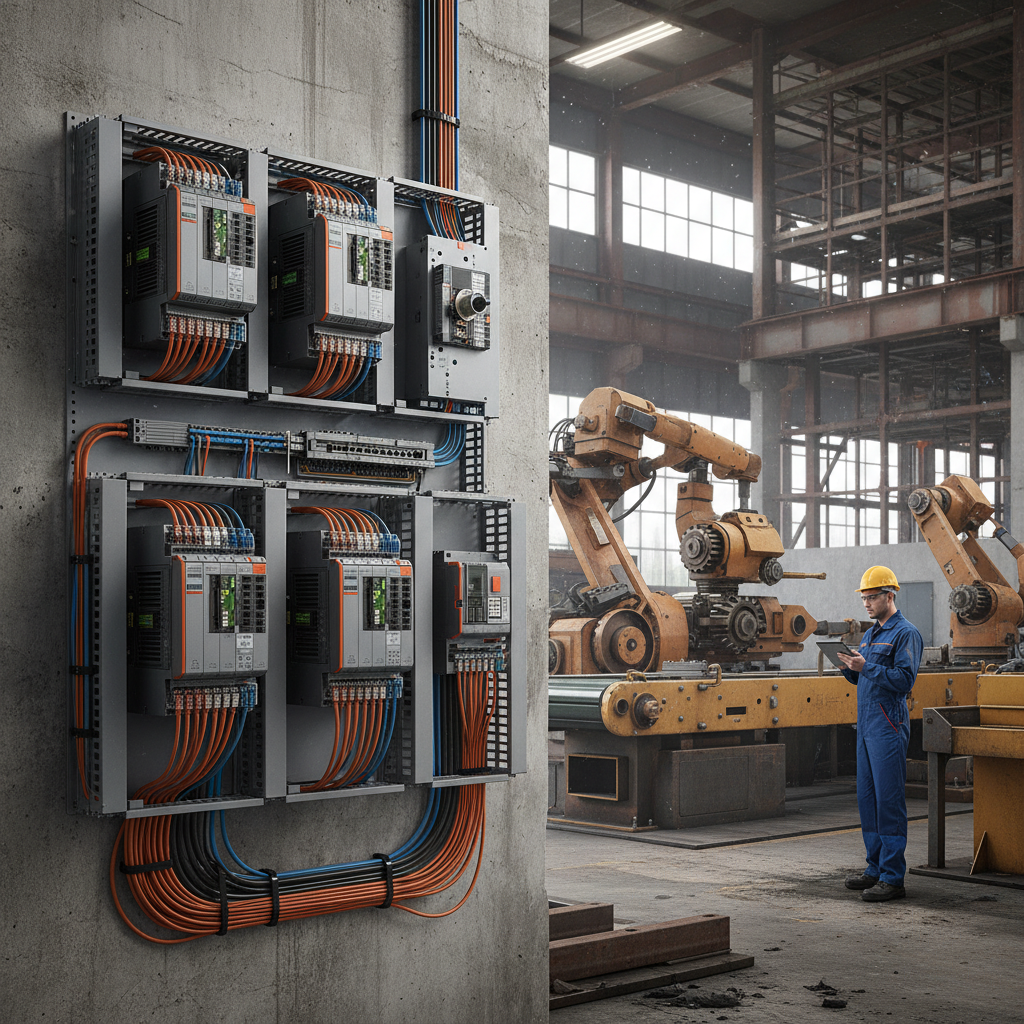
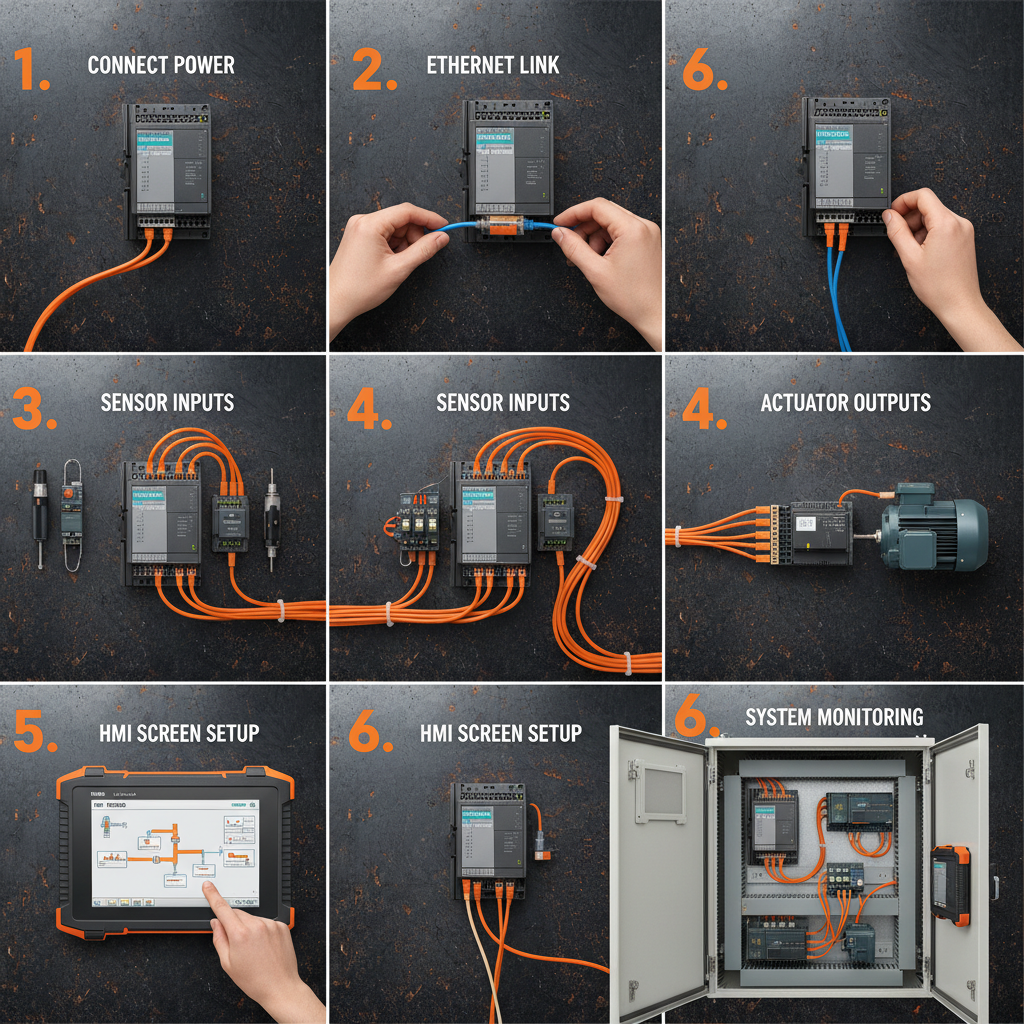
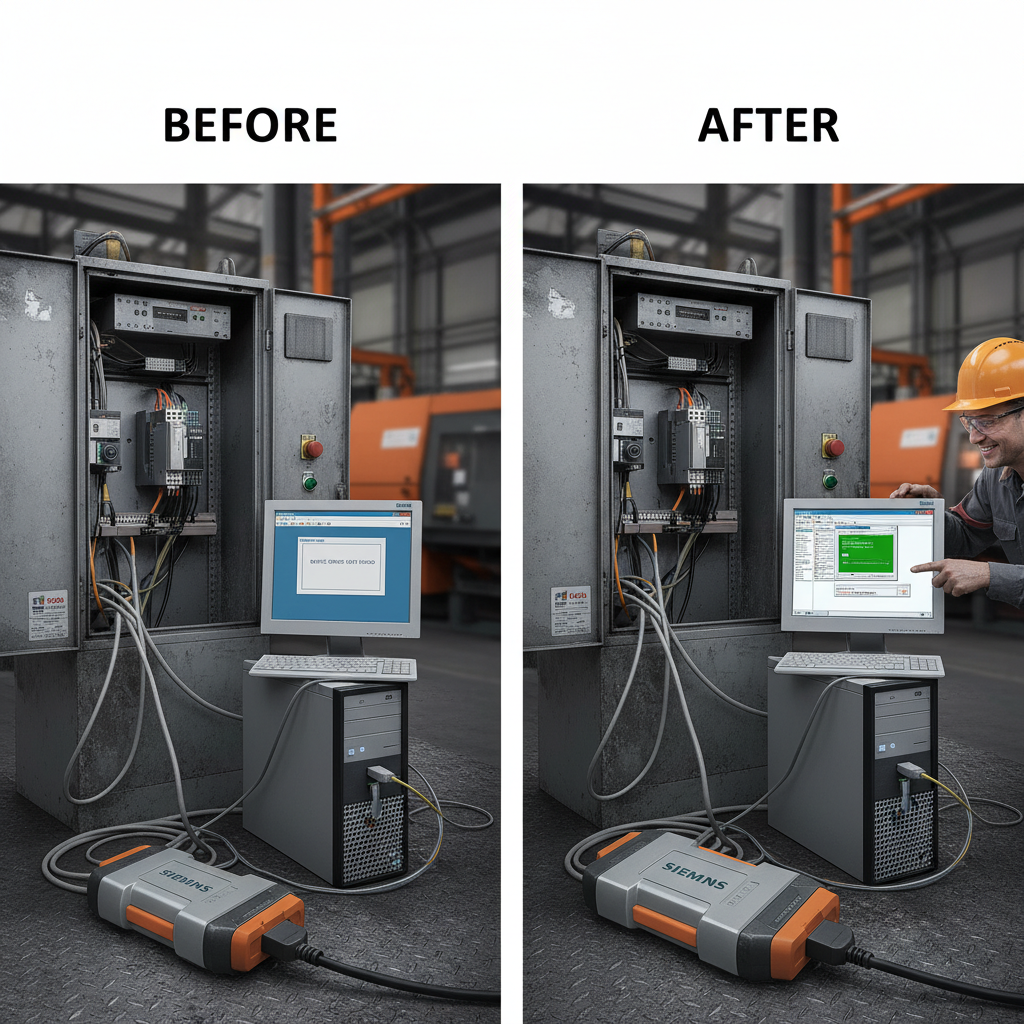
Efficient 2hp Motor with VFD – Power Your Industry Smartly
Understanding the Role of a 2hp Motor with VFD in Modern Industry
If you’ve ever paused to wonder how industrial machines adjust speeds so smoothly or how energy consumption is kept in check without sacrificing performance, you’ve probably encountered a 2hp motor with VFD in action. These are not just technical jargon but vital components transforming how industries operate worldwide. The combination of a 2 horsepower motor and a Variable Frequency Drive (VFD) offers precision, efficiency, and flexibility—qualities that resonate far beyond factory floors, impacting sustainability goals and operational costs globally.
Why does this matter on a global scale? Well, according to the International Organization for Standardization (ISO), industrial electricity consumption accounts for a significant chunk of global energy use. Efficient motor controls, like those enabled by VFDs, reduce waste and emissions, making a strong case for adoption in shipping, manufacturing, and even humanitarian applications like water pumping in remote areas.
The Growing Global Challenge: Energy Use and Precision Control
Globally, the demand for energy-efficient solutions has never been higher. The International Energy Agency reports that electric motor systems represent roughly 45% of industrial electricity consumption. Yet, many systems still run on basic motors without speed control, wasting energy by running at full power regardless of demand.
Here’s where the 2hp motor with VFD steps in—more than just a nifty gadget, it’s a practical answer to rising energy costs, environmental concerns, and the need for more flexible machinery. For example, factories in Asia and Europe have noted reductions in electricity bills by 20% or more after retrofitting equipment with VFD-enabled motors.
In humanitarian contexts, where power reliability fluctuates, having motors that can smoothly adjust their speed also prevents system failures, improves equipment lifespan, and ensures critical processes—like water delivery or medical equipment operation—stay uninterrupted.
What Exactly Is a 2hp Motor with VFD?
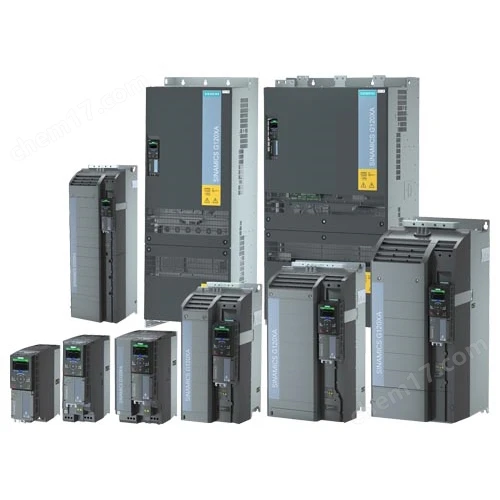
Put simply, a 2hp motor with VFD is an electric motor rated at two horsepower combined with a Variable Frequency Drive. The motor provides mechanical power, roughly enough to drive small pumps, conveyors, or fans. The VFD is the brain—it varies the motor’s speed and torque by adjusting the power frequency, giving precise control over operation.
In practice, this pairing allows industries to tailor motor performance to exact needs instead of running motors at fixed speeds. This means less wear and tear, higher energy efficiency, and lower operating costs. For emerging industries, it also means easier integration with smart management systems and automation.
Oddly enough, though, many businesses still overlook how much a smart motor-VFD combo can improve output quality—and not just bottom-line savings.
Core Components That Make This Setup Tick
1. Durability and Build Quality
Motors at the 2hp level often have to endure continuous operation in harsh environments. Durable construction materials and robust VFDs ensure long-term uptime.
2. Energy Efficiency
VFDs allow motors to run only as fast as needed, slashing unnecessary power use. Engineers often note efficiency gains up to 30% compared to direct-on-line start motors.
3. Scalability and Flexibility
Because the VFD controls speed, a single 2hp motor can suit varied applications—say, both a slow conveyor and a rapid-pumping system—without swapping hardware.
4. Ease of Integration
Modern VFDs often come with communication protocols (e.g., Modbus, Ethernet) making integration with industrial control systems straightforward.
5. Cost-Effectiveness
Though initial costs may be higher than traditional motors, the long-term savings from energy efficiency and reduced maintenance often justify the investment.
Mini Takeaway: Understanding what makes a 2hp motor combined with a VFD tick helps firms pick solutions that last.
Real-World Use Cases Across the Globe
- Manufacturing plants in Germany use 2hp motors with VFDs to precisely control assembly line conveyors, improving product quality.
- Water treatment facilities in India rely on these systems for energy-saving pump control, crucial in areas with erratic power supply.
- Agricultural irrigation in the US Midwest benefits from VFDs moderating pump speeds based on soil moisture data, optimizing water use.
- Mining operations in Australia deploy these motors for ventilation fans, where speed adjustments adapt to air quality sensors to ensure worker safety.
Oddly enough, in some developing regions, the adoption lags due to cost or lack of technical skills. Still, initiatives led by NGOs and some governments are helping bridge that gap with financing or training programs.
Advantages and Long-Term Value of 2hp Motor with VFD
Besides the obvious energy savings, these motor systems bring tangible advantages:
- Environmental Impact: Reduced energy consumption directly cuts greenhouse gases.
- Reduction in Noise and Vibration: Smooth speed control lowers mechanical stress, improving workplace safety.
- Reliability and Reduced Downtime: VFD protection functions minimize risk of sudden motor failure.
- Enhancing Operational Flexibility: Easy speed changes respond quickly to shifting production demands.
- Improved Equipment Longevity: Reduced mechanical stress extends motor life, saving replacement costs.
On a human level, this reliability means safer environments for workers and better service delivery in humanitarian projects. Frankly, it’s the kind of unsung hero tech that powers so much of our everyday life without drawing attention.
The Future of 2hp Motor with VFD: Trends to Watch
The world of motor drives is rapidly evolving with:
- Green Energy Integration: Increasing compatibility with renewable energy sources like solar or wind to run variable load systems more sustainably.
- IoT and AI-Powered Drives: Smarter VFDs that predict maintenance needs or optimize performance through machine learning.
- Advanced Materials: Use of lighter, more heat-resistant materials improving motor life and efficiency.
- Policy and Standards: Stricter energy efficiency regulations encouraging wider adoption.
Eventually, these trends will not just improve how 2hp motors with VFD perform but also their accessibility and cost-effectiveness worldwide.
Challenges & Innovations — Clearing the Roadblocks
While promising, integration isn’t always plug-and-play. Some common challenges include:
- Initial Investment Costs: Higher upfront cost than fixed-speed drives can deter small-scale users.
- Technical Expertise: Installation and programming needs can be complex without proper training.
- Maintenance and Repairs: Advanced electronics can require specialized services.
To address these, companies are offering more user-friendly VFDs, on-site training, and better financing options. Plus, advances in solid-state electronics are gradually lowering component costs, making these systems more accessible.
Product Specification Table: Typical 2hp Motor with VFD Setup
| Specification | Detail |
|---|---|
| Motor Power | 2 horsepower (HP) |
| Voltage | 230V / 460V (3-phase) |
| Frequency Range | 0-60 Hz adjustable via VFD |
| Control Method | Variable frequency control with built-in PID |
| Efficiency | IE3 or IE4 high-efficiency motor grade |
| Protection Class | IP55 (dust & water resistant) |
| Communication | Modbus TCP/IP, Ethernet optional |
Vendor Comparison: Popular 2hp Motor with VFD Suppliers
| Feature / Vendor | Vendor A | Vendor B | Vendor C |
|---|---|---|---|
| Price Range | $650 - $800 | $700 - $900 | $600 - $750 |
| Warranty | 3 years | 2 years | 3 years |
| Energy Efficiency Class | IE4 | IE3 | IE4 |
| Communication Options | Modbus, Ethernet | Modbus only | Ethernet, Profibus |
| Ease of Installation | High (Plug & Play) | Medium (Requires programming) | High (User-friendly UI) |
FAQs About 2hp Motor with VFD
- Q1: How does a VFD actually save energy with a 2hp motor?
- A: The VFD adjusts the motor's frequency and voltage to match the load requirements. Instead of running full speed continuously, it runs just fast enough for the task, reducing wasted power and electrical stress. This leads to significant energy savings especially in variable-load applications.
- Q2: Can I retrofit an existing 2hp motor with a VFD?
- A: In many cases, yes. However, not all existing motors are designed for variable frequency operation, so compatibility and electrical ratings need checking before retrofit. Consulting with a professional ensures safety and optimization.
- Q3: What industries benefit most from 2hp motors with VFDs?
- A: They’re widely used in manufacturing, HVAC systems, water treatment, agriculture, and mining—basically anywhere variable speed control improves process efficiency or product quality.
- Q4: Are 2hp motor and VFD systems complex to maintain?
- A: They require regular checks like any motor system, but advanced diagnostic features in many VFDs help predict issues early. Proper maintenance reduces downtime and extends service life.
- Q5: Where can I find affordable and reliable 2hp motor with VFD units?
- A: Checking reputable suppliers with good warranty policies is key. Our partner's page at 2hp motor with vfd offers competitive options and local support.
Conclusion: Why the 2hp Motor with VFD Deserves Your Attention
To wrap up, combining a 2hp motor with a Variable Frequency Drive isn’t just about tweaking machine speed—it’s a practical, proven way to enhance efficiency, cut costs, and support sustainability in a world where every watt matters. If you’re considering how to upgrade or specify your next project, it really deserves a hard look. Don’t just take my word for it—check out more information and products at 2hp motor with vfd. It might just be the smartest power move you make this year.
Thanks for sticking with me here. If you ever hang around plants or technical workshops, you’ll notice how these little powerhouses quietly reshape the future of industry.