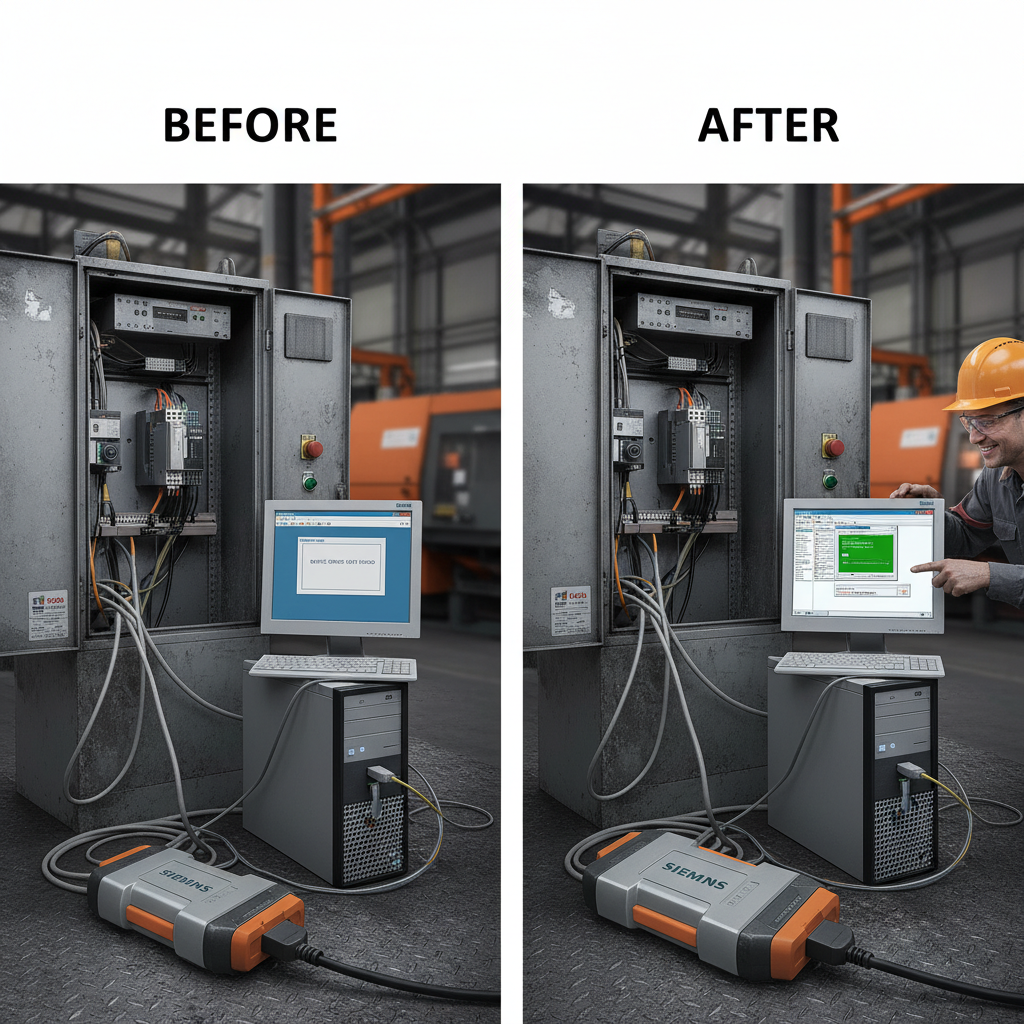
What Is a 120v Variable Frequency Drive & Why It Matters for Your Energy Efficiency
Understanding the 120v Variable Frequency Drive: Why It Matters Worldwide
Variable frequency drives (VFDs) have quietly revolutionized how machines and motors operate, especially when energy efficiency and precise speed control are priorities. Among them, the 120v variable frequency drive stands out for applications where compact, low voltage control is essential. But why care? Well, in a world increasingly demanding smarter energy use and flexible industrial solutions, understanding this technology unlocks improved productivity, reduced energy costs, and even greener industrial practices across the globe.
From manufacturing plants in Asia to water treatment facilities in Europe, and emergency power in humanitarian zones, the 120v VFD’s adaptability helps address critical challenges like rising energy prices and tightening carbon emissions. It’s more than just a motor controller — it’s a small, smart piece of tech with big impacts.
The Global Role of 120v Variable Frequency Drives
According to the International Energy Agency, industrial motors consume roughly 40% of all global electricity. Variable speed control, including 120v variable frequency drives, helps cut down unnecessary energy waste significantly. This is crucial since, according to the United Nations, about 770 million people worldwide still lack access to reliable electricity—a problem where efficient, low-voltage tech can play a pivotal role.
The challenge? Traditional motor systems run at fixed speeds, leading to inefficiencies. But with a 120v variable frequency drive, speed and torque adapt dynamically to demand, resulting in less wear, more energy savings, and ultimately—lower operational costs. Especially in emerging markets or remote installations, the reliability and lower electrical requirements of 120v VFDs are game changers.
Quick takeaway:
- The 120v variable frequency drive optimizes electricity usage worldwide.
- It addresses real energy inefficiencies in industrial and humanitarian contexts.
- The device aligns with urgent global energy access and sustainability goals.
What Exactly Is a 120v Variable Frequency Drive?
Simply put: a 120v variable frequency drive is a motor controller that adjusts the frequency and voltage supplied to an electric motor, allowing for variable speed operation instead of the traditional all-or-nothing approach. The “120v” part designates that it runs on common 120-volt single-phase power sources, making it ideal for smaller-scale or residential uses.
In industrial terms, this means you get precise speed control without needing higher voltages or more complex wiring setups. That’s handy for facilities where space, power availability, or budget constraints limit heavier equipment use. Plus, for humanitarian and disaster relief operations, compact VFDs running on convenient voltages can help power water pumps, fans, or conveyor belts quickly and efficiently.
Mini summary:
- 120v VFDs control motor speed by varying voltage and frequency.
- They run on accessible 120v power sources.
- This makes them versatile for a wide range of applications worldwide.
Core Components and Key Features of 120v Variable Frequency Drives
1. Durability
Many engineers stress that a good VFD must survive harsh environments — think dust, humidity, or temperature swings. A robust build means longer life, especially important in remote or developing-world installations.
2. Scalability
120v VFDs often come in modular designs, allowing easy upgrades or custom setups. This is critical in fast-evolving industries or humanitarian projects where needs grow or shift unpredictably.
3. Cost Efficiency
Simplicity in running on 120 volts means cheaper wiring, easier installation, and lower maintenance. Over time, energy savings offered by the VFD translate into tangible financial benefits.
4. User-Friendly Interface
Modern units typically feature intuitive controls and monitoring screens, enabling technicians or operators, sometimes with minimal training, to make quick adjustments or spot issues fast.
5. Safety Features
VFDs include built-in protections against overload, short circuits, or overheating — essential for reliable long-term operation and worker safety.
| Specification | Typical Value | Notes |
|---|---|---|
| Input Voltage | 120 V AC | Standard single-phase supply |
| Output Frequency Range | 0 - 400 Hz | Wide frequency adjustment |
| Max Motor Power | 1 HP | Suitable for small motors |
| Control Method | V/f and Sensorless Vector | Ensures smooth speed control |
| Protection Features | Overload, Short Circuit, Overheat | Enhances safety and reliability |
Real-World Uses: How and Where 120v Variable Frequency Drives Shine
This isn’t just theory. Across continents and industries, 120v VFDs have found a niche. For example, in remote agricultural zones in Africa, these drives power irrigation pumps using readily available single-phase supplies, making water management more energy-efficient and affordable.
In cold storage warehouses in Europe, they regulate conveyor motors' speed to synchronize with loading docks, cutting energy waste and equipment wear. Humanitarian organizations also rely on compact 120v VFDs in disaster relief to maintain water and ventilation systems when infrastructure is compromised.
Vendor Comparison Table for Popular 120v VFD Models
| Vendor | Max Power Output | Control Features | Price Range (USD) | Warranty |
|---|---|---|---|---|
| DriveMax | 1 HP | V/f, Sensorless Vector | $220 - $280 | 2 years |
| VoltEase | 0.75 HP | V/f Only | $180 - $230 | 1.5 years |
| EcoSpin | 1 HP | Sensorless Vector | $250 - $300 | 3 years |
Why Invest in a 120v Variable Frequency Drive? The Long-Term Benefits
Sure, the immediate perks—a quieter motor, less mechanical stress, an easier startup—are tempting, but over time the savings mount. Reduced energy consumption, lower maintenance costs, and extended motor life translate to not just dollars saved but trust earned among operators and clients.
There’s also an emotional side. For industries and NGOs alike, integrating a reliable 120v VFD means safer working environments and a chance to pursue green energy goals more seriously. Who wouldn’t feel a little proud knowing their operations are cutting waste and emissions in tangible ways?
Summary:
- Cost savings from energy efficiency and maintenance reductions.
- Improved safety and equipment longevity.
- Supports sustainability and social responsibility efforts.
What’s Next? Emerging Trends & Innovations in 120v VFD Technology
The future looks promising. Advances like AI-based adaptive control algorithms are helping VFDs predict load changes for even smoother operation. Integration with IoT platforms means predictive maintenance is not far off—even for these low-voltage units.
On the sustainability front, manufacturers are exploring eco-friendly materials and designing VFDs compatible with renewable power sources, such as solar or small wind turbines, expanding their reach to off-grid communities.
Common Issues and How Experts Address Them
Anyone who’s dealt with variable frequency drives knows that harmonics can cause electrical noise, potentially disturbing other devices. Experts now recommend line reactors or filters alongside the drive to mitigate this. Also, wiring and installation mistakes are surprisingly common culprits of failure — proper training and robust manuals can ease this.
In some places, the challenge is simply sourcing quality parts. That’s why trusted vendors with proven warranties and global support networks (like the ones listed above) are vital partners.
FAQ: Your Practical Questions About 120v Variable Frequency Drives
- Q: Can I use a 120v variable frequency drive to control a motor larger than 1 HP?
- A: Typically, 120v VFDs are designed for small motors up to about 1 HP due to power constraints. For bigger motors, 230V or three-phase drives are recommended for better efficiency and safety.
- Q: How complex is installing a 120v VFD for a novice technician?
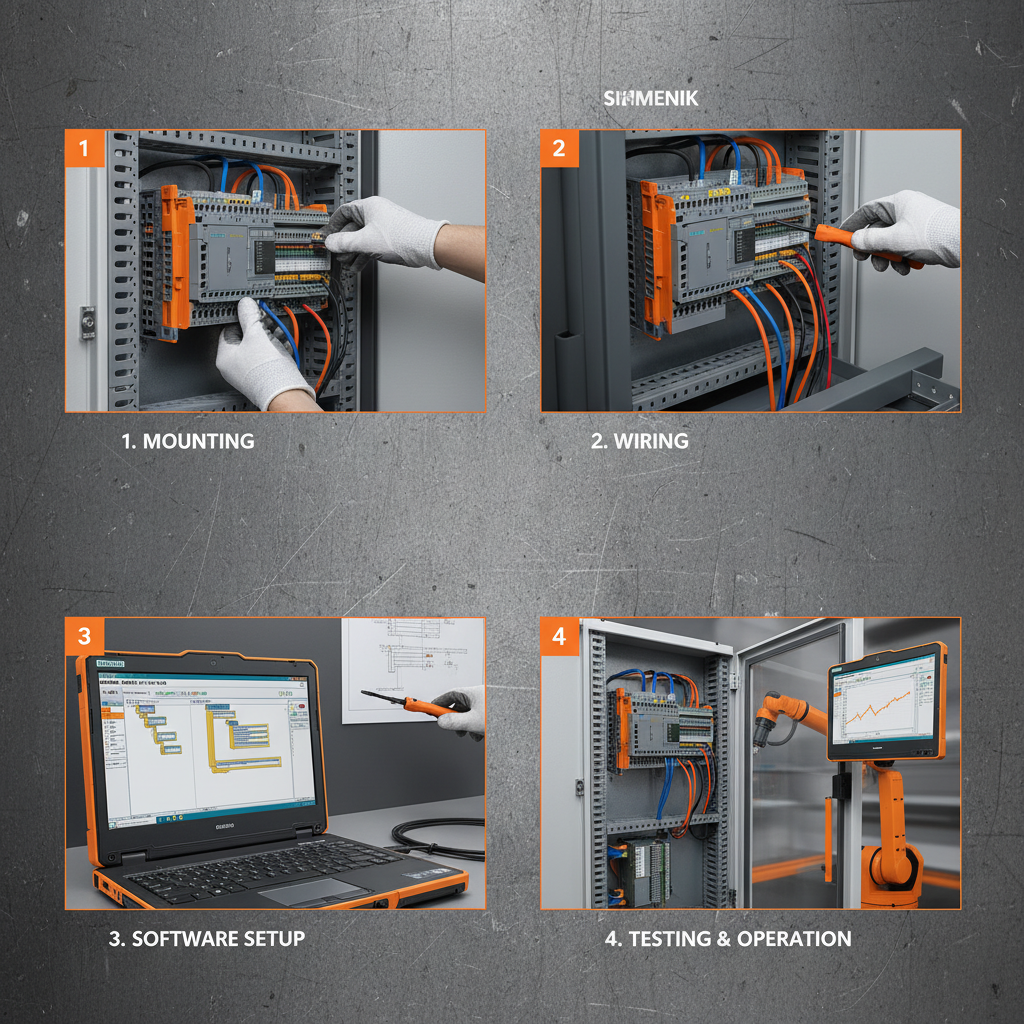
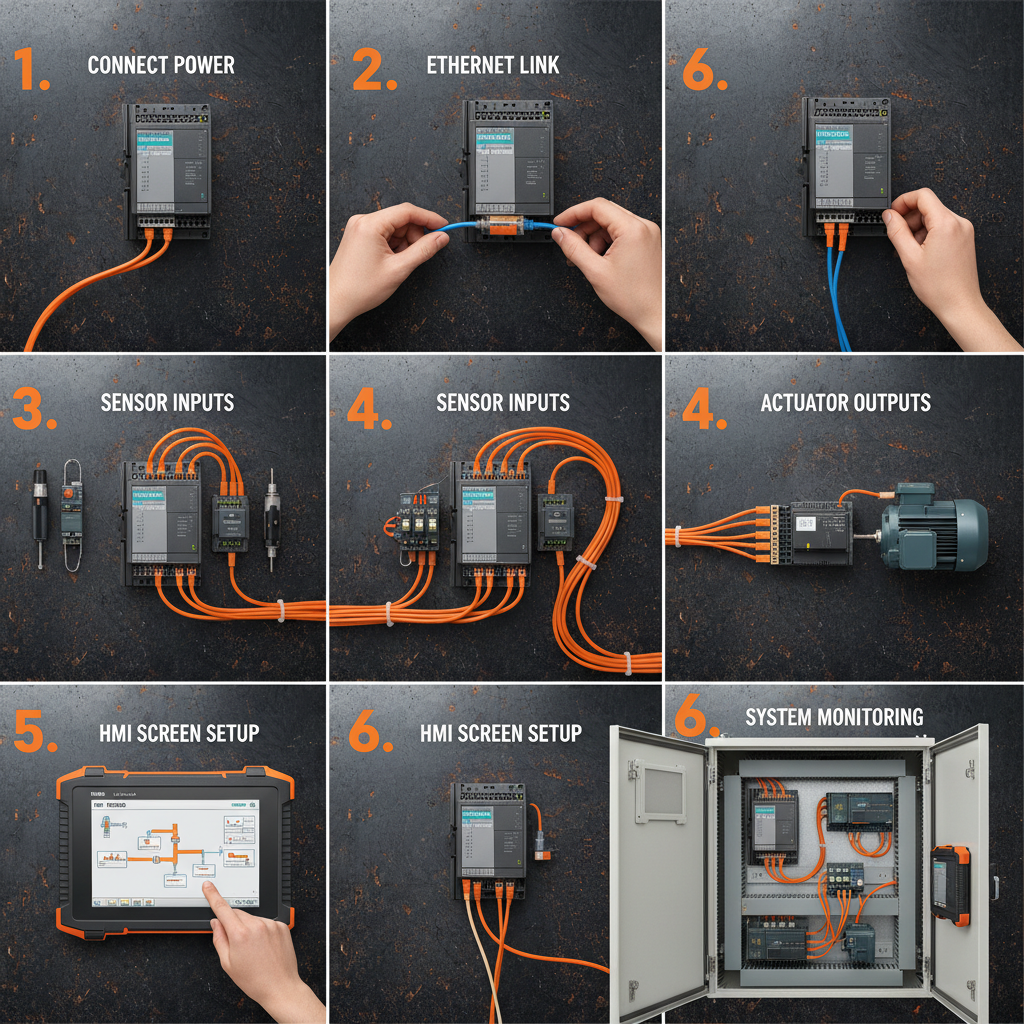
- Installation is usually straightforward with a clear manual, especially since 120v single-phase power is common. Still, basic electrical knowledge and understanding of motor compatibility are important to avoid damage or safety issues.
- Q: In what scenarios is a 120v variable frequency drive preferred over higher voltage models?
- Low voltage drives are preferred in residential, small commercial, or remote applications where three-phase power isn’t available. This might include small pumps, fans, or conveyors in off-grid or temporary setups.
- Q: Are 120v variable frequency drives energy efficient?
- Yes! By adjusting motor speed to match demand rather than running full throttle continuously, these drives significantly reduce power consumption and operational costs.
- Q: Can these drives be integrated with renewable energy sources?
- Increasingly so. Many modern 120v VFDs can be adapted for use with solar inverter setups, especially for small pumps or fans, enabling greener operations in remote or off-grid communities.
Wrapping Up: Why 120v Variable Frequency Drives Are Worth Considering
In the messiness of real-world applications, a 120v variable frequency drive might seem like a small cog. But in truth, it’s a versatile and energy-smart solution fit for many industrial and humanitarian challenges around the world. Whether you’re upgrading an old motor or setting up equipment for disaster relief, this technology packs a powerful punch for size and cost.
Interested in exploring options or finding the perfect model to fit your needs? Visit our website for detailed product info and expert guidance. Because smarter motor control isn’t just a nice-to-have — it’s good business and a step toward a more sustainable future.
Final thoughts:
Choosing the right variable frequency drive is a bit like picking the right tool for a job—it’s easy to overlook until you realize how much smoother, cheaper, and greener your operations become.