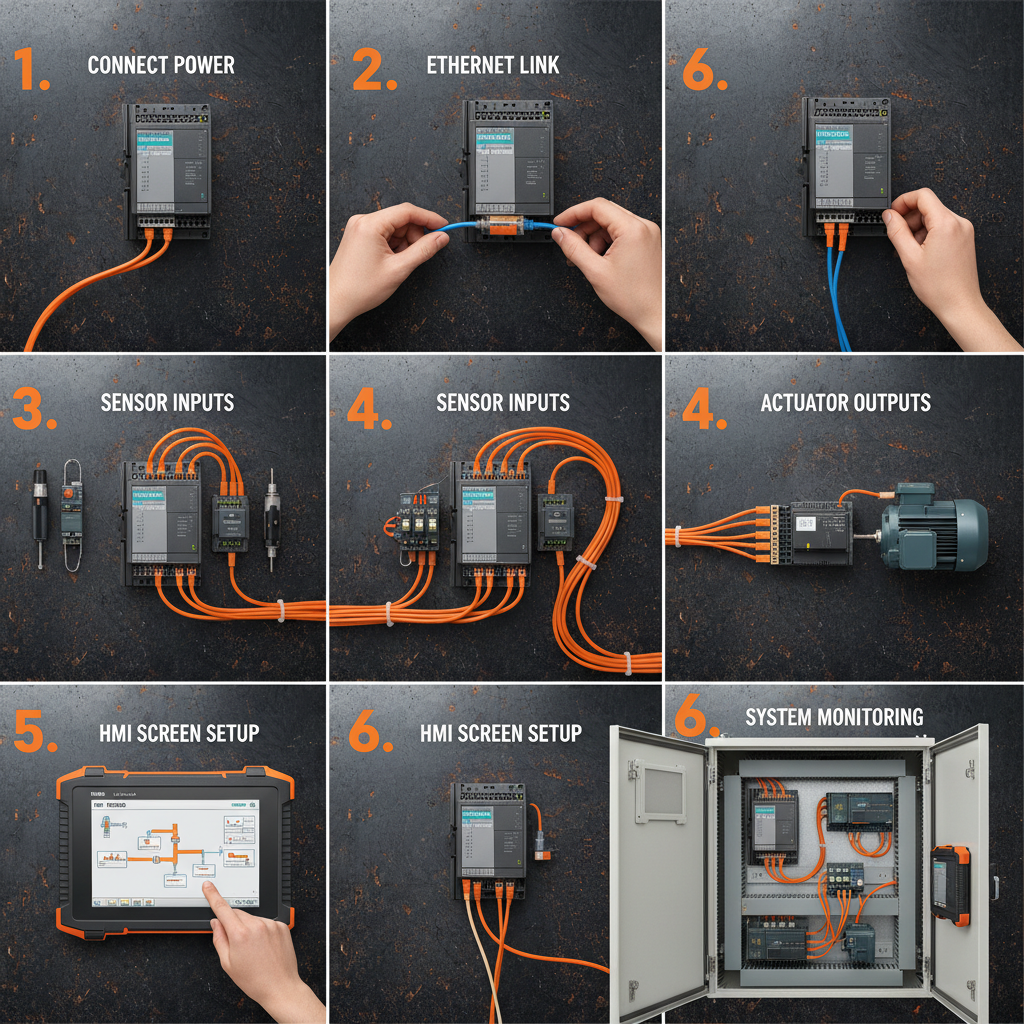
The Essential Guide to 0.5 hp VFD: Benefits, Applications, and Future Trends
Understanding the 0.5 hp VFD: A Small Device with Global Impact
When we talk about 0.5 hp VFDs, we're really looking at a modest piece of technology that quietly powers a surprising number of applications worldwide. Variable Frequency Drives (VFDs) rated for half a horsepower may sound technical or niche, but they hold a vital place in industries ranging from manufacturing to water management. Globally, as energy efficiency and industrial automation become priorities, understanding these drives is more than an academic exercise — it’s a pathway to smarter energy use, cost savings, and environmental stewardship.
To put it simply, a 0.5 hp VFD controls the speed of motors by adjusting the input frequency and voltage. This not only saves energy but extends equipment lifespan—important considerations worldwide as per International Energy Agency insights showing industrial motors consume over 40% of global electricity usage (IEA, 2021).
The Global Context: Why 0.5 hp VFD Matters
Energy demand continues to rise, especially in emerging economies investing in industrial infrastructure. According to the United Nations Industrial Development Organization (UNIDO), optimizing electric motor systems is a top strategy for reducing industrial energy consumption. A 0.5 hp VFD fits right in here by enabling precise speed control of moderately sized motors used in pumps, fans, and conveyors.
However, many regions still suffer from inefficient motor usage—causing unnecessary carbon emissions and operational costs. The challenge remains: how to deploy cost-effective motor controllers that can be integrated easily across various systems? The 0.5 hp VFD offers a practical answer to this question, combining affordability with scalable energy savings.
Defining the 0.5 hp VFD
So, what exactly is a 0.5 hp VFD? '0.5 hp' indicates the motor power rating—about 373 watts—making these drives suitable for small to medium motor applications. VFD stands for Variable Frequency Drive, a device that changes the frequency and voltage supplied to an electric motor. This control lets the motor run at variable speeds instead of full speed all the time.
This is invaluable in today's industrial landscape, where fine-tuned process control and energy reduction are increasingly necessary. The ability to adjust motor speeds on demand means less mechanical strain, lower electricity bills, and reduced pollution — all highly desirable outcomes globally.
Core Components and Key Factors of 0.5 hp VFDs
Let’s break down some important factors that make these devices tick and why they're practical:
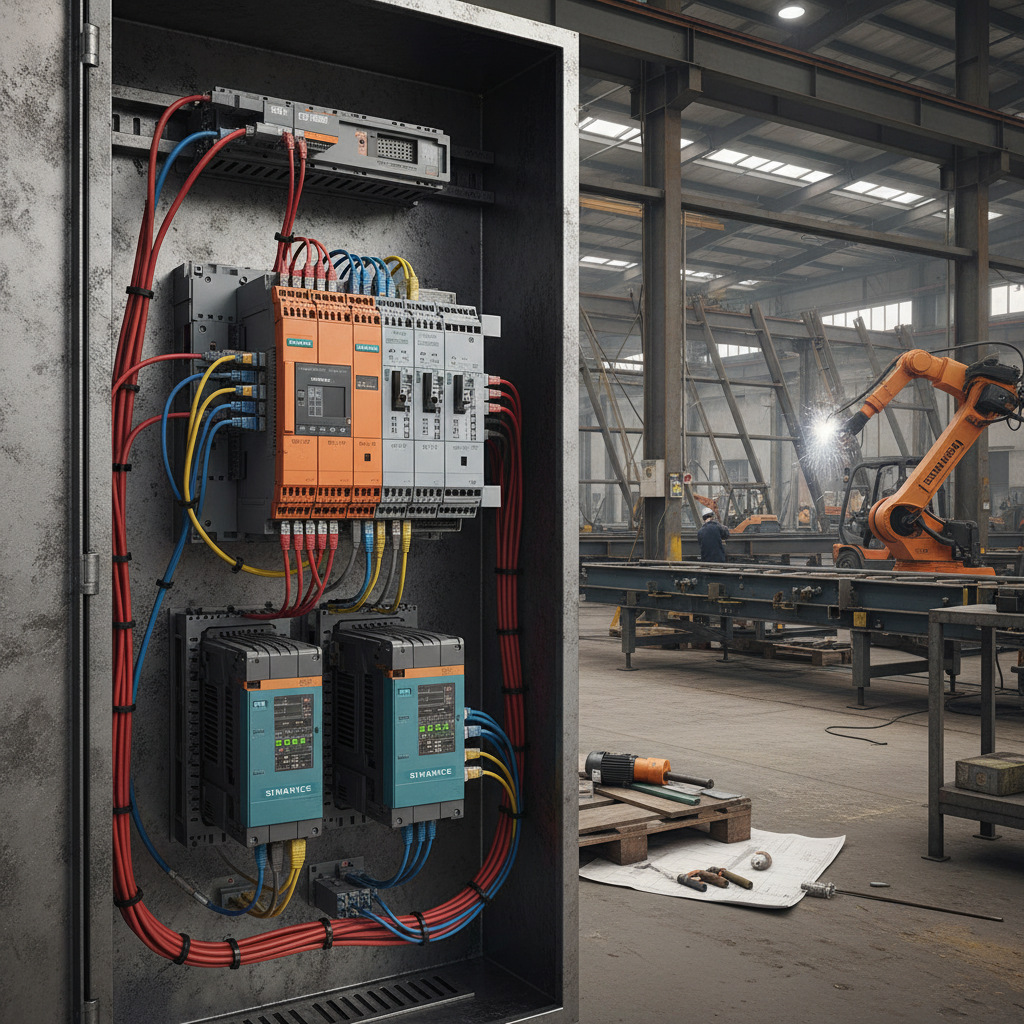
- Durability: Rough industrial environments demand rugged units. Many 0.5 hp VFDs feature sealed enclosures and thermal protection to keep running under harsh conditions.
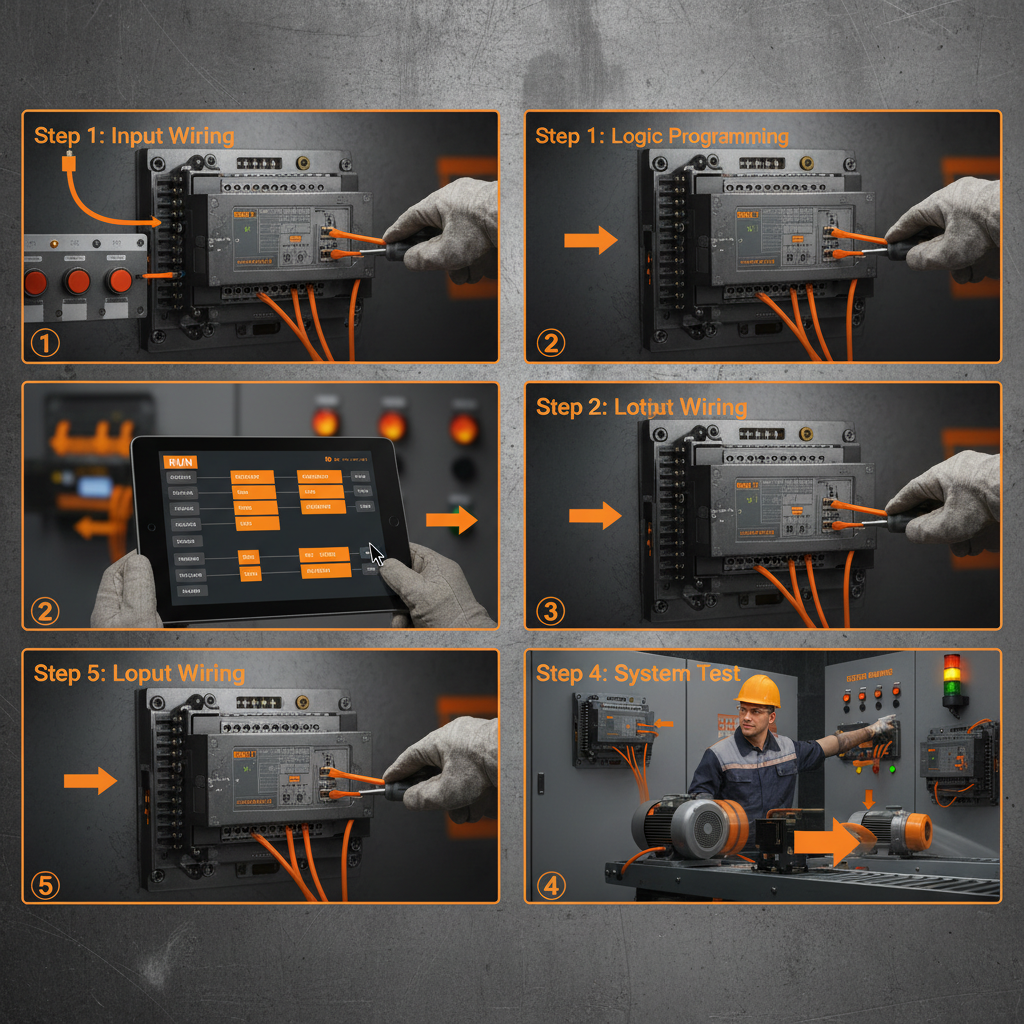
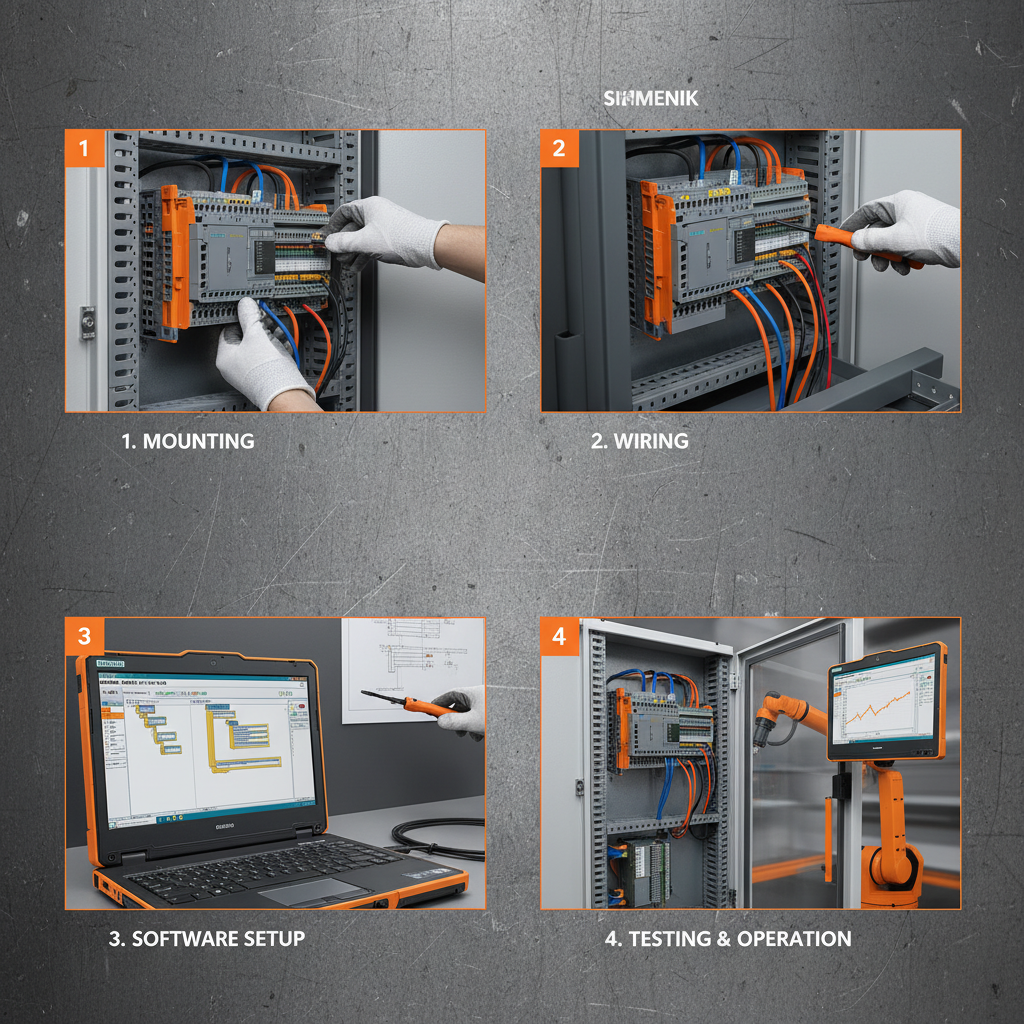
- Scalability: They suit small standalone machines or integration into larger automation lines, with flexible communication protocols and easy programmability.
- Cost Efficiency: Typically, such drives cost less than larger counterparts but still yield significant energy savings when deployed properly.
- Precision Control: Offering adjustable acceleration, deceleration, and speed settings, they help optimize processes in sectors like food processing and HVAC.
- Compact Size: Space is often limited in industrial setups — these drives pack power in small footprints.
Each of these aspects means you get a drive not just good on paper, but built for real-world challenges, proving why engineers keep recommending 0.5 hp VFDs for small motor control.
Product Specifications of a Typical 0.5 hp VFD
| Specification | Details |
|---|---|
| Power Rating | 0.5 Horsepower (375 Watts) |
| Input Voltage | Single-phase 110-240V AC |
| Output Voltage | Variable, up to input voltage |
| Frequency Range | 0 to 400 Hz |
| Control Method | PWM (Pulse Width Modulation) |
| Protection Features | Overload, short circuit, under-voltage |
Comparing Top Vendors for 0.5 hp VFDs
| Vendor | Price Range | Key Features | Support & Warranty |
|---|---|---|---|
| ABB | $120 – $180 | Robust design, advanced diagnostics | 3 years, global support |
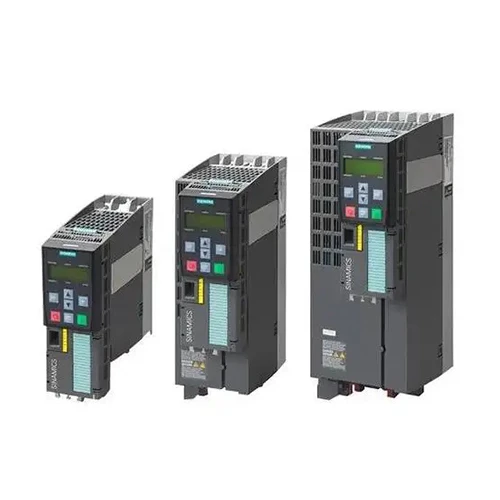
| Siemens | $130 – $200 | Integrated PLC options, communication protocols | 5 years, extensive documentation |
| WEG | $100 – $160 | Compact size, ease of use | 2 years, online support |
Global Applications & Use Cases for 0.5 hp VFD
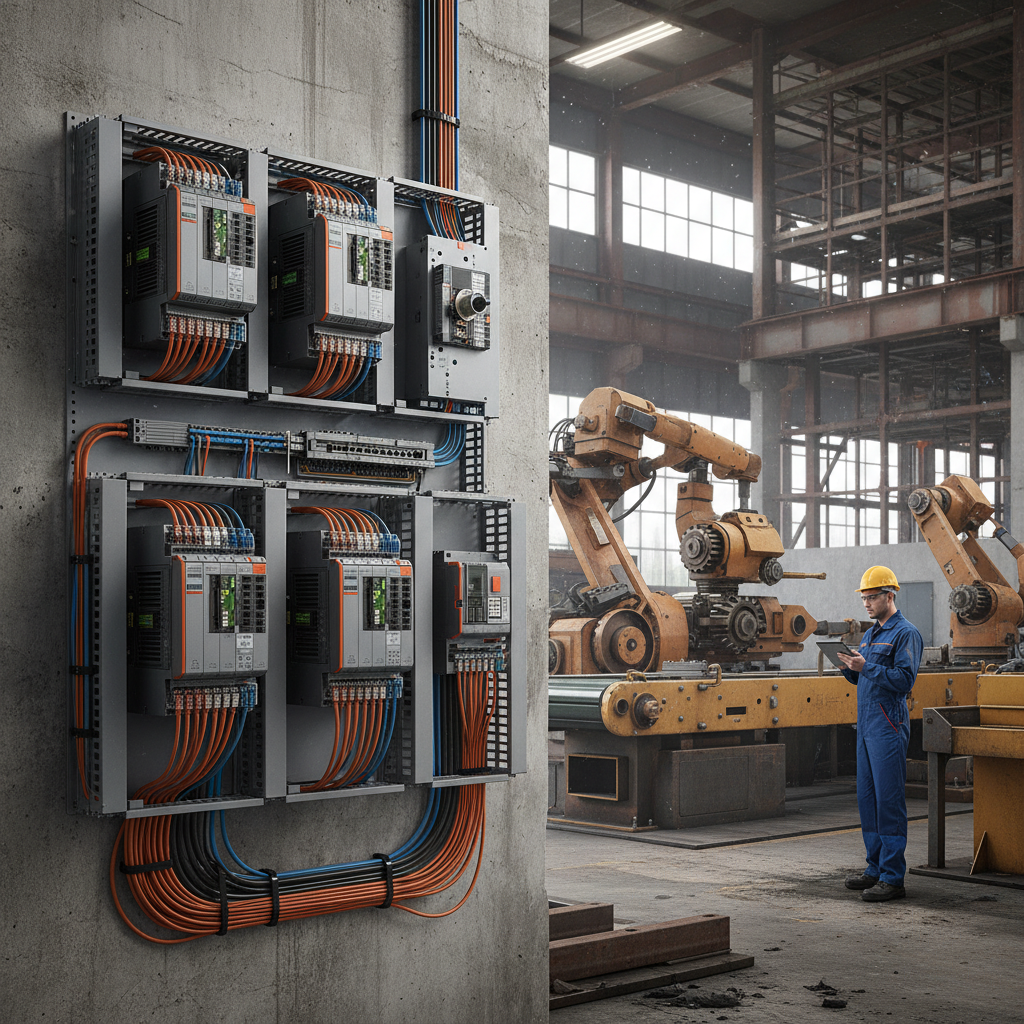
Industries around the world rely on 0.5 hp VFDs for improved motor control. For instance, in agriculture, pumps driven by these devices regulate water supply efficiently — critical in drought-prone regions. In commercial HVAC systems, these VFDs tweak fan speed to balance comfort and energy usage, reducing electricity bills.
Oddly enough, some humanitarian operations have started incorporating VFDs on diesel generators during relief efforts to optimize fuel consumption. Even small-scale manufacturing units in Southeast Asia harness these drives to automate conveyor belts, increasing throughput with minimal energy inputs.
Incidentally, I noticed that many manufacturers now offer plug-and-play 0.5 hp VFDs with smart interfaces, making them accessible for remote or less-skilled operators — crucial for developing markets.
Advantages & Long-Term Value
The real charm of 0.5 hp VFDs lies in what they save and protect over time:
- Energy Efficiency: By matching motor speed exactly to task demands, they reduce energy waste — a win for sustainability and costs.
- Equipment Longevity: Soft starting reduces mechanical shock, slashing maintenance downtime.
- Operational Flexibility: Adjustments can be made without major hardware changes.
- Environmental Impact: Less electricity burned means fewer greenhouse gas emissions.
- Safety & Reliability: Built-in protections minimize risk of failures.
Combine these tangible benefits with the emotional reassurance of a dependable system that 'just works,' and you get a compelling long-term case for adoption.
Future Trends & Innovations
Looking ahead, the evolution of 0.5 hp VFD technology closely aligns with broader trends in green energy and smart manufacturing. We’re seeing more integration with IoT for real-time monitoring and predictive maintenance — imagine a small VFD that sends alerts before any hiccup.
Moreover, new semiconductor technologies like silicon carbide (SiC) promise drives with reduced losses and smaller footprints. Coupled with the global push for renewable energy, expect these drives to be paired with solar-powered microgrids or battery backup systems, enhancing reliability in remote or off-grid areas.
Challenges & Solutions
No tech is without hurdles. For 0.5 hp VFDs, challenges include electromagnetic interference (EMI) issues, especially in older installations, and the sometimes steep learning curve for setup and programming.
However, manufacturers are rising to meet these obstacles by offering better EMI filtering, intuitive software interfaces, and comprehensive training resources. More so, modular designs make replacement and upgrades easier, cutting downtime.
FAQ: Your Practical Questions About 0.5 hp VFDs
- Q: Can a 0.5 hp VFD work on both single-phase and three-phase motors?
A: Most 0.5 hp VFDs are designed either for single-phase or three-phase input. However, many units convert single-phase input to three-phase output. Always check the specs to ensure compatibility with your motor setup. - Q: How much energy can I realistically save by installing a 0.5 hp VFD?
A: Savings vary by application, but typical energy reduction ranges between 20% to 50% compared to motors running at full speed continuously. Processes with variable loads benefit the most. - Q: What maintenance do 0.5 hp VFDs require?
A: Generally low maintenance—periodic cleaning and inspection of cooling fans and connections suffice. Keeping firmware updated also ensures smooth operation. - Q: Are 0.5 hp VFDs suitable for harsh outdoor environments?
A: Many units are built with sealed enclosures rated IP54 or higher, making them resistant to dust and splashing water. For extreme conditions, look for units with higher IP ratings or additional protective housings.
Conclusion: Why Investing in a 0.5 hp VFD Makes Sense
Ultimately, 0.5 hp VFDs offer a pragmatic route to energy savings, equipment reliability, and environmental stewardship. Whether you’re retrofitting an aging plant or designing a new system, these drives bring flexibility and smart control in a compact, affordable package.
If you’re curious, explore our range of 0.5 hp VFD products tailored to diverse industrial needs. It could be a small change with a big impact on your efficiency and carbon footprint.
In real terms, embracing such technology isn’t merely about cost—it's about joining a global movement toward smarter, cleaner energy use.
Mini takeaway: Small-scale VFDs like the 0.5 hp models might be easy to overlook, but their role in energy efficiency and industrial automation is nothing short of essential worldwide.