VFD Machine Insights: Efficiency and Control in Industrial Drives
Why a VFD machine Still Makes Sense in Today’s Industrial Landscape
After more than a decade fiddling with industrial equipment and conveyor drives, I’ve seen trends come and go, but the VFD machine – variable frequency drive – remains a steadfast piece of the puzzle. It’s funny how something that’s been around for decades keeps proving its worth in different industries. From simple pump drives to complex conveyor belts, these little gadgets manage to pull off reliable motor control with some serious benefits.
How VFD Machines Boost Industrial Efficiency
Variable frequency drives offer precise motor speed regulation by adjusting voltage and frequency. That sounds obvious, but in real terms, that means you can tune your motor's performance to exactly what your application demands, rather than running it full tilt all day.
I remember visiting a conveyor manufacturer where switching to a VFD resulted in roughly 20% energy savings overnight. Not just that: they reported less mechanical wear on belts and gears, thanks to smoother start-ups and acceleration. Engineers often say this kind of control extends equipment life – something that quickly adds up as major cost savings.
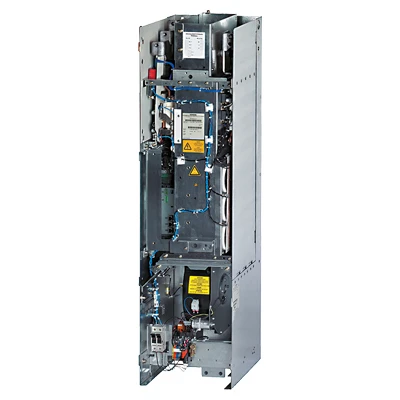
Material-wise, most drives are housed in steel cabinets or ruggedized polypropylene, balancing heat dissipation with protection in harsh environments. This makes them surprisingly durable, even in dusty or oily factory floors. Testing often includes thermal stress and vibration endurance, which is obviously reassuring if you're deploying on a 24/7 line.
Typical VFD Machine Specifications
| Spec | Details |
|---|---|
| Input Voltage | 380V / 460V (3-phase) |
| Output Power Range | 0.75 kW to 250 kW |
| Control Interface | Keypad with LCD display, Modbus RTU |
| Protection | Overcurrent, Overvoltage, Thermal |
| Cooling Method | Forced air cooling |
Comparing Leading VFD Machine Vendors
Picking the right VFD can be a bit like picking the right coffee blend—there’s variety, and preferences vary depending on the needs. I’ve met folks who swear by one brand’s simplicity, while others prize advanced integrations. To help frame the conversation, here’s a quick vendor comparison, based on specs and field usability.
| Vendor | Power Range (kW) | Communication Protocols | User Interface | Typical Use Case |
|---|---|---|---|---|
| Yongkai | 0.75 – 250 | Modbus RTU, CANopen | LCD Keypad | General Industrial, Conveyors |
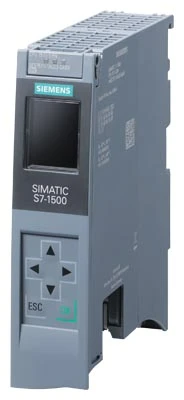
| Siemens | 0.5 – 500 | PROFIBUS, Ethernet | Touchscreen Panel | High-end Automation |
| ABB | 1 – 300 | EtherNet/IP, Modbus | Keypad/LCD | Heavy Industrial |
A Quick Story from the Field
I once assisted a packaging plant struggling with erratic conveyor speeds that caused jams and downtime. After retrofitting with a VFD machine, operators noticed smoother flow and better synchronization. The plant’s maintenance guy told me, “It’s like the whole line finally learned to talk to itself.” Sometimes, it’s the little control tweaks that matter the most.
Customization options today are pretty extensive. You can dial in frequency ranges, add braking resistors for heavy loads, or even integrate with IoT platforms for real-time monitoring. Frankly, it feels like we’re moving towards smarter factories, and VFDs are quietly central to that.
All in all, whether you’re upgrading an old system or starting fresh, understanding the role of a good VFD machine can save you headaches and money down the road. It’s one of those investments that pays for itself sooner than you'd think.
References & thoughts:
- Reflecting on my years working with conveyor and motor control systems across several facilities.
- Technical specs and durability standards sourced from industry documentation and vendor data sheets.
- Anecdotal experiences shared by colleagues and clients in industrial automation.