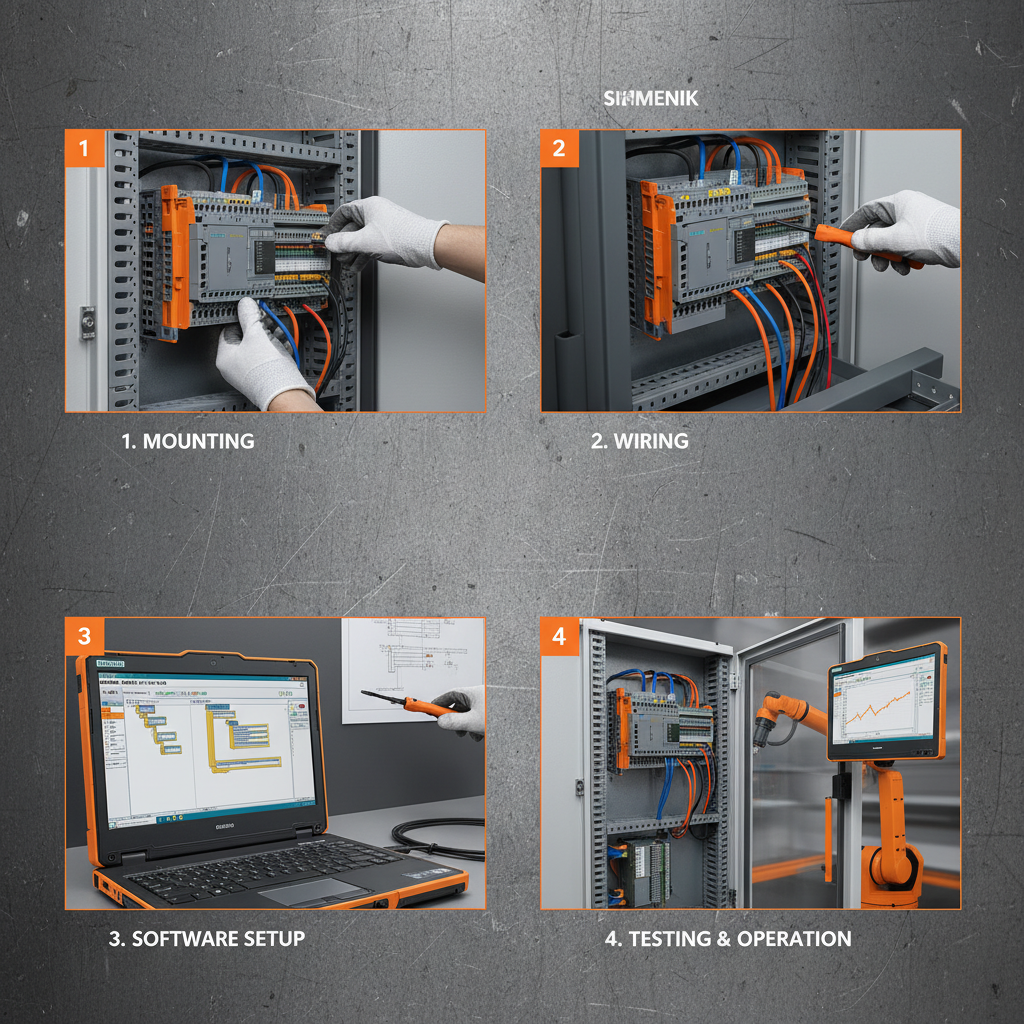
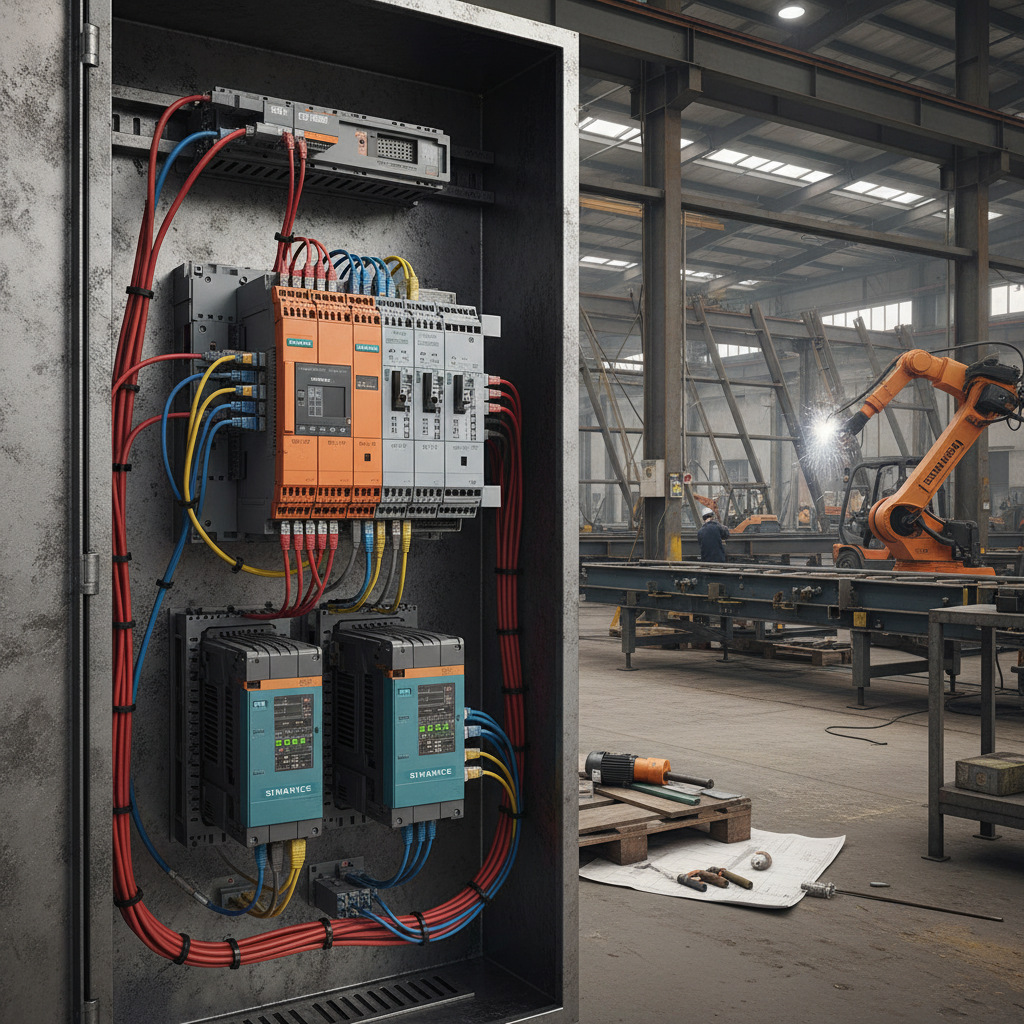
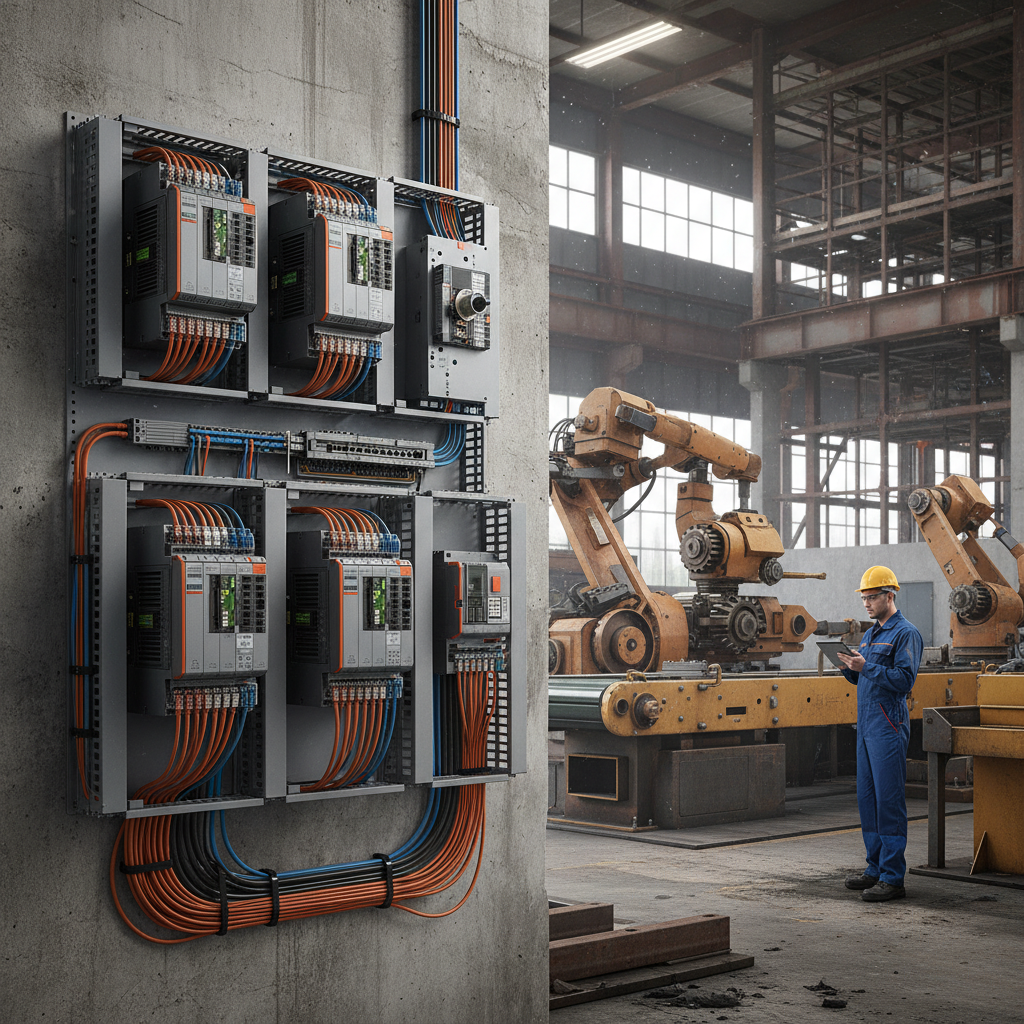
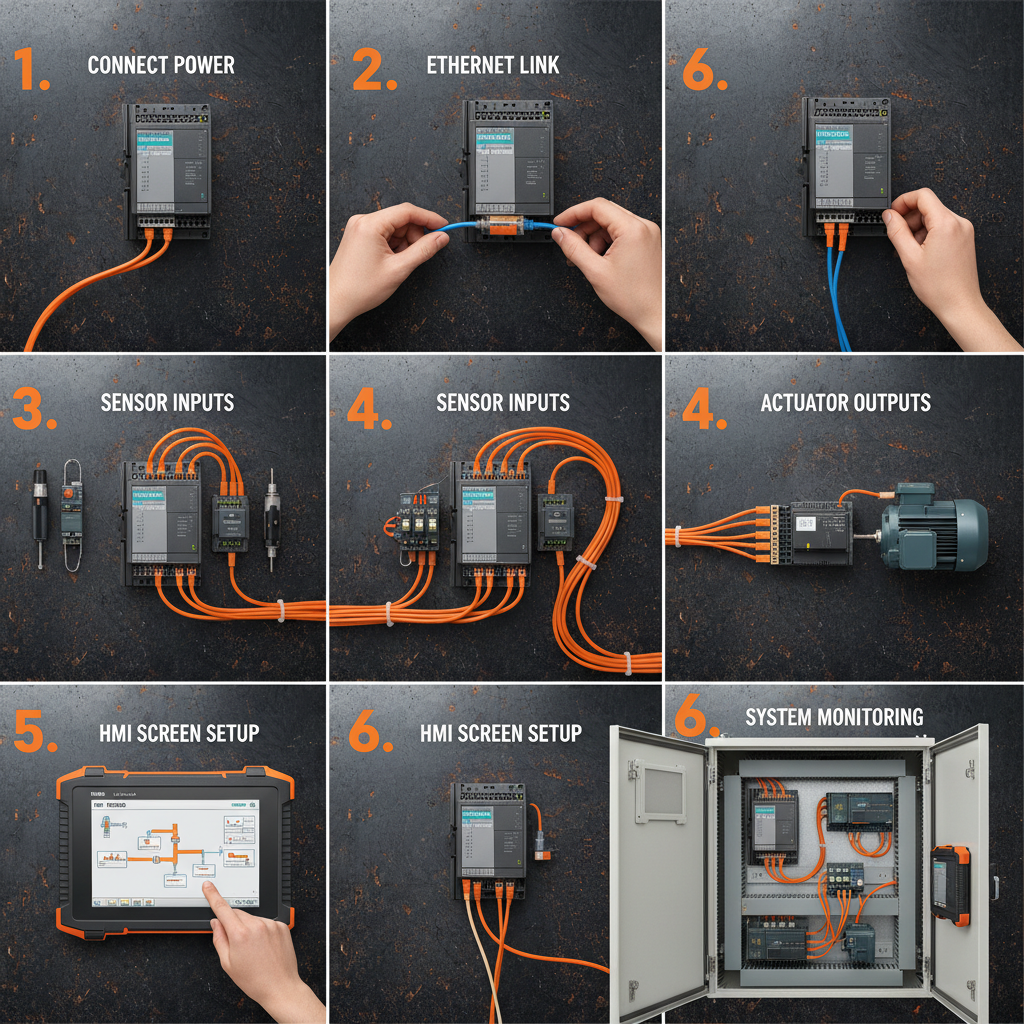
Variable Frequency Drive AC Motor – Boosting Efficiency and Sustainability in Industry
Understanding the Variable Frequency Drive AC Motor: A Key to Industrial Efficiency
Variable frequency drive AC motor systems are quietly revolutionizing industries around the world—even if you haven’t heard much about them, they’re there behind the scenes, making countless processes more efficient, reliable, and eco-friendly. In simple terms, a variable frequency drive (VFD) controls the speed and torque of an AC motor by varying the electrical frequency and voltage supplied to it. But why should you care? Frankly, they’re one of the most energy-saving solutions available today and vital in sectors ranging from manufacturing to renewable energy.
The global push for sustainability and cost reduction makes understanding the variable frequency drive AC motor crucial. According to the International Energy Agency (IEA), electric motor systems use around 50% of global electricity in industry, so even small efficiency improvements offer massive energy savings. The VFD helps adapt motor speeds precisely to equipment needs rather than running at constant full speed—cutting down energy waste and extending equipment life. For sectors aiming to reduce carbon footprints, this technology is a compelling part of the solution.
Definition & Meaning of Variable Frequency Drive AC Motor
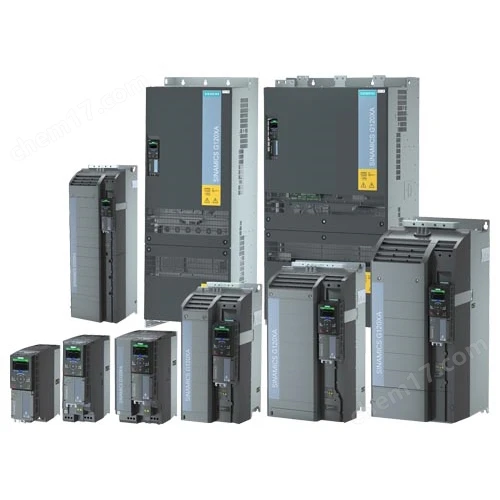
At its core, a variable frequency drive AC motor system consists primarily of two parts: the AC motor itself, which turns mechanical devices, and the variable frequency drive, an electronic controller that adjusts motor speed by changing the frequency of the electrical power supplied. It replaces traditional fixed-speed drives, allowing for more flexible and responsive operation.
This adaptability proves essential not just in factories but also in humanitarian contexts—say, water pumping in remote areas or emergency response equipment, where energy resources are scarce, and reliability is critical. VFD AC motors ensure that power use is efficient and tailored to the demands of the moment, without unnecessary waste.
Key Components and Factors of Variable Frequency Drive AC Motors
1. Energy Efficiency
By adjusting speed according to load, VFD systems reduce power consumption substantially—often by 20% to 50% compared with traditional fixed-speed motors. This translates to both lower operational costs and environmental benefits.
2. Durability and Reliability
The ability to avoid sudden starts and stops reduces mechanical stress on motors and connected equipment. That extends lifespan and drastically cuts downtime—a crucial consideration for continuous industrial processes.
3. Cost-Effectiveness Over Time
While initial setup costs can be higher than standard motor systems, the savings on electricity bills and maintenance usually offset this within a few years. Many industries see VFDs as a smart long-term investment.
4. Scalability and Flexibility
The adjustable control means VFD AC motors work well across diverse applications—from small machines to large industrial plants—giving engineers the freedom to optimize performance without overhauling hardware.
5. Environmental Compatibility
Because they can be paired with renewable energy sources and reduce losses, VFD AC motors align well with global decarbonization goals.
Product Specifications Snapshot
| Specification | Typical Range | Remarks |
|---|---|---|
| Power Rating | 0.5 HP – 1000 HP | Suitable for industrial to commercial use |
| Frequency Range | 0 Hz – 400 Hz | Allows precise speed control |
| Voltage Range | 110 V – 690 V | Compatible with low and medium voltage systems |
| Control Methods | V/Hz, Sensorless Vector, Closed-loop Vector | Adaptable to various precision needs |
| Enclosure Ratings | IP20 to IP66 | For indoor and harsh environments |
Global Applications & Use Cases
You’ll find variable frequency drive AC motors in factories across Europe, Asia, the Americas—wherever industrial automation meets an efficiency challenge. Oddly enough, these systems are also crucial in humanitarian settings. For example, in post-disaster relief operations in Africa or Southeast Asia, VFD-controlled pumps ensure reliable water supply without exhausting fragile electric grids. Remote industrial zones in Canada or Australia use VFD AC motors to minimize fuel consumption from backup generators, aligning operational resilience with sustainability.
Industries benefiting the most include manufacturing plants, HVAC systems in commercial buildings, water treatment facilities, and renewable energy farms. The adjustable speed control means processes can be fine-tuned on the fly, reducing waste and downtime.
Vendor Comparison: Variable Frequency Drive AC Motor Providers
| Vendor | Power Range | Control Features | Price Level | Notable Strength |
|---|---|---|---|---|
| Vendor A | 0.5 – 500 HP | Advanced sensorless vector | Mid-range | Strong global service network |
| Vendor B | 1 – 1000 HP | Closed-loop vector control | Premium | High precision for complex processes |
| Vendor C | 0.75 – 300 HP | V/Hz control with energy-saving modes | Budget | Good value for small businesses |
Advantages & Long-Term Value
- Cost Savings: Lower power bills and reduced maintenance.
- Environmental Impact: Reduced carbon emissions due to improved efficiency.
- Improved Safety: Controlled acceleration prevents mechanical shock, protecting operators and machinery.
- Reliability: Less wear and tear means fewer unexpected breakdowns.
- Innovation & Trust: Companies using VFD AC motors often stand out for embracing sustainable and cutting edge technologies.
All told, these benefits create not just a logical, cost-effective case, but an emotional reassurance for managers who want both performance and peace of mind.
Future Trends & Innovations
Looking ahead, variable frequency drive AC motors are increasingly integrating with IoT (Internet of Things) platforms, enabling predictive maintenance and remote monitoring. There's also a growing push to develop more eco-friendly materials for drive components and to enhance compatibility with green energy sources like solar and wind. Digital transformation efforts are pushing smart factories to optimize motor performance automatically in real-time, which feels like the next frontier of energy management.
Challenges & Solutions
No technology is perfect, and VFD AC motors face issues such as harmonic distortion affecting power quality and sometimes high upfront costs for smaller operations. Still, engineers have developed filters and isolation transformers to mitigate electrical noise. Leasing programs and government subsidies often make initial costs more manageable, particularly in energy-conscious regions.
FAQ: Frequently Asked Questions About Variable Frequency Drive AC Motor
- Q: How does a variable frequency drive improve motor lifespan?
A: By controlling acceleration and speed smoothly, VFDs reduce mechanical stress and overheating, which are common causes of premature motor failure. - Q: Can VFD systems be retrofitted into existing motor setups?
A: Yes, many VFD units are designed for easy retrofit, allowing industries to upgrade without expensive full replacements. - Q: Are VFD AC motors suitable for explosive or harsh environments?
A: With appropriate enclosure ratings (like IP66) and certifications, VFD AC motors can operate reliably even in tough industrial conditions. - Q: What maintenance does a variable frequency drive require?
A: Routine checks include inspecting cooling fans and capacitors; generally, VFDs require less maintenance than traditional motor controllers. - Q: How do variable frequency drives contribute to sustainability goals?
A: By drastically cutting energy consumption and enabling smoother operation, VFDs help companies lower greenhouse gas emissions and improve resource management.
Conclusion
To sum it up, variable frequency drive AC motor technology isn’t just a “nice to have” anymore—it’s becoming essential for any business or organization aiming to boost efficiency, cut costs, and support sustainability goals over the long term. If your operations involve motors, exploring VFD options can deliver lasting value.
Ready to turbocharge your systems with expert-grade variable frequency drive AC motor solutions? Visit our website: variable frequency drive ac motor to learn more.
Oddly enough, it feels like once you’ve switched to VFD controlled motors, going back is almost unthinkable…