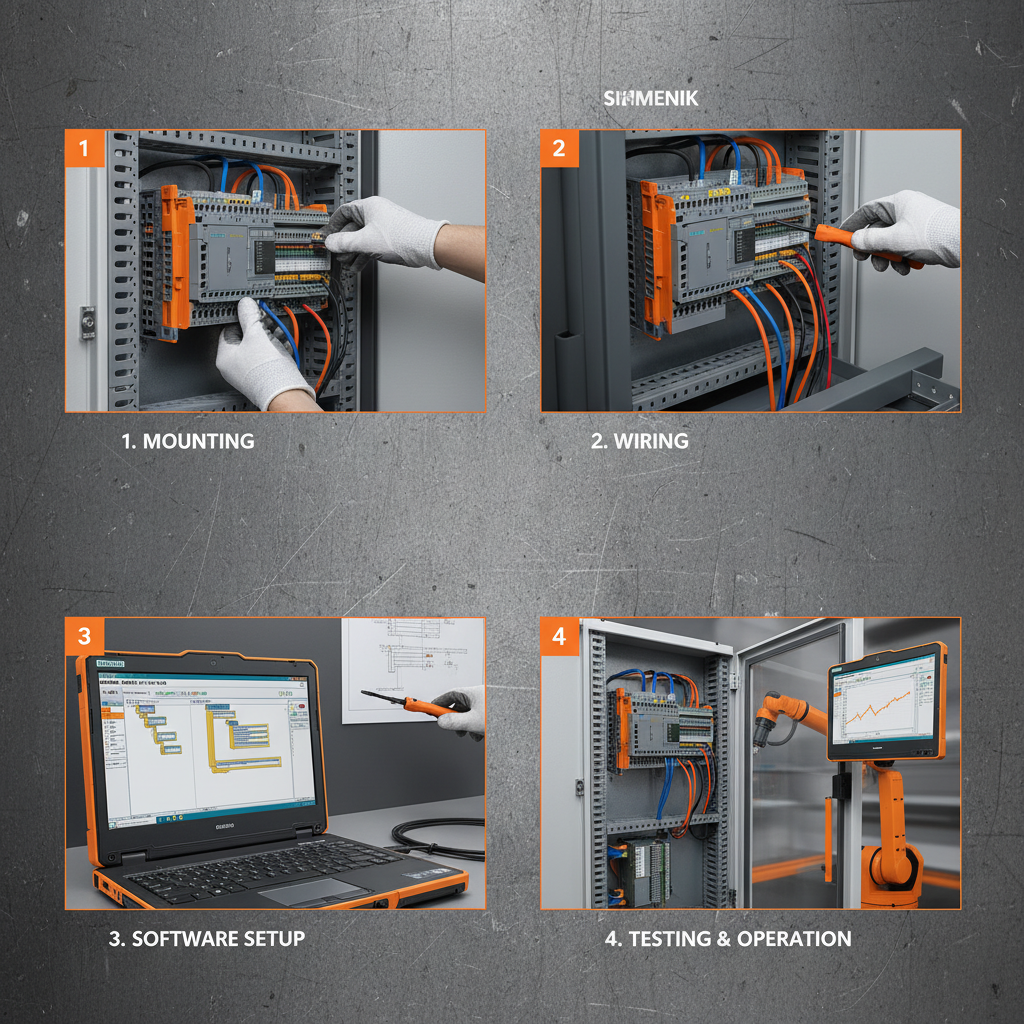
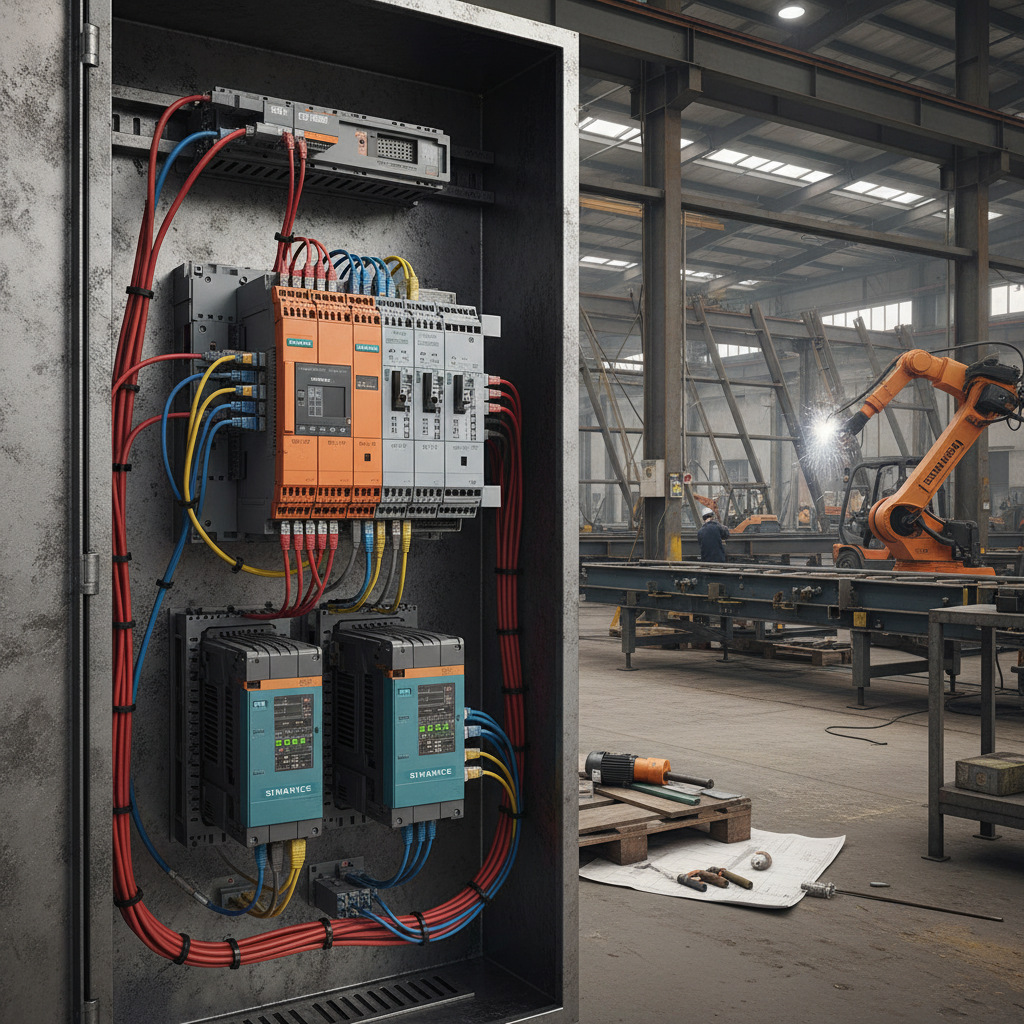
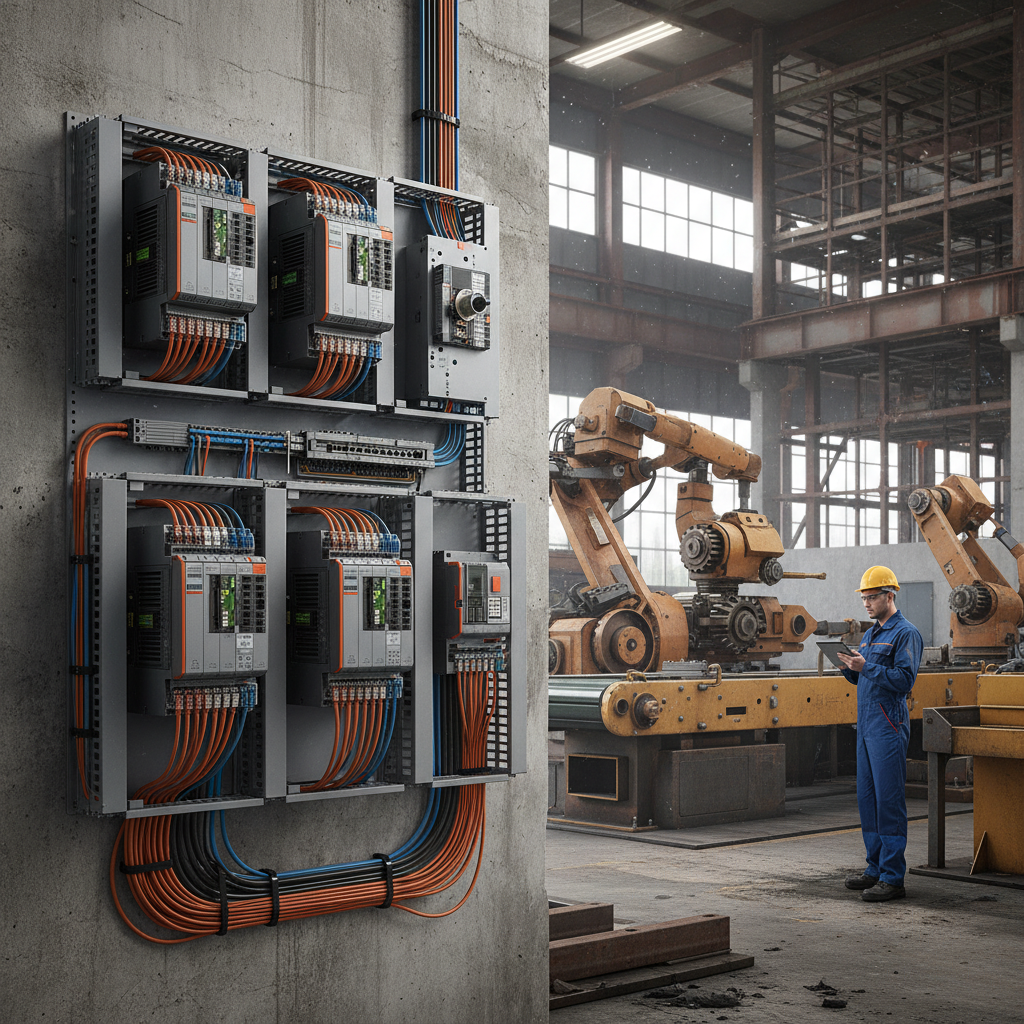
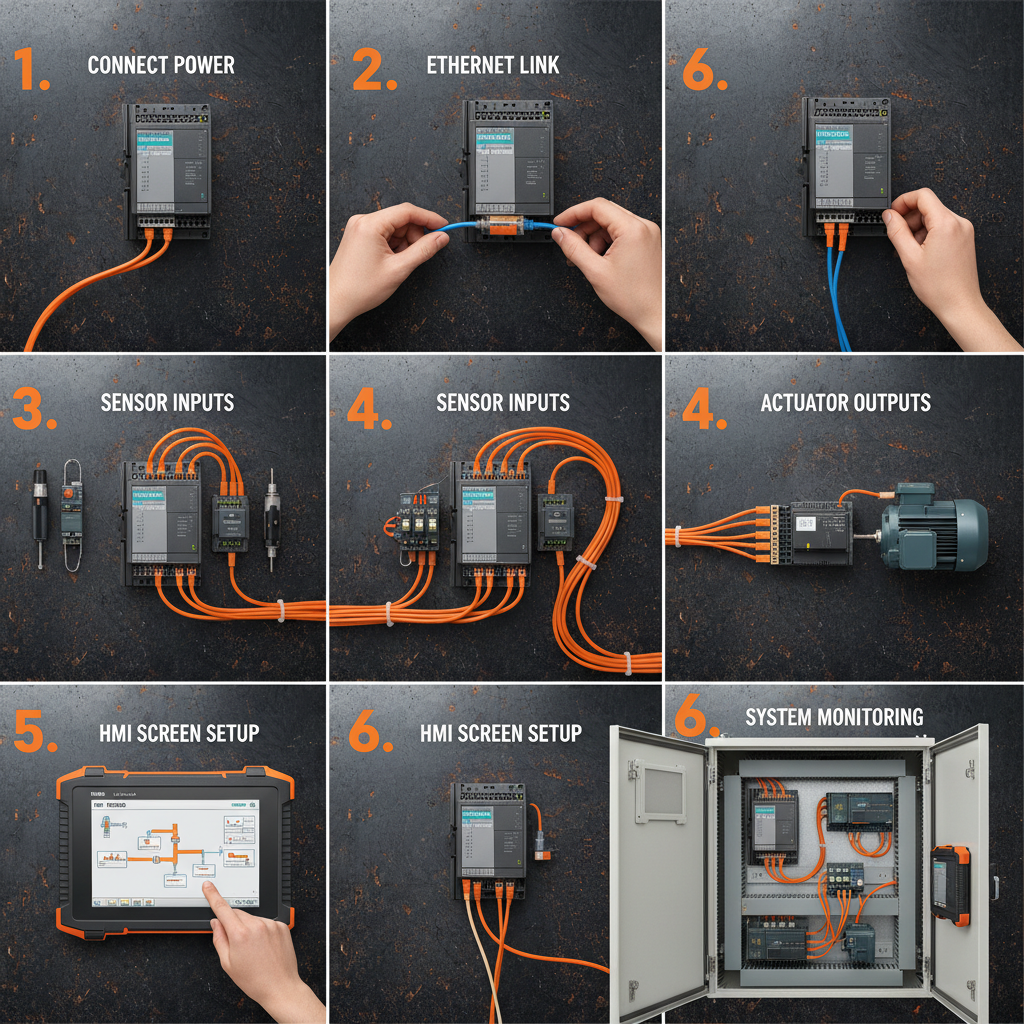
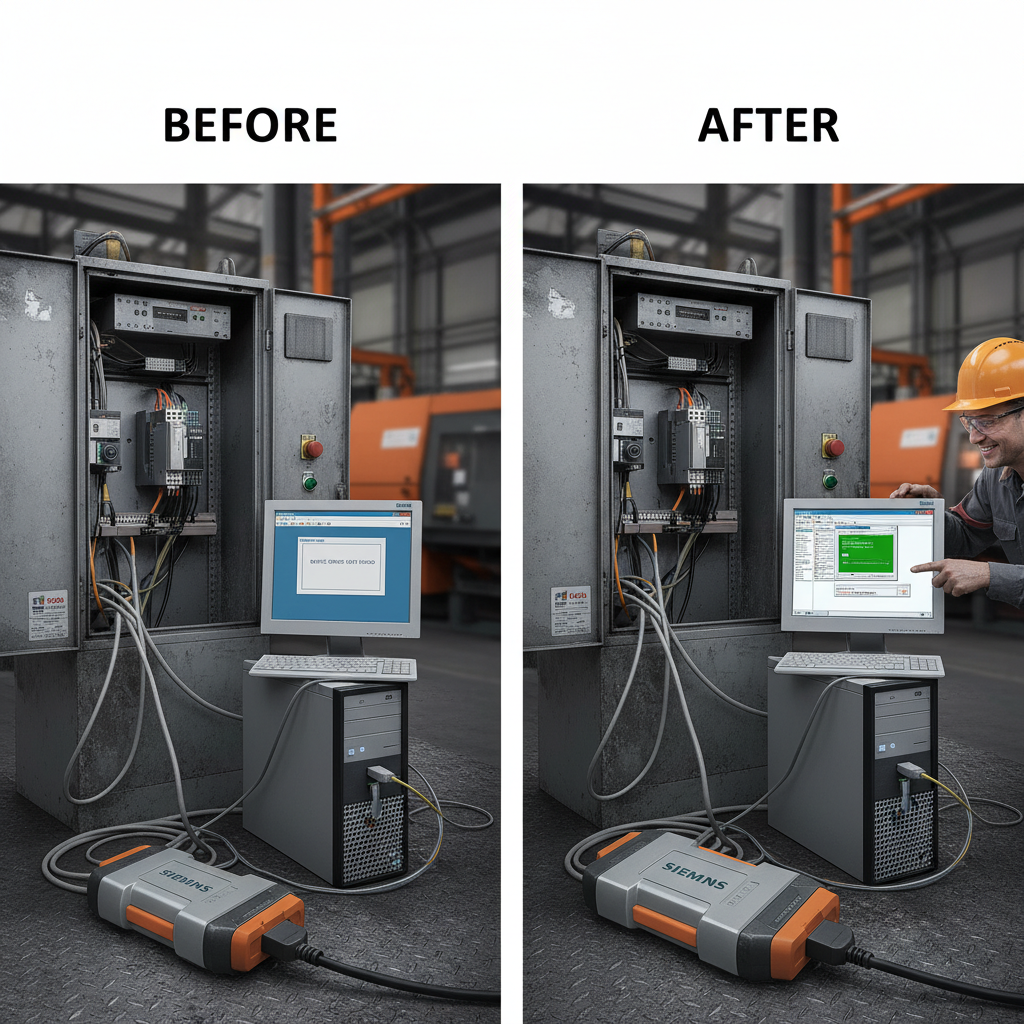
Single Phase VFD for 3 Phase Motor – Efficient Industrial Motor Control from Limited Power Sources
Understanding Single Phase VFD for 3 Phase Motor: Why It Matters
It might sound a bit technical at first blush — a “single phase VFD for 3 phase motor” — but the reality is far more practical, and surprisingly impactful on a global scale. Variable Frequency Drives (VFDs) allow electric motors to run more efficiently by varying their speed and torque, and when you combine that with powering a 3-phase motor from a single phase supply, you enter a realm that’s both cost-savvy and indispensable, especially in regions where three-phase power infrastructure is limited.
Why does it matter? Well, around two billion people worldwide lack consistent access to stable three-phase power (according to the World Bank). This creates technical challenges for industries and utilities that rely on reliable motors, which are everywhere — in manufacturing, water treatment plants, agriculture, and more. Single phase VFDs designed to run three phase motors serve as a bridge, enabling industrial-grade motor control in places where only single phase power is available. Long story short, this technology helps businesses save money, reduce energy consumption, and maintain operations in power-constrained environments.
Mini takeaway: Single phase VFDs for 3 phase motors unlock industrial capabilities where three-phase power is scarce or too costly to install, making them vital for economic development and sustainability.
A Global Look at Single Phase VFDs for 3 Phase Motors
On a macro level, we can’t really ignore how global electrification remains uneven. The International Energy Agency (IEA) highlights that many rural and semi-urban areas still depend on single phase connections due to lower infrastructure costs. Meanwhile, the demand for advanced motor control keeps rising — from small factories in Southeast Asia to water-pumping stations in parts of Africa.
However, traditional three-phase motors can’t just plug into a single phase line without power quality and operational problems. That's where single phase VFD technology becomes a game-changer. For enterprises and utilities juggling cost constraints and technical barriers, it offers a flexible, scalable solution — helping to address the energy-access gap.
Mini takeaway: By adapting to local power realities, single phase VFDs support industries and utilities globally, fostering better resilience and efficiency.
What Exactly is a Single Phase VFD for 3 Phase Motor?
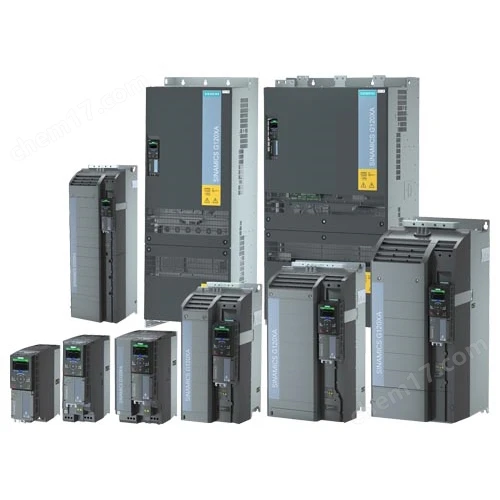
In simple terms, a single phase VFD for 3 phase motor is a specialized device that converts single phase power supply into a variable frequency, three-phase output to control three-phase AC motors. Think of it as a crafty translator between power sources and motor gears — it adjusts voltage and frequency dynamically, giving the motor the speed control usually reserved for three-phase supplies.
This technology fits snugly into modern demands for energy efficiency and flexible manufacturing. Instead of replacing expensive three-phase motors with less efficient single phase ones, it breathes new life into existing motor assets using simpler power lines.
Key Components that Make Single Phase VFDs Tick
1. Power Conversion and Inverter Circuitry
The heart of any VFD is its power electronic components — diodes, transistors such as IGBTs, and capacitor circuits. They convert the fixed frequency single-phase input into a controllable three-phase output with variable frequency and voltage. Precision in this stage ensures smooth motor operation without overheating or loss of torque.
2. Control Algorithms and Microcontroller Units
Modern VFDs are powered by firmware that governs motor start-up, acceleration, braking, and speed regulation. Advanced microcontrollers allow for adaptable control schemes, protecting the motor and optimizing energy consumption. The quality of these algorithms can make or break performance.
3. Overload and Protection Features
Because operating a three-phase motor on a single phase network often risks overload or phase loss conditions, good VFDs come equipped with thermal, current, and voltage protections. This not only protects the motor but also lengthens device lifespan.
4. User Interface & Communication
Many single phase VFDs now include digital displays, keypad programming, and even smart IoT connectivity. This facilitates easier commissioning, monitoring, and maintenance — a boon for remote or less skilled operators.
5. Cooling and Housing Design
It feels trivial, but heat dissipation is vital; these drives often function in dust-filled or outdoor micro-environments. A well-designed enclosure ensures longer operation and less maintenance.
| Feature | Specification | Remarks |
|---|---|---|
| Input Voltage | 220V ±10%, Single Phase | Standard residential/commercial supply |
| Output Voltage | 0-220V, 3 Phase | Variable frequency, sine wave output |
| Output Frequency | 0.1 Hz to 400 Hz | Adjusts motor speed |
| Control Type | V/F Control or Vector Control | Depending on model sophistication |
| Protection Classes | Overcurrent, Overvoltage, Thermal | Enhances reliability |
| Communication | Modbus, RS485 (optional) | For remote monitoring/control |
How Industries and Regions Benefit: Practical Use Cases
If you wander through industries and regions relying on modest power grids, you’ll find a growing reliance on single phase VFDs for 3 phase motors.
- Agricultural irrigation: In remote farming communities in India and Africa, these drives help power three-phase pump motors off single phase utility lines, ensuring consistent water delivery without costly grid upgrades.
- Light manufacturing: Small workshops struggling to afford three-phase infrastructure depend on them to run conveyor belts, compressors, and milling machines smoothly.
- Building services: HVAC systems often use three-phase motors, but in older buildings or rural settings limited to single phase supply, these drives bridge the gap.
- Post-disaster recovery: In situations where power restores incrementally, a single phase VFD can keep critical machinery running on limited power.
Such use cases underscore a repeated theme: flexible technology meeting real-world constraints.
Mini takeaway: The application scope stretches as far as human ingenuity and infrastructure limitations, from rice paddies to rebar shops.
The Tangible Advantages of Single Phase VFDs for 3 Phase Motors
These devices don’t just solve a unique power problem—they come with a bouquet of direct and indirect benefits:
- Cost savings: No need to upgrade expensive three-phase lines or motors; more efficient energy use reduces utility bills.
- Sustainability: Lower energy consumption means less carbon footprint — critical in the age of decarbonization goals and green certification.
- Reliability: VFD protections reduce motor wear and tear, limiting downtime and maintenance costs.
- Safety & Dignity: For workers and communities dependent on steady power, reliable motor operation means access to water, sanitation, and services that impact daily life.
- Innovation & Flexibility: Easier integration with modern IoT or automation systems adds control depth and insight.
Honestly, it’s a win-win. The environment benefits, the bottom line benefits, and the user gains more trust in their equipment.
The Road Ahead: Innovations and Trends
The future is buzzing with potential upgrades:
- Digitalization: Expect more drives with embedded AI to predict failures or optimize energy use dynamically.
- Green energy pairing: Single phase VFDs paired with solar or microgrid systems to stabilize output power in off-grid installations.
- Material advances: More robust semiconductors and thermal materials will improve efficiency and lifespan.
- Policy-driven adoption: Increasing energy efficiency standards (ISO 50001, for example) push industries to replace traditional starters with VFDs universally.
All that tech talk aside, these trends will bring better uptime, smarter diagnostics, and clean energy integration right at your control panel.
Facing Challenges: Common Issues & Smart Solutions
“Sounds perfect, so why isn’t everyone using them—yet?” you might ask. Well, there are hurdles:
- Initial cost and know-how: Some smaller players hesitate to invest or fear complexity in installation.
- Harmonics and power quality: Single phase inputs can cause current distortion — but well-designed drives include filters to mitigate this.
- Motor compatibility: Not all 3-phase motors respond equally; proper matching and tuning are essential.
Engineering firms and suppliers increasingly offer turnkey solutions with training & after-sales support to ease integration headaches. Plus, many models now come with plug-and-play simplicity to lower the barrier.
FAQ: Your Top Questions About Single Phase VFD for 3 Phase Motor
- Q: Can a single phase VFD run any 3 phase motor?
- A: Generally, yes, but motor size and type matter. The drive must match the motor’s power rating, and some motors designed for heavy-duty industrial use may need specialized drives or tuning.
- Q: How much energy can one expect to save using a VFD?
- Energy savings vary by application but can range from 20% to 50% compared to direct online starters, especially in variable load scenarios like pumps and fans.
- Q: Is it safe to use a single phase VFD in humid or dusty environments?
- With appropriate IP-rated enclosures (e.g., IP54 or higher) and regular maintenance, many VFDs operate reliably even in tougher environments.
- Q: How do I maintain a single phase VFD?
- Routine checks for dust, tight electrical connections, and firmware updates help. Many VFDs include diagnostic tools to assist preventative maintenance.
- Q: Where can I find trusted vendors or models?
- Look for vendors known in industrial automation with certifications and local support. Below is a quick comparative glance...
| Vendor | Model | Max Power (kW) | Features | Price Range (USD) |
|---|---|---|---|---|
| Tianjin Yongkai | YK-SPVFD-5.5 | 5.5 | Vector control, Modbus, IP54 | $450 - $550 |
| Delta Electronics | VFD-LA2-7.5 | 7.5 | V/F control, easy setup | $600 - $700 |
| ABB | ACS355-3.7 | 3.7 | Energy efficient, compact | $700 - $850 |
Wrapping Up: Why Single Phase VFDs Matter Long Term
As industries globalize and energy challenges become increasingly complex, solutions like the single phase VFD for 3 phase motor stand out not just as clever electrical gadgets, but as key enablers of sustainable progress. They’re about accessibility, reliability, and future-ready efficiency. If you’re running industrial motors in places where pure three-phase power is a dream, investing in these VFDs can be quite literally transformative.
If this sounds like the right fit for your application, check out our offerings and bring smart motor control to your site.
References: