Trusted Siemens PLC Manufacturers & Global Suppliers
Navigating the Landscape of Industrial Automation and Siemens PLC Manufacturing
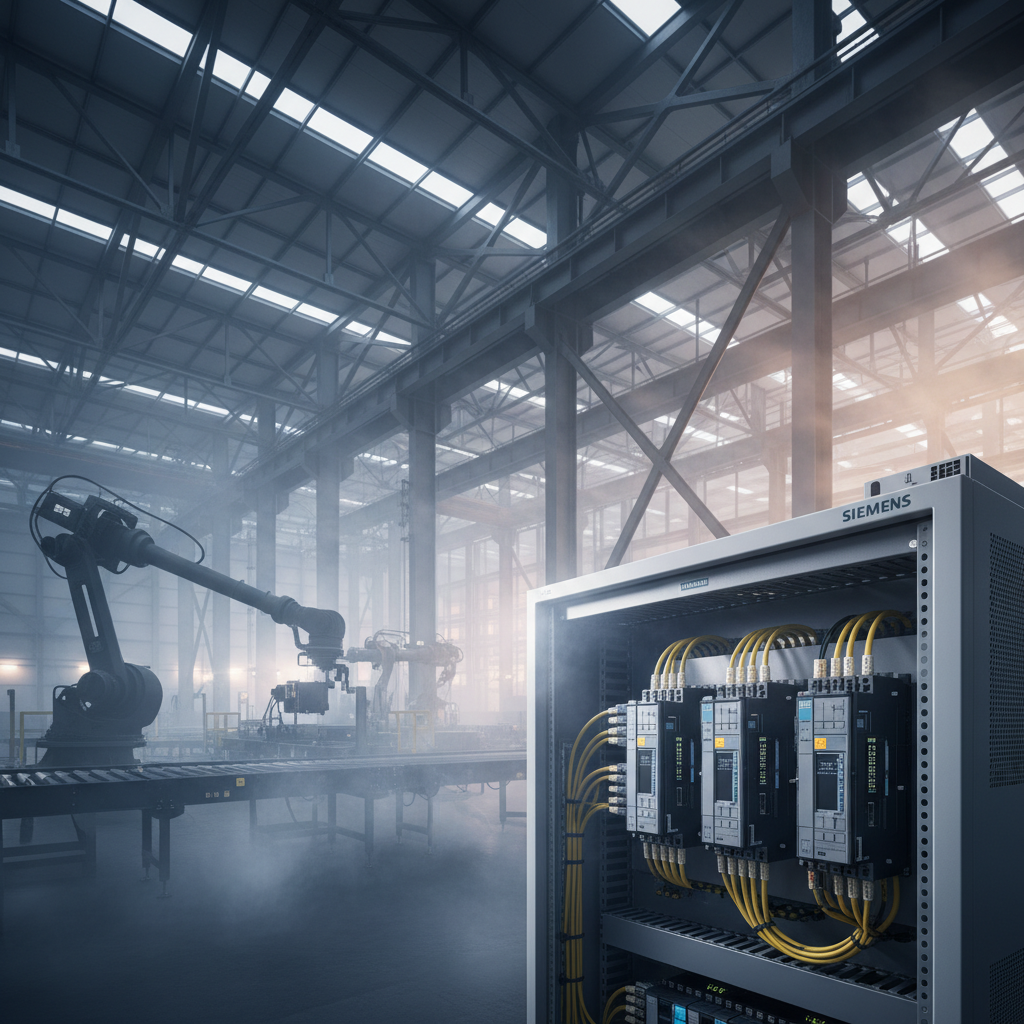
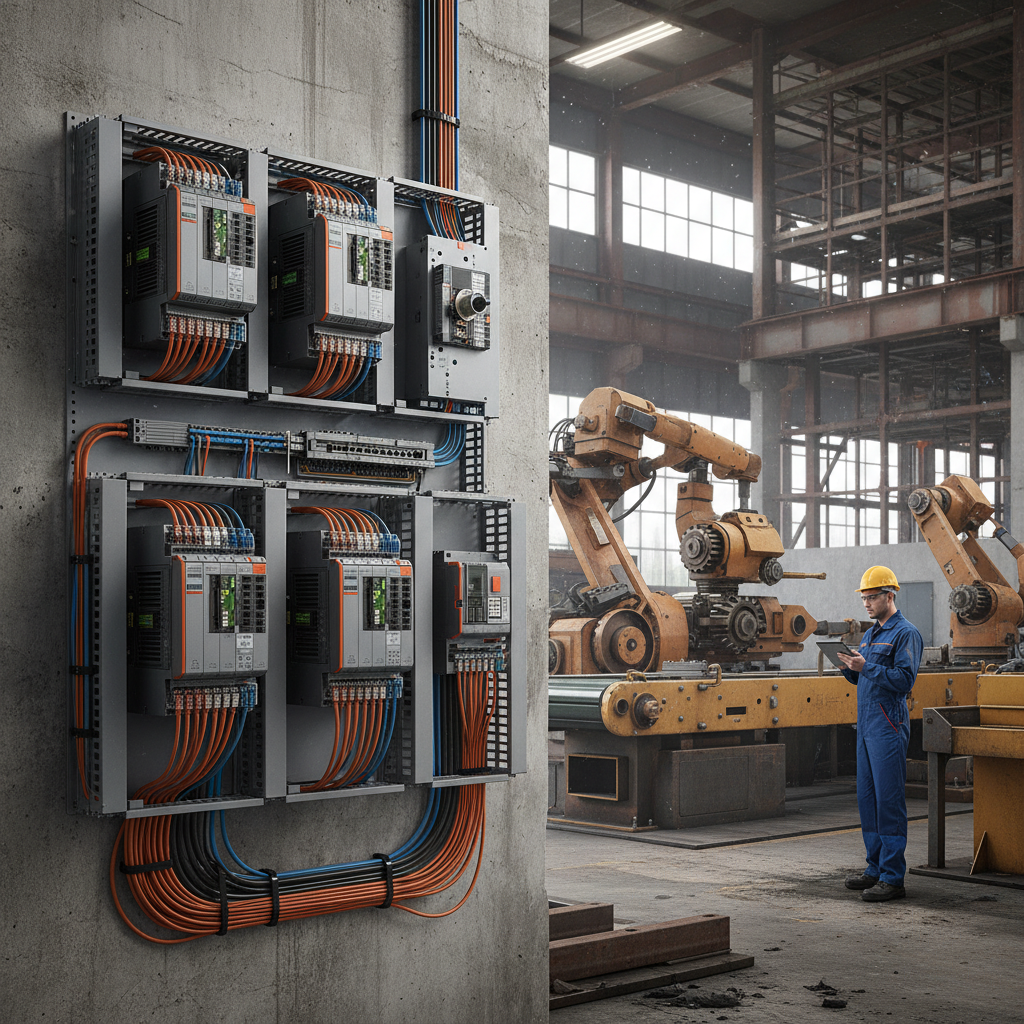
The global industrial automation sector is experiencing unprecedented growth, driven by the relentless pursuit of efficiency, precision, and smart manufacturing paradigms often encapsulated by Industry 4.0. At the heart of this transformation are Programmable Logic Controllers (PLCs), indispensable computational devices that automate electromechanical processes in industrial environments. Among the foremost pioneers and innovators in this domain are Siemens PLC manufacturers, whose contributions have profoundly shaped modern industrial control systems. Their commitment to technological advancement has positioned them as leaders, offering a comprehensive portfolio of PLCs, including the iconic SIMATIC series, renowned for its robustness, scalability, and seamless integration capabilities. As industries worldwide pivot towards digitalization, the demand for sophisticated and reliable automation solutions escalates, with Siemens PLCs serving as the backbone for critical infrastructure, discrete manufacturing, and process industries. This introductory segment will delve into the current industry trends that highlight the crucial role of advanced PLC technology in fostering intelligent factories, enhancing operational resilience, and enabling predictive maintenance, laying the groundwork for a deeper exploration into the specifics of Siemens' manufacturing excellence and its pervasive impact on global automation.
The Meticulous Manufacturing Process of Siemens PLCs
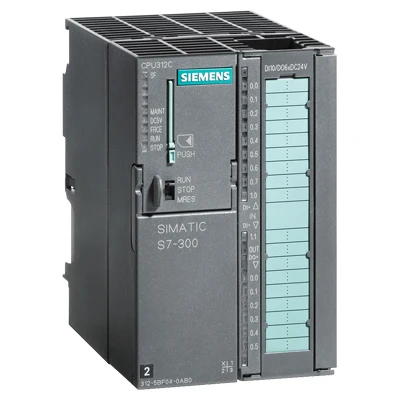
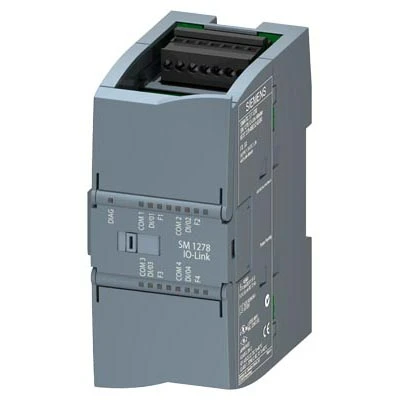
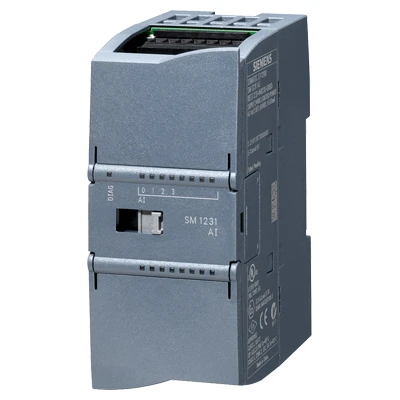
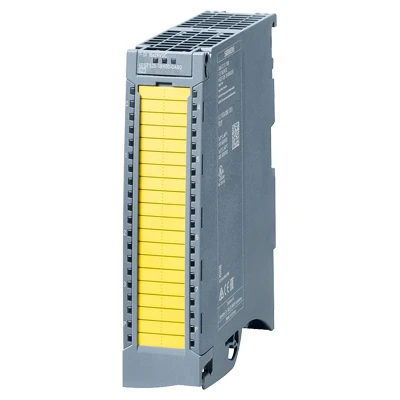
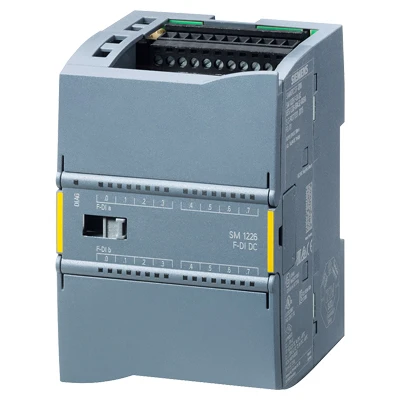
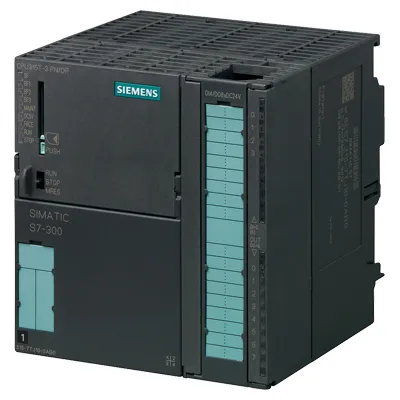
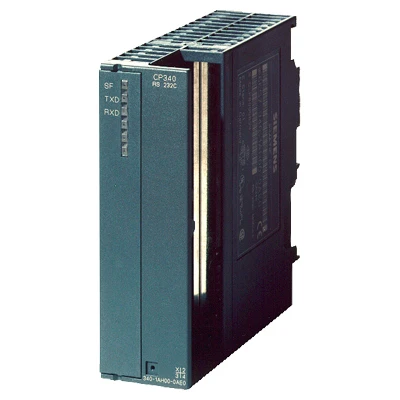
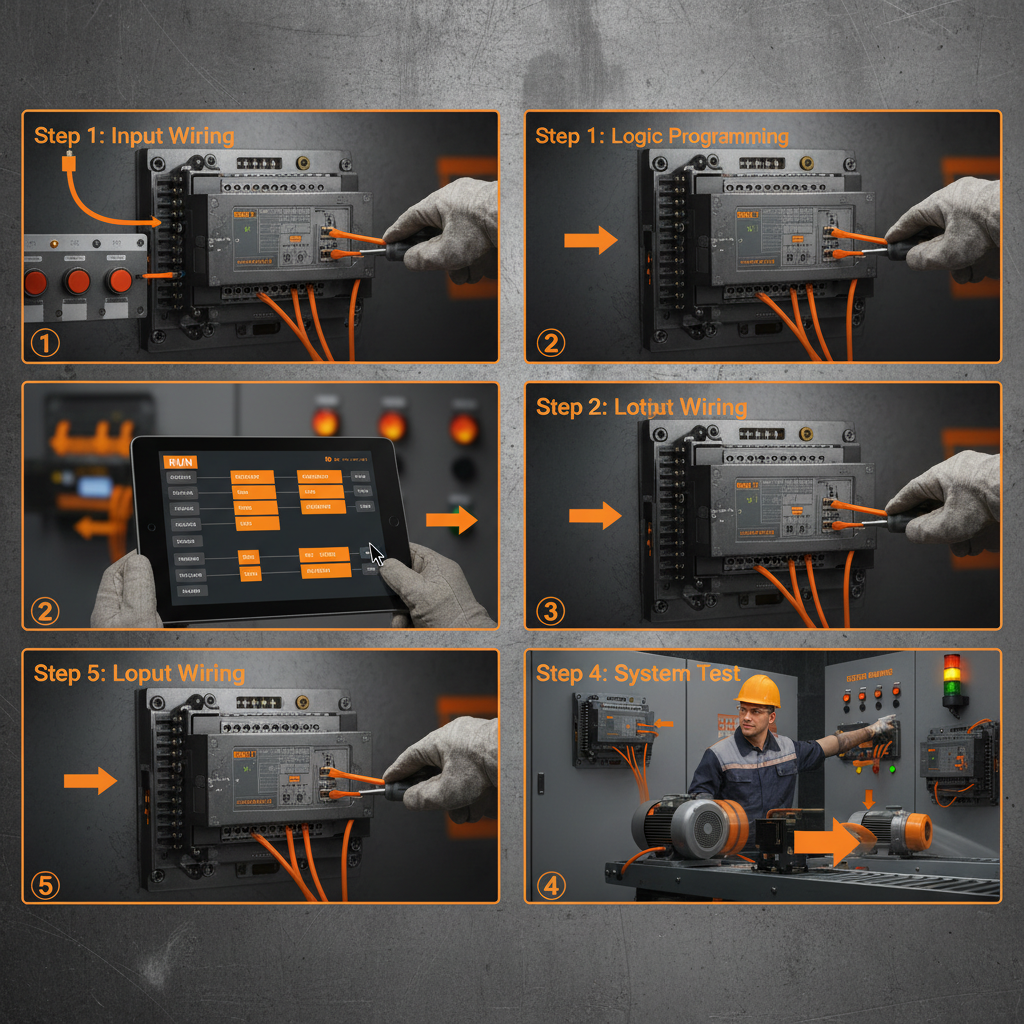
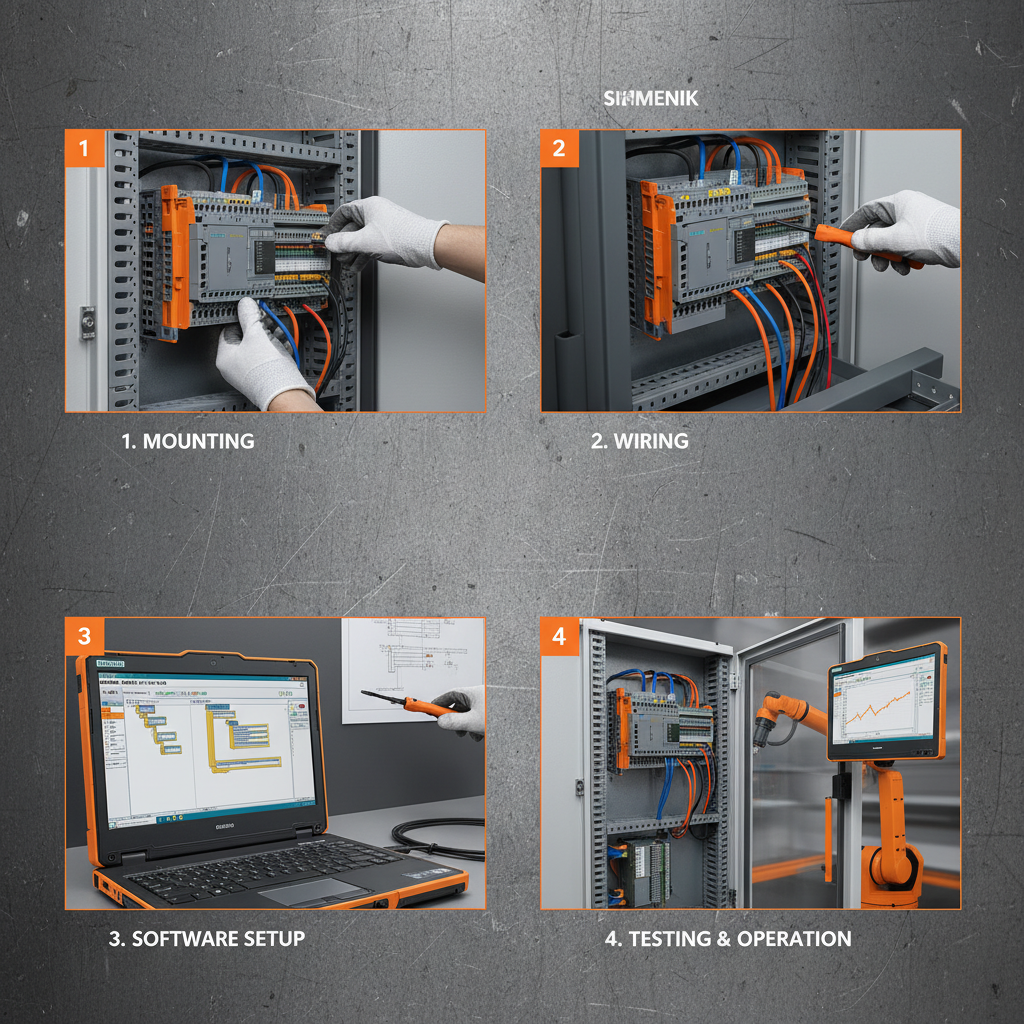
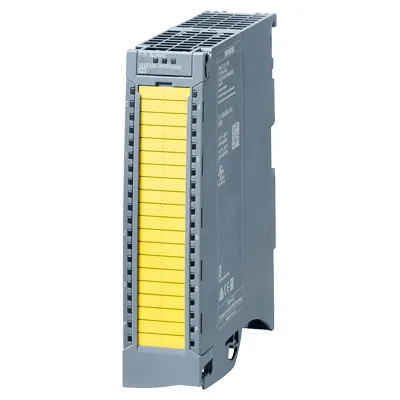
The production of Siemens PLCs, including specialized components like signal modules, is a testament to precision engineering and rigorous quality control, embodying the highest standards of industrial manufacturing. The journey begins with the selection of premium materials: high-grade engineering polymers for robust enclosures, ensuring resistance to impact, chemicals, and extreme temperatures; industrial-grade copper and alloys for conductive paths; and advanced semiconductor components for printed circuit boards (PCBs). The manufacturing process itself is highly automated and multifaceted. It typically involves advanced Surface Mount Technology (SMT) for populating PCBs with microscopic electronic components, ensuring ultra-high component density and solder joint reliability. This is followed by precision CNC (Computer Numerical Control) machining for crafting the intricate enclosures and connectors, guaranteeing exact dimensional accuracy and perfect fit. Automated optical inspection (AOI) and X-ray inspection systems are integrated at various stages to detect any manufacturing defects, from misaligned components to hidden solder voids. Each unit undergoes extensive functional testing, environmental stress screening (ESS), and electromagnetic compatibility (EMC) testing to validate performance under real-world industrial conditions. Adherence to international standards such as ISO 9001 for quality management, ANSI for performance specifications, and IEC 61508 for functional safety is not just a compliance checkbox but an inherent part of the production philosophy. This stringent approach ensures an exceptional service life, often exceeding 20 years, even in demanding environments. Siemens PLCs are designed for a wide array of applicable industries, from the petrochemical sector where corrosion resistance and explosion protection are paramount, to the metallurgy industry demanding robust control in high-temperature, dusty environments, and water/wastewater treatment plants requiring reliable operation in corrosive and humid settings. A key advantage in these typical application scenarios is their inherent energy efficiency—for instance, the SIMATIC S7-1500 series often incorporates intelligent power management features that optimize energy consumption, contributing to significant operational cost savings and reduced carbon footprint. Furthermore, specialized coatings and robust sealing techniques provide superior protection against corrosive agents, extending the lifespan and reducing maintenance requirements in harsh chemical environments, underscoring the reliability offered by dedicated Siemens PLC manufacturers.
Key Technical Parameters and Performance Metrics of Siemens PLCs
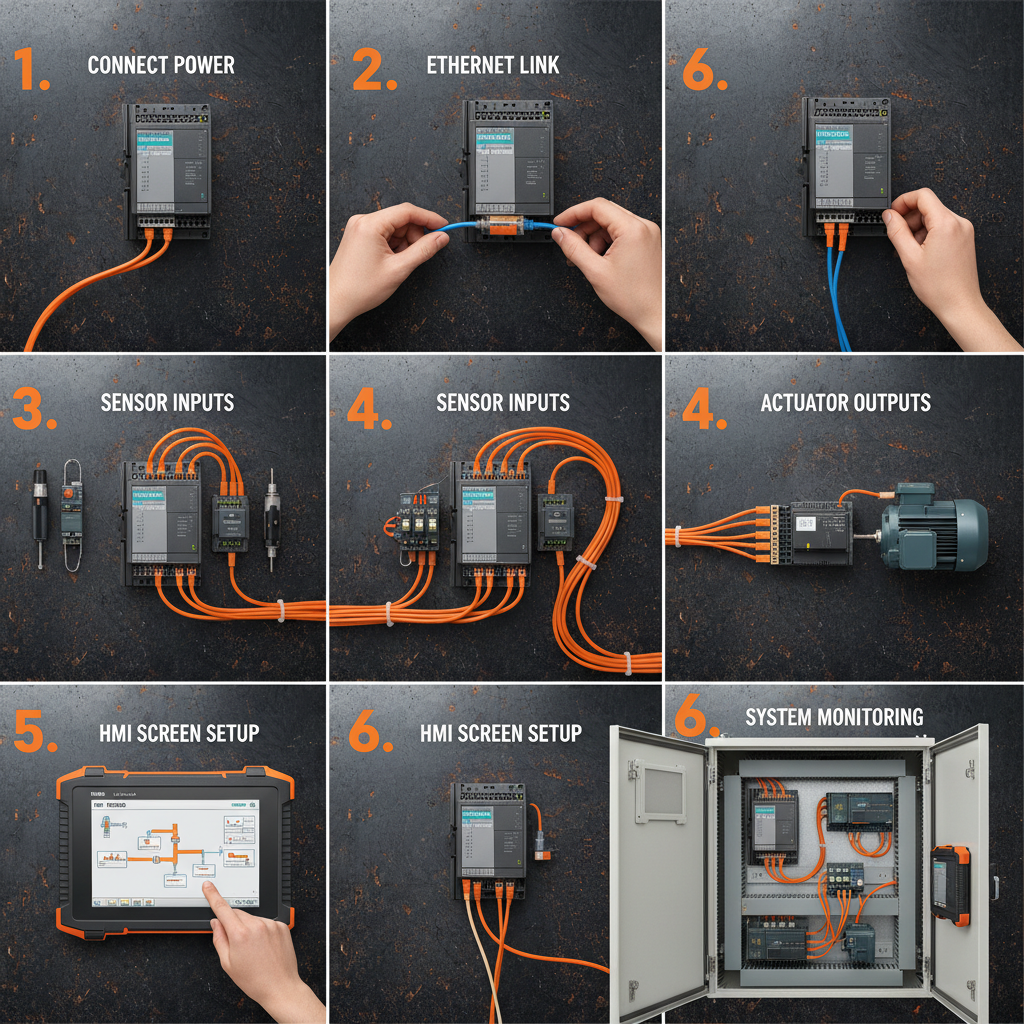
Understanding the technical parameters of Siemens PLCs is critical for specifying the right hardware for a given industrial application. These parameters dictate a PLC's processing capability, communication versatility, I/O handling, and environmental resilience. For instance, the CPU type (e.g., S7-1200, S7-1500) directly influences the processing speed and memory capacity. Memory, typically divided into working memory (for program execution) and load memory (for program storage), dictates the complexity and size of the automation program that can be implemented. I/O capacity—referring to the number of digital and analog inputs/outputs—determines how many sensors, actuators, and other field devices the PLC can manage. Communication protocols like PROFINET, PROFIBUS, and Modbus TCP/IP are crucial for seamless integration within an industrial network, enabling data exchange with HMIs, SCADA systems, and other controllers. Scan time, measured in milliseconds, represents the time it takes for the PLC to execute one full cycle of its program, read inputs, and update outputs; a shorter scan time indicates faster response to process changes. Power consumption and operating temperature range are vital for energy efficiency and deployment in diverse industrial environments, from sub-zero conditions to high-heat facilities. Certifications such as UL, CE, and ATEX ensure compliance with regional safety and quality standards, which is particularly relevant for a global Siemens PLC supplier and distributor operating in regions like Siemens PLC China. These detailed specifications are not just numbers; they are the foundation upon which reliable, efficient, and safe automation systems are built, allowing engineers to design systems that precisely meet operational requirements and environmental challenges, ensuring optimal performance and longevity.
Siemens PLC Series Key Technical Comparison
Diverse Application Scenarios and Unmatched Advantages of Siemens PLCs
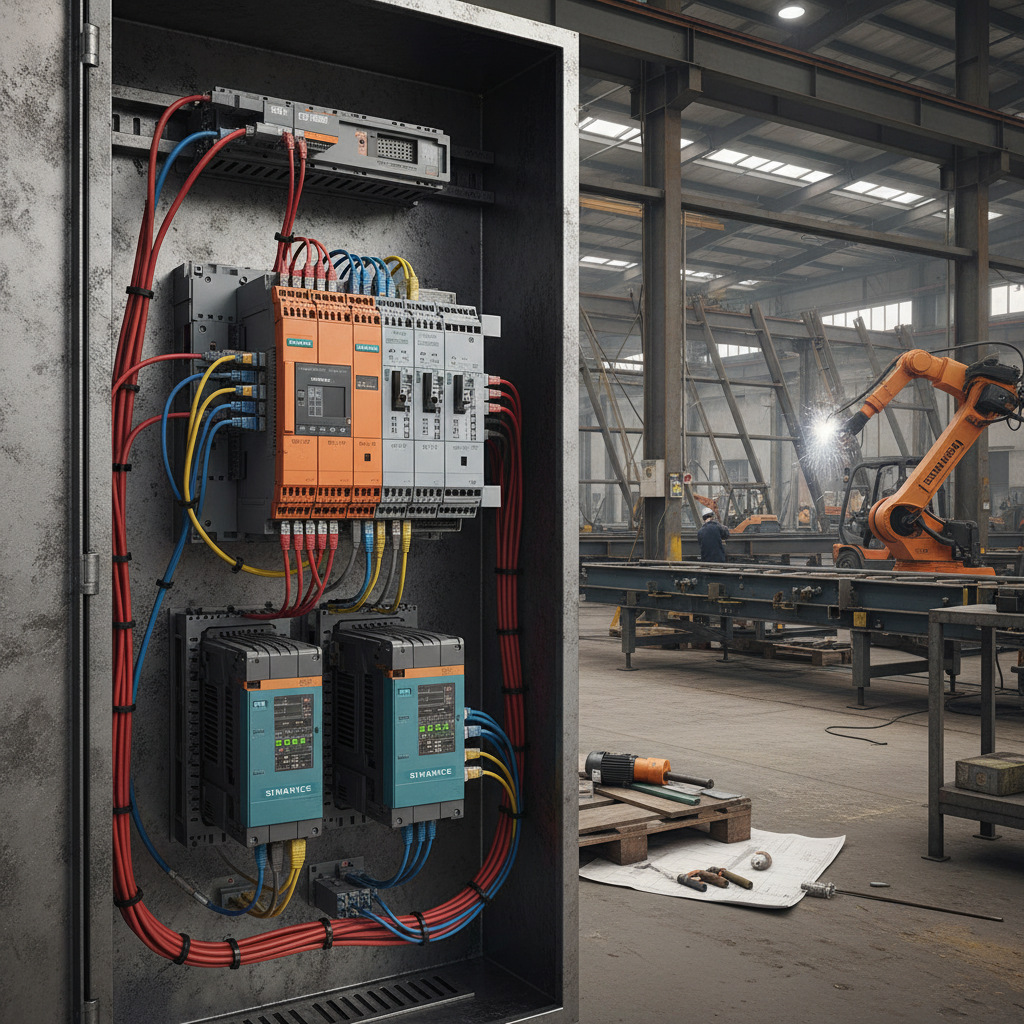
Siemens PLCs find their utility across an incredibly broad spectrum of industrial applications, demonstrating their versatility and adaptability. In the demanding realm of process control, such as chemical plants or oil and gas refineries, Siemens’ high-performance PLCs like the S7-400 or S7-1500 with integrated safety functions are deployed to manage critical parameters like temperature, pressure, and flow, ensuring safe and efficient operations. In discrete manufacturing, they are the brain behind complex assembly lines, orchestrating robotic cells, conveyor systems, and packaging machinery with microsecond precision, significantly boosting production throughput and reducing errors. For example, in the automotive industry, Siemens PLC manufacturers provide solutions that manage entire body shops, paint shops, and final assembly, ensuring synchronized operations. Beyond traditional factory settings, Siemens PLCs are integral to infrastructure projects, controlling sophisticated water purification systems, wastewater treatment plants, and smart building management systems (BMS) that regulate HVAC, lighting, and security. The core advantages of leveraging Siemens PLCs stem from their unparalleled reliability, ensuring continuous operation and minimal downtime, crucial for high-stakes industrial processes. Their inherent scalability allows systems to be expanded or modified with ease, accommodating future growth without necessitating a complete overhaul. Furthermore, their seamless integration within the Siemens TIA Portal (Totally Integrated Automation Portal) engineering framework streamlines development, diagnostics, and maintenance, reducing engineering time and costs. Cybersecurity is another significant advantage; modern Siemens PLCs incorporate robust security features, including encrypted communication, access control, and digital signatures, protecting industrial control systems from increasingly sophisticated cyber threats. This comprehensive approach to technology, supported by a vast network of a global Siemens PLC supplier, ensures that businesses, particularly those leveraging manufacturing capabilities in Siemens PLC China, receive not just hardware but a holistic solution designed for enduring performance and security.
Manufacturer Comparison and Tailored Solutions from Siemens
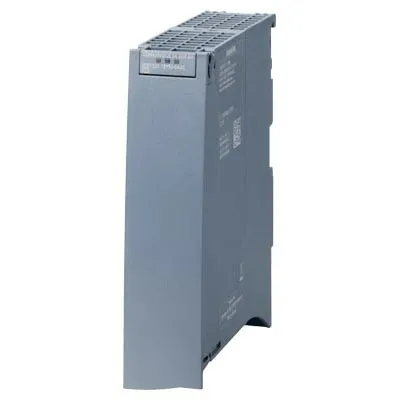
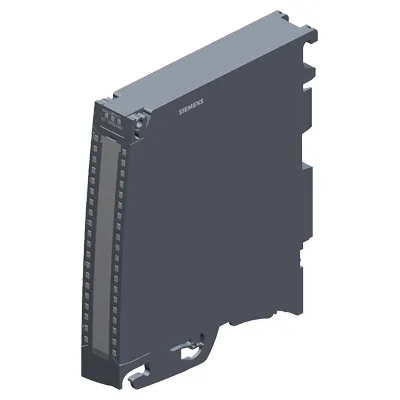
While the industrial automation market features several prominent PLC manufacturers, Siemens distinguishes itself through a unique blend of innovation, comprehensive ecosystem, and global support. Compared to other major players, Siemens often leads in terms of integrated engineering platforms like the TIA Portal, which encompasses automation hardware, software, and services under one intuitive interface, significantly simplifying complex project management. This integrated approach, combined with Siemens' pioneering efforts in digitalization and cybersecurity for industrial control systems, provides a compelling value proposition that stands out in the competitive landscape. For businesses requiring specific functionalities or integrating PLCs into niche applications, Siemens, through its vast network of Siemens PLC manufacturers and partners, offers extensive customization options. This includes OEM (Original Equipment Manufacturer) integration services, where Siemens works closely with machine builders to embed its PLC technology as a core component of their final products, optimizing performance and reducing design complexities. Furthermore, specialized module configurations, such as the Signal Module found at Tianjinyongkai, can be precisely tailored to meet unique I/O requirements, ensuring perfect compatibility with existing sensor and actuator infrastructure. Beyond hardware, custom software development for specific control algorithms, human-machine interface (HMI) design, and advanced diagnostics are part of the bespoke solutions portfolio. System integration services ensure seamless interoperability between Siemens PLCs and other plant-wide systems, including ERP (Enterprise Resource Planning) and MES (Manufacturing Execution Systems), facilitating true enterprise-level automation. The ability of a Siemens PLC supplier to offer such a broad spectrum of standardized products alongside highly specialized custom solutions underscores Siemens' commitment to meeting the diverse and evolving needs of industries, ensuring that every automation challenge can be addressed with an optimized, high-performance solution.
Real-World Application Cases and Customer Experience
The practical success of Siemens PLC manufacturers is best illustrated through tangible application cases and positive customer feedback, showcasing their real-world impact on industrial operations. Consider a large-scale municipal water treatment facility that recently upgraded its control system to Siemens SIMATIC S7-1500 PLCs. Previously, the plant struggled with intermittent equipment failures and manual intervention for chemical dosing, leading to inefficiencies. Post-implementation, the new system, equipped with advanced signal modules for precise sensor data acquisition, enabled fully automated filtration, pumping, and chemical injection processes. This led to a verified 15% reduction in energy consumption due to optimized pump scheduling and a 25% improvement in water quality consistency, demonstrating the significant operational benefits. Another compelling example comes from a leading automotive assembly plant in Southeast Asia. Facing challenges with robotic welding cell synchronization and line stoppages, they deployed Siemens PLCs to manage complex multi-axis robotics and integrate seamlessly with their existing manufacturing execution system. The result was a remarkable 20% increase in production throughput and a 40% reduction in unscheduled downtime within the first year, driven by enhanced precision and predictive maintenance capabilities. Customer feedback consistently highlights the robustness and reliability of Siemens PLCs, often citing their extended lifespan and minimal maintenance requirements as key benefits. Users also praise the intuitive programming environment of the TIA Portal, which simplifies commissioning and troubleshooting, empowering their engineering teams. These success stories not only validate the technical prowess of Siemens’ offerings but also underscore the strategic value derived from their consistent performance and the comprehensive support provided throughout the product lifecycle.
Ensuring Trustworthiness: FAQ, Delivery, Warranty, and Customer Support
Building and maintaining trust with B2B clients is paramount for a leading Siemens PLC supplier, and this is achieved through transparent policies regarding product longevity, delivery, warranty, and comprehensive customer support. A frequently asked question concerns the typical lifespan of Siemens PLCs; designed for industrial environments, these units are engineered for decades of reliable operation, with Mean Time Between Failures (MTBF) values often extending into the hundreds of thousands of hours under specified operating conditions. Another common inquiry relates to compatibility: Siemens PLCs are designed for extensive interoperability, supporting a wide range of open communication protocols (e.g., Modbus TCP, OPC UA) and offering seamless integration within the TIA Portal ecosystem, which facilitates connectivity with third-party devices and systems. Regarding delivery, efficient global logistics and a robust supply chain ensure timely dispatch and delivery of products, often with options for expedited shipping to meet urgent project deadlines. Standard products typically have established lead times, while customized solutions are managed with clear project timelines. All Siemens PLCs come with a standard manufacturer's warranty, typically ranging from 12 to 24 months, covering manufacturing defects and ensuring product integrity. Extended warranty options and service contracts are also available for enhanced peace of mind. Crucially, comprehensive customer support is a cornerstone of Siemens' commitment to its clients. This includes 24/7 technical assistance hotlines, extensive online documentation portals, self-help resources, and a global network of certified field service engineers available for on-site support, troubleshooting, and preventive maintenance. Furthermore, Siemens offers a wealth of training programs, from basic PLC programming to advanced system integration, ensuring that clients' technical teams are proficient in maximizing the capabilities of their automation investments. This multi-faceted approach to trustworthiness fortifies the client-vendor relationship, establishing Siemens PLC manufacturers as reliable and supportive partners in industrial automation.
Conclusion and Future Outlook for Siemens PLC Technology
In conclusion, the impact of Siemens PLC manufacturers on the landscape of industrial automation is profound and far-reaching. Through their unwavering commitment to innovation, quality, and comprehensive customer support, Siemens has solidified its position as a global leader in programmable logic control systems. Their meticulously engineered products, from robust CPUs to precision signal modules, are designed to meet the rigorous demands of diverse industries, delivering unparalleled reliability, scalability, and performance. The emphasis on advanced manufacturing processes, adherence to stringent international standards, and continuous technological enhancements ensures that Siemens PLCs not only meet current industrial needs but also anticipate future challenges posed by evolving technological paradigms like Industry 5.0, where human-machine collaboration and hyper-connectivity will redefine production environments. The comprehensive ecosystem, including the powerful TIA Portal and robust cybersecurity features, provides a holistic solution that extends beyond mere hardware, fostering integrated and secure automation architectures. As industries continue to embrace digitalization and seek smarter, more efficient operational models, the role of a reliable Siemens PLC supplier and innovator becomes even more critical. Siemens' ongoing investment in research and development, coupled with their extensive global network and dedication to customer success, ensures they remain at the forefront of industrial automation. Their ability to deliver customized solutions and provide enduring support establishes a foundation of trust that is invaluable in the B2B sector, paving the way for continued advancements and a more automated, interconnected industrial future.
References
- Smith, J. A., & Johnson, D. B. (2022). "Advances in Industrial Control Systems: A Review of Programmable Logic Controllers in Industry 4.0." Journal of Automation and Control Engineering, 10(2), 112-125.
- Chen, L., & Wang, H. (2021). "Cybersecurity Challenges and Solutions for Industrial IoT and PLCs in Manufacturing." IEEE Transactions on Industrial Informatics, 17(5), 3456-3467.
- Garcia, R., & Lopez, M. (2023). "Energy Efficiency Optimization in Smart Manufacturing through Advanced PLC Algorithms." International Journal of Production Research, 61(8), 2678-2690.
- Kim, Y., & Park, S. (2020). "Reliability Analysis and Predictive Maintenance Strategies for Industrial Control Hardware." Control Engineering Practice, 98, 104321.