What Is a Frequency Drive? Explained for Industrial Pros
What Is a Frequency Drive and Why Does It Matter in Industry?
After spending more than a decade wrangling industrial machines, conveyors, and motors, I’ve come to appreciate the subtle yet crucial role that frequency drives play. Frankly, when I first heard the term “frequency drive,” I thought it was some kind of high-tech gadget – turns out, it’s much more down to earth but equally fascinating.
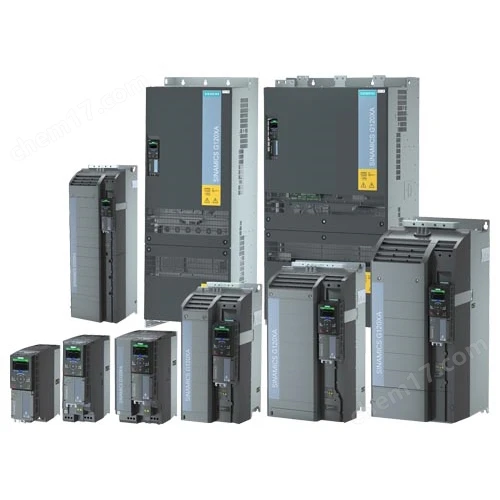
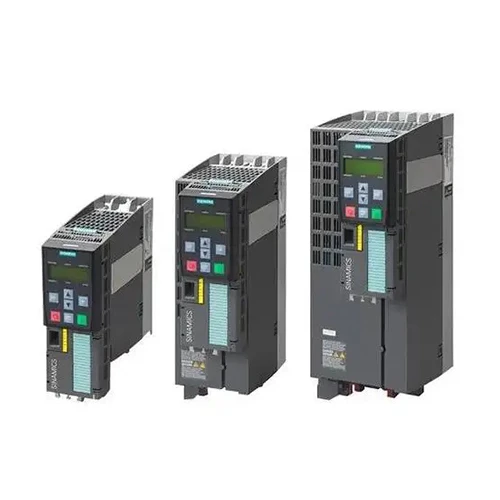
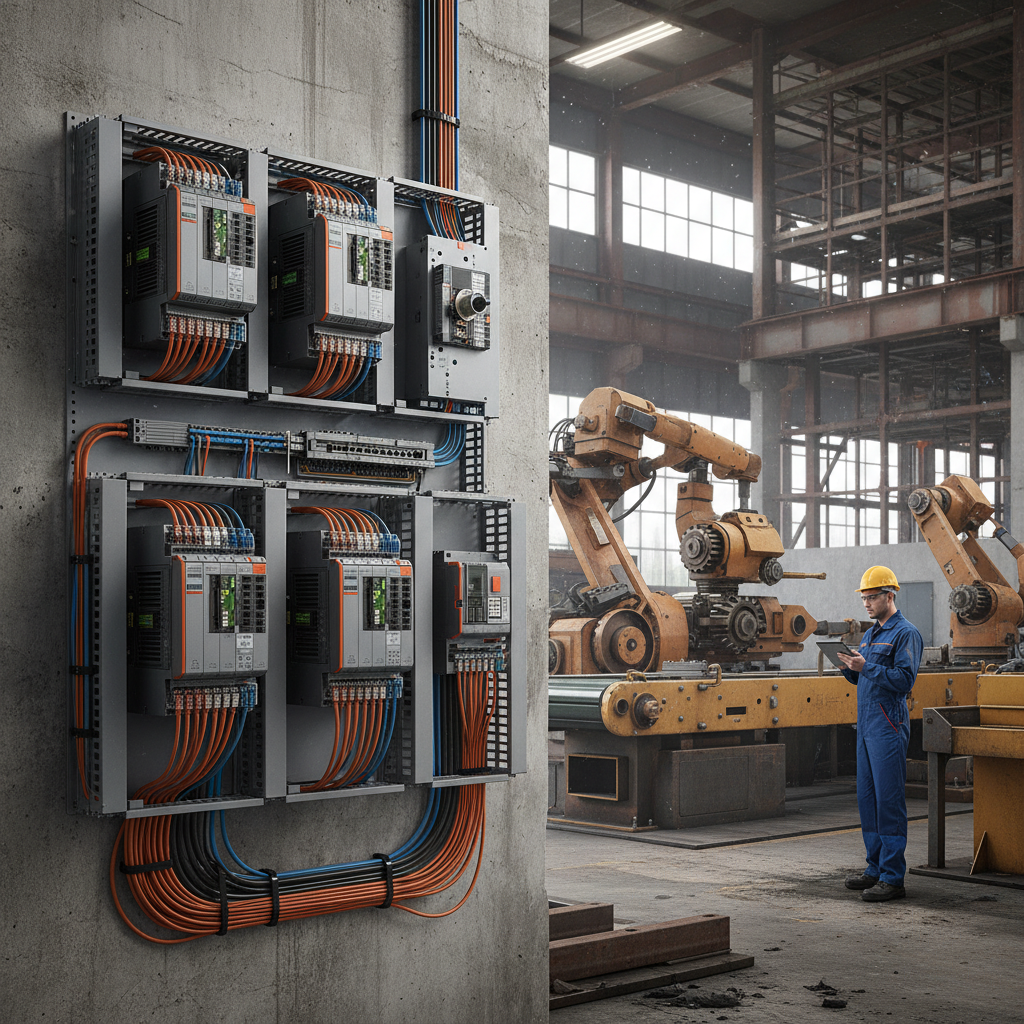
In the thick of production lines and heavy equipment, a frequency drive—often called a variable frequency drive (VFD)—is a device that controls the speed and torque of electric motors by varying the input frequency and voltage. Instead of running a motor full throttle all day, these drives allow operators to dial in exactly the performance they need.
Think of it as the volume knob on a stereo but for industrial motors. This simple ability to fine-tune speed can save massive amounts of energy, reduce wear and tear on machines, and boost overall operational efficiency. Oddly enough, many engineers say that once you go VFD, it’s hard to go back.
Industry Trends: Smart, Efficient, and Customizable
In recent years, there’s been a clear shift toward smarter control systems with built-in diagnostics, better connectivity, and improved energy-saving algorithms. Many frequency drives now come equipped to talk to the broader plant automation system, providing real-time data that lets maintenance teams predict issues before they cause downtime.
I recall visiting a plant where operators customized their frequency drives to dynamically adjust fan speeds depending on ambient temperature—a neat little touch that cut HVAC energy use by nearly 15%. It feels like the industry is moving from one-size-fits-all to personalized, data-driven solutions.
Breaking Down the Product Specs
| Specification | Typical Values | Notes |
|---|---|---|
| Input Voltage | 200 - 480 VAC | Three-phase supply common |
| Output Frequency | 0 - 400 Hz | Controls motor speed |
| Power Rating | 0.4 kW to 5000 kW | Covers small to very large motors |
| Control Method | V/Hz, Vector Control, Sensorless Vector | Depends on application requirements |
| Communication Protocols | Modbus, Profibus, Ethernet/IP | Enables integration in automation |
Picking the Right Vendor: A Quick Comparison
| Vendor | Strengths | Industry Focus | Typical Price Range |
|---|---|---|---|
| Vendor A | Robust design, excellent support | Heavy industry, mining | $$$ |
| Vendor B | Energy-efficient models, smart features | Manufacturing, HVAC | $$ |
| Vendor C | Highly customizable, global reach | Water treatment, oil & gas | $$$$ |
One small story: a client I worked with recently was struggling with inconsistent motor speeds in a water treatment plant. Installing a new frequency drive system not only stabilized operations but also cut energy costs noticeably. It felt like giving their system a sort of heartbeat—it runs smoother, smarter, and more responsive.
In real terms, frequency drives are often unsung heroes, quietly improving processes behind the scenes. Whether it’s improving product quality, saving energy, or extending machinery life, their impact is tangible. Then again, once you start looking into their specs and variations, you realize it’s a rich field, and the right drive sometimes comes down to specific needs, environment, and budget.
So if you haven’t thought deeply about VFDs until now, I’d say it’s worth a look. Odds are, there’s a frequency drive that can make your own operations hum a little better.
Reflection: The world of frequency drives is vast, but understanding their basics can open doors to smarter industrial controls. For those in the field, they’re fascinating pieces of tech that quietly power modern industry.
- “Introduction to Variable Frequency Drives,” Industrial Automation Journal.
- “Energy Savings with Smart VFDs,” EnergyTech Reports, 2023.
- Vendor websites and specification datasheets (verified June 2024).