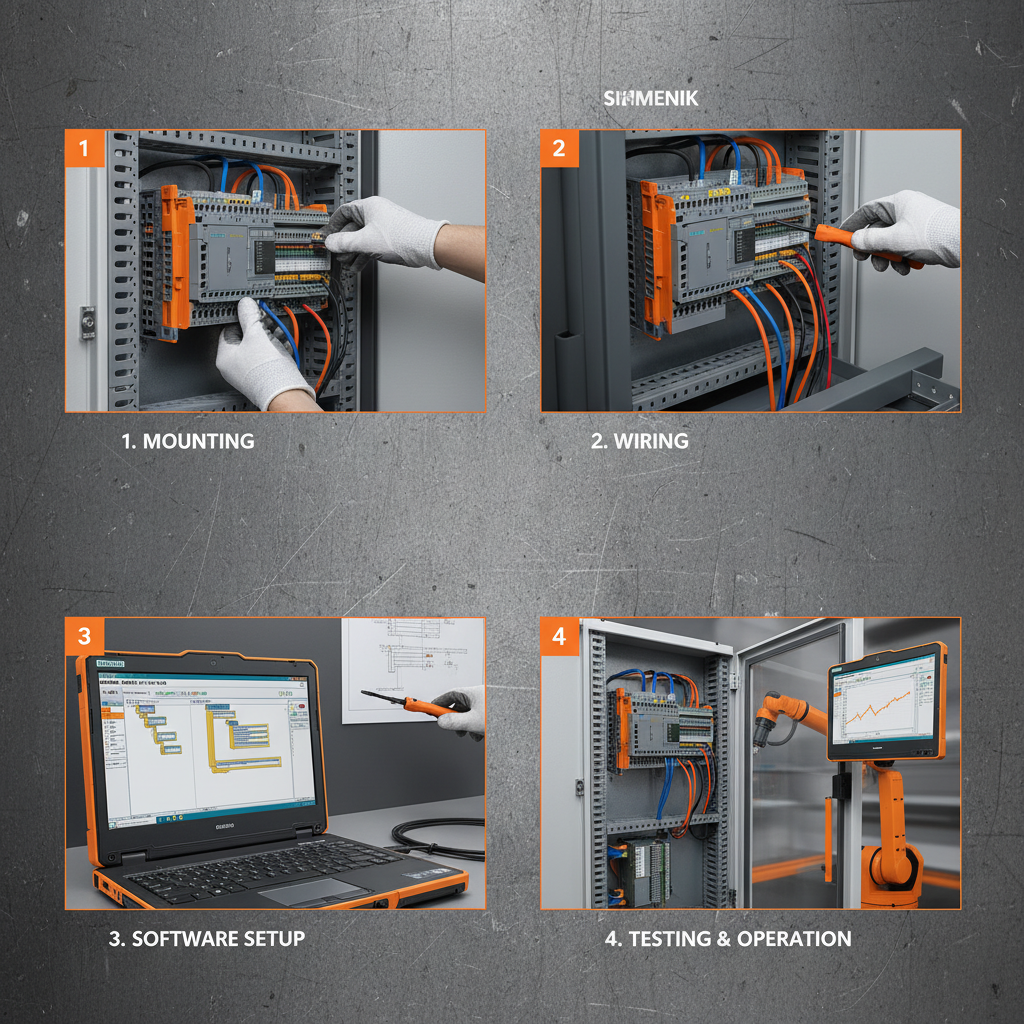
Industrial VFD: Boost Efficiency & Sustainability in Modern Industry
Industrial VFD: A Quiet Revolution Powering Modern Industry
Have you ever wondered how massive industrial motors adjust their speed so precisely without wasting energy? Enter the industrial VFD, or variable frequency drive—a device quietly powering the backbone of countless industries worldwide. Understanding industrial VFDs is more than just a techie curiosity; it’s about unlocking the potential for greater efficiency, sustainability, and operational control around the globe.
In a nutshell, industrial VFDs regulate motor speed by adjusting the power frequency, enabling industries to save energy, reduce wear and tear, and increase production flexibility. These benefits ripple beyond factories—into infrastructure, environmental sustainability, and even humanitarian operations where reliability and efficiency matter a great deal.
The Global Context: Why Industrial VFDs Matter Today
Industries worldwide currently consume nearly 50% of global electricity, with a large chunk powering electric motors for pumps, conveyors, fans, and compressors (Wikipedia - Electric Motor). The UN’s emphasis on sustainable industrial development (UNIDO) highlights energy efficiency as a cornerstone of future economic growth and environmental responsibility.
That’s where industrial VFDs come in. By controlling motor speeds more precisely, they dramatically cut energy waste—some studies suggest savings up to 30-50% depending on the application. In sectors like water treatment, mining, and manufacturing, this can mean millions of dollars annually in reduced electricity bills.
Yet, the challenge remains: many facilities still operate motors at full speed regardless of actual demand, wasting resource, money, and even raising environmental concerns. The push for industrial VFD adoption aligns with global efforts toward carbon emission reduction and smarter resource management.
Mini takeaway: Industrial VFDs aren’t just gadgets—they’re vital levers for industries aiming to join the global green economy and stay competitive.
What Exactly Is an Industrial VFD?
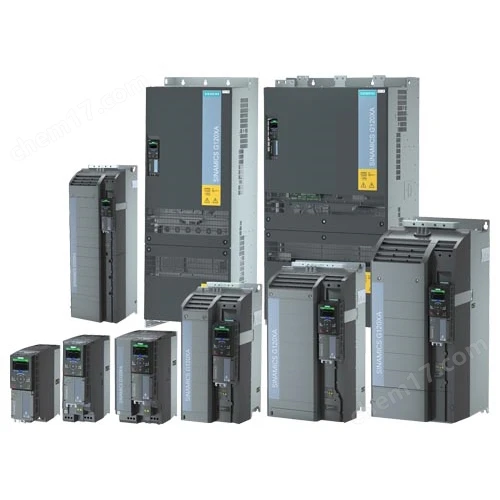
At its core, an industrial variable frequency drive (VFD) is an electronic system that adjusts the frequency and voltage supplied to an AC motor. This controls the motor’s speed and torque without mechanical gears or throttling.
Imagine a water pump in a factory: rather than running full throttle, a VFD makes it slow down or speed up in response to real-time needs—kind of like cruise control for industrial machines. It’s a neat piece of tech that balances energy savings with precise process control.
Beyond industries, VFDs have humanitarian implications too. For example, in disaster relief, variable-speed pumps powered by VFDs can help efficiently deliver clean water where it’s urgently needed—minimizing energy use in fragile environments.
Key Components Shaping Industrial VFD Performance
1. Durability
Industrial environments can be rough—dust, heat, moisture, you name it. Quality VFDs come with rugged enclosures and advanced cooling to withstand harsh conditions. This durability translates to less maintenance downtime and longer equipment life.
2. Scalability
From small motors in textile plants to huge crushers in mining, VFDs come in a range of sizes and power ratings. Scalability means integrators can pick drives that fit exact needs without overspending or compromising performance.
3. Energy Efficiency
Variable frequency control inherently reduces unnecessary power consumption by matching motor speed to workload. Modern drives often include energy-monitoring features, giving operators real-time feedback to optimize usage.
4. Cost Efficiency
While initial VFD installation costs might seem steep, the payback period—thanks to energy savings and reduced mechanical stress—is often surprisingly short. Some industries report ROI in less than two years.
5. Communication & Control
Today’s industrial VFDs integrate seamlessly with SCADA systems and IoT platforms, allowing remote monitoring and proactive maintenance — a huge plus for complex operations.
6. Safety Features
Overcurrent protection, fault diagnostics, and safe stop mechanisms are now standard on reputable VFDs. They protect machines and personnel alike.
Mini takeaway: A good VFD is more than a fancy switch; it’s an intelligent system designed to thrive in tough industrial settings and deliver long-term value.
Global Applications & Inspiring Use Cases
Industrial VFDs are everywhere—sometimes invisibly so. Let’s talk geography and sectors:
- Asia-Pacific manufacturing hubs: mega-factories adopt VFDs for process pumps and air handling units to slash energy use and meet tight emission standards.
- Middle East water desalination: VFD-powered pumps help deliver fresh water more efficiently in arid climates.
- European wind energy farms: VFDs regulate turbine speeds to optimize power output and reduce wear.
- Latin American mining: Drives keep conveyors and crushers running with precision in remote locations, minimizing energy costs.
In post-disaster relief operations, mobile water treatment plants equipped with industrial VFDs adjust flow rates dynamically, ensuring clean water supply even with unstable power sources—a life-saving technology that’s only growing in importance.
Product Specification Overview
| Specification | Typical Value | Notes |
|---|---|---|
| Power Range | 0.5 kW - 1500 kW | Suitable for small to large motors |
| Input Voltage | 208-690 V AC | Three-phase typical |
| Output Frequency Range | 0-400 Hz | Fine speed control |
| Efficiency | > 98% | Minimized power loss |
| Communication | Modbus, Profibus, Ethernet/IP | Integrated for automation |
How Leading Vendors Stack Up
| Vendor | Power Range | Energy Features | Special Strength | Approximate Price |
|---|---|---|---|---|
| Brand A | 1 kW - 1200 kW | Smart energy optimization | IoT integration | $$$ |
| Brand B | 0.5 kW - 1500 kW | Energy monitoring & reporting | Rugged design | $$ |
| Brand C | 10 kW - 1400 kW | Energy-saving modes | Compact size, easy retrofit | $$ |
Advantages & Long-Term Value of Industrial VFDs
Energy savings are just the tip of the iceberg. Industrial VFDs reduce mechanical stress on motors, which means fewer failures and less downtime. For engineers, that’s a dream come true. The technology also helps industries comply with stricter environmental standards, a growing priority worldwide.
There’s also an emotional undertone here—feeling confident that your machines won’t suddenly fail, or that your company is doing its part for the planet, makes a difference. Industry insiders often mention trust and resilience as intangible but crucial benefits.
On a social level, efficient motors contribute indirectly to lowering pollution and preserving resources, which benefits communities near industrial zones. It’s a reminder that technology is rarely isolated; it echoes outwards.
What’s Next? The Future of Industrial VFD Technology
For the future, think digital twin simulations, AI-powered predictive maintenance, and tighter integration with renewable energy sources. VFDs will increasingly be “smart,” adapting in milliseconds to grid demands or process fluctuations.
Materials science is evolving too—better heat dissipation and compact designs open doors to even tougher applications. Policies nudging industry towards decarbonization will likely make VFD adoption less optional and more mandatory.
Challenges and How the Industry Is Overcoming Them
Of course, the tech isn’t perfect. Initial installation costs, technical complexity, and the need for skilled maintenance can slow adoption, especially in less developed regions. Also, harmonic distortion caused by some VFDs can disrupt power quality if not managed properly.
That said, many manufacturers are simplifying user interfaces and providing online training. Plus, hybrid solutions with built-in harmonic filters address power quality. Slowly but surely, barriers are dropping.
FAQ: Your Industrial VFD Questions Answered
- Q1: How much energy can I expect to save by switching to an industrial VFD?
- A: Energy savings vary by application but can range from 20% to over 50%, especially for pumps and fans operating at partial load. Savings depend on correct sizing and system integration.
- Q2: Are industrial VFDs compatible with all types of electric motors?
- A: Most industrial AC motors are compatible, especially three-phase asynchronous motors. However, some specialized motors may need matched drives or additional configuration.
- Q3: What maintenance does a VFD require?
- A: Regular cleaning, checking cooling systems, and firmware updates usually suffice. Routine inspections help avoid failures and extend lifespan.
- Q4: Can an industrial VFD help reduce greenhouse gas emissions?
- A: Absolutely. By cutting energy use, VFDs lower the carbon footprint of motor-driven systems—a key factor in meeting sustainability targets.
Conclusion: Why Industrial VFDs Are a Smart Investment
Industrial VFDs might seem like just another piece of electrical hardware, but their impact is wide-reaching and meaningful. Energy efficiency, operational reliability, and environmental benefits combine to make VFDs a smart, sustainable choice for industries aiming for a future that works better for both business and the planet.
If you’re looking to dive deeper, cost-effectiveness and innovative features continue to improve, making now a great time to explore options. For more detailed products and expert guidance, visit our website: industrial vfd.
Oddly enough, the humble drive might just be the quiet hero behind tomorrow’s industrial success stories...