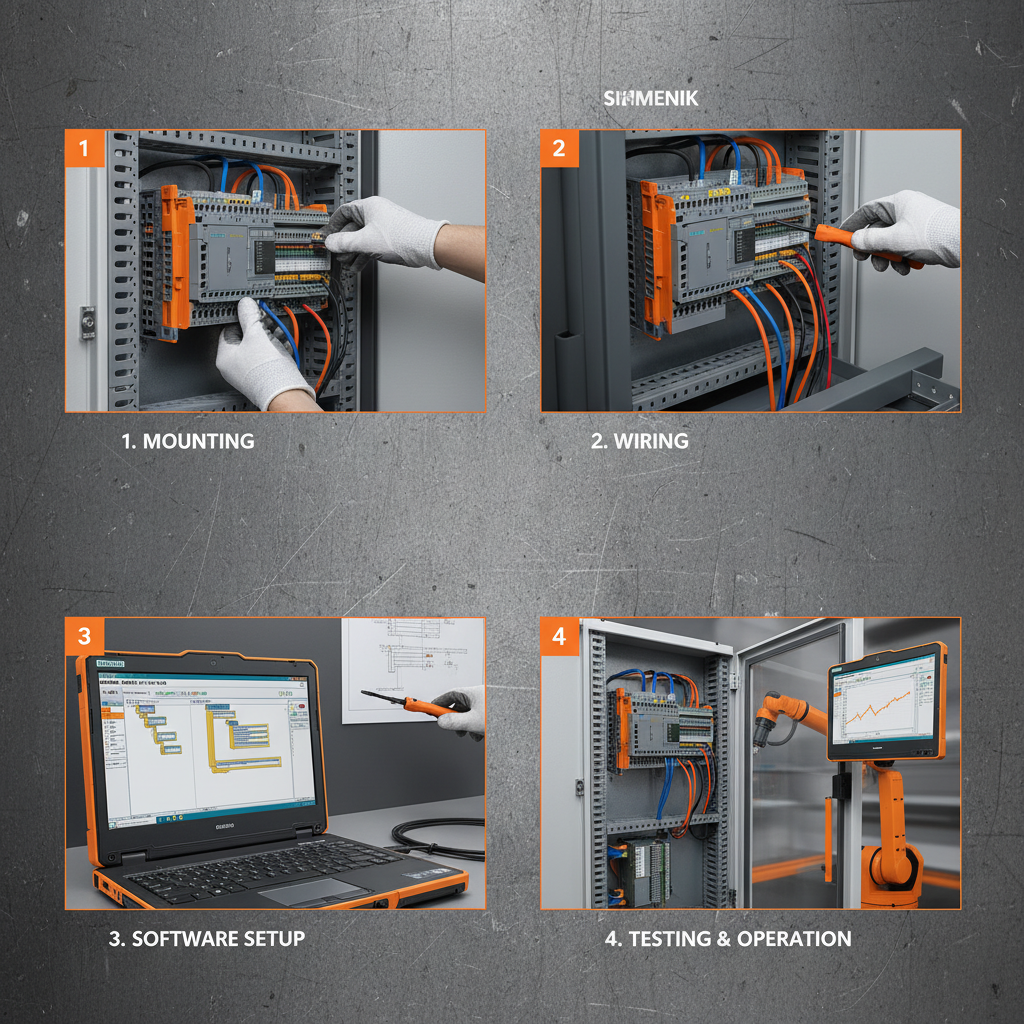
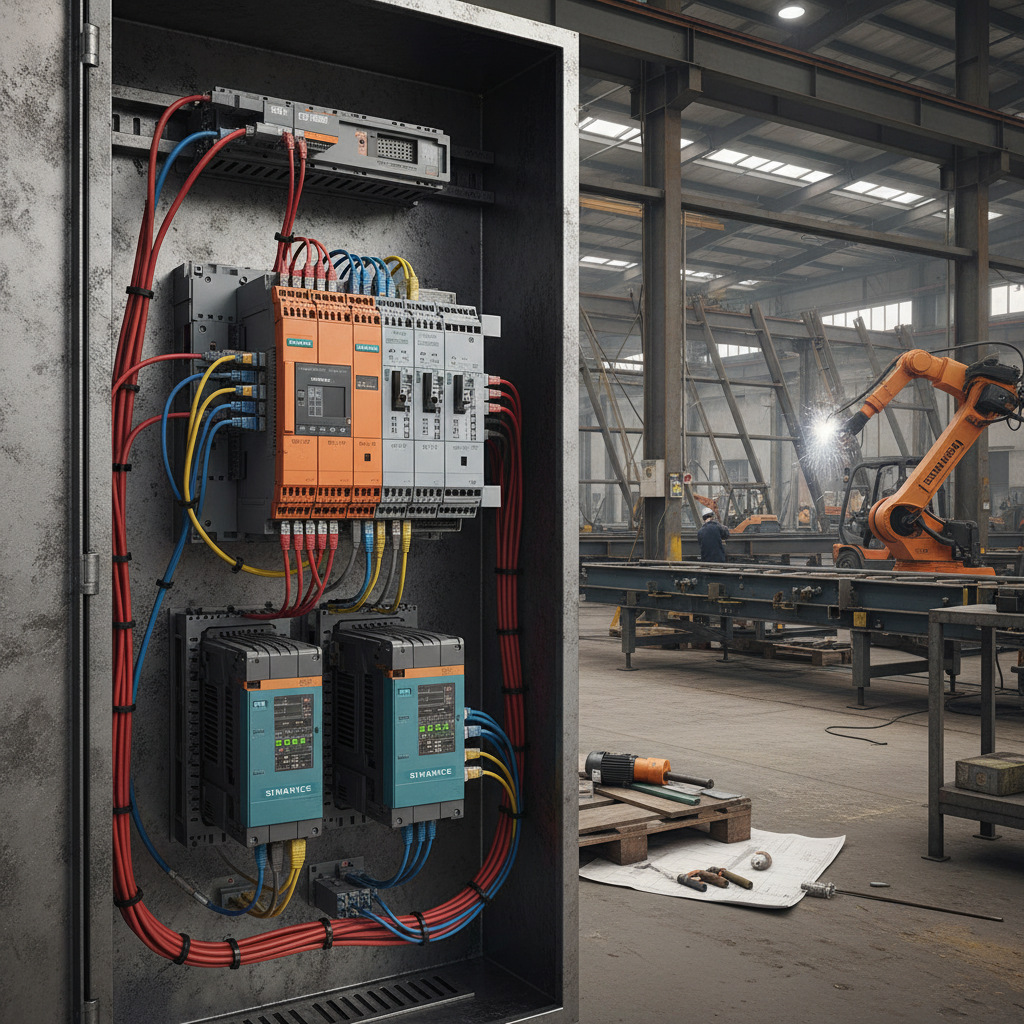
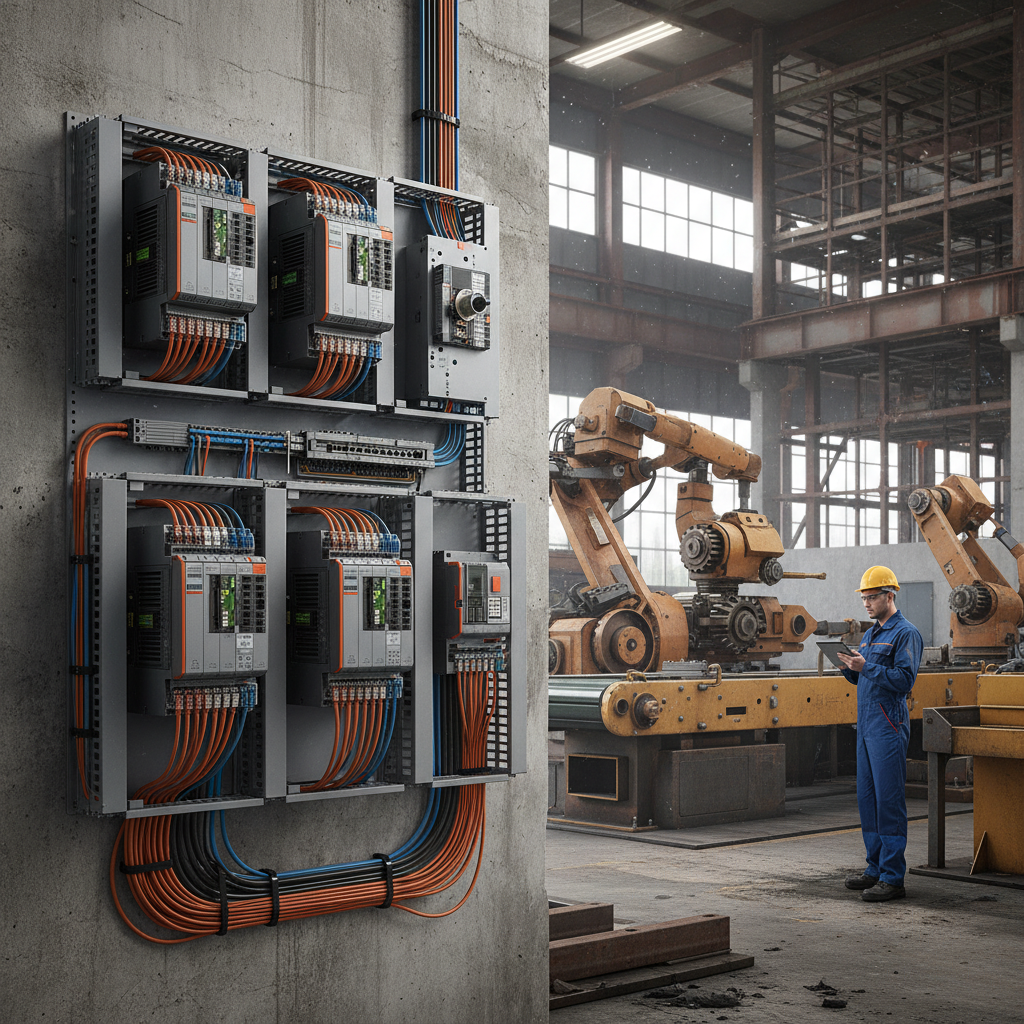
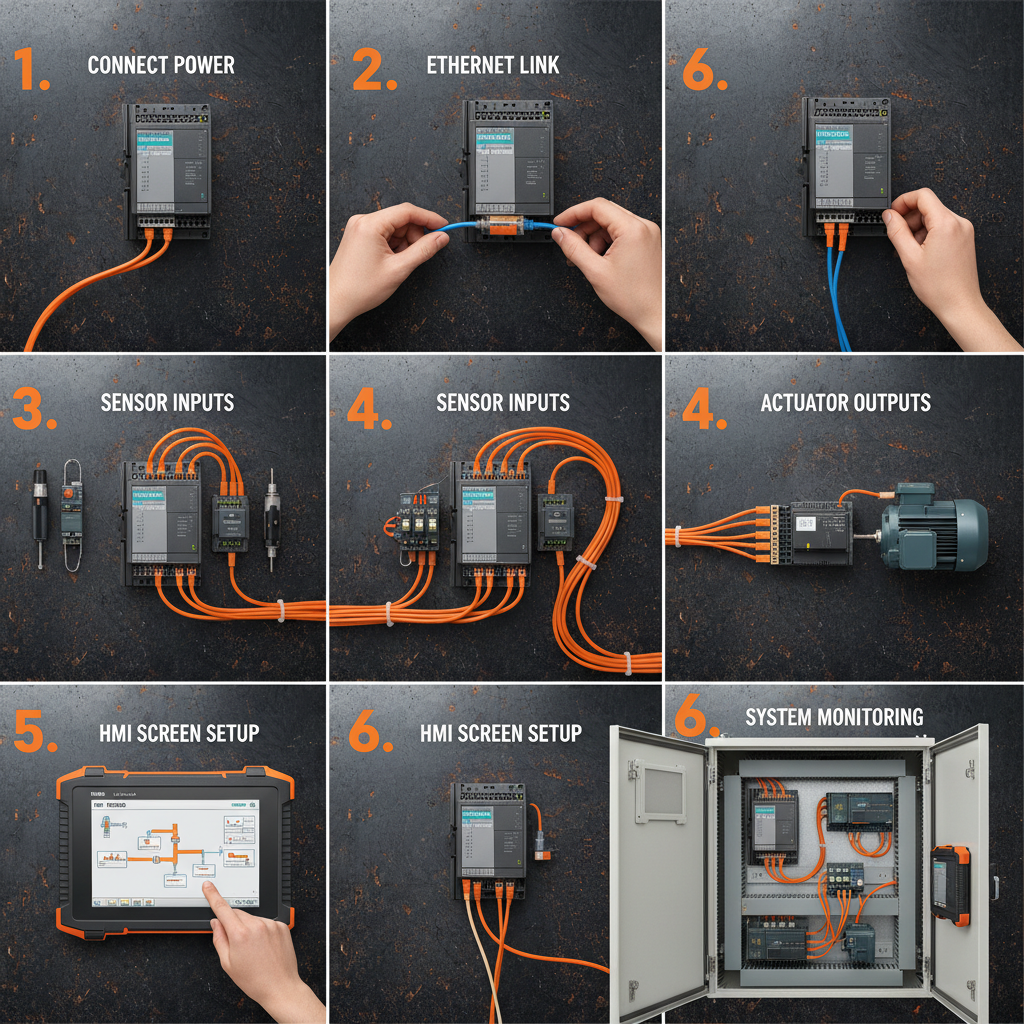
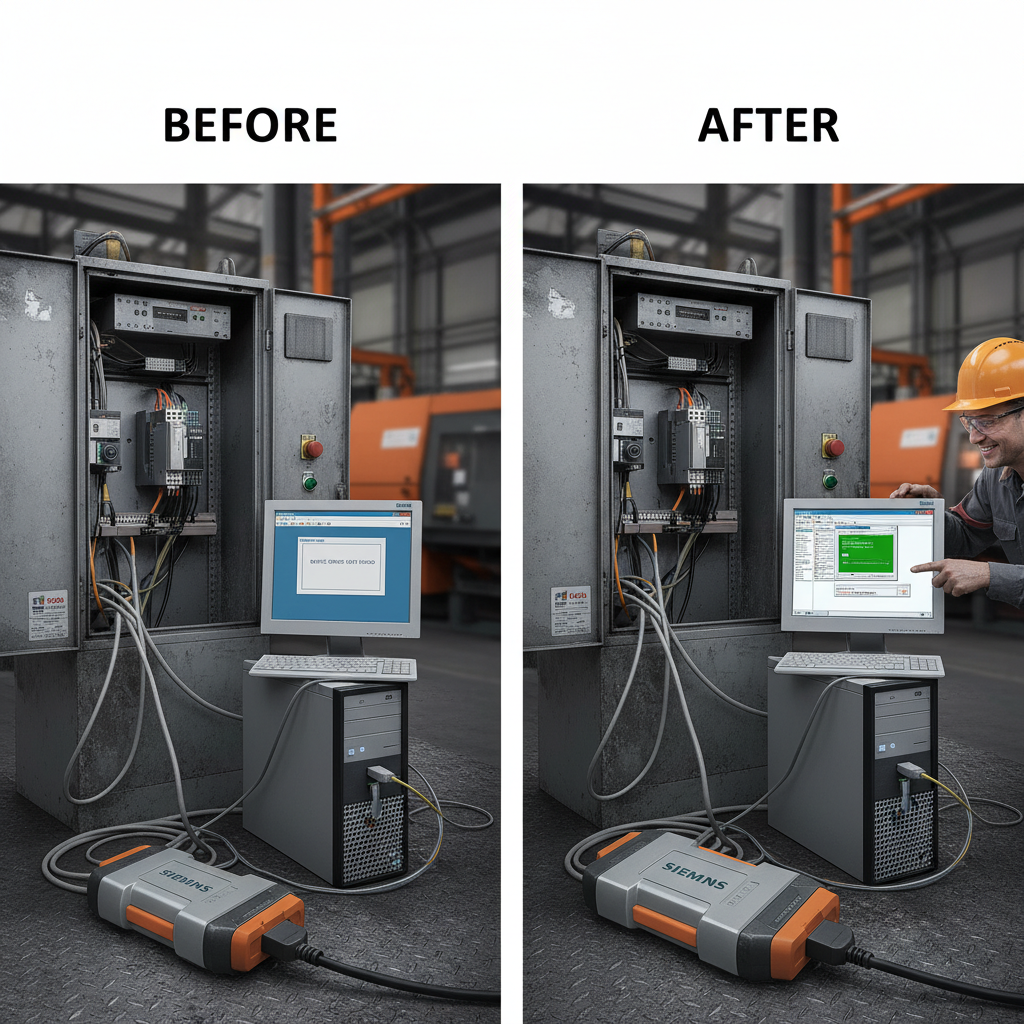
Understanding VFD Power: The Future of Efficient Motor Control
The Quiet Revolution: Why VFD Power Matters More Than You Think
Variable Frequency Drive (VFD) power might not be a household phrase, but its impact quietly ripples across industries, cities, and everyday life. To put it simply, VFD power is about controlling the speed and torque of electric motors—leading to smarter energy use, less waste, and longer-lasting machinery. As the global demand for efficiency and sustainability rises, understanding and applying VFD power becomes a no-brainer, not just for factories or heavy industry, but for everything from building ventilation to water supply systems.
Setting the Stage: VFD Power on the Global Energy Landscape
Globally, electric motors consume roughly 45% of the total electricity used by industries, according to the International Energy Agency (IEA). That’s almost half the energy pie. Given that a significant amount of this energy use is pretty fixed-speed, introducing variable frequency drives to control motor speeds can reduce consumption by 20-30% or more. That’s huge if you think about it — cutting energy waste on a massive scale.
Meanwhile, international organizations like the United Nations are pushing for improved energy efficiency in line with Sustainable Development Goal 7 (affordable and clean energy). VFD power fits right into this puzzle by making energy-intensive operations smarter and greener. But the challenge remains: many industries and developing regions are still stuck with outdated, inefficient motor controls. This gap offers both a technical and humanitarian opportunity.
What Is VFD Power? Breaking It Down
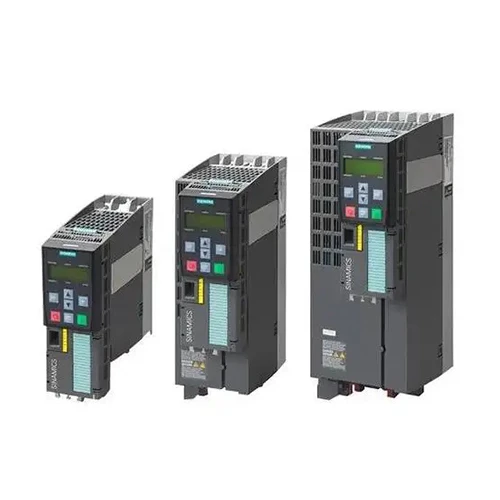
At its core, VFD power refers to the electrical power processed and controlled by variable frequency drives—devices that modulate the frequency and voltage supplied to AC motors. This means motors can run at variable speeds rather than fixed speeds, adapting to actual demand rather than running full tilt all the time.
Imagine a water pump supplying an office building’s cooling system. Without a VFD, the motor runs at full speed constantly—even if the building only needs partial cooling. With VFD power, the motor adjusts speed in real-time, saving energy and lowering wear. In industries, this translates into better process control, fewer breakdowns, and a smaller carbon footprint.
Core Features Defining VFD Power
1. Energy Efficiency
Probably the most obvious advantage is reduced energy consumption. By tuning motor speed according to need, energy input drops significantly. Studies estimate that motors with VFDs can cut electricity costs by anywhere from 15% to 50%, depending on the application.
2. Enhanced Motor Longevity
Running a motor at full speed non-stop feels a bit like driving a car in top gear through city traffic—rapid wear and tear. VFD power reduces the mechanical stress, resulting in less vibration, fewer starts/stops, and ultimately, longer motor lifespan.
3. Scalability & Flexibility
The beauty of VFD systems lies in their flexibility. Whether you’re managing small HVAC fans or industrial extrusion lines, scaling or adjusting performance is simpler with variable controls.
4. Reduced Operational Costs
Lower power bills are only half the story. Maintenance and downtime costs also decline, thanks to smoother operation and fewer emergencies.
5. Environmental Impact
Less energy usage means lower greenhouse gas emissions, supporting environmental sustainability initiatives across sectors.
6. Improved Process Control
Many industries prize VFDs for the granular control they offer, enabling precise adjustments leading to better product quality and system reliability.
Mini Takeaway: VFD power isn’t just a tech upgrade; it’s a multifaceted toolkit for efficiency, savings, and sustainability.
Where in the World Is VFD Power Making a Difference?
VFD power has found solid ground in manufacturing hubs of Europe, North America, and increasingly Asia. Yet, oddly enough, it’s also proving indispensable in regions one wouldn’t immediately expect.
- Industrial Automation in Germany: Factories deploying VFDs report up to 40% energy savings, aligning with Germany's energy transition goals.
- Water Supply Systems in India: VFD-powered pumps help balance fluctuating demand and limited grid capacity, improving water availability in several Indian cities.
- Remote Mining Sites in Australia: In off-grid operations, VFDs optimize diesel generator loads, boosting fuel efficiency.
- Post-Disaster Operations: Humanitarian organizations employ VFD-equipped mobile power units for faster deployment and reliable, clean energy.
Mini Takeaway: Whether a dense metro or a remote mine, VFD power bridges efficiency gaps in diverse environments.
Advantages and Lasting Impact of VFD Power
Beyond money saved and energy trimmed, VFD power contributes to social and environmental wellbeing. Businesses gain from reliable, more predictable operations, while communities enjoy cleaner air and improved services. There's also a growing sense of corporate responsibility tied to deploying energy-efficient solutions—almost a trust-building exercise with customers and stakeholders alike.
Product Specification: Typical VFD Power Unit
| Specification | Typical Range / Value |
|---|---|
| Input Voltage | 380-480 V AC |
| Output Frequency | 0-400 Hz |
| Power Range | 0.75 kW to 1000 kW |
| Control Type | Vector, Scalar, Sensorless Vector |
| Communication | Modbus, Profibus, Ethernet/IP |
| Protection Features | Overcurrent, Overvoltage, Thermal |
Comparing Popular VFD Vendors
| Vendor | Price Range | Power Range | Key Features | Support & Warranty |
|---|---|---|---|---|
| Siemens | $$$ | 0.75 kW - 2500 kW | Advanced vector control, seamless integration | 5 years standard |
| Yaskawa | $$ | 0.5 kW - 500 kW | Reliable scalar/vector drives, user-friendly UI | 3 years |
| Schneider Electric | $$$ | 0.75 kW - 1100 kW | Smart connected drives, energy monitoring | 5 years |
| Delta Electronics | $ | 0.4 kW - 560 kW | Cost-effective, compact design | 2 years |
Looking Ahead: Future of VFD Power
We’re standing on the edge of some pretty neat innovations. Integrating VFD power with IoT and AI promises even smarter energy use. Imagine predictive maintenance that alerts you before a motor hiccups, or adaptive control tuning itself automatically as conditions change.
Plus, with renewable energy sources like solar and wind becoming more prevalent, VFDs play a crucial role in managing fluctuating power inputs and ensuring stable motor performance. And policies pushing for lower industrial emissions are turning VFD adoption from an option to a necessity.
Common Roadblocks and How to Clear Them
However, the road isn’t all smooth. Initial installation costs can shake up budgets — especially in smaller or resource-limited operations. Then there’s the technical skill gap, where operators need training to optimize these systems effectively.
Thankfully, turnkey solutions and training programs are becoming more widespread. Older motors might not always pair well, but retrofitting kits help. As vfd power tech evolves, these hurdles look less daunting.
FAQ — Your Burning Questions About VFD Power (Answered)
Q1: How much energy can VFD power save in typical industrial use?
A1: In practical terms, VFDs can reduce energy consumption by 15%-50%, depending on motor load variability. Industries with variable-throttle processes, like pumps and fans, benefit most from these savings.
Q2: Are VFD systems compatible with old motors?
A2: Often yes, but with caution. Older motors might lack insulation or design features suitable for variable frequency operation. Retrofitting with proper filters or upgrades can help prevent damage.
Q3: Is VFD power cost-effective for small businesses?
A3: While upfront costs exist, many small businesses realize quick payback via lower electricity bills and reduced maintenance. Some regions offer incentives to offset installation expenses.
Q4: Can VFD improve safety in industrial settings?
A4: Absolutely. By offering smooth starts and stops, VFDs reduce mechanical shocks and sudden motions, mitigating hazards to equipment and personnel.
Q5: How does VFD power support sustainability goals?
A5: By optimizing motor energy use, VFDs contribute to lower carbon emissions and better resource management, aligning with global sustainable development efforts.
Wrapping Up: Why VFD Power Deserves Your Attention
In a nutshell, vfd power embodies smart, responsible, and future-ready energy use. The benefits stretch from the balance sheet to environmental stewardship. Whether you’re running a sprawling factory, a municipal water system, or just exploring smarter options, VFDs offer a proven path forward.
Why not explore the possibilities? Visit our website: https://www.tianjinyongkai.com to learn more about how VFD technology can power your next step.
References: