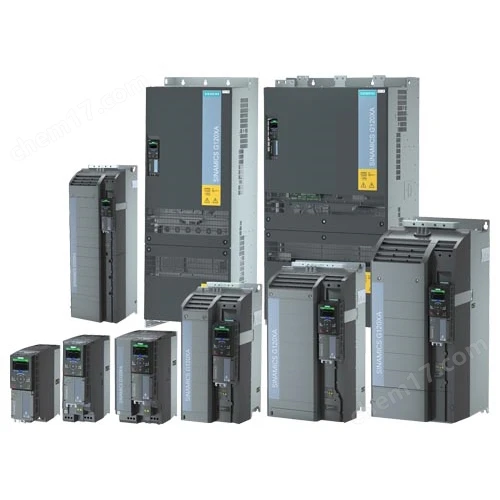
Comprehensive Guide to Three Phase Variable Frequency Drives - Applications & Benefits
The Unsung Hero: Why Understanding the Three Phase Variable Frequency Drive Matters Globally
In modern industry, the three phase variable frequency drive (VFD) quietly plays a starring role. While it may sound like a mouthful of electrical jargon, this device is key to optimizing energy consumption, reducing costs, and boosting machine longevity worldwide. Global electricity demand is soaring—according to the International Energy Agency, motors and drives account for nearly 45% of industrial electricity use. That’s a staggering figure. If only we could make these motors smarter and more efficient… enter the three phase variable frequency drive.
Understanding this device goes beyond techies; it’s a practical necessity in energy-conscious industries, from manufacturing hubs in Germany to water treatment plants in India. It isn’t just about saving money—it’s about sustainability, reducing carbon footprints, and supporting reliable infrastructure. Grasping why and how these drives work offers a tangible edge for businesses and engineers alike.
Takeaway: The three phase variable frequency drive is an essential, energy-savvy tool helping industries worldwide run smarter, cleaner, and cheaper.
Why the Three Phase Variable Frequency Drive is Becoming a Global Game-Changer
The relevance of three phase variable frequency drives spans continents and industries. According to the UN’s Sustainable Energy for All initiative, improving industrial efficiency is vital to meet climate goals and reduce energy waste. Traditional fixed-speed motors eat energy inefficiently—think of them like cars stuck at full throttle regardless of road conditions.
Variable frequency drives solve this by adjusting motor speed in real-time, matching power output to demand. The World Bank notes that energy efficiency improvements could reduce industrial emissions by up to 30% in developing countries alone. This is crucial for places with emerging industrial sectors and limited power budgets.
Oddly enough, while VFDs have been around decades, their adoption is still uneven globally. Often, it’s down to awareness or upfront costs. But given the long-term payoffs in energy savings, many manufacturers now consider them indispensable. For anyone running three-phase motors — that is, pretty much any heavy machinery — these drives address significant challenges in power management and machine control.
Mini takeaway: The three phase variable frequency drive stands at the crossroads of economic growth, global energy conservation, and industrial modernization.
What Exactly is a Three Phase Variable Frequency Drive?
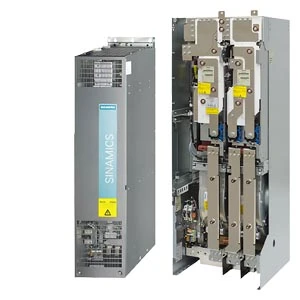
In simple terms, a three phase variable frequency drive is an electronic device that controls the speed and torque of an electric motor by varying the frequency and voltage of its power supply. "Three phase" refers to the type of AC power it handles, commonly used for large motors because of their efficiency and power delivery.
Suppose you have a conveyor belt that needs to run slower during low production periods and faster during peak hours. Instead of just switching the power on or off, a VFD tweaks the motor’s operating frequency, adjusting its speed smoothly and precisely. This means less wear and tear on the motor, and importantly, energy savings.
On a broader scale, these drives support everything from water pumps in municipal systems to industrial robots on factory floors, and they even have humanitarian applications where reliable, adjustable power is needed — like powering relief camps or off-grid installations.
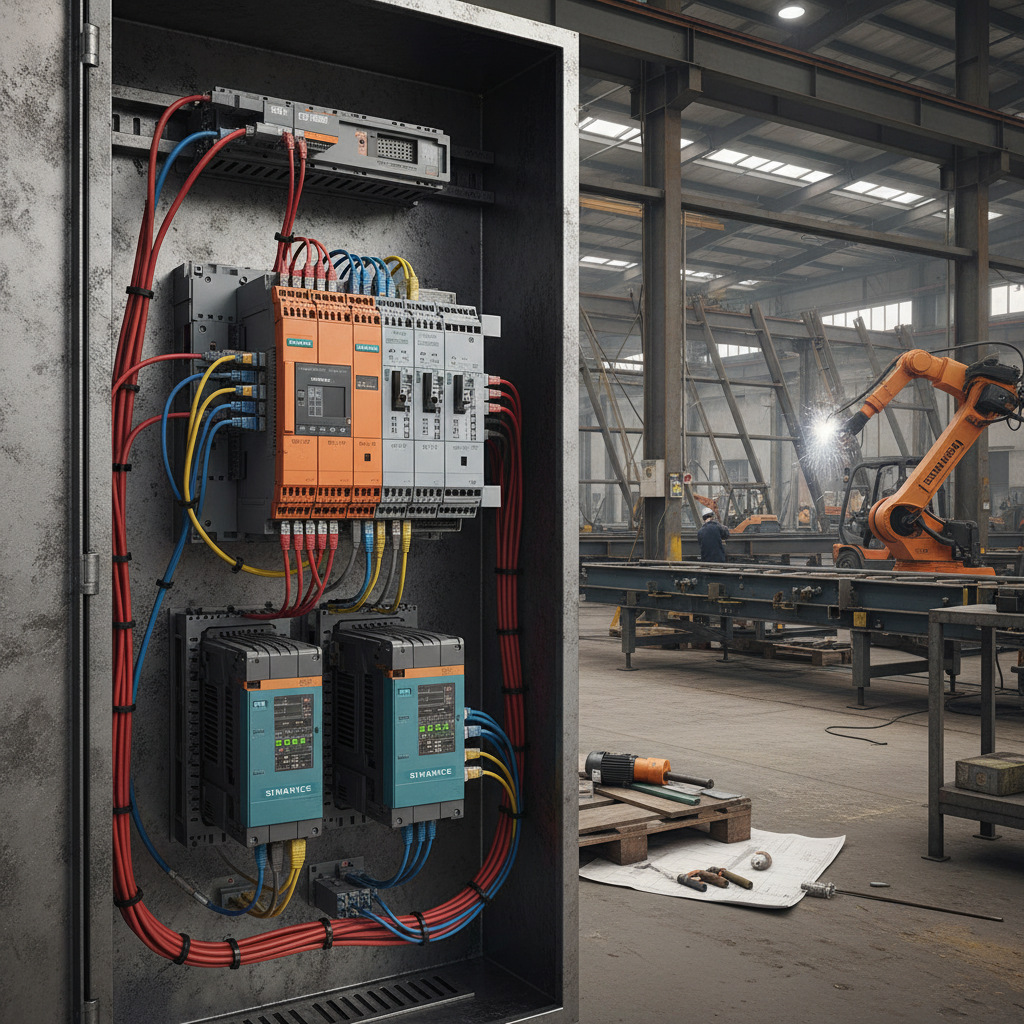
Core Components that Make Variable Frequency Drives Tick
1. Power Conversion Unit
This part converts incoming AC power to DC, then back to AC at the desired frequency and voltage. It’s the heart of speed control—precisely adjusting output waves to the motor’s needs.
2. Control Unit
The electronics brain. It monitors and commands the drive’s operations, responding to inputs like desired speed or motor load.
3. Filtering & Protection
Essential to prevent electrical noise and protect sensitive components against voltage spikes, helping the drive survive in noisy industrial environments.
4. Cooling System
Drives generate heat during operation; cooling methods — like fans or heatsinks — ensure stability and longevity.
5. User Interface & Feedback
LED displays, control panels, or software tools allow electricians or operators to program, monitor, and troubleshoot the drive.
Altogether, these components create a finely tuned orchestra of power and control — turning a simple electric motor into a dynamic, adaptable machine.
Three Phase Variable Frequency Drives Around the World: Practical Use Cases
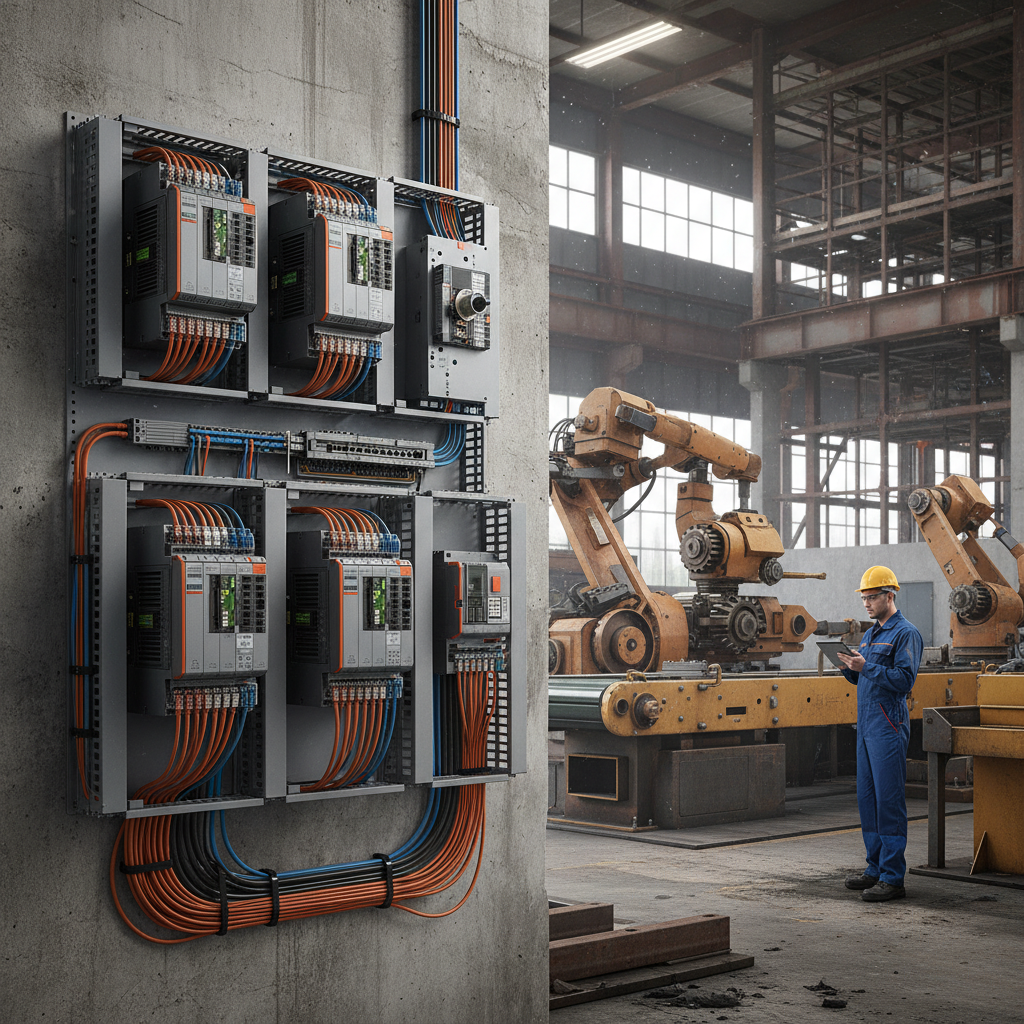
From the sprawling factories of China to the wind farms of Denmark, these drives have spread like wildfire. Consider:
- Automotive Production Lines in Germany increase throughput by optimizing conveyor speeds according to assembly needs, reducing energy waste.
- Water Utilities across California use VFDs on pumps to maintain steady pressure without blowing electrical bills through the roof.
- Mining Operations in Australia rely on these drives to control heavy mining equipment with fine speed control, saving fuel and decreasing equipment downtime.
- Post-Disaster Relief Efforts in Southeast Asia have seen mobile power units fitted with VFDs to supply stable power for critical equipment despite shaky grid access.
Certain emerging industrial zones in Africa are beginning to adopt VFDs partially due to international sustainability funding — technology that just a decade ago felt out of reach.
Advantages of Investing in Three Phase Variable Frequency Drives
- Energy Efficiency: Reduces consumption by shutting down or slowing the motor during low demand periods.
- Reduced Mechanical Stress: Smooth ramp-up and ramp-down speeds prolong motor and mechanical component life.
- Lower Operating Costs: Less energy and maintenance means cost savings over time.
- Operational Flexibility: Quick adaptability to changing process conditions yields better product quality and responsiveness.
- Environmental Benefits: By trimming unnecessary energy use, VFDs indirectly reduce greenhouse gas emissions.
- Improved Safety: Controlled motor speeds prevent sudden stops or starts that might endanger staff or machinery.
Frankly, most engineers I speak with call VFDs a “no-brainer” when it comes to sustainable industrial upgrades.
Product Specification Table: Typical Three Phase Variable Frequency Drive
| Specification | Details |
|---|---|
| Input Voltage | 380V – 480V AC, 3-phase |
| Output Voltage | 0 – Input Voltage variable |
| Output Frequency | 0 – 400 Hz |
| Control Method | V/F control, Vector control |
| Power Range | 0.75 kW – 500 kW+ |
| Communication Protocols | Modbus, Ethernet/IP, Profibus |
How Do the Leading Vendors Stack Up?
| Vendor | Power Range | Price Range | Key Strength |
|---|---|---|---|
| Vendor A | 1 kW – 400 kW | Mid | Robust industrial design |
| Vendor B | 0.75 kW – 500 kW+ | Premium | Advanced vector control features |
| Vendor C | 0.75 kW – 300 kW | Budget | Value for money, simple UI |
The Future: What Innovations Await in Three Phase Variable Frequency Drives?
With green energy trends accelerating, VFDs are evolving rapidly. Integration with IoT and Industry 4.0 platforms enables predictive maintenance and real-time energy monitoring — a bit like having a doctor on call for your motors.
Additionally, newer semiconductor materials, such as silicon carbide (SiC), promise more efficient, smaller, and cooler devices. Frankly, this could make VFDs more accessible to smaller companies by lowering costs over time.
Policy shifts around carbon pricing and renewable energy mandates will only increase demand. Imagine VFDs combined with solar-powered factories or wind-driven grids — this orchestra is just starting to play.
Challenges & Practical Solutions in Current VFD Implementations
Of course, no tech is perfect. Common hurdles include:
- Electrical Noise Interference: Causes malfunctions if not properly filtered.
- Initial Capital Cost: Upfront investment can be a barrier for small businesses.
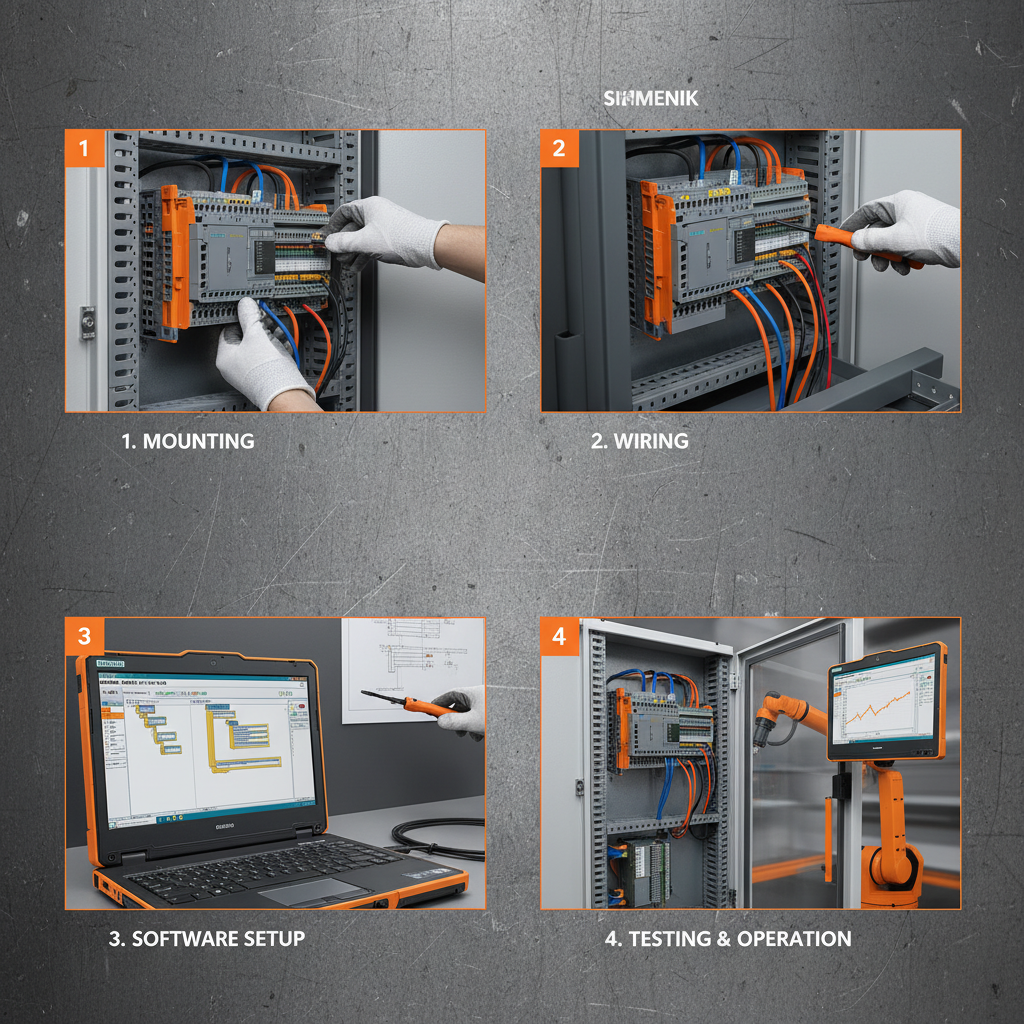
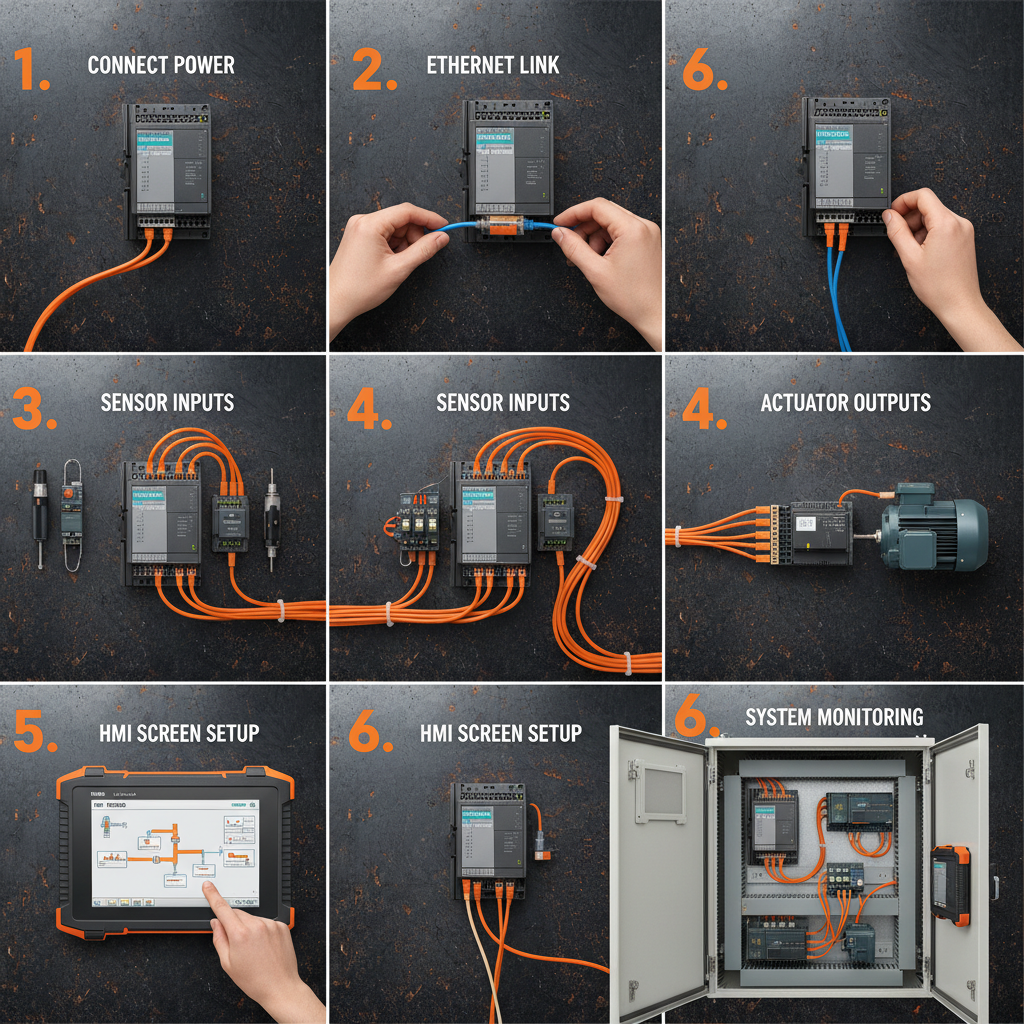
- Complex Installation: Requires skilled technicians for setup and programming.
Solutions: Manufacturers now offer plug-and-play models with built-in filters and simplified software. Leasing or financing plans mitigate upfront cost issues. And training programs are helping bridge the skills gap globally.
FAQs About Three Phase Variable Frequency Drives
- Q1: How does a three phase variable frequency drive improve motor efficiency?
- A1: By adjusting motor speed to actual load requirements instead of running full speed constantly, a three phase variable frequency drive reduces unnecessary energy consumption, improving overall system efficiency and reducing wear.
- Q2: Can a VFD protect motors from electrical faults?
- A2: Yes, many VFDs include built-in protections like overcurrent, overvoltage, and thermal overload monitoring to safeguard motors from common electrical faults.
- Q3: Are three phase variable frequency drives suitable for all types of motors?
- A3: They are mainly designed for AC induction and synchronous motors operating on three phase power. Some specialized motors may require specific drive types.
- Q4: What maintenance is required for VFDs?
- A4: Regular cleaning to prevent dust build-up, checking cooling fans, and ensuring firmware stays updated are common tasks. Most drives are low-maintenance compared to mechanical speed controllers.
- Q5: How do VFDs contribute to sustainability goals?
- A5: By significantly reducing energy consumption and prolonging motor life, VFDs lower greenhouse emissions and resource use, aligning with global sustainability efforts.
Wrapping it Up
To put it plainly, the three phase variable frequency drive is one of those clever technologies that quietly revolutionize industries worldwide. Saving energy, cutting costs, and powering a greener future — it’s the unsung hero behind many machines we rely on. Whether you’re retrofitting an old factory or designing new machinery, these drives deserve a spot on your shortlist.
Curious to learn more or ready to upgrade your systems? Visit our website at https://www.tianjinyongkai.com for detailed product info, case studies, and support.
References: