Siemens PLC MQTT Integration for Advanced Industrial Automation
MQTT PLC Siemens: A Comprehensive Guide to Industrial Automation
In the realm of industrial automation, the seamless communication between Programmable Logic Controllers (PLCs) and other devices is paramount. MQTT (Message Queuing Telemetry Transport) is rapidly becoming the preferred protocol for achieving this, particularly when combined with Siemens PLCs. This article will delve into the benefits of using MQTT with Siemens PLCs, the architecture involved, practical applications, and considerations for successful implementation. Understanding how to leverage MQTT can significantly enhance your industrial IoT (IIoT) initiatives and improve overall operational efficiency.
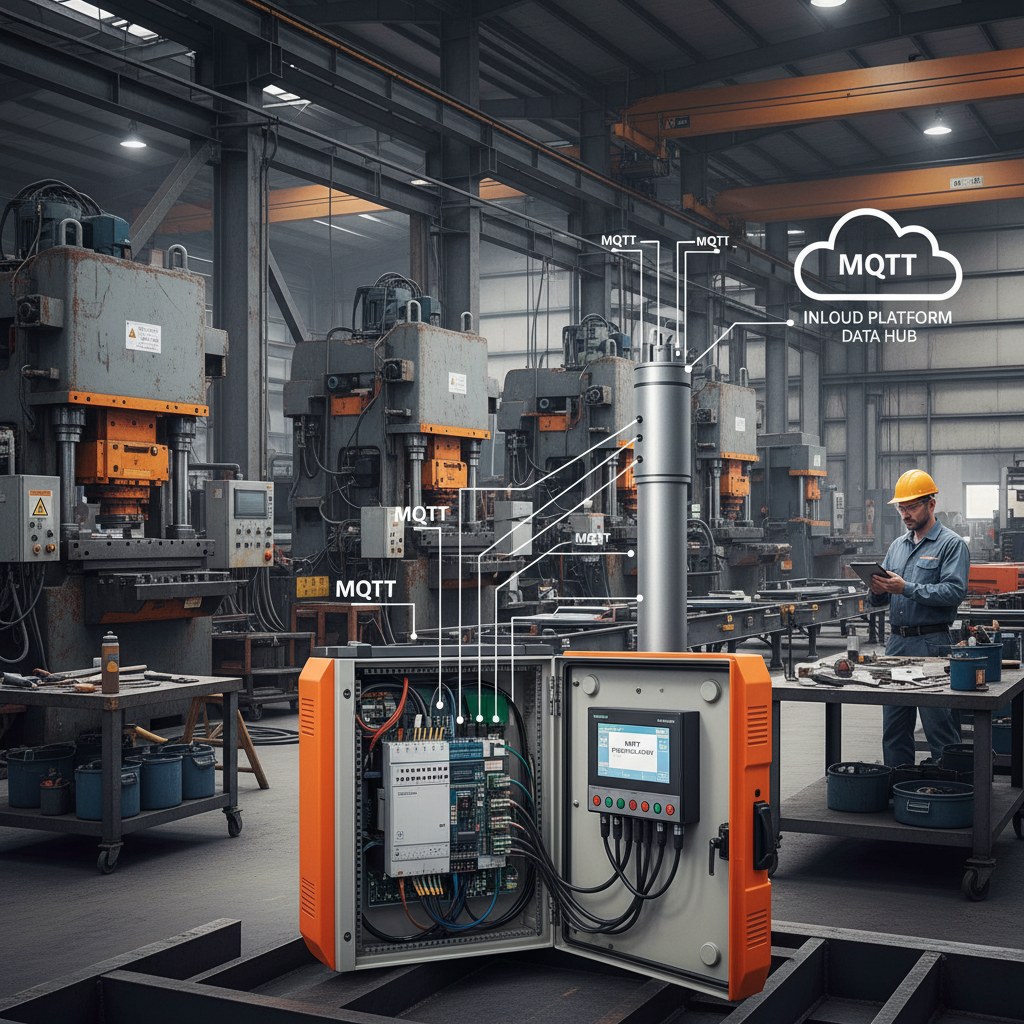
Understanding MQTT and its Advantages
MQTT is a lightweight messaging protocol designed for constrained devices and low-bandwidth, high-latency networks. Its publish-subscribe architecture makes it ideal for IIoT applications. Instead of direct communication, devices publish data to a central broker, and other devices subscribe to the topics of interest. This decoupling offers several advantages, including scalability, reliability, and efficiency. For Siemens PLCs, MQTT enables seamless integration with cloud platforms, SCADA systems, and other IoT devices, facilitating real-time data monitoring, remote control, and predictive maintenance. Compared to traditional protocols like Modbus, MQTT requires less bandwidth and is more resilient to network disruptions.
MQTT PLC Siemens: Key Benefits for Industrial Automation
Implementing MQTT with Siemens PLCs offers a multitude of benefits. Real-time data access empowers operators to make informed decisions quickly. Remote monitoring and control reduce downtime and improve efficiency. Predictive maintenance capabilities, enabled by analyzing MQTT data streams, minimize unexpected equipment failures. Furthermore, MQTT facilitates seamless integration with cloud platforms for data storage, analysis, and visualization. This leads to better asset utilization, optimized processes, and reduced operational costs. Tianjin Yongkai Automation Technology Co., Ltd. specializes in providing solutions to enable these integrations.
Architecture of a Siemens PLC MQTT System
A typical MQTT PLC Siemens system consists of several key components. The Siemens PLC acts as the data source, publishing process variables, sensor readings, and machine status updates. An MQTT client, often implemented as a software module running on the PLC or a gateway device, handles the MQTT communication. This client connects to an MQTT broker, which is responsible for routing messages between publishers and subscribers. Subscribers, such as SCADA systems, cloud platforms, or other PLCs, receive the data based on their subscribed topics. The gateway facilitates communication between the PLC and the MQTT broker and provides protocol translation and security features.
Siemens PLC MQTT Implementation Options
Siemens offers several options for implementing MQTT connectivity in its PLCs. The TIA Portal Openness API allows developers to create custom MQTT clients tailored to specific applications. Siemens also provides pre-built MQTT function blocks for some PLC models, simplifying the implementation process. Alternatively, a dedicated MQTT gateway can be used to connect Siemens PLCs to an MQTT broker. The choice of implementation method depends on factors such as PLC model, application requirements, and development resources.
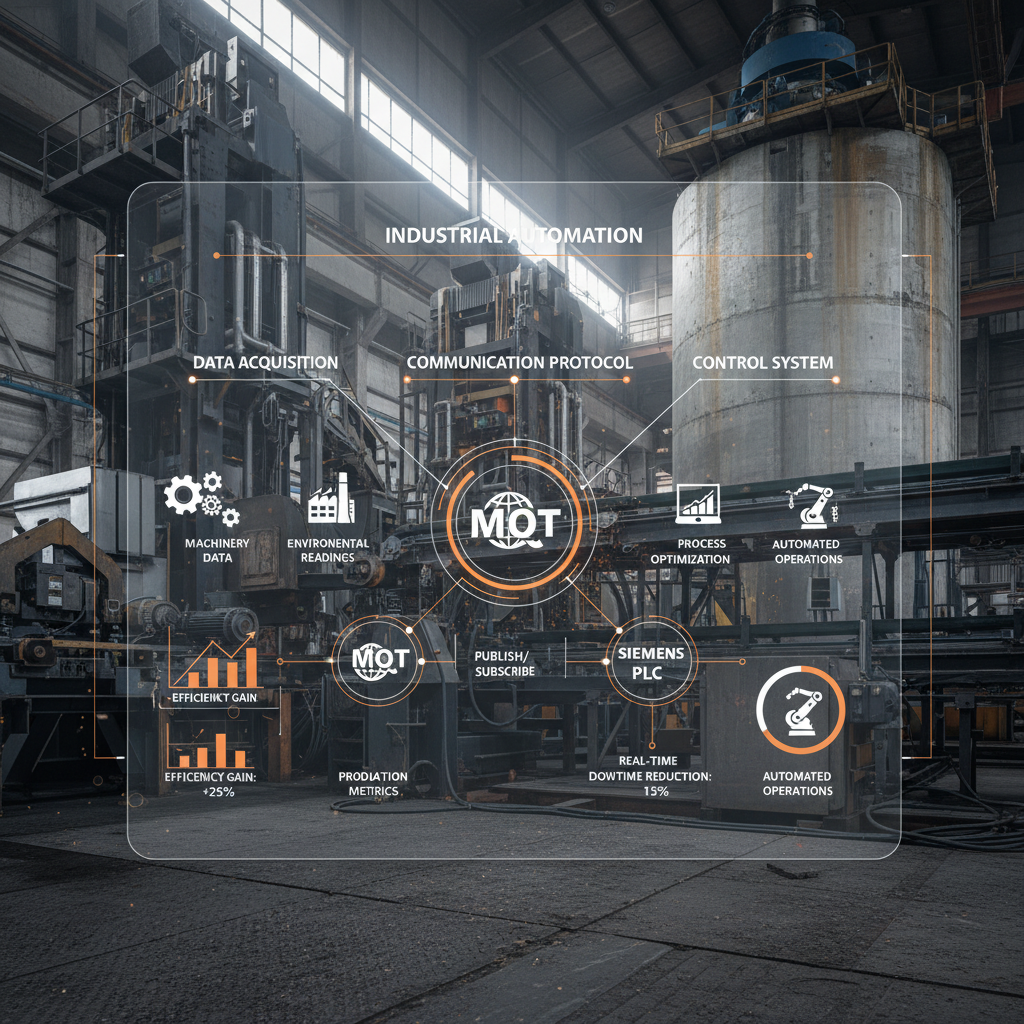
Comparing Implementation Approaches
Let's compare the common implementation approaches to highlight their strengths and weaknesses:
Conclusion: Embracing MQTT for Smarter Industrial Automation
The integration of MQTT with Siemens PLCs represents a significant step towards smarter and more connected industrial automation. By leveraging the benefits of MQTT, businesses can unlock new levels of efficiency, reliability, and insight. Tianjin Yongkai Automation Technology Co., Ltd. is dedicated to helping businesses navigate this transition and implement robust MQTT solutions tailored to their unique needs.
Frequently Asked Questions (FAQs)
What security measures should be implemented when using MQTT with Siemens PLCs?
Security is paramount when implementing MQTT in an industrial environment. Utilize TLS/SSL encryption to secure communication between the PLC and the MQTT broker. Implement strong authentication mechanisms, such as client certificates, to verify the identity of devices. Carefully manage MQTT topic access control to restrict unauthorized access to sensitive data. Consider using a VPN to further protect the network. Regular security audits and vulnerability assessments are crucial to identify and mitigate potential threats. Always keep your software and firmware up to date with the latest security patches.
What is the role of a MQTT broker in a Siemens PLC system?
The MQTT broker acts as the central hub for message exchange in the system. It receives messages published by the Siemens PLC and routes them to the appropriate subscribers. The broker manages client connections, handles message queuing, and ensures reliable message delivery. Popular MQTT brokers include Mosquitto, HiveMQ, and EMQX. Selecting the right broker depends on factors such as scalability requirements, performance needs, and security features.
How does MQTT compare to OPC UA for industrial communication?
Both MQTT and OPC UA are popular industrial communication protocols, but they serve different purposes. OPC UA is a more comprehensive protocol that offers extensive data modeling and security features. However, it’s also more resource-intensive and complex to implement. MQTT is lightweight and ideal for constrained devices and low-bandwidth networks. Often, they are used together; OPC UA can be used for local communication within a factory, while MQTT is used for connecting to cloud platforms and remote systems.
What are the typical use cases for MQTT in Siemens PLC applications?
Typical use cases include remote monitoring and control of PLCs, predictive maintenance based on sensor data, integration with cloud-based analytics platforms, and building IIoT applications. Specific examples include monitoring machine performance, tracking inventory levels, controlling process parameters remotely, and triggering alerts based on real-time data. MQTT allows for a more agile and responsive industrial automation system.