Variable Frequency Drives (VFDs) for 3 phase motors are becoming increasingly vital across a multitude of industries globally. These devices offer precise control over motor speed and torque, leading to significant energy savings, improved process control, and reduced mechanical stress on equipment. Understanding their functionality and applications is no longer a niche expertise, but a necessity for maintaining competitiveness and operational efficiency in today’s industrial landscape.
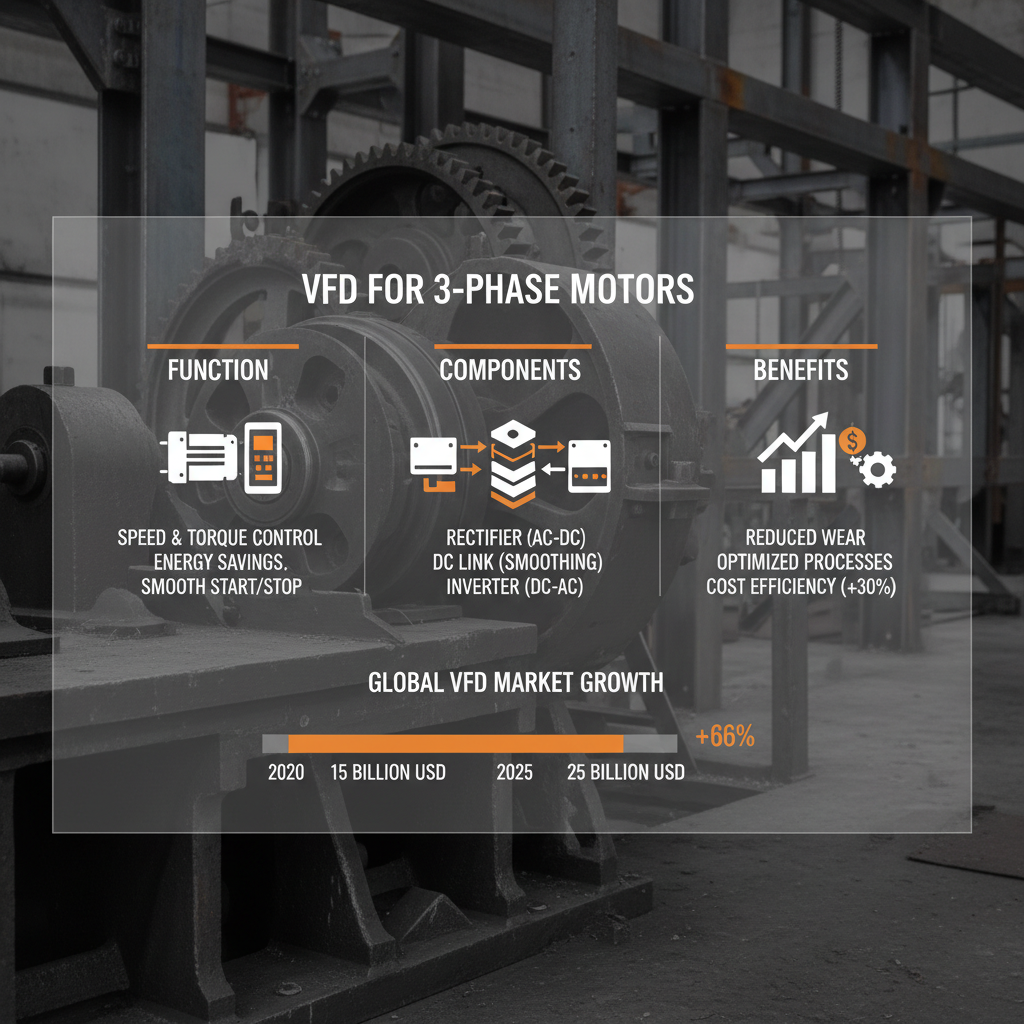
The global market for VFDs, particularly those designed for 3 phase motor control, is experiencing substantial growth. According to recent reports, the market is projected to reach billions of dollars in the coming years, driven by factors like increasing industrial automation, stricter energy efficiency regulations, and the growing adoption of renewable energy sources. This growth highlights the critical role VFDs play in modern infrastructure and manufacturing processes.
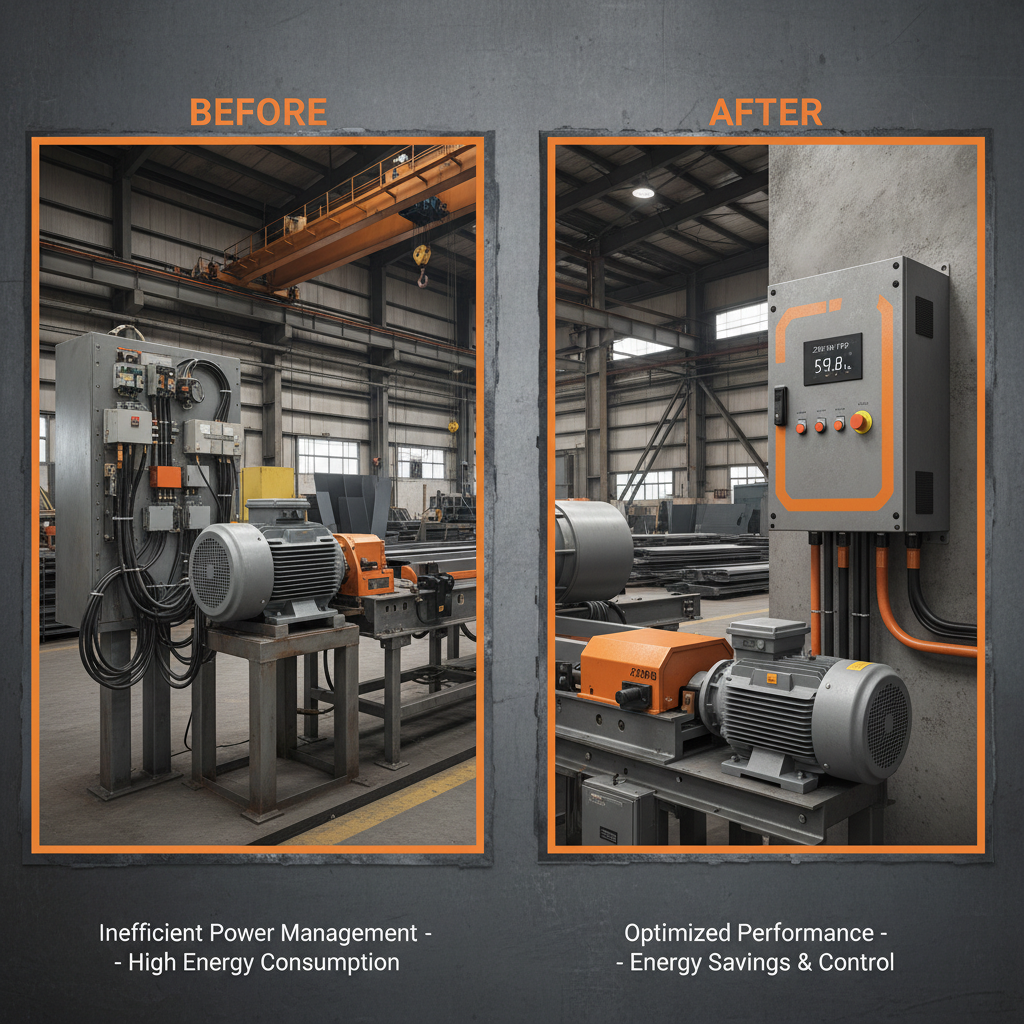
The adoption of vfd for 3 phase motor addresses a fundamental challenge: optimizing energy consumption and improving the performance of industrial operations. Traditional motor control methods often operate at fixed speeds, even when full power isn't required. VFDs allow motors to run at the precise speed needed, drastically reducing energy waste and extending the lifespan of the motor itself.
Introduction to vfd for 3 Phase Motor
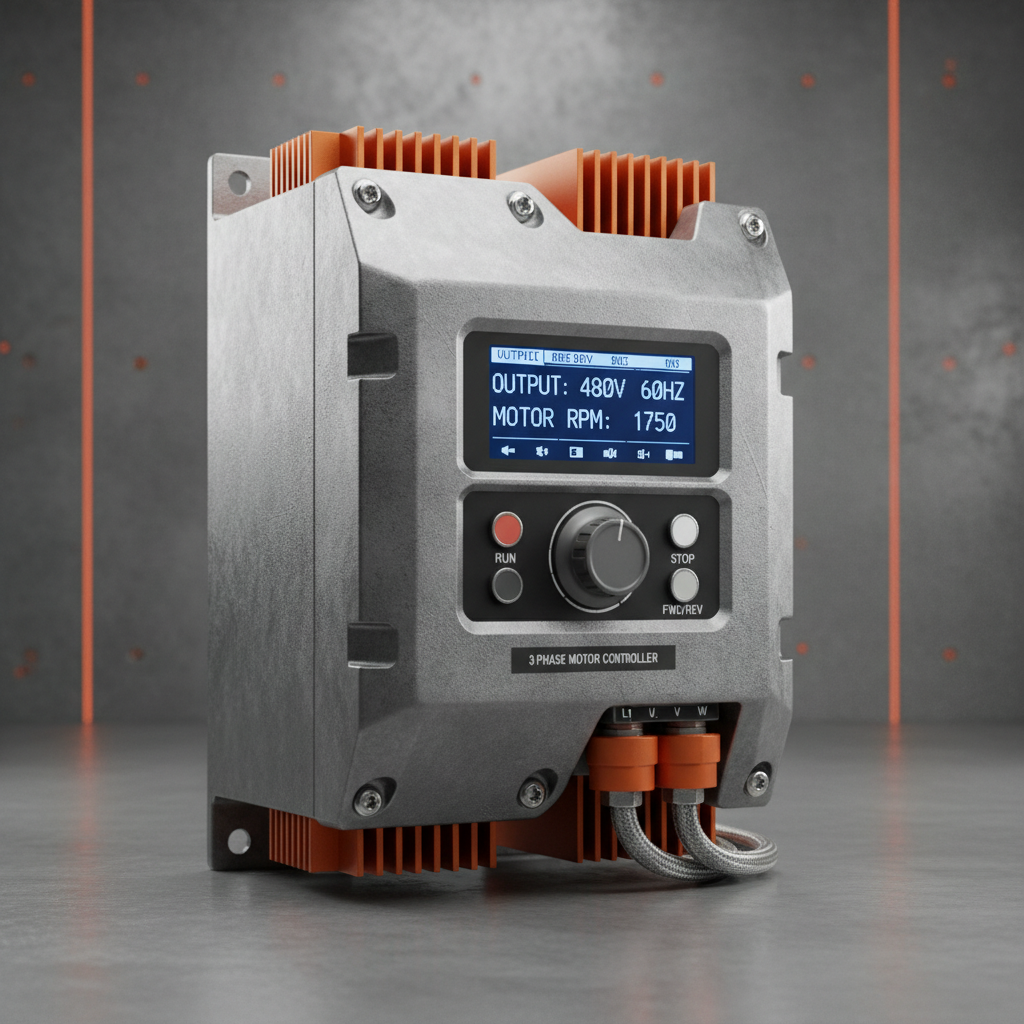
A vfd for 3 phase motor, or Variable Frequency Drive, is a type of motor controller that drives a 3-phase electric motor by varying the frequency and voltage supplied to the motor. This allows for precise speed and torque control, making it a critical component in a wide range of industrial applications. The core function is to convert AC power into DC, then back into AC with a variable frequency, effectively controlling the motor’s performance.
The benefits of implementing a vfd for 3 phase motor extend beyond simple speed control. They include reduced energy consumption, improved process efficiency, extended equipment life, and minimized mechanical stress. This makes them invaluable for applications where precise control and energy savings are paramount, from pumping and fan systems to conveyor belts and machining tools.
Defining vfd for 3 Phase Motor
In its simplest form, a vfd for 3 phase motor is an electronic device used to control the speed of a 3-phase AC induction motor. Unlike traditional motor starters that simply apply full voltage, a VFD regulates the voltage and frequency supplied to the motor, allowing for smooth and precise speed adjustments. It’s essentially a power converter that transforms incoming AC power into DC, and then inverts it back into AC with a controllable frequency.
This technology is directly connected to modern industrial needs. Industries rely on precise control for manufacturing processes, material handling, and automated systems. A VFD ensures that motors operate at the optimal speed for the task, maximizing efficiency and minimizing waste. Moreover, it plays a role in humanitarian needs by optimizing water pumping systems in remote areas and ensuring reliable power supply for essential services.
The core advantage of a vfd for 3 phase motor lies in its ability to match motor output to actual demand. This stands in stark contrast to older systems where motors often ran at full speed even when reduced power was sufficient, resulting in significant energy losses.
Key Features of vfd for 3 Phase Motor
One key feature is its ability to provide soft starting. This means the motor accelerates gradually, reducing the mechanical stress on the motor and connected equipment. Hard starting, the traditional method, can cause significant wear and tear, leading to costly repairs and downtime. This smooth acceleration extends the life of the motor and related components.
Another crucial aspect is the energy savings it offers. By precisely controlling the motor speed, the VFD ensures that the motor only consumes the energy required for the specific application. This can lead to significant reductions in electricity bills, especially in applications with variable loads like pumps and fans. The ability to adjust to demand is a significant cost benefit.
Furthermore, VFDs provide built-in protection features like overload protection, overvoltage protection, and short-circuit protection. These safeguards protect the motor and the VFD itself from damage, enhancing system reliability and reducing the risk of costly failures. Advanced VFDs also offer diagnostics and monitoring capabilities for proactive maintenance.
Performance Metrics of vfd for 3 Phase Motor
Evaluating the performance of a vfd for 3 phase motor requires looking at several key metrics. Efficiency is paramount, measuring the ratio of output power to input power. A higher efficiency rating translates directly to lower energy costs. Another important metric is the total harmonic distortion (THD), which indicates the amount of distortion in the output voltage waveform. Lower THD values generally indicate cleaner power and reduced stress on the motor.
Comparative Analysis of vfd for 3 Phase Motor Performance
Global Applications of vfd for 3 Phase Motor
VFDs for 3 phase motors find widespread use in numerous industries across the globe. In manufacturing, they are employed in conveyor systems, pumps, fans, and compressors to optimize process control and reduce energy consumption. In the water and wastewater treatment sector, they regulate pump speeds to match demand, saving energy and improving water quality.
In remote industrial zones, where energy reliability can be a challenge, VFDs help maintain stable operation of critical equipment. For example, in mining operations, they control the speed of large pumps and fans, ensuring consistent performance even with fluctuating power supply. Furthermore, in post-disaster relief operations, portable VFDs can be used to power essential equipment like water purification systems.
Advantages of Utilizing vfd for 3 Phase Motor
The tangible benefits of adopting vfd for 3 phase motor are numerous. Cost savings are realized through reduced energy consumption and lower maintenance requirements. Sustainability is improved by minimizing energy waste and reducing carbon emissions. Reliability is enhanced by the built-in protection features and smoother operation, resulting in less equipment downtime.
Beyond these practical advantages, VFDs offer significant emotional and logical benefits. Improved safety through soft starting and reduced mechanical stress fosters peace of mind. Enhanced process control and increased productivity contribute to a sense of innovation and trust in the system. Overall, VFDs are an investment that delivers both immediate and long-term value.
Future Trends in vfd for 3 Phase Motor Technology
The future of vfd for 3 phase motor is intertwined with several key trends. The integration of Industry 4.0 principles, including advanced sensors and data analytics, will lead to more intelligent and adaptive VFDs. These "smart" VFDs will be able to self-optimize their performance based on real-time data, further maximizing energy efficiency.
Another significant trend is the growing demand for VFDs that are compatible with renewable energy sources. As more businesses and industries transition to solar and wind power, VFDs will play a crucial role in stabilizing the grid and ensuring reliable operation of equipment. Additionally, advancements in power semiconductor technology will lead to smaller, more efficient, and more cost-effective VFDs.
Furthermore, the increasing focus on cybersecurity will drive the development of VFDs with robust security features to protect against unauthorized access and cyber threats. These advancements will cement the role of VFDs as indispensable components of modern industrial automation systems.
Summary of Key Considerations for vfd for 3 Phase Motor Implementation
| Application Area |
Key Performance Indicator |
Implementation Complexity |
Potential ROI (%) |
| Pump Control |
Energy Savings |
Low |
20-40 |
| Fan Control |
Noise Reduction |
Medium |
15-30 |
| Conveyor Systems |
Process Synchronization |
Medium |
10-25 |
| Compressor Control |
Pressure Regulation |
High |
25-45 |
| Mixer Control |
Product Quality |
Medium |
15-35 |
| HVAC Systems |
Temperature Control |
Low |
18-38 |
FAQS
The primary benefits include reduced energy consumption by matching motor speed to load demands, extended motor lifespan through soft starting, improved process control with precise speed regulation, and decreased maintenance costs due to reduced mechanical stress. Implementing a vfd for 3 phase motor results in significant long-term savings and operational efficiencies.
Selecting the right VFD size requires considering the motor’s horsepower, voltage, and full-load current. It’s crucial to ensure the VFD’s current rating exceeds the motor’s full-load current by at least 25% to accommodate potential overload conditions. Consulting a VFD supplier or engineer is recommended for accurate sizing.
Standard VFDs (scalar control) are suitable for simpler applications like pumps and fans. Vector control VFDs offer higher performance and precision, providing superior torque control at low speeds. They are ideal for applications requiring precise speed and torque regulation, such as robotics and high-performance machinery.
While most standard 3-phase induction motors are compatible with VFDs, it’s essential to verify the motor’s insulation and bearing lubrication are suitable for VFD operation. Older motors may require upgrades to handle the harmonic distortion generated by the VFD.
Regular maintenance includes cleaning the VFD’s heatsink to ensure proper cooling, checking fan operation, and inspecting connections for looseness or corrosion. Periodic software updates and firmware upgrades can also improve performance and security.
Always disconnect power before working on a VFD. Be aware of the high voltage DC bus capacitors, which can retain a dangerous charge even after power is removed. Follow proper grounding procedures and adhere to all applicable electrical safety standards.
Conclusion
In conclusion, the implementation of a vfd for 3 phase motor presents a compelling solution for industries seeking to enhance energy efficiency, improve process control, and reduce operational costs. From its core functionality of variable speed control to its advanced features like soft starting and overload protection, the VFD offers a wide range of benefits that contribute to long-term sustainability and profitability.
Looking ahead, the continued integration of VFD technology with Industry 4.0 principles and renewable energy sources will unlock even greater potential. By embracing these advancements, businesses can further optimize their operations, minimize their environmental impact, and remain competitive in a rapidly evolving global landscape. Visit our website at www.tianjinyongkai.com to learn more about our VFD solutions and how we can help you achieve your goals.