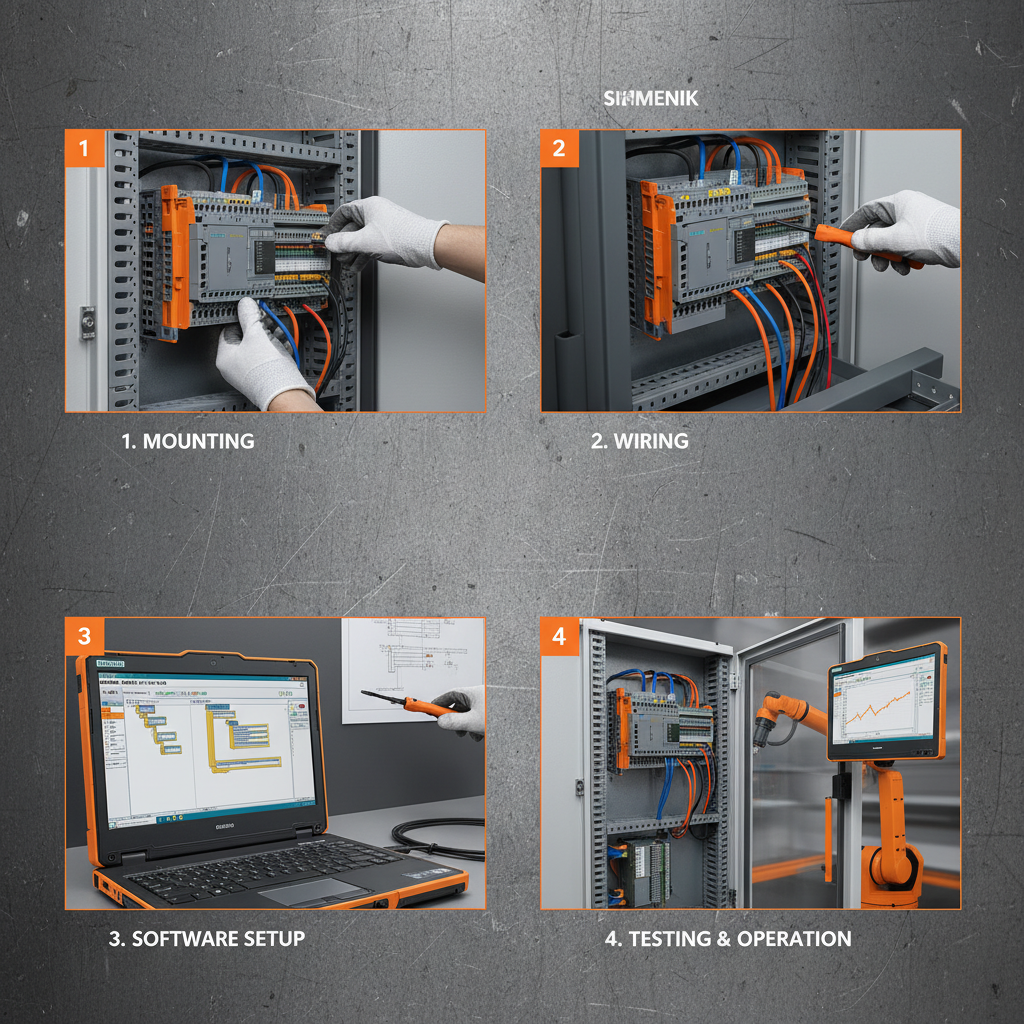
Efficient VFD for Single Phase to Three Phase Power Conversion | Industrial Solutions
Understanding VFD for Single Phase to Three Phase: Why It Matters More Than Ever
Variable Frequency Drives (VFDs) for single phase to three phase power conversion might sound like an engineer’s jargon, but they play a surprisingly pivotal role in global industrial efficiency and energy reliability. Simply put, these devices allow single-phase power supply — common in residential or remote areas — to power three-phase motors, which drive heavy machinery, pumps, and compressors essential for modern life. Given that three-phase motors run more smoothly, efficiently, and reliably, the ability to convert single phase to three phase via VFDs opens doors for industries worldwide, especially in areas where only single-phase power infrastructure exists.
So why does this matter globally? According to the International Energy Agency (IEA), nearly 40% of the global population still relies primarily on single-phase electricity in rural or developing regions. Enabling these communities and industries to access efficient three-phase power via cost-effective VFD technology could accelerate electrification goals, increase productivity, and reduce energy waste.
Mini takeaway: VFDs converting single to three phase power are quietly transforming energy access, industrial capability, and sustainability in parts of the world that need it most.
The Global Context: Addressing Power Supply Challenges
Worldwide, the electricity grid is evolving — but unevenly. The UN’s Sustainable Energy for All initiative highlights the challenge: improving power quality and availability in rural and emerging markets without expensive infrastructure upgrades.
Three-phase motors dominate industrial uses because they’re robust and efficient, but they require a compatible power supply. In many remote regions or older facilities, only single-phase power is available, causing significant operational challenges. Without the right tech, industries either operate less efficiently or face costly rewiring.
This is exactly where the vfd for single phase to three phase machines steps in. By using these drives, industries can take existing single-phase input and seamlessly operate three-phase motors with variable speed control, boosting efficiency and potentially extending the lifespan of equipment.
What Exactly Is a VFD for Single Phase to Three Phase?
To break it down simply, a Variable Frequency Drive is an electronic controller that adjusts the frequency and voltage supplied to an electric motor. VFDs for single phase to three phase take your usual single-phase AC input and convert it into three-phase output, while also controlling speed and torque.
Modern VFDs aren’t just “power converters”: they’re intelligent units that help reduce energy consumption, control motor start-ups smoothly (avoiding heavy inrush currents), and adjust motor speeds based on demand. This has direct ties to everything from factory efficiency to humanitarian projects relying on dependable, safe power in unpredictable environments.
Core Components and Features
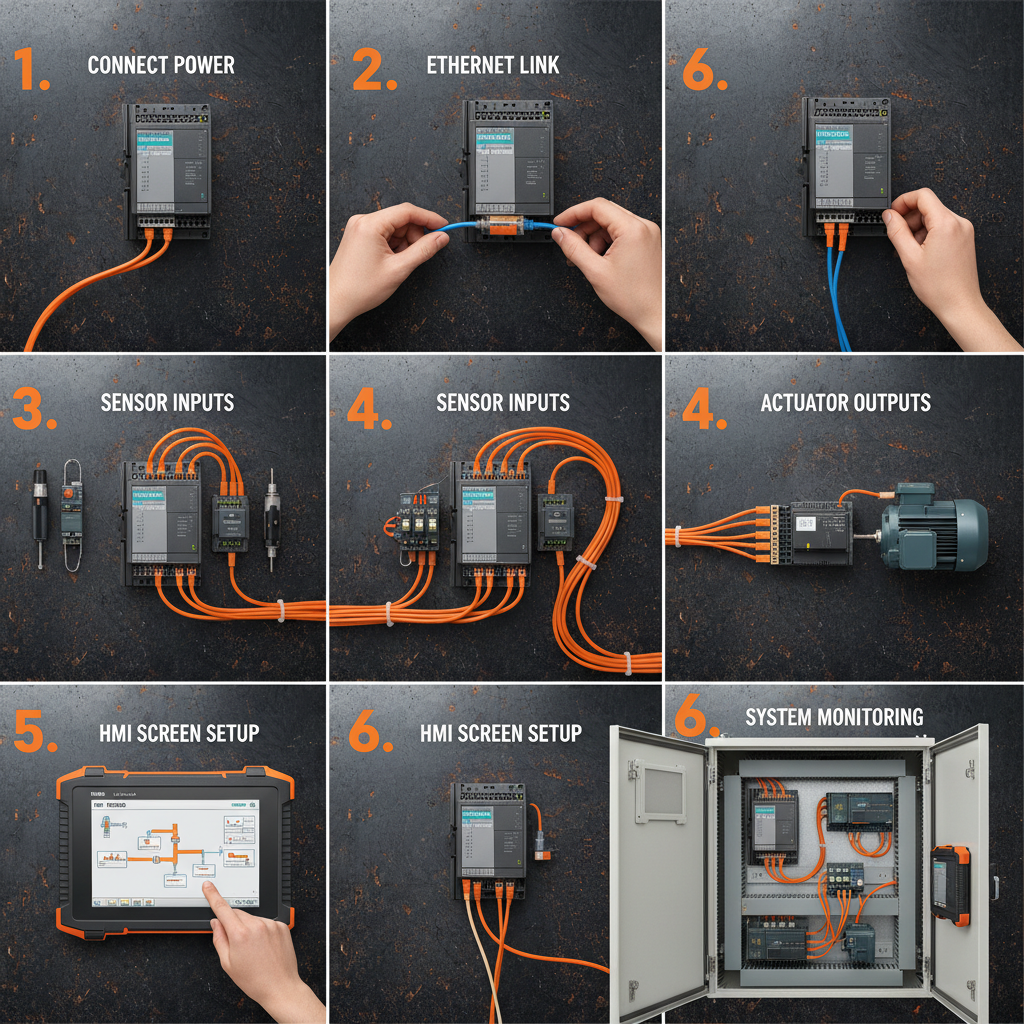
- Power Conversion Unit: Converts single-phase AC input into DC, then inverts it to a three-phase AC output.
- Speed Control Circuitry: Modulates frequency to control motor speed precisely.
- Protective Functions: Overcurrent, overload, and overheating protection to prolong equipment life.
- User Interface and Settings: Simple programming interfaces for configuring motor parameters.
Mini takeaway: At its heart, a single-to-three phase VFD is a smart bridge between basic power setups and advanced industrial motor needs.
Key Aspects When Choosing a VFD for Single Phase to Three Phase
1. Durability and Reliability
Many of these drives work in harsh environments. Dust, temperature swings, and unstable input power are expected, especially in remote sites. So durability is a must-have consideration — rugged casing and thermal management can be dealbreakers.
2. Scalability and Size
Whether you’re running a small water pump or a more sizable conveyor system, the VFD needs to scale accordingly. A compact, modular VFD helps save space and simplifies maintenance.
3. Cost Efficiency
It’s easy to get lost in specifications, but what often counts is upfront cost plus operational savings. Good VFDs for single phase to three phase interfaces improve energy utilization, so while initial spending might be higher than simpler controllers, long-term ROI is very favorable.
4. Compatibility and Features
Multiple brands support various motor types and offer programmable I/O, communication protocols (like Modbus), or integration options with industrial automation systems.
5. Technical Support and Warranty
Some manufacturers provide hands-on support, embedded diagnostic tools, or upgradeable firmware — good to check before investing.
Typical Specifications of a VFD for Single Phase to Three Phase
| Specification | Typical Value |
|---|---|
| Input Voltage | Single-phase 110–230 V AC |
| Output Voltage | Three-phase 0–230 V AC |
| Output Frequency Range | 0.1 Hz – 400 Hz |
| Maximum Motor Power | Up to 5 HP (about 3.7 kW) |
| Overload Capacity | 150% for 60 seconds |
| Protection Features | Over-voltage, under-voltage, short circuit |
Comparing Leading Vendors for Single-to-Three Phase VFDs
| Vendor | Key Features | Price Range (USD) | Support & Warranty |
|---|---|---|---|
| ACME Drives | Modbus compatible, easy app programming | $250–$450 | 2-year warranty, 24/7 support |
| PowerFlex Solutions | Compact design, auto-tuning feature | $300–$500 | 3-year warranty, online tutorials |
| EcoDrive Electronics | Energy-saving mode, noise reduction tech | $280–$480 | 1-year warranty, email support |
How VFDs for Single Phase to Three Phase Are Changing Industries Globally
It’s fascinating to see how these devices are breaking down barriers. In remote agricultural communities in India, small-scale irrigation pumps powered by such VFDs allow farmers to save on fuel and water. In Southeast Asia, manufacturing businesses avoiding costly three-phase grid upgrades can operate efficiently with vfd for single phase to three phase technology.
Oddly enough, even humanitarian groups utilize them for disaster relief operations — powering water purification units and temporary shelters without the luxury of industrial grids. That flexibility fosters resilience where it’s needed most.
Long-Term Advantages & Worth of Investment
- Cost Savings: Reduced energy consumption and lower maintenance significantly cut operational budgets.
- Environmental Impact: Lower electricity wastage aligns with growing sustainability goals.
- Enhanced Motor Life: Soft start/stop reduces mechanical stress, extending machine longevity.
- Improved Safety & Trust: Reliable power means fewer breakdowns, safer workplaces, and community confidence.
Frankly, investing in a VFD for single phase to three phase is not just about tech — it’s about future-proofing industry, economy, and environment.
Innovations and The Road Ahead
Digital transformation means these VFDs get ‘smarter.’ The integration of IoT enables remote diagnostics and predictive maintenance to slash downtime. Materials science is improving heat management and shrinking units further. Plus, renewable energy storage systems increasingly rely on variable frequency control to optimize battery and grid interaction.
Challenges and How to Overcome Them
It’s not all sunshine, though. Some common hurdles include voltage fluctuations typical in single-phase grids, harmonics generation, and relatively limited power capacity.
Experts suggest pairing VFDs with proper power conditioning equipment or newer semiconductor materials to mitigate these issues. Increased firmware sophistication also helps with smoother motor control even under unstable input supply.
Frequently Asked Questions About VFD for Single Phase to Three Phase
- Q: Can I use a single phase to three phase VFD for any motor size?
- A: Most VFDs are sized for specific power ranges, commonly small to medium motors up to 5 HP. Larger motors typically need industrial three-phase supply or specialized drives.
- Q: Is it difficult to install these VFDs in existing setups?
- A: Generally no. These drives are designed for easy retrofitting, often just requiring input power and motor wiring. However, consulting an electrician or engineer is recommended.
- Q: How much energy savings can I expect?
- A: Savings vary by application but can range from 20% to 50% compared to direct-on-line motor operation, especially when motors run under partial loads.
- Q: Will using a VFD affect motor warranty?
- A: Sometimes. It depends on motor manufacturer rules. Using a VFD from reputable brands and following installation guidelines usually ensures warranty coverage.
- Q: Are these VFDs compatible with renewable energy sources?
- A: Many modern VFDs support integration with solar or wind systems, helping regulate variable power inputs effectively.
Final Thoughts and Next Steps
In real terms, VFDs converting single phase to three phase are much more than just technical gadgets — they represent a bridge to modernity, efficiency, and sustainability for regions still catching up to industrial power demands. Whether you’re upgrading factory equipment or serving communities off the main grid, they’re worth serious consideration.
Curious to explore the right vfd for single phase to three phase for your project? Visit our website and dive deeper into specs, testimonials, and expert advice.
After all, powering the future starts with smart choices today.
References: