Efficient VFD Solutions for 5 HP Motors | Energy Savings & Industrial Control
The Rise of VFDs for 5 HP Motors: Why It’s a Big Deal Worldwide
Variable Frequency Drives (VFDs) for 5 HP motors might sound like niche jargon — but these little devices pack a punch in modern industry and infrastructure worldwide. They’re crucial in controlling motor speed and reducing energy usage in countless machines. As global energy concerns mount and industries seek smarter, greener tech, understanding VFDs is no longer just an engineer’s hobby. It’s a significant step towards cutting costs, improving equipment lifespan, and contributing to sustainability goals.
Moreover, with the International Energy Agency reporting motor-driven systems consume nearly half the global electricity, optimizing even something like a 5 HP motor can ripple into massive efficiency improvements. It’s like tweaking a volume knob that adjusts the entire symphony’s sound quietly but undeniably.
Global Context: VFDs in a Rapidly Changing Industrial Landscape
Across continents, the demand for industrial motor control solutions is soaring. According to ISO and UN reports, industry accounts for roughly 40% of total electricity consumption globally. Small to mid-sized motors, including 5 HP units, are the backbone of sectors from water treatment plants in Europe to textile factories in Southeast Asia.
The problem? Traditional fixed-speed motors waste a ton of energy by running at full power regardless of load. This “always-on max effort” drains capital and harms the environment. VFDs offer a tidy fix by adjusting motor speed dynamically. It’s sort of like giving machines the ability to breathe instead of enduring a constant sprint — which honestly, feels overdue.
What Exactly Is a VFD for a 5 HP Motor?
Simply put, a Variable Frequency Drive is an electronic device that varies the frequency and voltage supplied to an electric motor, controlling its speed and torque. When matched with a 5 HP motor — a common motor size powering pumps, fans, conveyors, and compressors — it offers precise speed regulation without sacrificing performance.
This means instead of running at 100% all the time, the motor only works as hard as the task demands. Beyond saving energy, it also means reduced wear and tear, which feeds into longer equipment life.
In humanitarian contexts, like water pumping in off-grid communities or disaster zones, VFDs make the difference between continuous service and costly downtime. Pretty vital stuff.
Core Components and Considerations for VFDs in 5 HP Motors
1. Durability and Build Quality
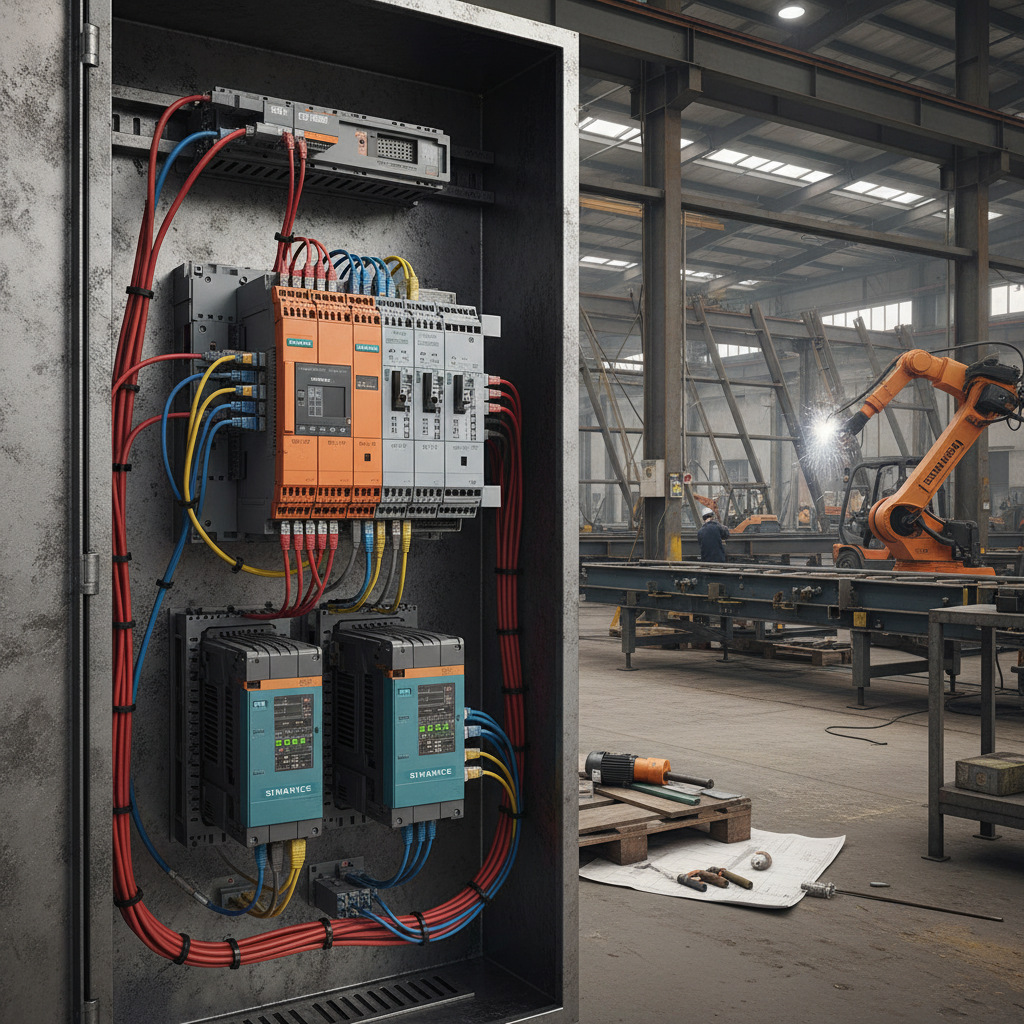
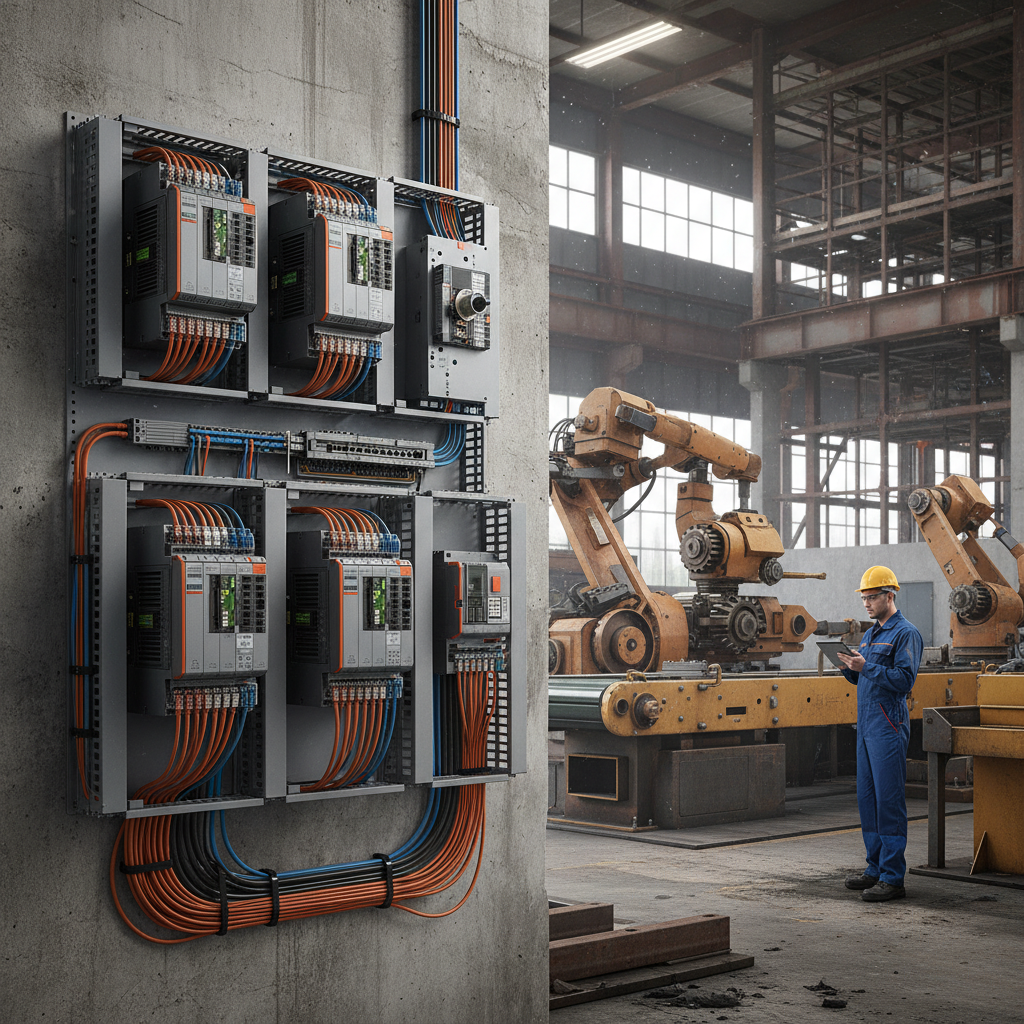
Out in the field, whether a dusty factory floor or a coastal water treatment plant, VFDs must handle heat, vibration, and humidity. For a 5 HP motor, a rugged VFD ensures uninterrupted operation, reducing maintenance headaches.
2. Scalability and Flexibility
Many engineers appreciate VFDs that can be easily reprogrammed or expanded, especially in dynamic industrial setups. One drive might service a 5 HP motor today, then scale up or integrate with larger systems tomorrow.
3. Energy Efficiency
Efficiency ratings are pivotal. The ability of a VFD to optimize power consumption at partial loads directly correlates to operational savings. Even a 10% reduction in input electricity over months adds up.
4. Ease of Installation and Maintenance
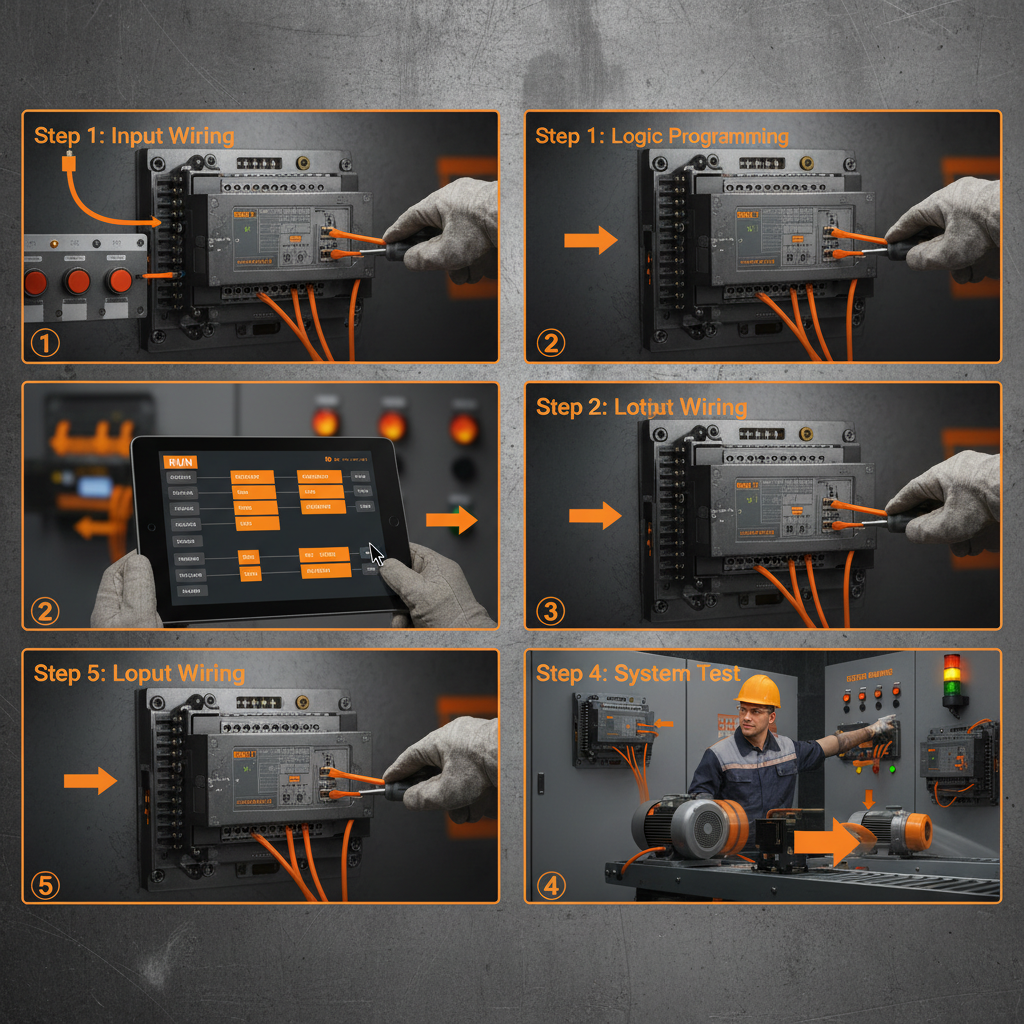
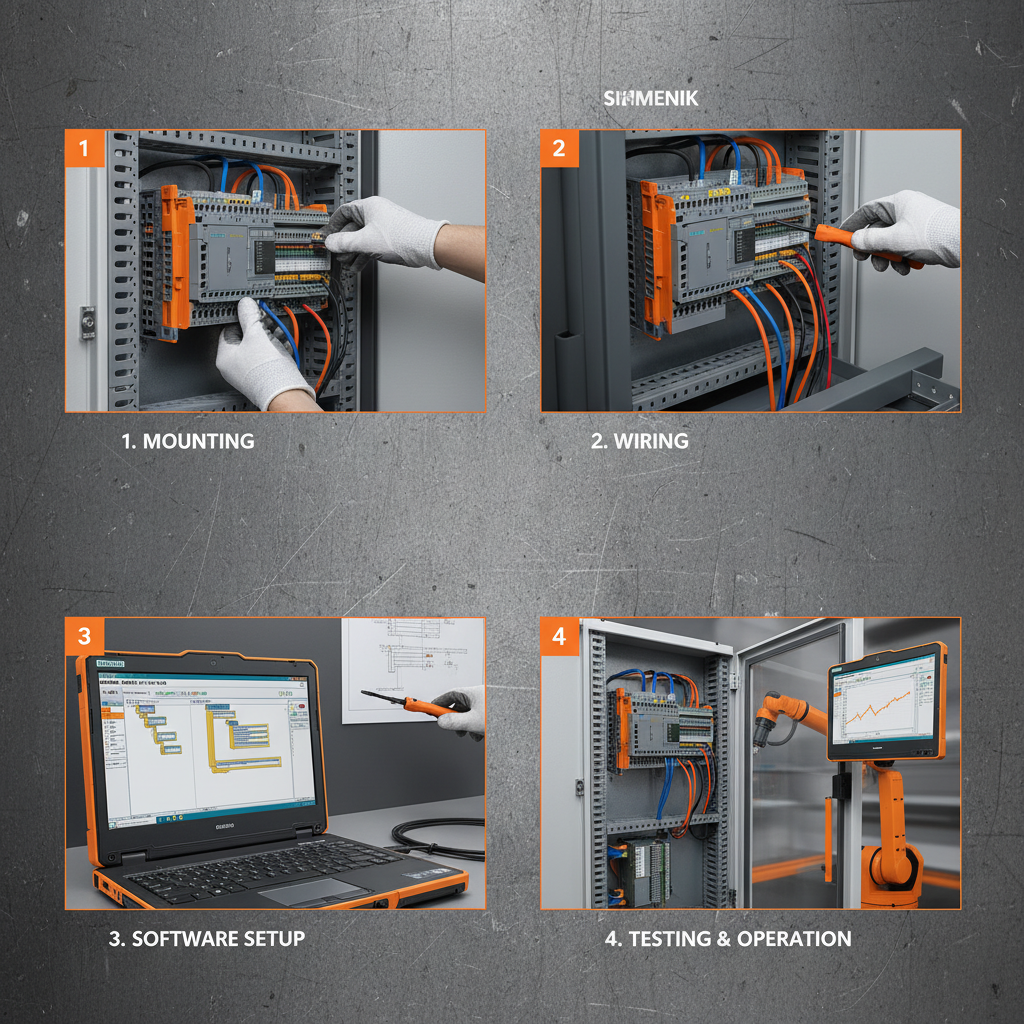
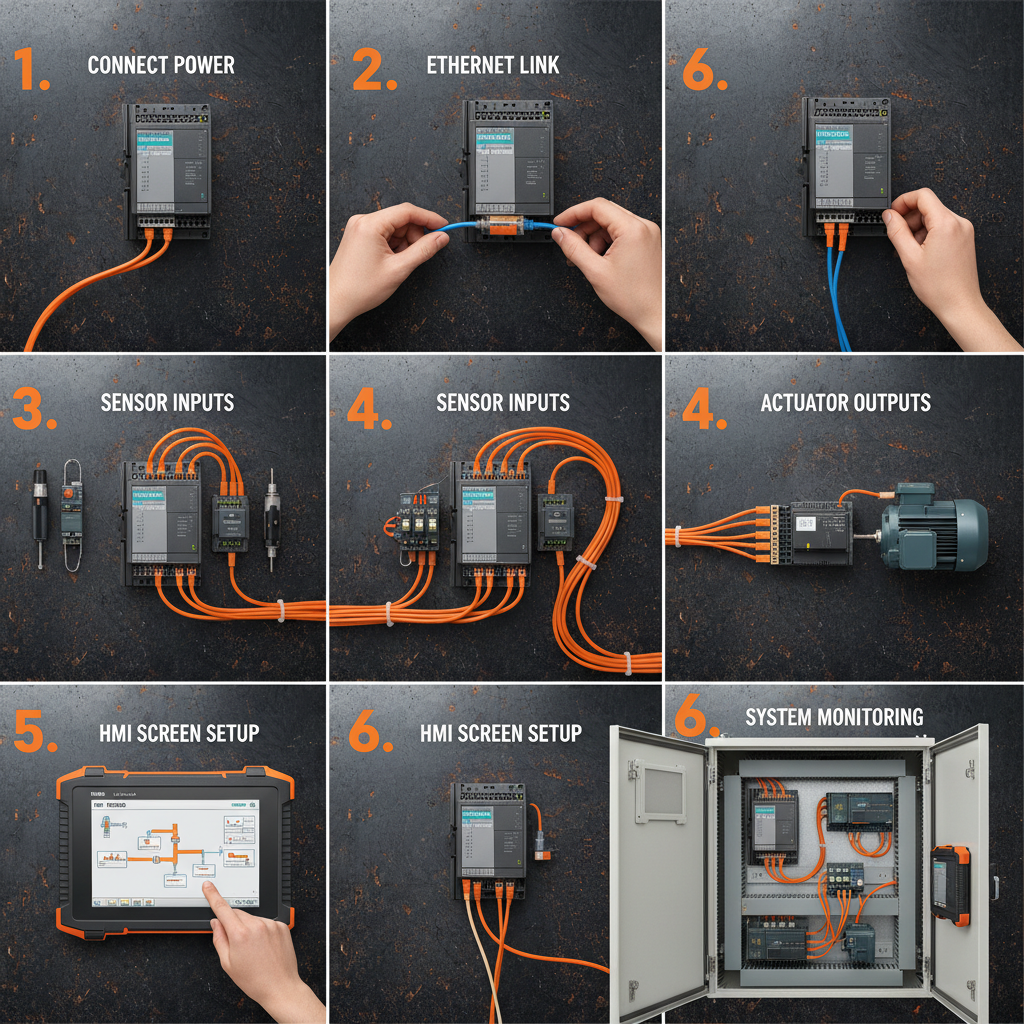
For many companies, fast deployment and minimal downtime are crucial. Modern VFDs come with user-friendly interfaces and diagnostic tools that make installation and troubleshooting fairly straightforward — which frankly saves time and stress.
5. Cost vs. Long-Term Savings
Initial purchase price matters, but experts often stress total cost of ownership. A slightly pricier VFD with better efficiency and durability will likely pay for itself, especially when connected to frequently used 5 HP motors.
Mini takeaway: When choosing a VFD for 5 HP motors, balancing these factors ensures you get the best bang for your buck and reliability in operation.
Real-World Uses: Where VFDs for 5 HP Motors Shine
From urban factories in Germany to rural irrigation systems in India, VFDs tailored for 5 HP motors find applications everywhere:
- Water and Wastewater Management: Precise pump speed control reduces energy bills and keeps systems reliable.
- HVAC Systems: Fans powered by 5 HP motors adjust airflow dynamically, improving comfort while cutting emissions.
- Manufacturing Lines: Conveyors and mixers use these VFDs for smooth startup/shutdown phases, reducing mechanical stress.
- Agricultural Operations: From grain elevators to milking machines, efficient motor control boosts productivity.
Oddly enough, even some humanitarian NGOs are prioritizing VFD adoption in remote water pumping installations, seeing it as a way to multiply their impact sustainably.
Product Specifications Overview
| Specification | Typical Value | Notes |
|---|---|---|
| Compatible Motor Size | 5 HP (3.7 kW) | Standard industrial motor range |
| Input Voltage | 230 / 460 V AC | Single or Three Phase |
| Output Frequency Range | 0 – 400 Hz | Supports wide speed variation |
| Overload Capacity | 150% for 60 sec | Protection for startup loads |
| Communication Protocols | Modbus, Profibus | Integration with SCADA systems |
| Dimensions | 200mm x 150mm x 120mm | Compact enclosure |
Comparing Top Vendors for VFDs Targeting 5 HP Motors
| Vendor | Price Range (USD) | Key Features | Warranty | Global Reach |
|---|---|---|---|---|
| Delta Electronics | $350 - $450 | Energy-saving, compact design, cloud monitoring | 2 years | Worldwide |
| ABB | $400 - $500 | Robust, field-tested, advanced diagnostics | 3 years | Global |
| Siemens | $420 - $520 | Flexible programming, wide communication options | 3 years | Worldwide |
| Yaskawa | $360 - $460 | High efficiency, easy installation, network capable | 2 years | Global |
Long-Term Advantages of Using VFDs With 5 HP Motors
By now, it feels pretty clear that adopting VFDs on these motors is a savvy move. The immediate payoff is reduced energy bills — estimates often cite a 20-30% reduction in power consumption for common applications. But beyond finances, there are compelling social and environmental wins:
- Extended Equipment Life: Variable speed reduces mechanical stress, cutting downtime and supporting worker safety.
- Lower Carbon Footprint: With motors running smarter, facilities contribute less to global emissions, aligning with UN climate targets.
- Industrial Innovation: Integrating smart drives enables predictive maintenance and IoT analytics, future-proofing operations.
It’s a blend of logic and purpose — saving costs while supporting sustainability and trustworthiness.
Emerging Trends: The Future of VFDs for 5 HP Motors
The field is evolving fast. We’re seeing VFDs migrate towards more compact designs, additive manufacturing parts, and integration with AI-powered control systems. The push towards green energy sources like solar or wind also means VFDs must handle variable input profiles smoothly.
Moreover, policies incentivizing energy efficiency — like ISO 50001 energy management standards — mean more companies are scrambling to upgrade old motors with smart drives. Digital transformation tools that predict faults before they occur are becoming standard rather than luxury.
Common Challenges and How to Mitigate Them
Of course, no tech is perfect. A few frequent headaches include:
- Initial Costs: While the long-term savings justify the price, upfront investment can be a roadblock. Leasing options or government rebates often help.
- Technical Expertise: Installation and configuration can be tricky for operators new to VFDs. Routine training and vendor support make all the difference.
- Compatibility Issues: Not all motors and drives play nicely together. Careful specs matching and sometimes retrofitting ensure success.
By addressing these head-on with planning and support, most organizations turn challenges into manageable steps.
FAQ: Quick Answers About VFDs for 5 HP Motors
Q: Can I install a VFD on any 5 HP motor?
A: Most AC induction motors rated at 5 HP are compatible, but checking the motor’s insulation class and ratings is essential to avoid damage. Consulting the VFD manual and motor specs is recommended.
Q: How much energy can I save by using a VFD on a 5 HP motor?
A: Savings depend on the application, but typical reductions range from 15% up to 30%, especially in variable load scenarios like pumping or fan control.
Q: Are VFDs difficult to program?
A: Modern VFDs often have user-friendly interfaces, preset modes, and detailed manuals. While some initial learning is necessary, many technicians pick it up quickly.
Q: Do VFDs require regular maintenance?
A: They are generally low-maintenance devices but periodic checks for dust, ventilation, and firmware updates improve reliability.
Q: Where can I buy reliable VFDs for 5 HP motors?
A: Trusted vendors include Delta Electronics, ABB, Siemens, and Yaskawa. Prices and features vary, so compare options to match your needs. Also, you might want to check options for vfd for 5 hp motor for tailored solutions.
Wrapping Up: Why the VFD for 5 HP Motor Is Worth Your Attention
At the crossroads of efficiency, cost savings, and sustainability, the VFD for 5 HP motor stands as a simple yet transformative tool. Whether you’re upgrading factory equipment or ensuring reliable services in remote areas, this tech offers tangible benefits that ripple across industries and communities. Investing in the right VFD solution isn’t just about motors — it’s about pushing forward smarter industry and responsible energy use worldwide.
Curious to see how a VFD for a 5 HP motor can work for your setup? Visit our website: https://www.tianjinyongkai.com and explore tailored solutions.
References: