In-Depth Guide to 2hp Motor and VFD: Efficiency and Applications Explained
Understanding 2hp Motor and VFD: A Key to Smarter Industrial Efficiency
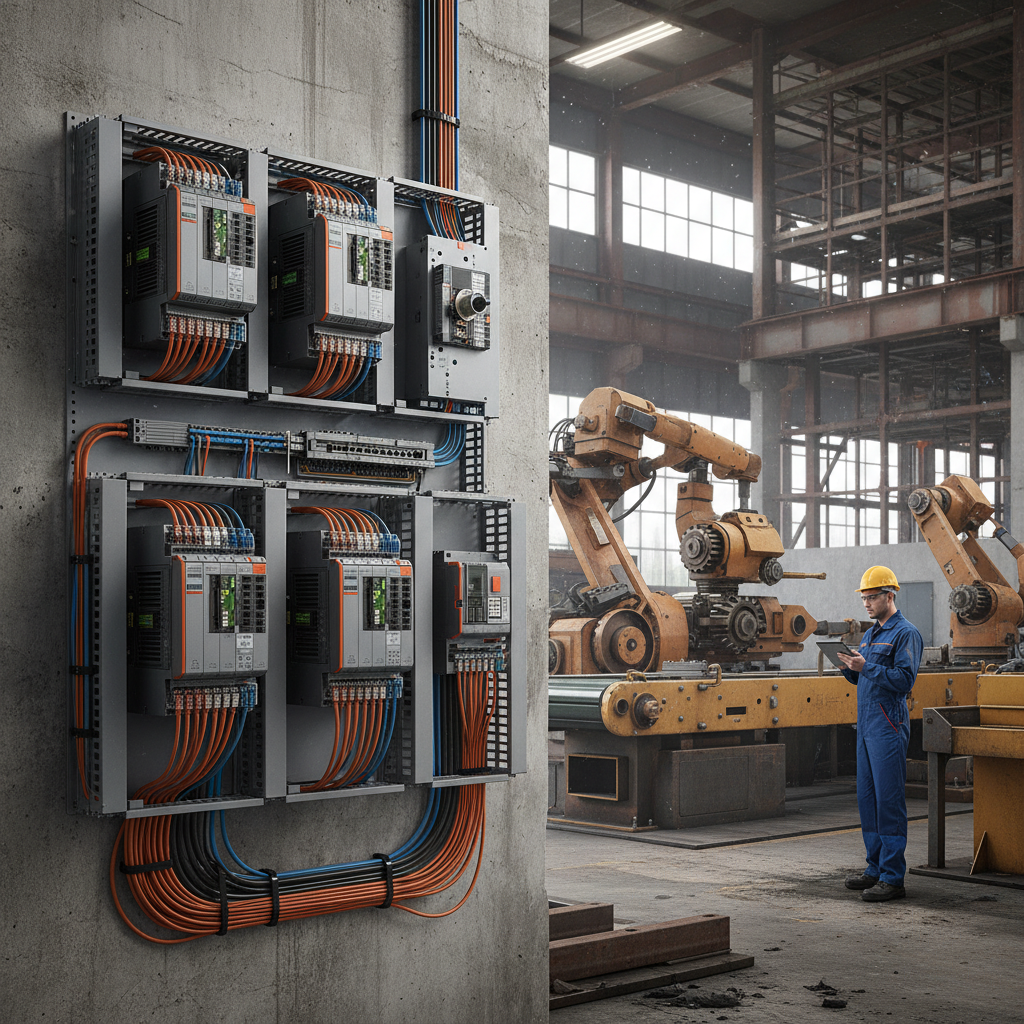
When diving into the world of industrial equipment, you might come across the term 2hp motor and VFD more often than you expect. But what exactly is it, and why does it matter on a global scale? Simply put, a 2hp motor paired with a Variable Frequency Drive (VFD) is a dynamic combination that powers various machines efficiently, offering tailored speed control, energy savings, and improved operational longevity. It's a staple in manufacturing plants, commercial buildings, and even humanitarian projects where reliable motor control matters.
Globally, industries consume nearly 45% of all electricity in motors alone according to the International Energy Agency (IEA), and optimizing that consumption is huge for energy sustainability. That’s where integrating a VFD with a 2 horsepower motor helps reduce unnecessary power waste and smooth out processes — something that benefits companies and communities worldwide.
Introduction: Why the 2hp Motor and VFD Are More Relevant Than Ever
Across continents, from bustling factories in Asia to agricultural mechanization in Africa, the demand for compact, efficient motor solutions is growing. The World Bank estimates that electrification and efficient motor technology could improve industrial productivity by up to 25% in developing economies. Yet there remain challenges—unreliable power grids, fluctuating workloads, and environmental regulations—that make fixed-speed motors less practical.
Enter the 2hp motor and VFD system: this duo adapts speed and torque based on the immediate load, effectively tackling these challenges by lowering energy consumption and reducing mechanical stress. For many industries, this means cutting costs and boosting sustainability — critically important in our climate-conscious era.
What Is a 2hp Motor and VFD?
Let’s break it down simply. A 2hp motor is an electric motor rated to output two horsepower — a power level common in pumps, fans, conveyors, and light machine tools. Why 2hp? It’s a sweet spot often used in medium-duty applications where precise control is needed without overwhelming power.
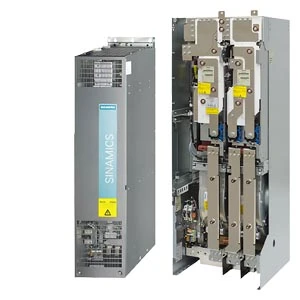
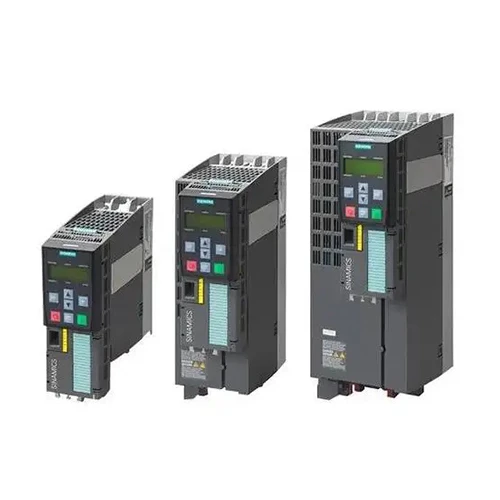
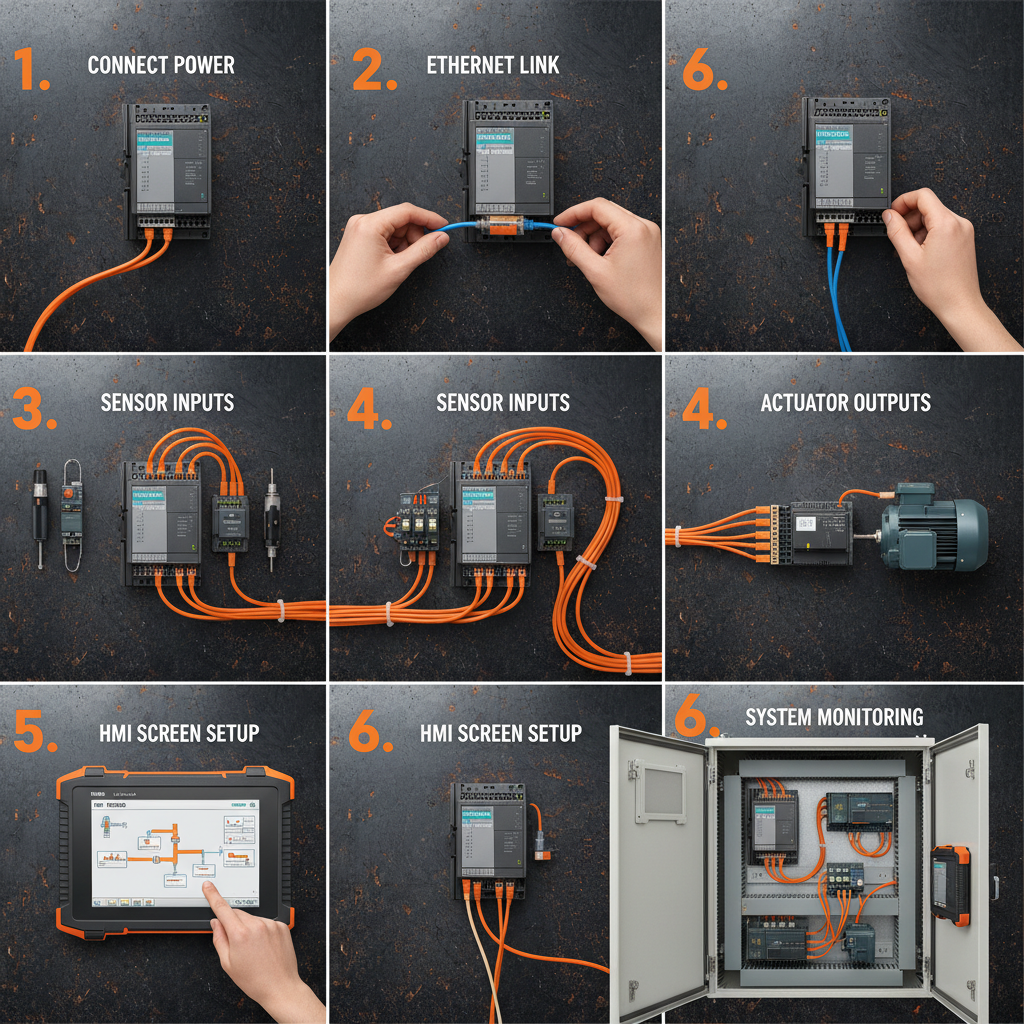
Now, a Variable Frequency Drive (VFD) is an electronic device that adjusts the speed and torque of an electric motor by varying the input frequency and voltage. When paired with a 2hp motor, the VFD allows the motor’s speed to match demand exactly, avoiding wasteful full-speed operation when it's unnecessary. This synergy drives efficiency gains and operational flexibility.
It’s not just industrial snobbery—this tech feeds into broader goals like reducing greenhouse gas emissions and decent work environments by improving safety and control.
Core Components and Key Factors
1. Durability
A 2hp motor must endure varied operating conditions—temperature swings, dust, and moisture. Luckily, most motors are designed with robust insulation and sealed bearings. The VFD’s components also need to handle voltage spikes and harmonics without degradation.
2. Scalability and Compatibility
The system must easily integrate into existing setups. VFDs offer programmable parameters for different motor types and loads, making them adaptable from HVAC systems to custom manufacturing equipment.
3. Energy Efficiency
By adjusting speed via VFD, energy consumption can drop up to 50% compared to fixed-speed motors in certain applications — a boon for energy bills and compliance with ISO 50001 standards on energy management.
4. Cost Efficiency
Though installing a VFD adds upfront cost, in real terms, the savings on electricity and reduced mechanical wear often pay back within a couple of years.
5. Noise and Vibration Reduction
Slowing the motor reduces noise, which helps meet OSHA workplace standards and improves worker comfort — something that’s often underappreciated.
Product Specifications of a Typical 2hp Motor and VFD System
| Feature | Specification |
|---|---|
| Motor Power | 2 Horsepower (1.5 kW) |
| Voltage Range | 220-480 V AC |
| Frequency | 50/60 Hz |
| VFD Input Voltage | 3-Phase, 220V or 380V |
| Output Frequency Range | 0-400 Hz |
| Control Features | PID Control, Soft Start, Overcurrent Protection |
Global Applications and Use Cases
You’ll find the 2hp motor and VFD combo spread across sectors worldwide. For example:
- Agricultural irrigation projects in India leverage these to adapt water flow easily, minimizing energy usage during off-peak demand.
- HVAC systems in North American commercial skyscrapers rely on them to maintain precise climate control with minimal power draw.
- Manufacturing industries in Germany use 2hp motors and VFDs for conveyor belts and assembly lines where speed variation is crucial.
- Disaster relief operations in remote locations employ portable VFD units with motors to power pumps and ventilation systems without expensive fuel consumption.
Oddly enough, in some rural electrification projects in Sub-Saharan Africa, this tech helps local businesses transition from diesel generators to cleaner electric motor systems with scalable energy usage.
Vendor Comparison Table: Top 3 2hp Motor and VFD Providers
| Vendor | Price Range (USD) | Energy Efficiency Rating | Warranty | Support & Service |
|---|---|---|---|---|
| ACME Electric | $600 - $800 | IE3 High Efficiency | 3 Years | 24/7 Phone Support |
| VoltMaster | $550 - $700 | IE2 Standard | 2 Years | Email and Chat Support |
| GreenDrive Tech | $700 - $900 | IE4 Premium Efficiency | 5 Years | Onsite Service Available |
Advantages and Long-Term Value of 2hp Motor and VFD
Many engineers agree that the combination represents a solid investment, not just financially but also environmentally. The tangible savings on electricity bills, lower maintenance costs, and reduced downtime quickly add up. Plus, from a social perspective, quieter operation and enhanced safety features mean better working conditions.
Oddly enough, energy-hungry industries often overlook how small efficiency gains accumulate — but with growing regulatory pressure to cut emissions, these systems align your operations with international standards like ISO 14001 on environmental management.
Emerging Trends & Innovations
The future here is kind of exciting. We're seeing integration of IoT sensors with VFDs for predictive maintenance, smart diagnostics, and remote optimization. Plus, manufacturers are exploring greener refrigerants and recyclable materials for motor construction. Electrification of machinery tied into renewable grids is also accelerating.
Digital transformation is making motor control smarter, reducing human error and improving lifecycle management, which frankly feels like the natural path forward.
Challenges and Practical Solutions
While 2hp motors with VFDs offer many perks, there are hurdles too. Harmonic distortion from VFDs can affect power quality, and initial installation costs might deter smaller businesses. Moreover, not every motor and VFD pairing fits all environments.
Expert technicians recommend using line reactors or active filters to mitigate electrical noise, and selecting VFDs with advanced algorithms for smoother control. Also, flexible financing and leasing are increasingly available to lower the upfront barriers.
FAQ: Frequently Asked Questions About 2hp Motor and VFD
- Q1: How does a VFD save energy with a 2hp motor?
- A VFD adjusts the motor speed to match the load demand, reducing power consumption when full speed isn’t needed, which greatly cuts energy waste especially in variable-load scenarios.
- Q2: Can a 2hp motor and VFD be used outdoors?
- Yes, but the motor and VFD enclosures need suitable IP (Ingress Protection) ratings and environmental protection to handle moisture, dust, and temperature extremes.
- Q3: What maintenance does the 2hp motor and VFD require?
- Regular inspection includes checking for overheating, vibration, and cleaning dust buildup. VFDs may require firmware updates and electrical inspections to ensure proper function.
- Q4: Are these systems compatible with renewable energy sources?
- Absolutely. VFDs can adapt to supply fluctuations from renewables such as solar or wind, making them ideal for modern sustainable setups.
- Q5: Where can I purchase reliable 2hp motor and VFD systems?
- Trusted industrial suppliers and online vendors specializing in motor controls, or check product lines from major providers like 2hp motor and vfd for quality options.
Conclusion: Embracing Efficiency with 2hp Motor and VFD
The 2hp motor and VFD stands as a testament to industrial progress — offering a blend of power, precision, and sustainability. Its benefits ripple through cost savings, reduced environmental footprint, and enhanced operational uptime, making it indispensable in our modern industrial fabric.
If you're looking to enhance your facility's productivity or explore energy-efficient solutions, I invite you to explore 2hp motor and vfd offerings — they're worth a closer look.
It’s interesting how something so “technical” can actually touch so many layers of real-world work and sustainability concerns — a little motor setup with big impact.