Variable Frequency Drive PPT Explained: A Veteran’s Insight
Understanding the Variable Frequency Drive PPT
Having spent over a decade working hands-on in the industrial equipment sector, I often get asked about variable frequency drives (VFDs). Specifically, the "variable frequency drive ppt"—which usually refers to the detailed presentation or overview explaining these devices. Frankly, VFDs are one of those quietly transformative pieces of equipment in industrial automation. They don't draw flashy headlines, but you’d be hard-pressed to run an efficient plant without them these days.
So, here’s the gist as I see it: a variable frequency drive controls the speed and torque of electric motors by adjusting the frequency and voltage supplied to the motor. This means better control, reduced energy consumption, and lower mechanical stress on equipment.
Oddly enough, even though VFD technology has been around since the 1960s, its adoption really skyrocketed once silicon power electronics became more affordable and reliable in the late ‘90s. You could say the variable frequency drive ppt content usually highlights these evolutions — from basic scalar control to today’s advanced vector control, which frankly feels like magic when you first see it in action.
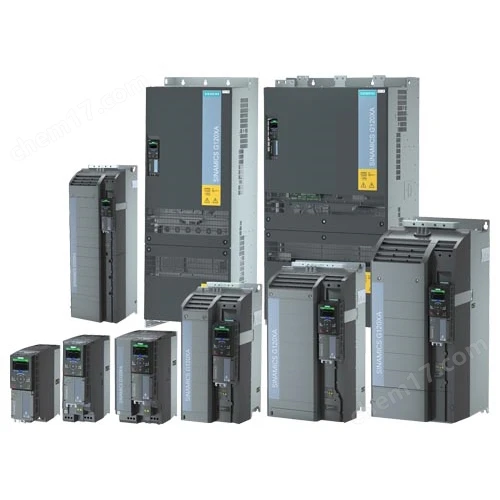
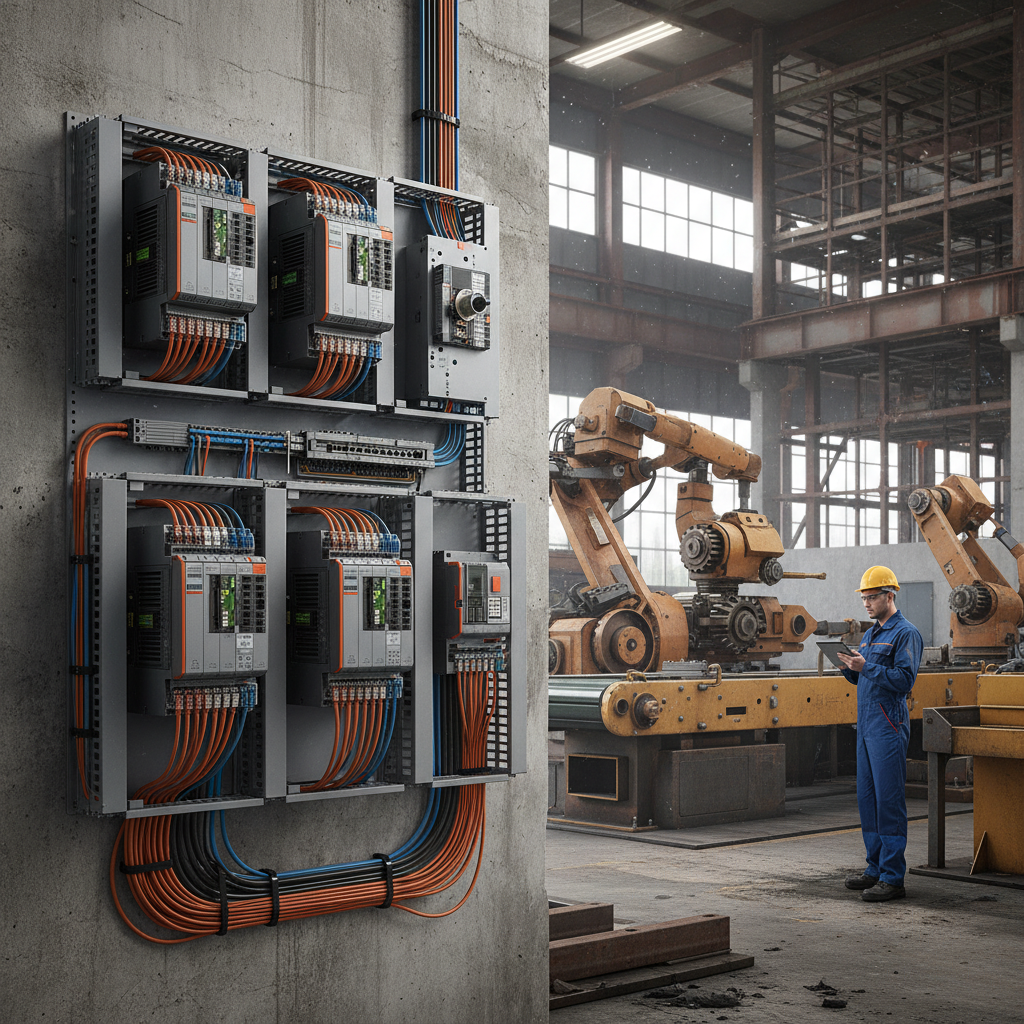
In real terms, the VFDs I worked with range from small fractional horsepower units powering pumps or fans to massive megawatt-range systems used in mining or wastewater treatment. What fascinated me early on was how customizable these drives can be. Vendors often provide configuration options to match precise motor types and application demands. And that’s crucial — not every motor or process needs the same treatment.
Typical Variable Frequency Drive Specification
| Specification | Details |
|---|---|
| Input Voltage | 200–480 V AC (3-phase) |
| Output Frequency | 0.1 Hz to 400 Hz |
| Control Method | Vector Control / V/f Control |
| Overload Capacity | 150% rated current for 1 min |
| Interface | LCD Panel + Modbus/Profibus |
| Protection Features | Overvoltage, Overcurrent, Thermal |
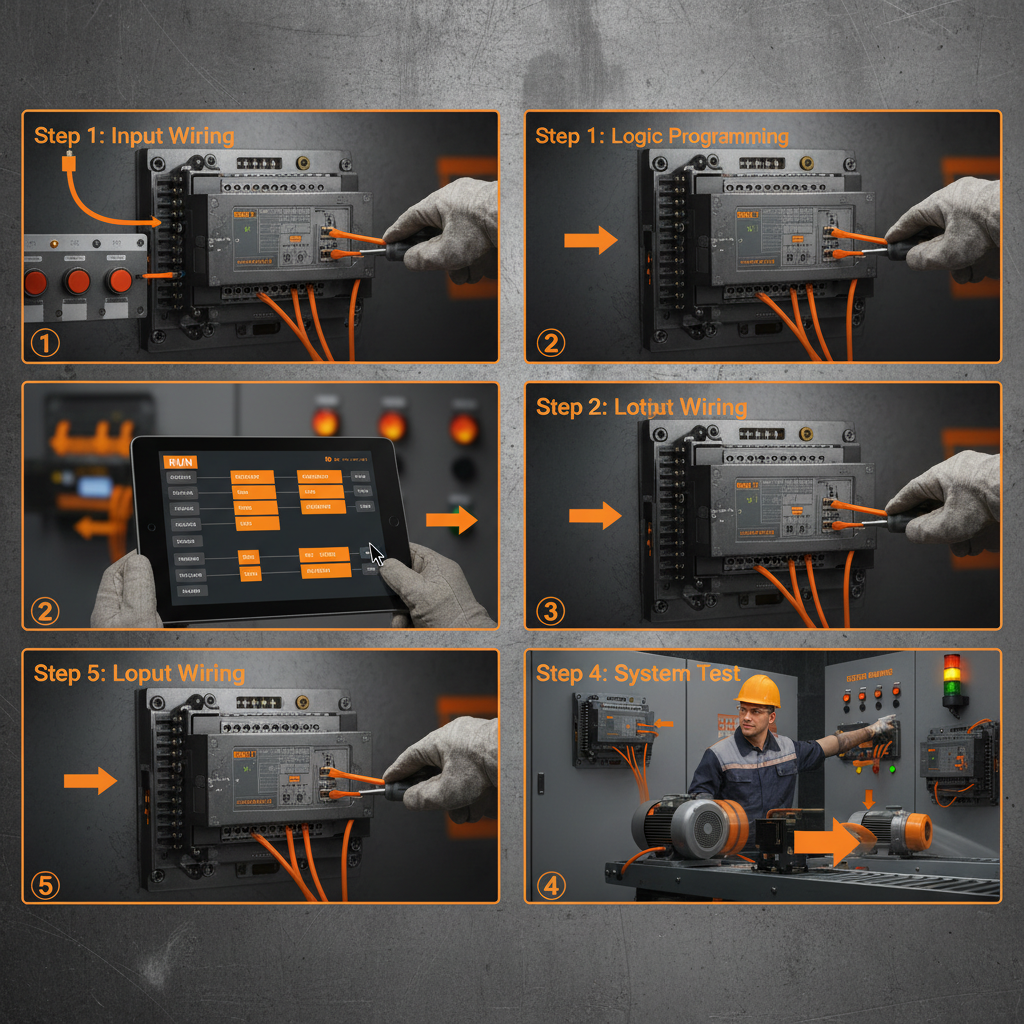
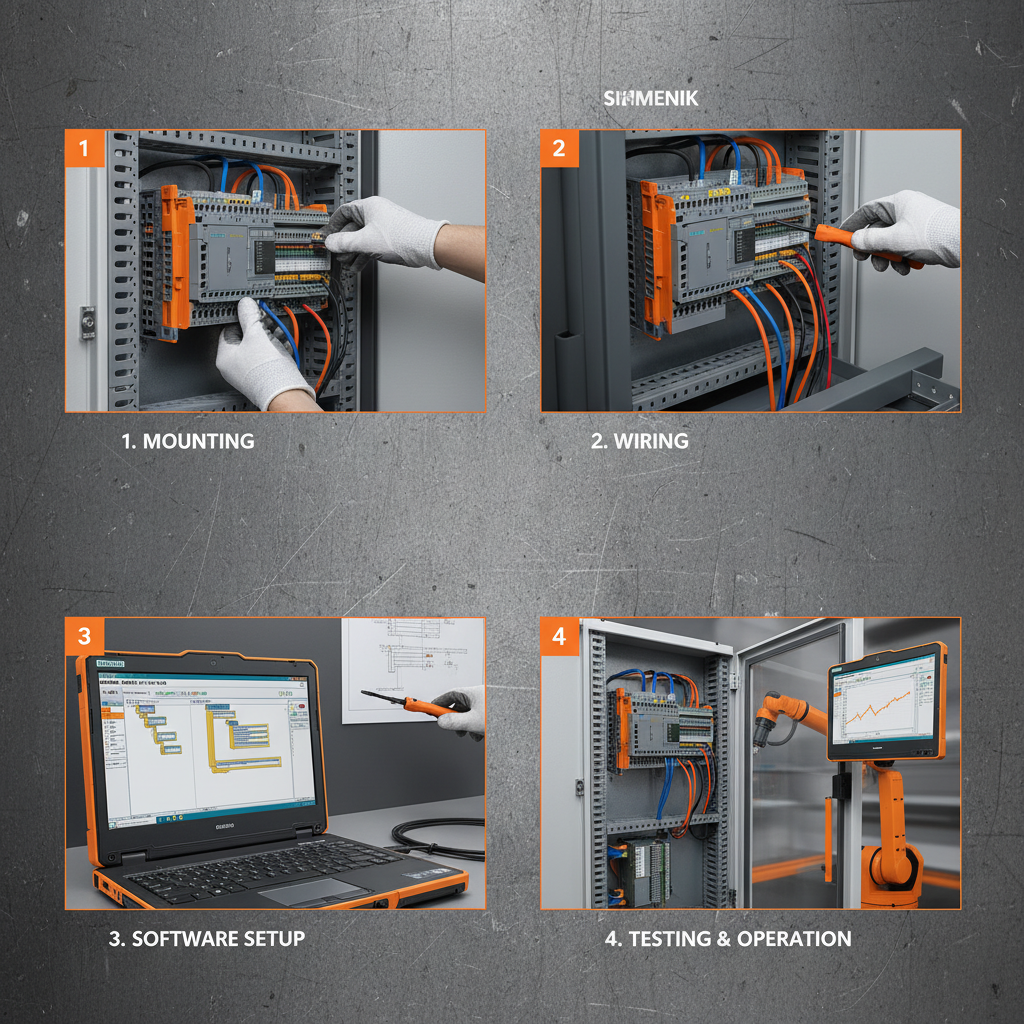
While specs like these might sound straightforward, the challenges show up when installing and tuning the drive for specific use cases. I recall one client struggling to get a conveyor motor to run smoothly despite multiple attempts — turns out their application needed a particular tuning parameter not highlighted in the basic specs. That's why I always recommend working with a knowledgeable vendor or consultant who understands not just the device specs but the real-world application nuances.
Variable Frequency Drive Vendor Comparison
| Feature | Vendor A | Vendor B | Vendor C |
|---|---|---|---|
| Price Range | $$$ | $$ | $$$ |
| Control Modes | Vector, V/f | V/f only | Vector, V/f, Sensorless |
| User Interface | LCD + Keypad | Basic LED Display | Touchscreen + App |
| Communication | Modbus, CAN | None | Modbus, Ethernet/IP |
| Thermal Protection | Yes | Limited | Yes |
You see, in my experience, a good variable frequency drive ppt usually points out such vendor nuances. It helps to weigh upfront savings against the long-term reliability and feature set you actually need. Many engineers I know, myself included, prefer slightly higher upfront investment for a VFD that is robust, easier to configure, and supported by solid tech service.
An interesting story: A few years back, a food processing plant wanted to reduce energy costs. After switching to a well-tuned VFD system, their operators noticed not only smoother operation but also extended motor lifespan. That was huge—no surprise when VFDs reduce mechanical and electrical stress. Honestly, it felt rewarding to see how a somewhat “invisible” upgrade brought tangible savings and fewer headaches.
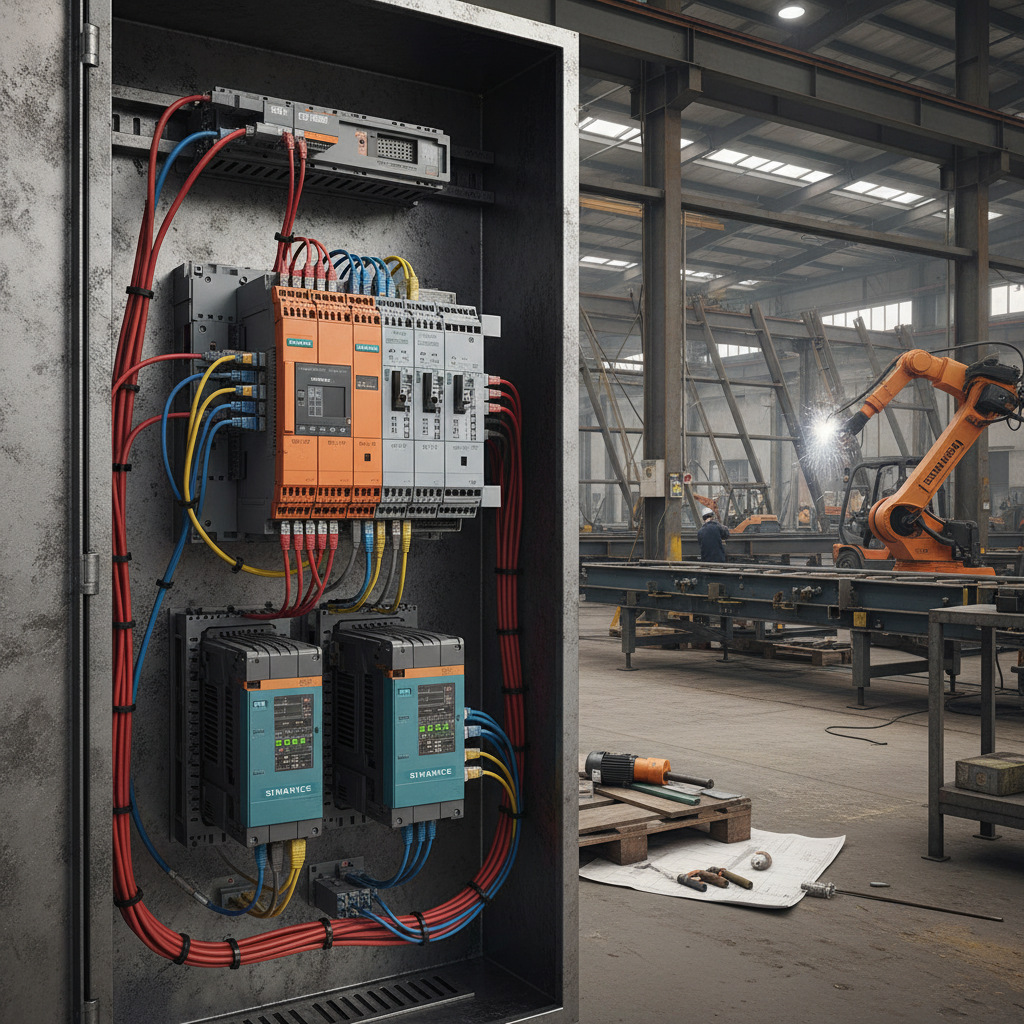
Of course, safety and reliability are paramount. Industrial environments can be tough, and VFDs are expected to handle overcurrent situations, thermal overloads, and electrical noise. Quality testing during manufacturing includes thermal cycling, surge tests, and EMC compliance. Be wary of unfamiliar vendors without verifiable certifications — that’s a recipe for trouble.
In conclusion, if you’re digging into a variable frequency drive ppt, look beyond the jargon. Focus on real specs, vendor reputation, and application fit. It might feel like a small piece of the puzzle, but VFDs can be game changers when done right.
And if installation or tuning looks daunting, you’re not alone. Plenty of engineers stand where you are, and leaning on experienced support often saves time and money.
Here's a quick takeaway from someone who’s seen it all: VFDs might be “under the hood” equipment, but their impact on efficiency, control, and motor life is undeniably substantial. So, choose wisely, configure carefully, and enjoy the smoother ride.
References:
1. IEEE Standards on Variable Frequency Drives
2. Industry case studies from manufacturing plants
3. Vendor datasheets and field manuals