Analog Expansion Module for Avaya IP Office - 16 Trunks?
Field Notes from the Control Cabinet: Why Analog I/O Expansion Still Matters
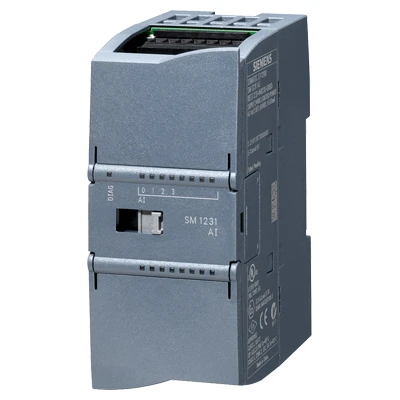
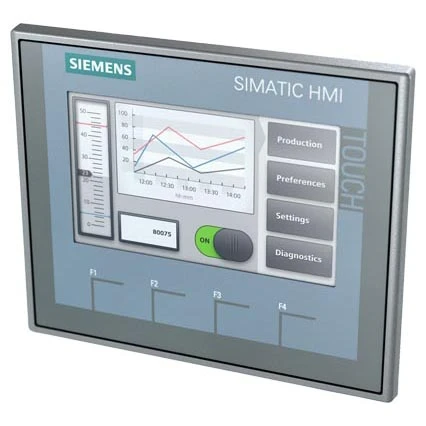
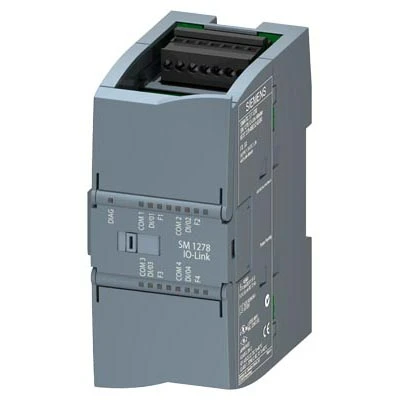
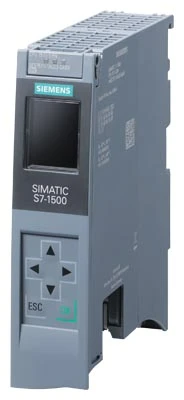
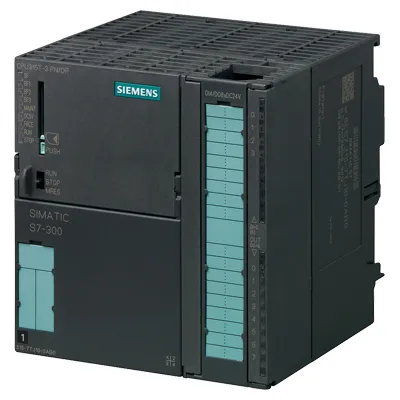
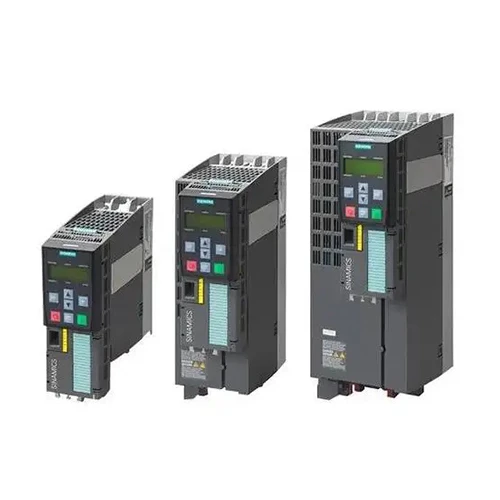
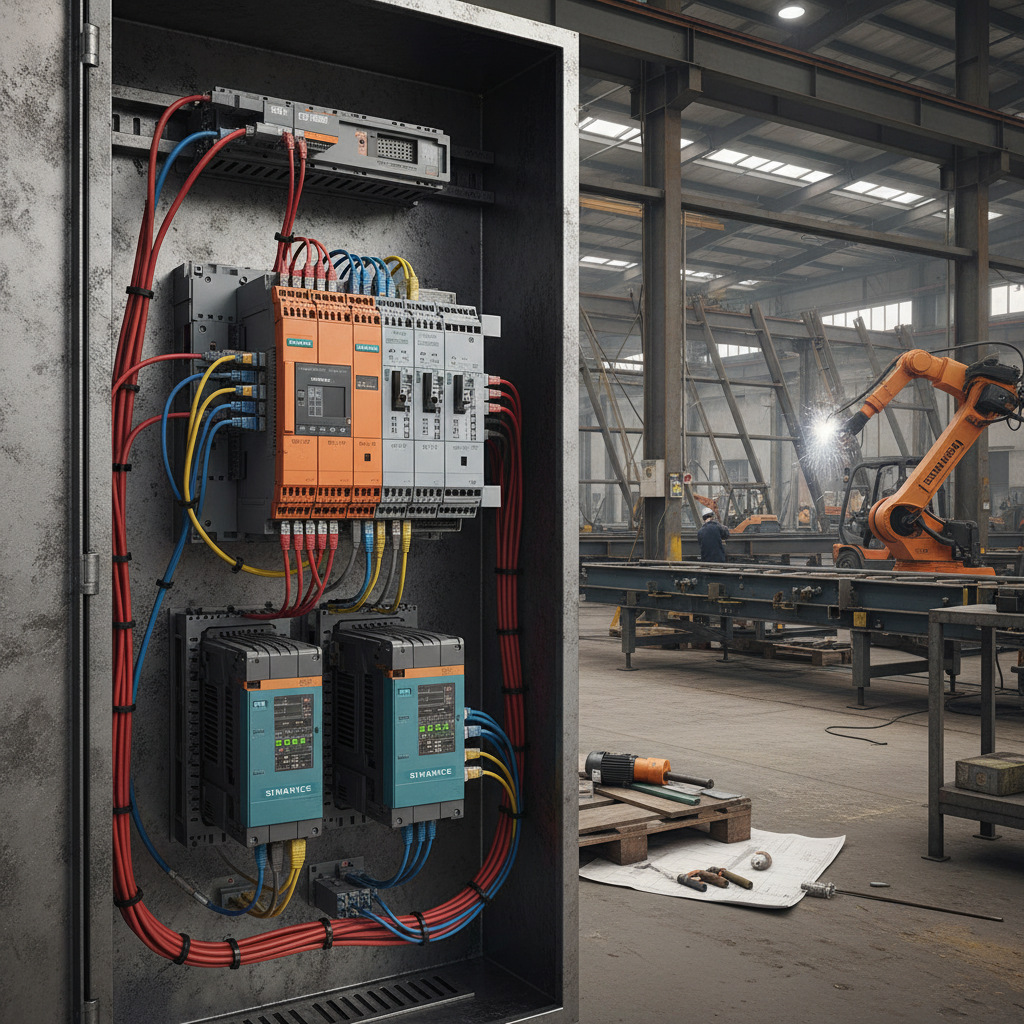
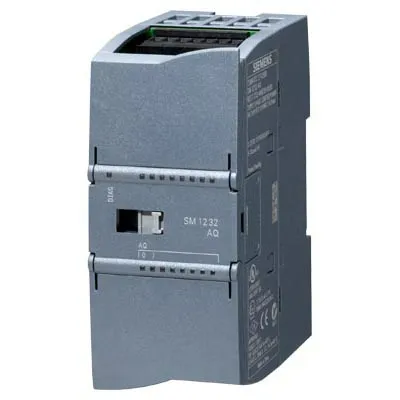
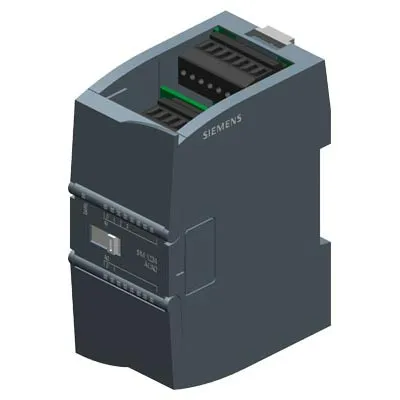
The analog expansion module is one of those quietly critical building blocks in modern automation. In fact, it’s where messy, real-world signals—pressure, level, temperature—become clean data your PLC can trust. I’ve seen plants with cutting-edge HMIs stumble because their I/O layer wasn’t up to the noise or environment. This is where Siemens SM 1231/1232-class modules tend to shine, and yes, there’s a reason many customers say they “just work.”
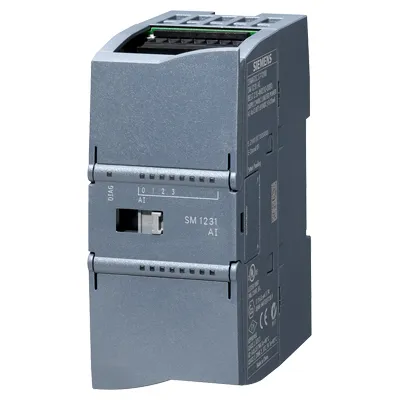
Industry trend check
Edge analytics and condition monitoring are booming; everyone wants better data resolution without ripping out existing PLCs. Modular I/O is the no-drama route: drop in a analog expansion module, map channels, scale 4–20 mA/0–10 V, and you’re trending in minutes. Surprisingly, retrofits outnumber greenfields in my inbox—budget wins over bravado.
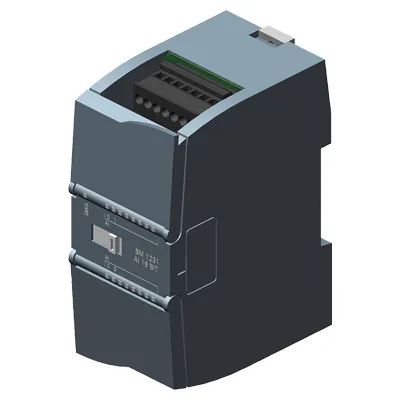
What you get (technical snapshot)
The SM 1231 family converts process analog to digital for the PLC; paired SM 1232 handles outputs. Real-world use may vary, but the baseline is robust: 12–16-bit resolution, channel-to-bus isolation on select models, and stable readings across wide temperatures.
| Parameter | Spec (≈ / typical) |
|---|---|
| Input types | 0–10 V, ±10 V, 0/4–20 mA; some variants support RTD/TC |
| Resolution | 12–16 bit (module-dependent) |
| Accuracy | ±0.3% FS typical; drift ≈ ±50 ppm/°C |
| Isolation | Up to 500 V DC channel/group-to-bus (select models) |
| Sampling | ≈ 10–100 ms/ch practical ranges |
| Operating temp | -20…+60 °C |
| Certifications | CE, RoHS; meets IEC 61131-2; EMC per EN 61000-6-2/-6-4 |
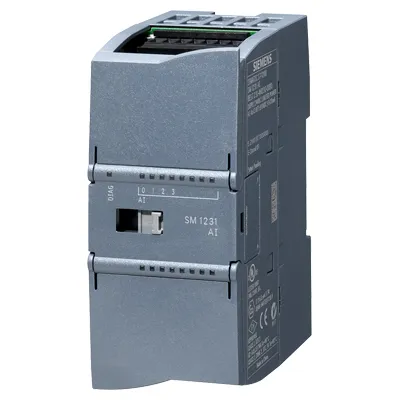
Where it earns its keep
- Water/wastewater: stable 4–20 mA from ultrasonic level sensors.
- HVAC and BMS: 0–10 V dampers and temperature loops.
- Packaging and food: clean thermocouple reads with shielded wiring.
- Battery and chemical dosing: precise milliamp scaling and alarms.
Vendor snapshot (real-world picks)
| Vendor/Series | Channels | Resolution | Isolation | Notes |
|---|---|---|---|---|
| Siemens SM 1231/1232 | 4–8 AI/AO variants | 12–16 bit | Yes on select | Tight S7-1200 integration |
| Allen‑Bradley 1762-IF/OF | 4–8 | 12–14 bit | Limited | MicroLogix eco-system |
| Mitsubishi FX5-AD/DA | 4–8 | 12–16 bit | Model-dependent | Fast cycle times |
| Beckhoff EL3xxx | 1–8 | 16 bit | Per-terminal | EtherCAT flexibility |
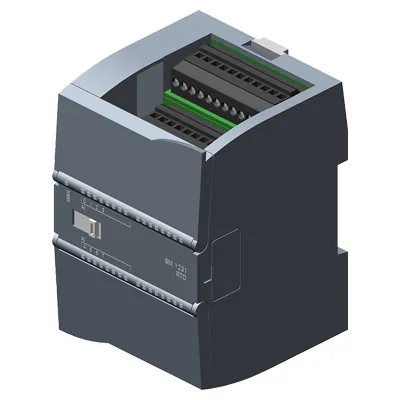
Process, testing, and service life
- Materials: FR‑4 PCBs, precision ADCs/DACs, low-drift op‑amps, galvanic isolators, conformal coating options.
- Methods: AOI, ICT, boundary‑scan; functional test with calibrated 0–10 V and 4–20 mA sources.
- Standards: IEC 61131‑2 I/O; EMC to EN 61000‑6‑2/-6‑4; manufacturing to ISO 9001.
- Test data: noise floor ≈ 1–2 LSB; typical CMRR > 80 dB; MTBF > 200,000 h; service life 10+ years in -20…+60 °C.
- Origin: Room 1 - 543, Building E, Zhonghui Xiyuan Plaza, Central Business District, Binhai, Tianjin.
Customization and field notes
Need a analog expansion module with mixed AI/AO, terminal coding, or special coating? That’s feasible. One dairy plant cut thermocouple jitter by 35% just by moving to isolated inputs and adding proper shield drains. Another solar pump farm standardized on 4–20 mA scaling with alarm latching—downtime dropped measurably (≈ 0.6 h/month to 0.1 h/month).
What users say
Feedback trends: “stable readings even near VFDs,” “setup in TIA took minutes,” and occasionally, “wish we had one more channel”—plan capacity with 20% headroom. If accuracy is king, pick the higher‑resolution variant of the analog expansion module and keep cable runs short with proper grounding.
References