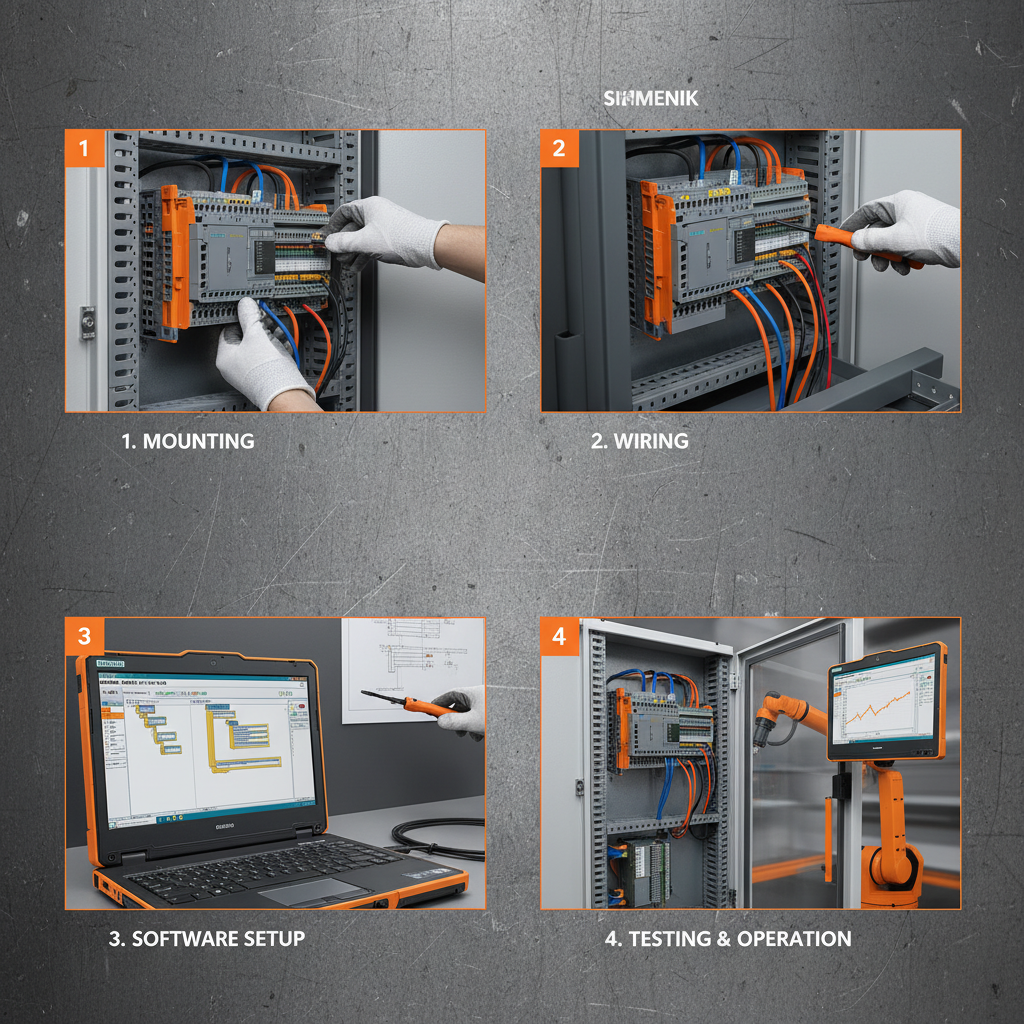
Comprehensive Guide to VFD Motor Starters – Efficiency & Control for Modern Motors
Understanding VFD Motor Starters: The Unsung Heroes of Modern Industry
If you’ve ever marveled at how smoothly massive conveyor belts hum along or how pumps adjust speeds to save energy, you can probably thank a vfd motor starter. These devices might sound like dry tech jargon, but behind the scenes, they’re quietly revolutionizing how motor-driven equipment performs—boosting efficiency, cutting costs, and even aiding sustainability efforts worldwide.
Why does this matter globally? Well, electric motors consume around 45% of worldwide electricity, according to the International Energy Agency (IEA). The smarter we manage their startup and speed variations, the more energy we save—impacting carbon footprints on a planetary scale. So, getting to know about vfd motor starters doesn’t just make you a bit tech-savvy; it connects you to a bigger environmental and industrial story.
Setting the Scene: Why the VFD Motor Starter Matters Worldwide
Across industries—from mining in Australia to manufacturing in Germany, to water treatment plants in South Africa—the challenge remains the same: how to operate motors efficiently while reducing wear-and-tear and energy consumption. According to the United Nations’ Sustainable Development Goals (SDG 7), ensuring access to affordable, reliable, sustainable, and modern energy is critical. Enter the vfd motor starter as a perfect example of technology meeting this challenge.
Traditional motor starters simply switch a motor on or off, often drawing large current surges and mechanical stress on the system. It’s inefficient and costly over the long haul. Variable Frequency Drive (VFD) motor starters, by contrast, precisely control the voltage and frequency supplied to the motor—allowing it to ramp up and slow down smoothly. This translates into tangible energy savings—up to 30–50% in some cases—and extended equipment lifespans. Globally, that’s millions in saved energy bills and less industrial downtime.
What Exactly Is a VFD Motor Starter?
Simply put, a vfd motor starter is an electronic device that powers an electric motor and controls its speed by varying the motor input frequency and voltage. In terms of industrial importance, it’s like a smart dimmer for a motor’s power, rather than an all-or-nothing on/off switch.
More than just mechanical helpers, these VFD starters support smooth operations across power-hungry sectors—like manufacturing lines that need speed adjustments, or water pumps that react dynamically to pressure demands. In humanitarian contexts, they help in pumping water from wells in remote areas more efficiently, often where power supply is limited or unstable.
Key Components That Define the VFD Motor Starter Experience
1. Durability & Protection
Constructed to endure tough environments—dust, moisture, extreme temperatures—many motor starters are IP-rated for protection. This means fewer replacements and lower maintenance hassles.
2. Scalability & Compatibility
Whether your motor is 0.5 kW or several hundred kW, VFD starters come in sizes and designs that scale. Compatibility with various motor types (like induction or synchronous) also makes them versatile tools in any plant.
3. Energy Efficiency & Cost Savings
The heart of their value lies in fine-tuning motor speed to actual load needs. This precision reduces wasted energy — a win for both your wallet and the environment.
4. Ease of Integration & Control
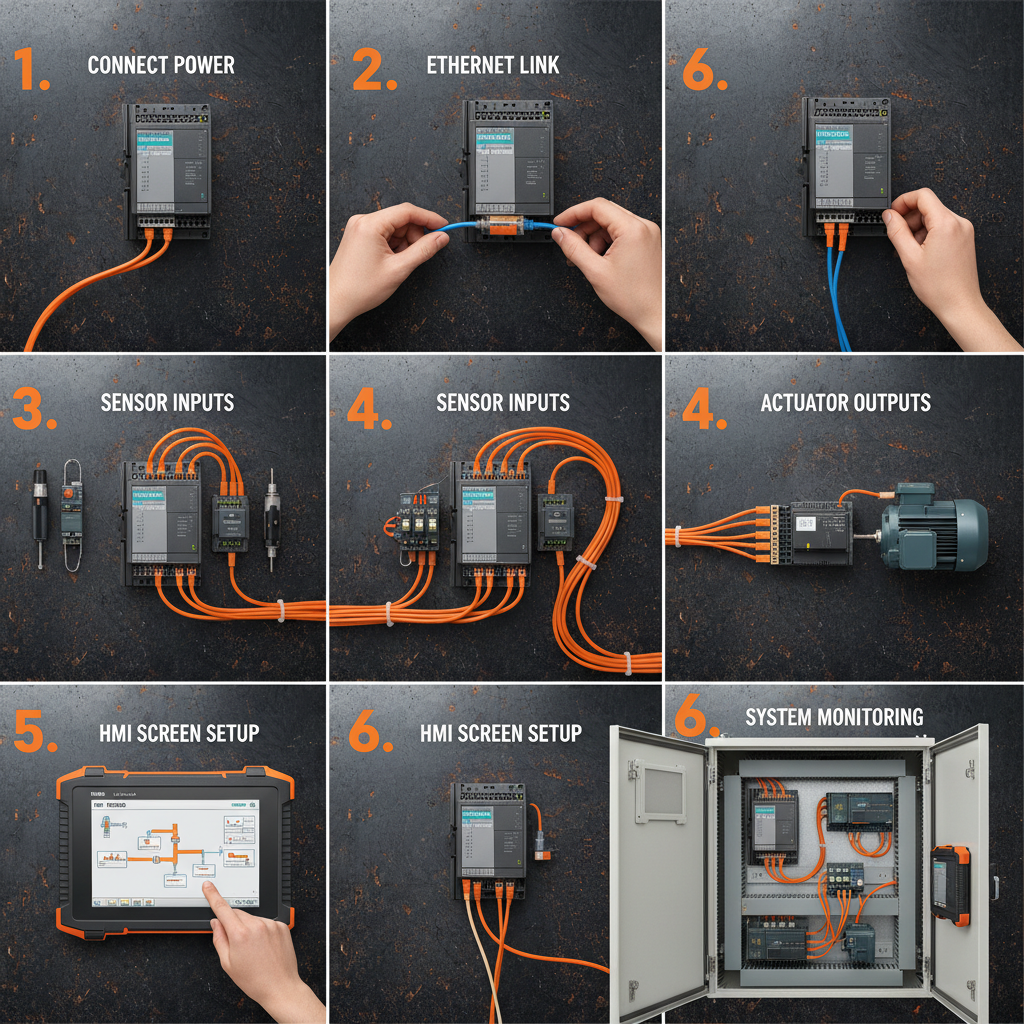
Modern starters feature PLC integration and remote control capabilities, making them nimble players in the era of automation.
5. Safety Features
Built-in protections against overloads, short circuits, and overheating boost both human and machine safety.
Mini Takeaway: At its core, the VFD motor starter is more than a switch—it's an intelligent device that blends protection, flexibility, and efficiency in industrial power control.
Global Applications and Use Cases of VFD Motor Starters
These devices aren’t just confined to factories. Take, for instance:
- Water Treatment Plants in Europe—where VFDs regulate pump speeds to meet fluctuating water demand while conserving energy.
- Mining Operations in Latin America—where motors on conveyor belts adjust speed based on load, reducing mechanical stress.
- Disaster Relief Efforts—portable VFD motor starters power pumps that supply clean water efficiently in regions recovering from natural calamities.
- Renewable Energy Farms—where controlling motor speeds maximizes the efficiency of hybrid solar-wind pumping systems.
Universally, these starters benefit industries that must juggle power demands with operational costs.
Advantages and Long-Term Value of Using VFD Motor Starters
From a more human perspective, the true benefit of employing a VFD motor starter is a cocktail of economic, environmental, and operational gains:
- Cost Reduction: Lower energy bills and less equipment repair due to soft starting are real savings.
- Environmental Impact: By consuming less power at startup and running periods, they contribute to reduced CO2 emissions.
- Reliability and Safety: Safer operations with less mechanical wear mean less downtime and happier employees.
- Social Impact: In humanitarian or remote contexts, reliable motor control can mean access to clean water, food production, and medical support.
- Innovation & Trust: Engineers trust VFDs because they've evolved steadily with robust technology improvements and compliance with global standards like IEC and ISO.
VFD Motor Starter Specification Table
| Specification | Typical Value/Feature |
|---|---|
| Power Range | 0.5 kW – 500 kW |
| Input Voltage | 400 V / 3-Phase (common industrial) |
| Control Method | V/f Control, Sensorless Vector Control |
| Protection | Overload, Overvoltage, Undervoltage, Short circuit |
| Communication Interfaces | Modbus, CAN Bus, Ethernet (optional) |
| IP Rating | IP20 to IP65 depending on model |
Vendor Comparison: Choosing Your VFD Motor Starter Supplier
| Vendor | Product Range | Global Presence | After-sales Support | Pricing |
|---|---|---|---|---|
| Siemens | Wide (small to large motors) | Extensive worldwide network | Excellent post-sale & training | Premium segment |
| Tianjin Yongkai | Focused (0.5–500 kW VFD starters) | Growing Asia, some export markets | Strong direct support | Competitive, value-based |
| Schneider Electric | Broad (includes automation) | Global headquarter and network | Integrated support platforms | Mid to high range |
Looking Ahead: Future Trends and Innovations in VFD Technology
As automation and Industry 4.0 concepts take hold, VFD motor starters are evolving fast. Expect smarter drives with:
- IoT integration allowing live monitoring and predictive maintenance.
- Advanced energy recovery systems that feed unused energy back to the grid.
- Eco-friendly designs with improved materials for thermal performance and smaller footprints.
- Artificial intelligence algorithms optimizing motor control strategies on the fly.
In this sense, VFDs are not just equipment but key players in the digital transformation of industry.
Challenges and How Industry Experts Are Tackling Them
Despite many advantages, installing and optimizing VFD motor starters isn’t always plug-and-play. Common challenges include:
- Harmonics: Electrical noise generated can affect power quality—though using filters and proper grounding helps.
- Initial Cost: Higher upfront investment compared to standard starters, offset by long-term savings.
- Technical Expertise: Requires skilled commissioning to maximize benefits.
Innovators are developing user-friendly interfaces and better training materials, while energy policies in many countries now support incentives for using VFDs—helping adoption.
FAQ: Frequently Asked Questions About VFD Motor Starters
- What industries benefit most from using a vfd motor starter?
- Industries with variable load demands, such as water treatment, HVAC, manufacturing, and mining, gain the most from VFDs. Their ability to reduce energy consumption during low-load periods makes them especially valuable.
- How does a VFD motor starter improve motor longevity?
- By controlling the startup current and ramping motor speed smoothly, VFDs reduce mechanical stress and electrical surges—two major causes of premature motor failure.
- Are VFD motor starters compatible with all motor types?
- Most VFDs work with standard three-phase induction motors; however, some advanced models support synchronous and permanent magnet motors. Always verify compatibility with your motor manufacturer.
- Can VFDs be used in hazardous environments?
- Yes, there are models designed with certifications (e.g., ATEX) for explosive or corrosive atmospheres, featuring robust enclosures and safety features.
- What maintenance is typically required for VFD motor starters?
- Regular cleaning, checking connections, and firmware updates form the core maintenance tasks. Periodic inspection of cooling fans and filters also ensures longevity.
Wrapping Up: Why VFD Motor Starters Deserve Your Attention
To sum it all up, vfd motor starters blend cutting-edge control technology with practical advantages—energy efficiency, reliability, and sustainability—that keep the world’s industries moving smoothly. As markets grow and environmental pressures mount, these devices have shifted from niche tools to essential components of modern operations.
Want to explore a solid, competitive vfd motor starter solution tailored to your needs? Visit Tianjin Yongkai for more details, specifications, and expert advice.
References: