Simple VFD Explained: Benefits, Uses & Future Trends in Motor Control
Understanding Simple VFD: The Heartbeat of Modern Motor Control
Variable Frequency Drives (VFDs), or simply simple VFDs, are quietly revolutionizing how industries manage electric motors. They adjust motor speed by varying input frequency and voltage, bringing energy savings and process control like no other. Worldwide, as demand for energy efficiency and advanced automation grows, simple VFD technology becomes not just beneficial, but essential. From manufacturing to infrastructure projects, knowing about simple VFDs offers a window into smarter, greener industry.
Why Simple VFD Technology Matters Globally
Take a step back: the International Energy Agency estimates electric motor systems draw nearly 45% of global electricity in industry alone. Without proper speed control, motors run at full speed regardless of load, wasting power. Simple VFDs nip that wasted energy in the bud, cutting industrial power consumption significantly. Statistically speaking, the UN’s sustainable development goals highlight energy efficiency as key to climate action. And simple VFDs? They fit right in.
But there’s a catch. Many small and medium industries or remote setups struggle with complex, pricey motor controls. Simple VFDs fill that gap — offering smart, efficient controls with easy installation and maintenance. This accessibility could change the energy game in developing and industrializing regions.
What Exactly Is a Simple VFD?
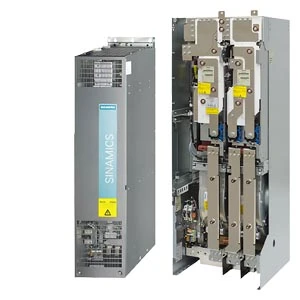
If you think of an electric motor as a car engine, a simple VFD is essentially its speed governor — continuously adjusting power to meet demand instead of running flat-out. Technically, it converts fixed-frequency AC input to a variable frequency output, which controls motor speed and torque. But more than tech jargon, simple VFDs link modern industry needs with practical, scalable solutions.
Oddly enough, these devices have become crucial not just in factories but emergency setups, water pumping stations, HVAC, and even renewable energy schemes needing flexible motor control. Some humanitarian agencies deploying water systems after disasters mention simple VFDs as game changers due to their reliability and ease of use.
Core Components Defining a Simple VFD’s Strength
1. Durability
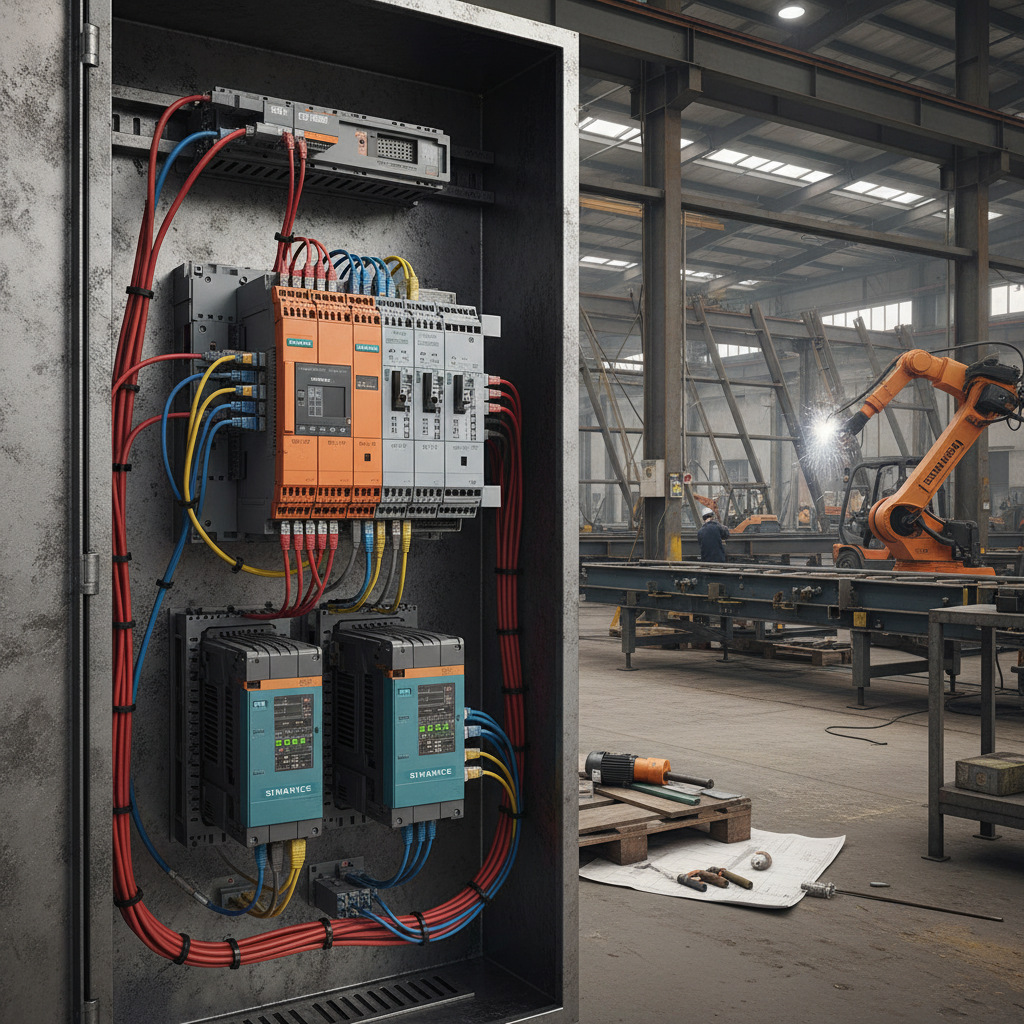
Unlike fragile electronics, simple VFDs often feature rugged enclosures and thermal protections suitable for harsh industrial or field environments. Engineers note that reliable enclosure ratings (IP54+) mean fewer failures in dusty, wet, or hot conditions.
2. Scalability
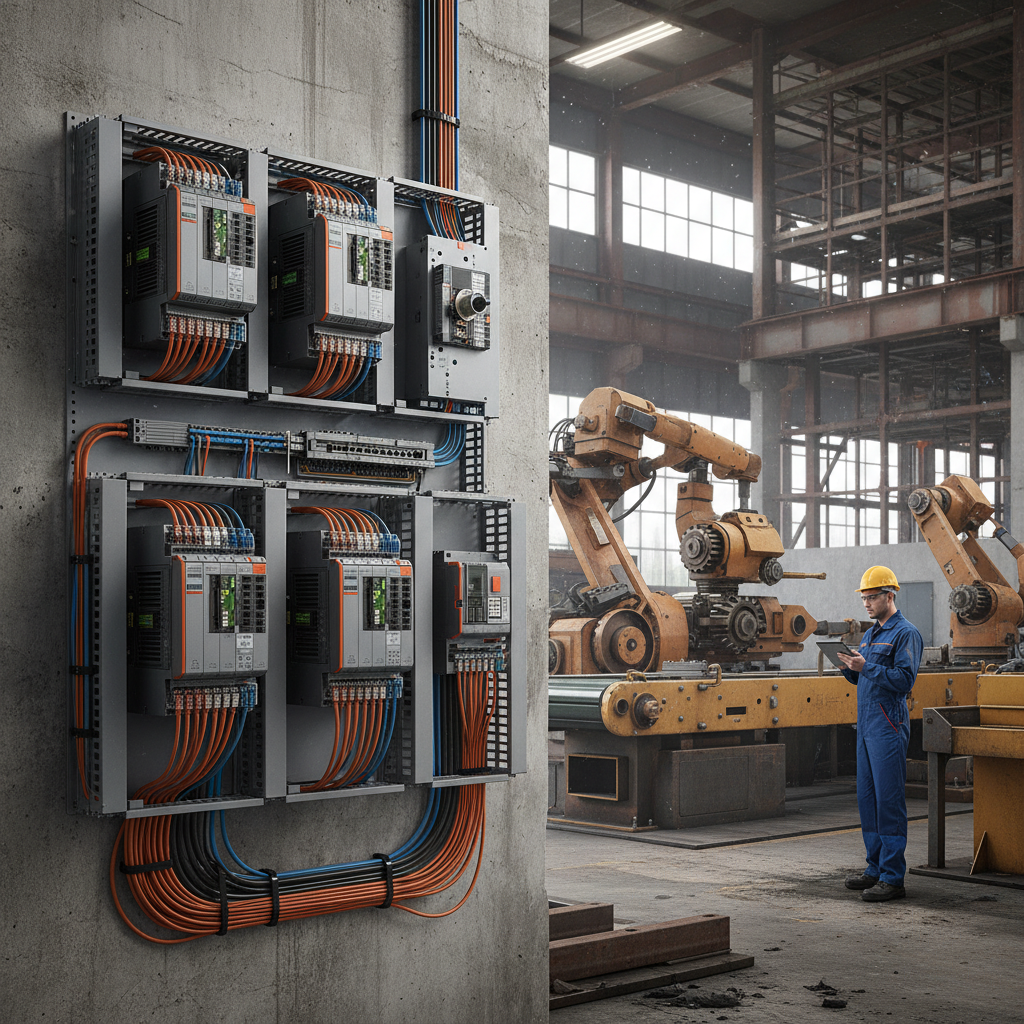
Simple VFDs can be found ranging from tiny 0.5 kW models for small pumps to 1000+ kW units driving huge conveyors. This scalability allows for matching VFD power ratings precisely to the motor and process needs.
3. Cost Efficiency
They are designed to deliver essential performance without extraneous features that jack up costs. For applications that don’t need full line communication or advanced analytics, simple VFDs provide an affordable alternative to complex systems.
4. User-Friendly Interface
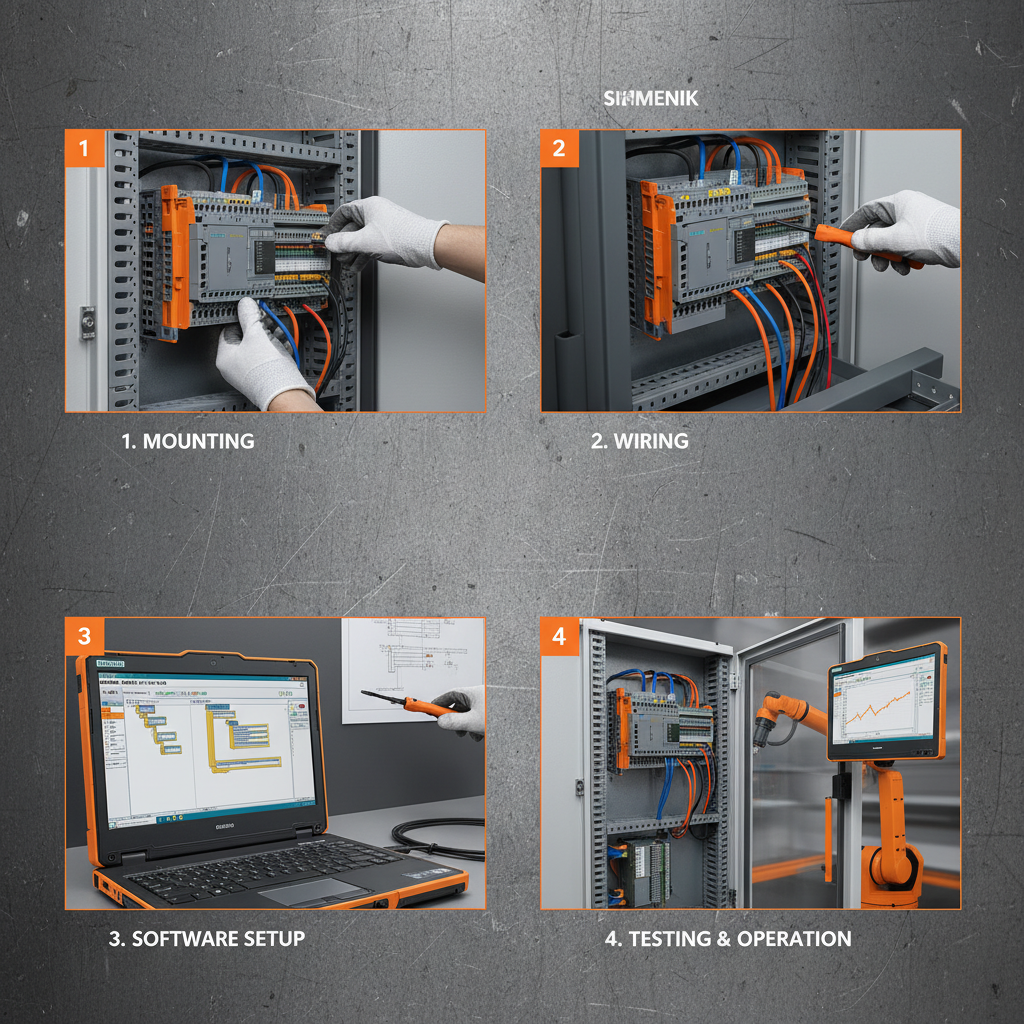
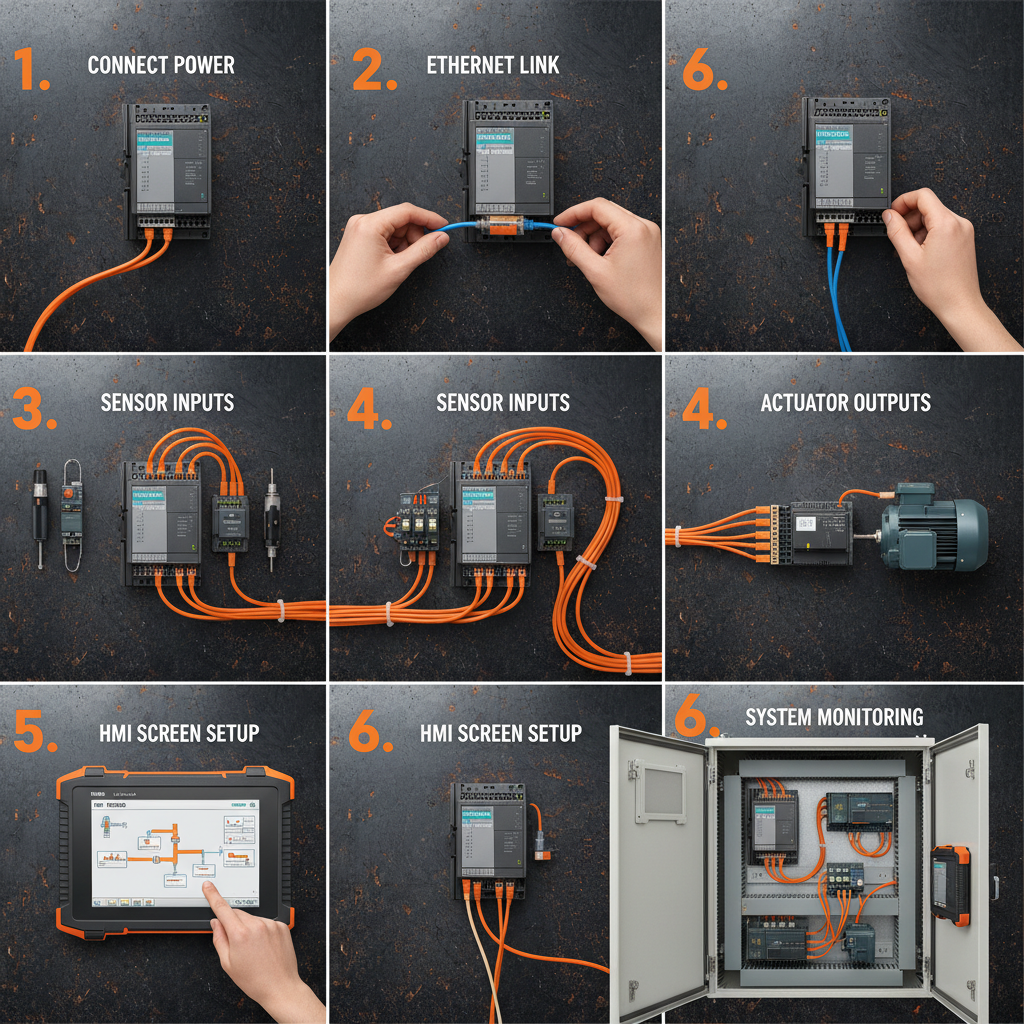
Many simple VFDs come with intuitive control panels — just a few buttons and a display — which makes setup and troubleshooting accessible even for on-site technicians with limited training.
5. Energy Savings
By enabling motors to safely run at optimal speeds, simple VFDs slash energy bills — sometimes by as much as 30-50% in pump or fan applications.
6. Compatible Protection Functions
Beyond just speed control, simple VFDs protect motors from overvoltage, overcurrent, and overheating — reducing downtime and maintenance costs.
Simple VFD Applications: Bridging Industry and Humanitarian Aid
It’s not just factories. Simple VFDs thrive in diverse sectors globally:
- Water and Wastewater Treatment: Pumping stations regulate flow with precision, reducing energy use and mechanical wear.
- Agriculture: Irrigation pumps benefit from speed control matching variable water requirements, sometimes critical in drought zones.
- Manufacturing: Conveyor belts, mixers, fans — nearly every motorized process gains efficiency.
- Disaster Relief: NGOs install portable water supply and power systems using simple VFD tech that’s quick to deploy, reliable, and tractable for field technicians.
- Remote Industrial Zones: Mines and remote factories appreciate simple VFDs because they balance robust use with easy maintenance when expert help is scarce.
For example, in Southeast Asia, small rural communities installing solar-powered water systems leverage simple VFDs to extend pump life and optimize battery use. This grassroots innovation reinforces why understanding simple VFDs matters beyond just industry insiders.
How Simple VFDs Stack Up: Key Specifications Overview
| Specification | Typical Range | Remarks |
|---|---|---|
| Power Rating | 0.5 kW – 75 kW | Common for general industrial use |
| Input Voltage | 220V / 380V / 480V AC | Single or three-phase options |
| Control Method | V/f Control | Simplifies motor speed regulation |
| Protection | Overcurrent / Overvoltage / Overheat | Extends motor and drive lifespan |
| Interface | Keypad + LED display | User-friendly local operation |
Comparing Vendors: Simple VFD Features & Support
| Feature | Vendor A | Vendor B | Vendor C |
|---|---|---|---|
| IP Rating | IP54 | IP20 | IP65 |
| Warranty | 3 years | 2 years | 5 years |
| Technical Support | 24/7 phone & online | Email support only | Regional service centers |
| Price Range | $$ | $ | $$$ |
| Ease of Installation | Plug & play with guides | Requires expert setup | Pre-wired modules available |
The Advantages and Long-Term Value of Simple VFDs
Financially, simple VFDs tend to pay back their cost in energy savings within 1–2 years, depending on the application. Beyond that, they reduce wear on mechanical parts — soft starting motors rather than instant full torque eases belts, gears, and bearings.
Socially and environmentally, the ability to lower emissions by trimming industrial power use aligns with broader sustainability goals. And frankly, knowing your operations are powered by controllable, intelligent drives fosters a sense of confidence and control that's hard to put a price on.
As one plant manager at a textile factory shared, “Switching to simple VFDs cut our power bill noticeably, but more importantly, stopped our motors from overheating during seasonal surges. It’s like giving our machines a breathable pause.”
Innovations and Future Trends in Simple VFD Technology
Looking ahead, integration with IoT and smart sensors is starting to creep into the simple VFD space — not in overwhelming ways but subtle upgrades that allow remote monitoring and predictive maintenance.
Also, as renewable energy sources such as solar and wind become more common, simple VFDs are adapting to control motors that interface with variable power flows, enhancing grid stability. Environmentally friendlier materials and compact designs are likely next steps in their evolution.
Tackling Common Challenges
It's true, simple VFDs aren’t perfect. They sometimes lack advanced communication protocols needed for fully automated plants. Electrical noise or harmonic distortion can be an issue for sensitive equipment nearby.
However, experts recommend pairing simple VFDs with harmonic filters or installing shielded cabling. Training maintenance teams to perform routine parameter checks ensures long-term trouble-free operation. For settings needing complex control, modular upgrades or central control systems can complement simple VFDs.
FAQ: Practical Questions About Simple VFDs
- What makes a simple VFD preferable to a complex motor control system?
- A simple VFD provides essential speed control and protection without the complexity and cost of full automation. It's ideal for straightforward applications, saving money and simplifying maintenance.
- How long does a typical simple VFD last in industrial use?
- Under normal conditions with proper maintenance, simple VFDs can last 10+ years. Environmental factors and usage patterns influence longevity, of course.
- Are simple VFDs suitable for harsh environments?
- Yes, especially models with higher IP ratings and rugged enclosures. Many are designed for dusty, wet, or hot conditions common in industrial and outdoor settings.
- Can small businesses install simple VFDs without specialized engineers?
- Absolutely. Many simple VFDs feature user-friendly interfaces and good manuals, enabling on-site technicians to configure and troubleshoot with minimal external support.
- Where can I find reliable simple VFD suppliers?
- Consider vendors offering local support, training, and proven product warranties. Our simple vfd page showcases trusted partners who balance quality and affordability.
Wrapping Up: Power Up Smarter with Simple VFDs
In real terms, simple VFDs are the unsung heroes helping industries run leaner, greener, and smarter. From energy savings to improved machinery health, these devices bring tangible wins for businesses big and small, and even for humanitarian missions. If you’re curious about tapping into this efficient motor control technology, exploring simple VFD offerings is a solid next step.
After all, in a world striving for sustainability and resilience, smart motor control isn’t just technical wizardry — it’s a practical, down-to-earth tool that makes a real difference.
References:
1. International Energy Agency (IEA) – Energy Efficiency 2023 Report
2. United Nations Sustainable Development Goals – Goal 7 and 13
3. Wikipedia: Variable-frequency drive