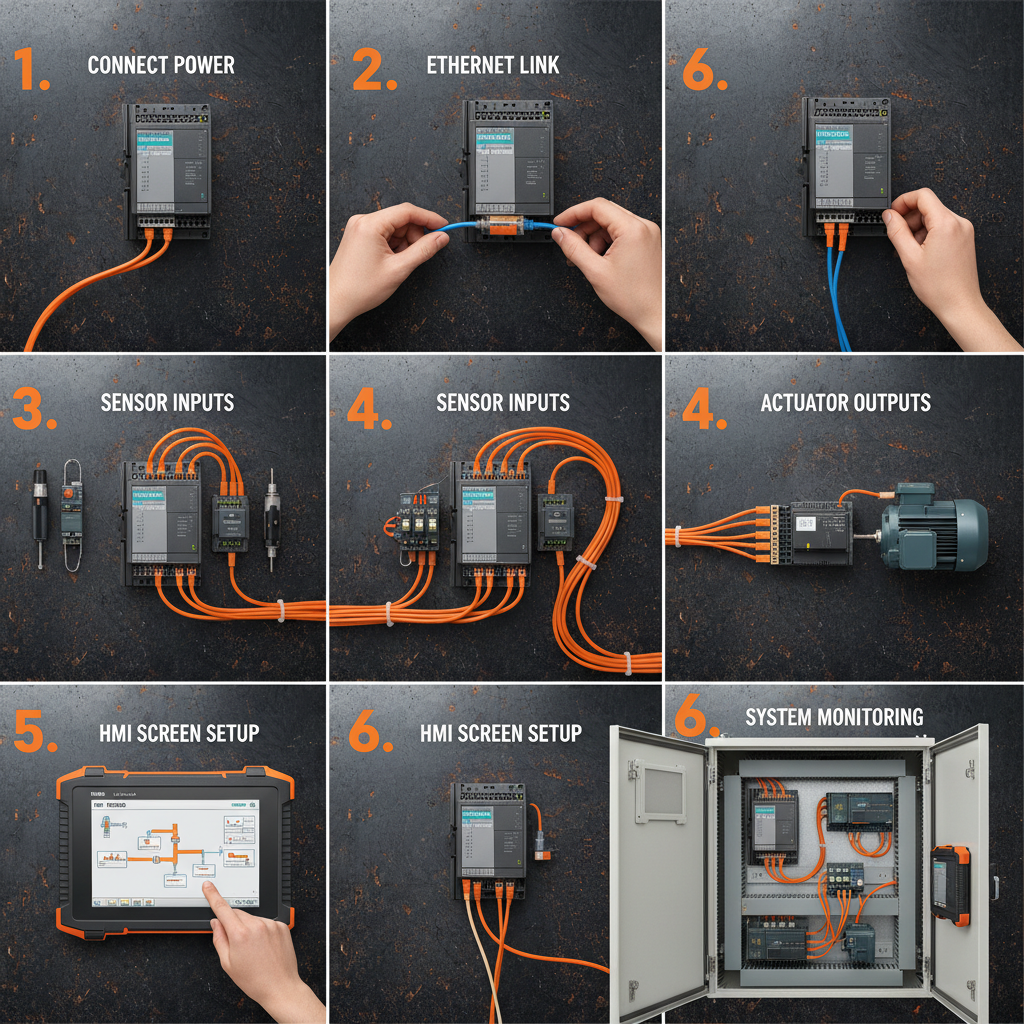
Single Phase In Single Phase Out VFD – Efficient Motor Control for Any Power Grid
The Growing Importance of Single Phase In Single Phase Out VFDs Worldwide
Variable Frequency Drives (VFDs) — especially single phase in single phase out VFDs — have quietly become a backbone technology across many sectors globally. Why? Because they allow precise motor speed control while efficiently handling single phase power sources, which are often the only electrical input in residential or remote areas. This topic matters because as we push towards smarter, greener industries and infrastructure, understanding and leveraging these VFDs can dramatically improve equipment performance, energy savings, and system reliability.
Whether it’s pumping clean water in rural communities, running HVAC systems in small factories, or optimizing agricultural machinery, single phase in single phase out VFDs fit a niche that global manufacturers and engineers can’t ignore anymore. Plus, their simple integration means they’re critical in places where three-phase power isn’t feasible or too costly.
Mini takeaway:
- Single phase VFDs enable energy-efficient motor control where three-phase power is unavailable.
- Their applications span emerging economies and specialized industries worldwide.
Global Context: Why Single Phase VFDs Are in Demand
According to the International Energy Agency (IEA), more than 750 million people worldwide still lack access to three-phase power. Many rural industries and small-scale enterprises rely solely on single phase electricity due to infrastructural limitations or cost. Enter the single phase in single phase out VFD: a practical solution that supports energy efficiency without requiring a complete grid overhaul.
Data from the United Nations Sustainable Energy For All initiative highlights the importance of affordable and reliable electric solutions for economic growth. VFDs improve motor-driven applications’ power usage, which constitute roughly 40% of global electricity consumption in the industrial sector, according to the International Organization for Standardization (ISO).
Still, challenges like power quality, voltage fluctuations, and motor starting torque remain — and single phase VFDs mitigate these through smarter controls tailored for single-phase input and output.
Mini takeaway:
- Single phase VFDs bridge the gap in places with limited power infrastructure.
- They help industries reduce wastage and enhance process stability.
What Exactly Is a Single Phase In Single Phase Out VFD?
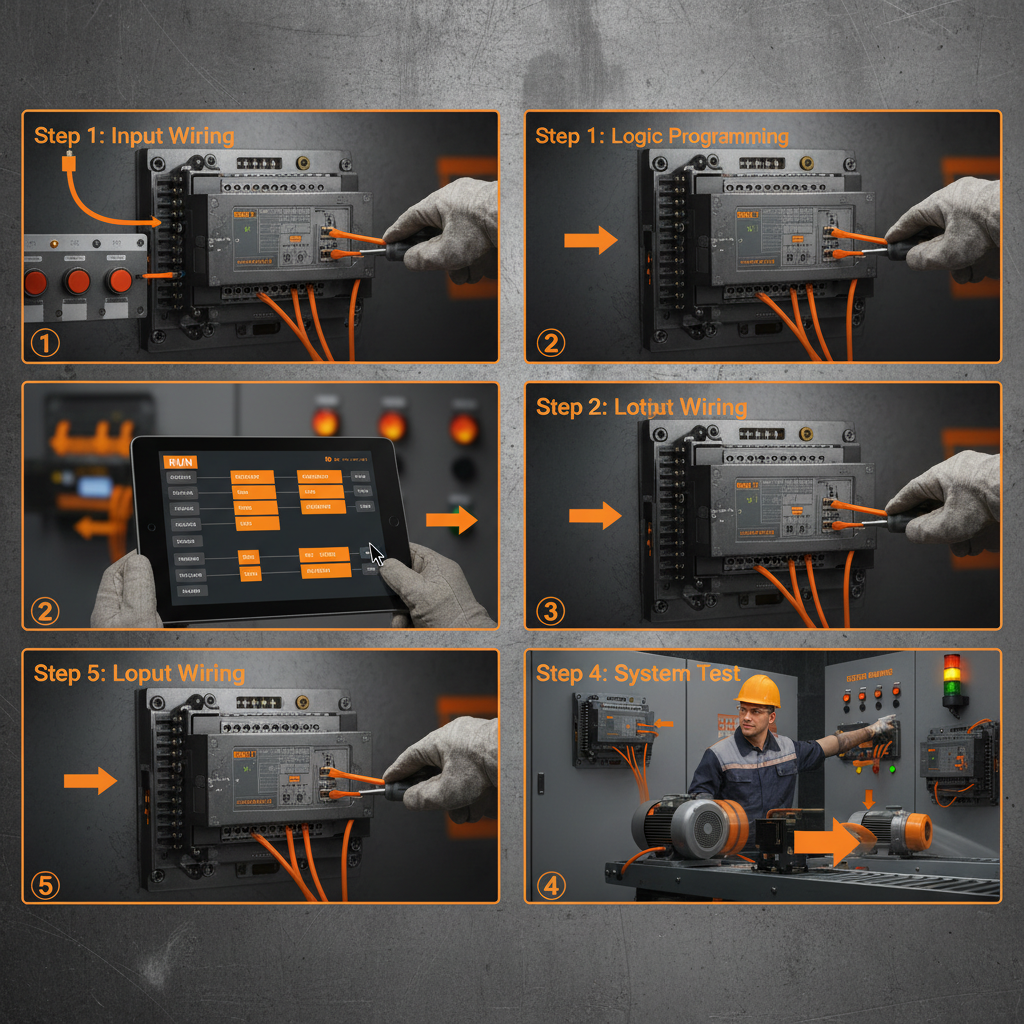
Put simply: a single phase in single phase out VFD is an electronic device that controls the speed and torque of AC motors using single-phase power both as input and output. Unlike standard VFDs that generally require three-phase power, these specialized drives convert single-phase voltage into variable frequency output to precisely regulate motor speed.
This is especially useful where three-phase power cables are either unavailable or cost-prohibitive, such as in residential buildings, small workshops, or far-flung agricultural sites.
Oddly enough, their role connects deeply with humanitarian objectives, like enabling stable water pumps and ventilators in remote clinics — systems that simply cannot rely on three-phase grids. So, these VFDs underpin progress, comfort, and even health in parts of the world that engineers sometimes overlook.
Mini takeaway:
- They adapt single-phase power inputs for dynamic motor control.
- They enable critical machinery in low-infrastructure contexts.
Core Features That Make Single Phase In Single Phase Out VFDs Stand Out
Durability Under Fluctuating Power Conditions
Many single phase drives encounter unstable grids, especially in developing areas. So manufacturers emphasize robust voltage regulation and protections against surges. These features cut equipment downtime and maintenance costs.
Compact and Lightweight Design
Since these VFDs often serve small motors and machinery, they tend to be smaller than their industrial, three-phase counterparts. This makes installation simpler and less intrusive, ideal for cramped utility rooms or mobile applications.
Cost Efficiency Without Sacrificing Performance
Single phase VFDs typically deliver a balanced trade-off — more affordable and practical than three-phase ones for small to medium loads, yet providing decent energy savings and motor protection.
Intuitive Control and Compatibility
Modern models come with user-friendly interfaces, digital inputs, and communication protocols that allow integration into smart systems or automation lines with minimal hassle.
Energy Savings and Environmental Compliance
By adjusting motor speed to match load demand, these devices reduce wasted energy, contributing to lower greenhouse gas emissions. Many models meet ISO 50001 energy management standards.
Mini takeaway:
- Robustness and simplicity are tailor-made to tackle real-world, single phase power challenges.
- These devices combine affordability with modern controls and environmental benefits.
Where Are They Used? Real-World Applications Around the Globe
In the US and Europe, homebuilders use single phase VFDs mainly in HVAC systems where single-phase power dominates. Meanwhile, in parts of Southeast Asia and Africa, they empower small irrigation pumps, improving crop yields in off-grid farms.
Post-disaster scenarios, like after hurricanes in the Caribbean, often rely on portable single phase in single phase out VFDs to run water treatment units—helping restore vital services quickly despite damaged infrastructure.
Companies such as well-known pump manufacturers often recommend these drives when three-phase power isn’t practical, making sure rural industries save energy and reduce mechanical wear-and-tear.
Mini takeaway:
- These VFDs serve many niches—from comfort to critical infrastructure.
- Their flexibility makes them popular for both everyday and emergency use.
Advantages and Long-Term Benefits of Single Phase VFDs
- Cost Savings: Lower energy bills and reduced motor wear.
- Sustainability: Support for green initiatives combating climate change.
- Reliability: Fewer breakdowns, longer equipment life.
- Safety and Comfort: Stable motor operation improves user experience—including in health facilities.
- Innovation: Embedded smart features enable predictive maintenance and remote monitoring.
Honestly, beyond dollars and cents, these devices carry emotional weight: they help farms feed families, hospitals treat patients, and communities stay resilient. That’s powerful.
Product Specification Table
| Feature | Typical Value/Range | Notes |
|---|---|---|
| Input Voltage | 120V / 230V AC single phase | Common domestic power levels |
| Output Voltage | Variable up to input voltage | Adjustable motor speed |
| Frequency Range | 5 Hz – 60 Hz | Covers typical motor speeds |
| Output Current | 2A – 10A | Suitable for light industrial loads |
| Efficiency | > 90% | Depends on model |
| Protection Features | Overload, over-voltage, under-voltage, short circuit | Ensures durability |
Vendor Comparison: Choosing the Right Single Phase In Single Phase Out VFD
| Feature | Tianjin Yongkai | Vendor B | Vendor C |
|---|---|---|---|
| Price Range | $$ | $$$ | $ |
| Efficiency | >90% | ~88% | 85% |
| Control Interface | Digital LCD, buttons | Basic analog dials | Limited interface |
| Protection | Comprehensive (OVP, OCP, UVP) | Partial protections | Minimal protections |
| Warranty | 2 years | 1 year | 6 months |
Looking Ahead: Future Trends in Single Phase VFD Technology
Digital transformation is shaking up this field, with manufacturers integrating IoT sensors to enable real-time diagnostics and remote control. This means fewer on-site visits and smarter maintenance schedules — a big deal for remote or underserved areas.
Green energy pushes accelerate VFD adoption because they make solar-powered motors or other renewables more viable by smoothly matching variable input power with demand. New semiconductor materials like silicon carbide (SiC) promise higher efficiency and smaller drives.
Policy-wise, more countries align energy efficiency standards with ISO and IEC industrial guidelines, encouraging single phase VFD use.
Mini takeaway:
- IoT and smart tech boost VFD usability significantly.
- Renewables and material science will improve durability, size, and efficiency.
- Policy incentives encourage wider adoption globally.
Challenges and How We’re Solving Them
Single phase VFDs sometimes struggle with limited starting torque or harmonic distortion issues. Engineers are addressing these through advanced filtering and improved inverter algorithms.
Another challenge is that not all users fully grasp optimal configuration — which can lead to premature failure. Training programs by vendors and open-source community support help close that gap.
Also, balancing cost with sophistication is tricky, but increasingly modular designs allow users to pay for only necessary features.
FAQ: Your Questions About Single Phase In Single Phase Out VFDs
- Q: Can single phase in single phase out VFDs be used with larger industrial motors?
- A: Generally, these VFDs are optimized for motors up to about 5 HP. For larger motors, three-phase VFDs are recommended due to power requirements and efficiency considerations.
- Q: Will these VFDs help reduce my electricity bill?
- A: Yes! By controlling motor speed based on demand, they cut energy waste, which typically leads to 10-30% savings depending on your application.
- Q: Are single phase VFDs compatible with all motor types?
- A: They work best with standard AC induction motors. Some specialty motors may require different drives.
- Q: How difficult is installation and setup?
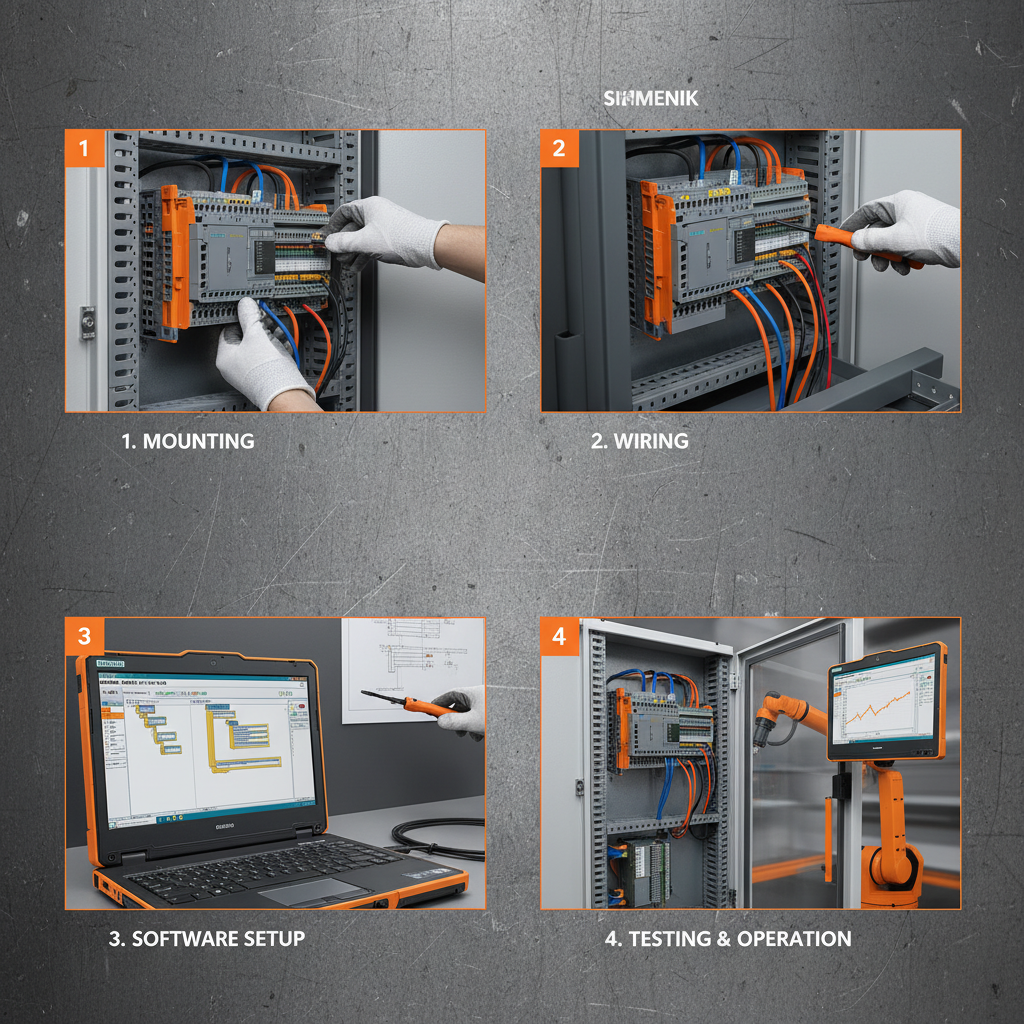
- A: Installation is straightforward with proper guidance. Many manufacturers provide user manuals and technical support to assist.
- Q: Can I get these drives shipped internationally?
- A: Yes — reputable vendors have global shipping options, plus support for customs and certifications to ease import.
Wrapping Up: Why Single Phase In Single Phase Out VFDs Are Here to Stay
There’s something quietly transformative about these drives. They pack a big punch in challenging scenarios and pave the way for smarter, greener energy use in places you might not expect. Long-term, they offer not just cost and efficiency gains but social impact — more reliable infrastructure, better services, and ultimately better lives.
If you want to learn more, especially about top-tier solutions, check out single phase in single phase out vfd manufacturers here. It’s definitely worth a browse.