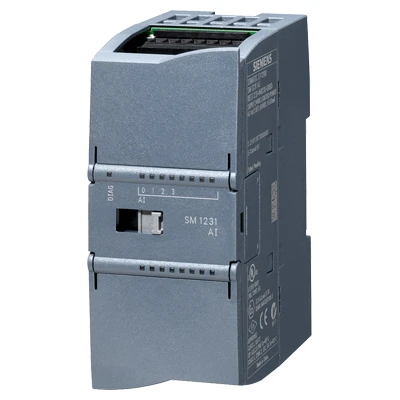
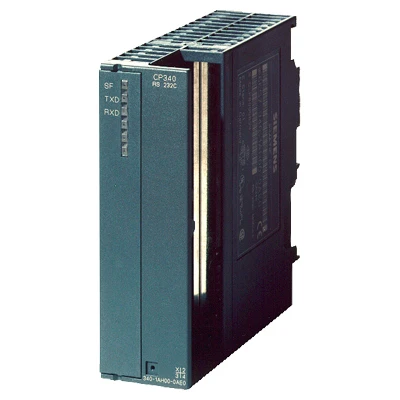
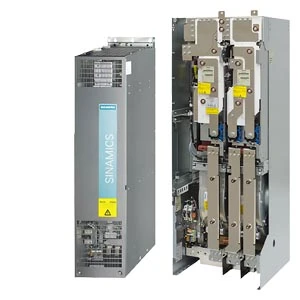
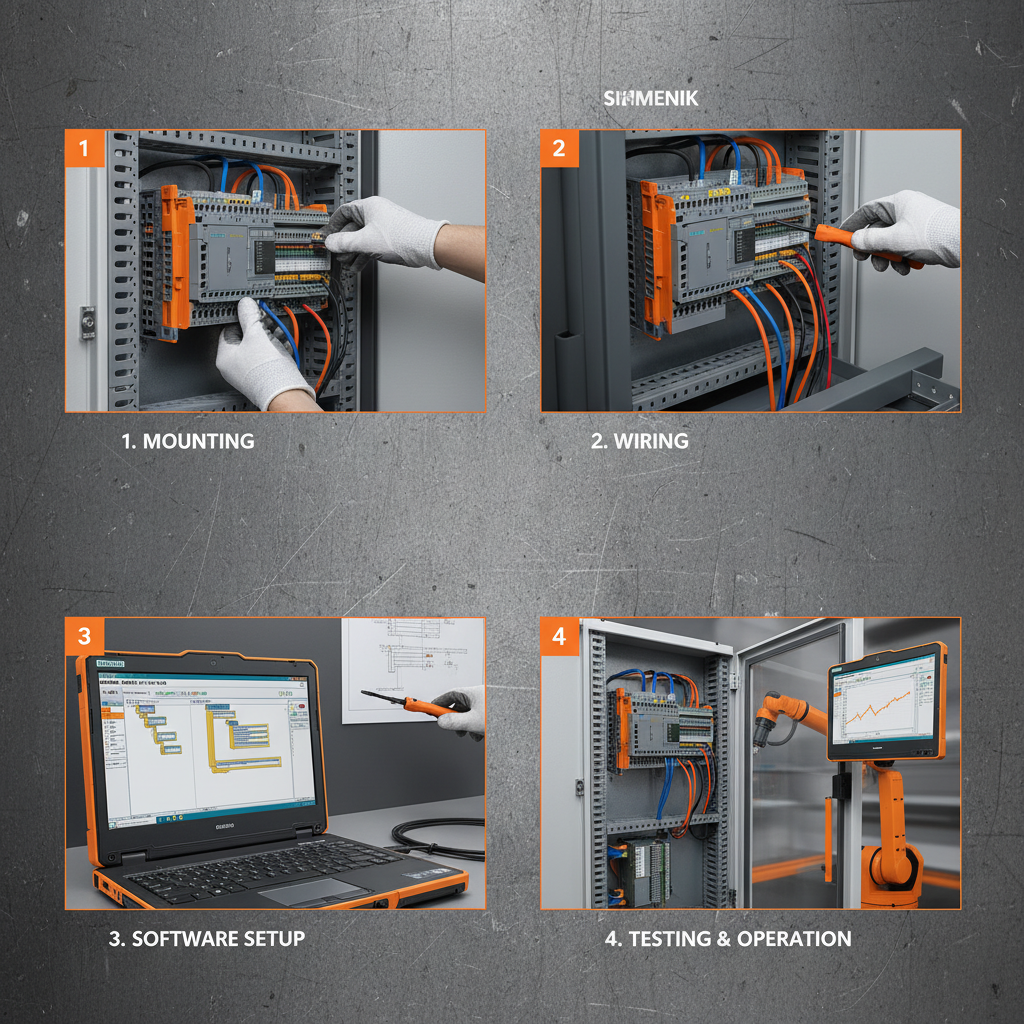
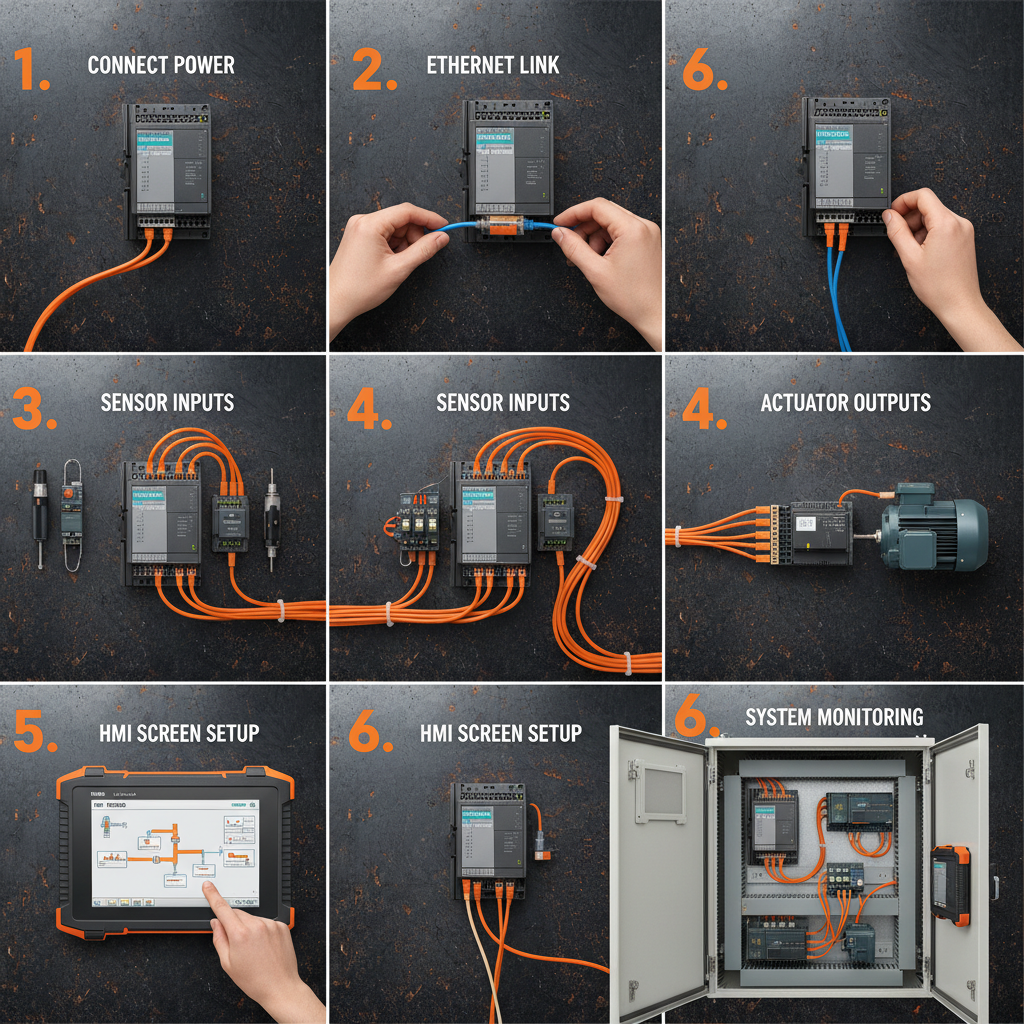
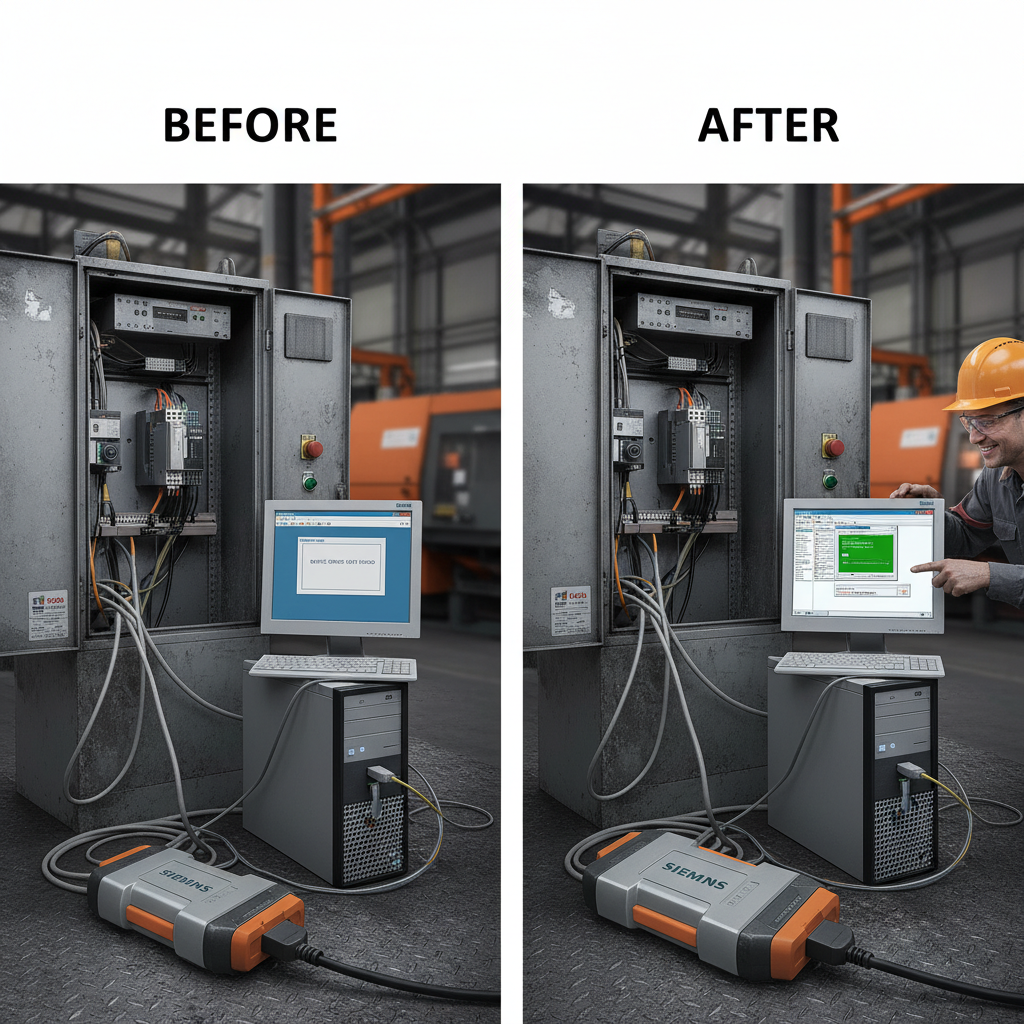
Surplus VFD Drives – Affordable, Sustainable Motor Control Solutions
The Rising Importance of Surplus VFD Drives: What Industry and Aid Organizations Need to Know
If you’ve ever worked with or around industrial motors, you’ve probably heard about variable frequency drives (VFDs). But there’s a particular subset gaining attention lately: surplus VFD drives. Why does it matter? Well, these are often gently used or excess units from manufacturers, available at a fraction of the new price but still packed with capability and flexibility. Globally, industries from manufacturing to water treatment harness these drives to regulate motor speed and save energy — and that’s increasingly vital with tightening sustainability goals.
Understanding surplus VFD drives isn't just an exercise in frugality. It’s about tapping into efficient tech that helps reduce waste, cut costs, and promote more responsible industrial practices globally. Plus, surplus drives play a sneaky but crucial role in humanitarian settings, where budgets and resources can be tight but reliability is essential.
Global Context: Why Surplus VFD Drives Matter More Than Ever
The industrial sector accounts for roughly 54% of global electricity consumption, and electric motors represent a huge chunk of that (International Energy Agency, 2022). VFDs help by adjusting motor speed to fit real-time needs — instead of running full throttle all the time. This means significant energy savings and lower emissions, a priority backed by ISO’s energy management standards and UN climate goals.
Yet many companies struggle with the upfront cost of new VFDs, especially SMEs and firms in emerging economies. Surplus VFD drives come across as a practical answer, offering reliable equipment salvaged from overstocked inventories or lightly used systems. This approach has grown in popularity particularly in regions facing infrastructure development challenges, like Southeast Asia and parts of Africa, where donated or repurposed tech fuels progress.
Still, challenges remain: questions about durability, warranty, and compatibility swirl around surplus units. So knowing what to expect is crucial to avoid costly downtime or inefficiencies.
Simply Put: What Are Surplus VFD Drives?
Surplus VFD drives are variable frequency drives that are not brand new, often sourced from system overhauls, canceled projects, or manufacturer overproduction. Think of them as “like-new” or slightly used components that didn’t quite find their way into a factory floor, but remain fully functional. Instead of letting these drives collect dust in warehouses, savvy buyers snap them up for smaller budgets or pilot projects.
They control motor speed by adjusting power frequency and voltage, ideal for pumps, fans, conveyors, and countless other machines. This is especially handy when you want to reduce energy spikes or mechanical wear. The broader connection? Efficient motor control translates into less wastage and smarter industry, which borders on a humanitarian concern when you consider resource-strapped regions.
Key Components and Features to Focus On
1. Durability and Operational Lifespan
Surplus VFD drives generally come with robust designs — designed to last well beyond initial deployments. However, their previous applications matter. Drives pulled from harsh environments may need refurbishment. Evaluating usage history helps steer clear of surprises.
2. Cost Efficiency
This is the headline advantage, really. Surplus drives can cost 30–70% less than brand-new models. If you’re retrofitting or prototyping, this budget breathing room makes projects feasible.
3. Compatibility and Scalability
Most surplus drives support a wide range of motor types and industrial protocols. But, naturally, newer control features or communications might not be up to snuff. Still, for many applications, they scale just fine.
4. Energy Savings and Environmental Impact
By modulating motor input power, VFDs reduce consumption — surplus or not, they contribute to green goals. When you reuse instead of discard, the environmental impact compounds positively.
5. Warranty and Technical Support
Warranty terms are often shorter or more limited with surplus devices. Still, some vendors offer refurbished units with extended guarantees. Technical support is key — partnering with reliable suppliers is not just nice, it’s necessary.
Mini takeaway:
Surplus VFD drives are a versatile, cost-effective way to improve motor control, but their value hinges on assessing quality and supplier reliability carefully.
How Surplus VFD Drives Are Making Their Mark Worldwide
From a giant steel plant in Germany reducing operational costs to community water pumping projects in Kenya, the applications vary wildly:
- Industrial zones: Factories in developing nations often leapfrog tech generations by deploying surplus drives.
- Infrastructure projects: Used in municipal water treatment and HVAC systems, surplus drives keep bills manageable.
- Post-disaster scenarios: NGOs use surplus VFDs to rapidly restore power-dependent services like food refrigeration or sanitation pumps.
- Renewable energy sectors: Surplus drives often integrate with wind turbines or solar water pumps where cost constraints exist.
For instance, a recent NGO project in Southeast Asia repurposed surplus VFD drives to power water pumps in rural areas, significantly cutting down on energy costs and improving system uptime.
Advantages That Go Beyond the Bottom Line
Many engineers swear by VFDs for their reliability and efficiency, but surplus units add unexpected value:
- Cost savings: Reduced capital expenditure means more funds for training or expanding projects.
- Sustainability: Reusing equipment aligns with the circular economy, shrinking electronic waste.
- Social impact: Reliable equipment in underserved regions means safer, healthier communities.
- Innovation access: Smaller companies can experiment with complex motor controls without big risks.
From a user perspective, there’s an emotional comfort in knowing these drives can extend machine life and delay expensive overhauls. It feels like giving tech a second chance — almost honorable in today’s throwaway culture.
The Road Ahead: Future Trends in Surplus VFD Drive Usage
Looking forward, the landscape for surplus VFDs is evolving in interesting ways:
- Digitalization: Smart diagnostics and IoT compatibility are filtering down to surplus markets.
- Green regulations: Stricter energy codes will prompt more industries to consider VFD retrofits, surplus or otherwise.
- Automation integration: More drives with embedded PLC functions make simple automation easier.
- Battery and renewables interface: Surplus drives adapting to variable inputs from solar and wind sources.
Oddly enough, the better these drives get at self-monitoring and fault reporting, the more attractive surplus units become too — provided they are nimbly updated or refurbished.
Challenges and Smart Solutions for Surplus VFD Deployment
Yet it’s not all rosy:
- Quality variation: Without standardized refurbishing, surplus drives may be a mixed bag.
- Documentation gaps: Older models sometimes lack clear manuals or wiring guides.
- Integration issues: Outdated communication protocols lead to headaches.
Experts recommend partnering with vendors offering certified refurbishing and technical aftercare. In some cases, retrofitting with updated control modules or firmware flashing revives surplus drives perfectly. It’s really a question of smart sourcing and planning.
Product Specification Table
| Specification | Typical Surplus VFD Drive |
|---|---|
| Power Range | 0.5 - 75 kW |
| Voltage | 230V / 400V / 480V |
| Control Type | V/F, Sensorless Vector Control |
| Communication Protocols | Modbus RTU, Profibus (Selective) |
| Enclosure | IP20 - IP54 |
| Typical Warranty | 6 - 12 months (refurbished units) |
Vendor Comparison Table: Surplus VFD Suppliers
| Supplier | Refurbishment Quality | Warranty Period | Technical Support | Typical Price Range |
|---|---|---|---|---|
| DriveRescue Ltd. | High | 12 Months | 24/7 Phone & Email | $300 – $2,000 |
| EcoDrives Corp. | Medium | 6 Months | Business Hours | $250 – $1,800 |
| GlobalSurplus Tech | Variable (Depends on Stock) | 3 Months | Email Only | $150 – $1,500 |
Frequently Asked Questions About Surplus VFD Drives
Q1: Are surplus VFD drives reliable for critical industrial usage?
A: Reliability depends on the supplier’s refurbishment standards and the application's criticality. Many surplus drives undergo rigorous testing and come with warranties, making them safe for many industrial uses. For mission-critical environments, consider extended warranties and thorough diagnostic checks.
Q2: How much energy can I realistically save by using surplus VFD drives?
A: The energy savings come from the VFD technology itself — typically reducing motor power use by 20–50% depending on load profiles. Whether surplus or new, this efficiency gain holds true. Just ensure the drive matches your motor specs.
Q3: What about compatibility issues with older surplus VFD drives?
A: Compatibility can occasionally pose challenges, particularly with communication protocols or modern control systems. However, many surplus drives support standard interfaces like Modbus RTU, and adapters or firmware updates can help bridge gaps.
Q4: Can surplus VFD drives be integrated into renewable energy systems?
A: Yes, especially for variable load control in solar pump applications or wind turbines. Surplus drives with vector control are often suited for such uses, provided they meet voltage and power requirements.
Q5: Where can I find trusted surplus VFD drive vendors internationally?
A: Websites like surplus VFD drives list vetted suppliers globally. Look for vendors that provide testing certificates, warranties, and good customer support for peace of mind.
Wrapping Up: Surplus VFD Drives as Smart, Sustainable Choices
Ultimately, surplus VFD drives invite industries and aid organizations alike to rethink waste and efficiency. They offer a practical blend of affordability, sustainability, and adaptability—exactly what we need in a world balancing growth and responsibility. If you want to explore cost-effective motor control solutions without sacrificing quality, these drives deserve a close look.
So, why not take a peek at surplus VFD drives today? You might find exactly the right fit for your next project—and help the planet a bit while you’re at it.