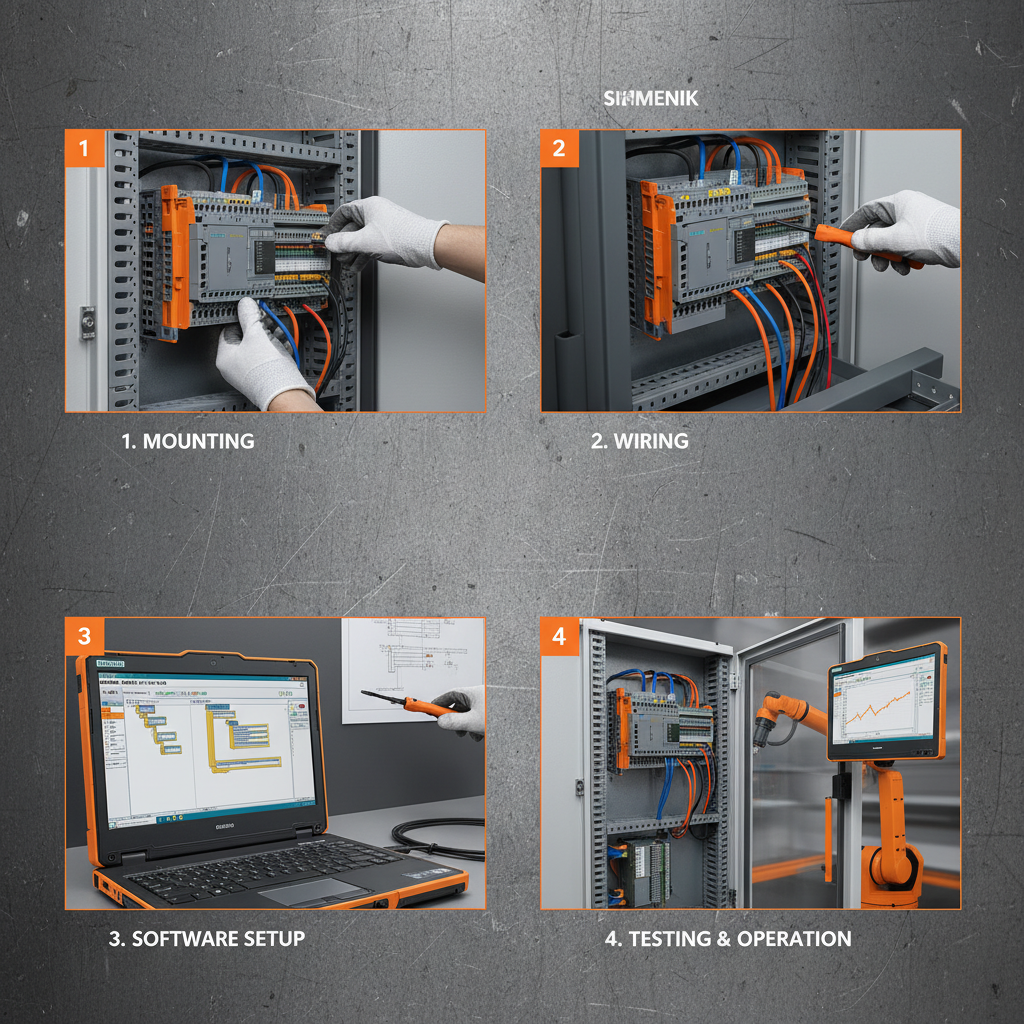
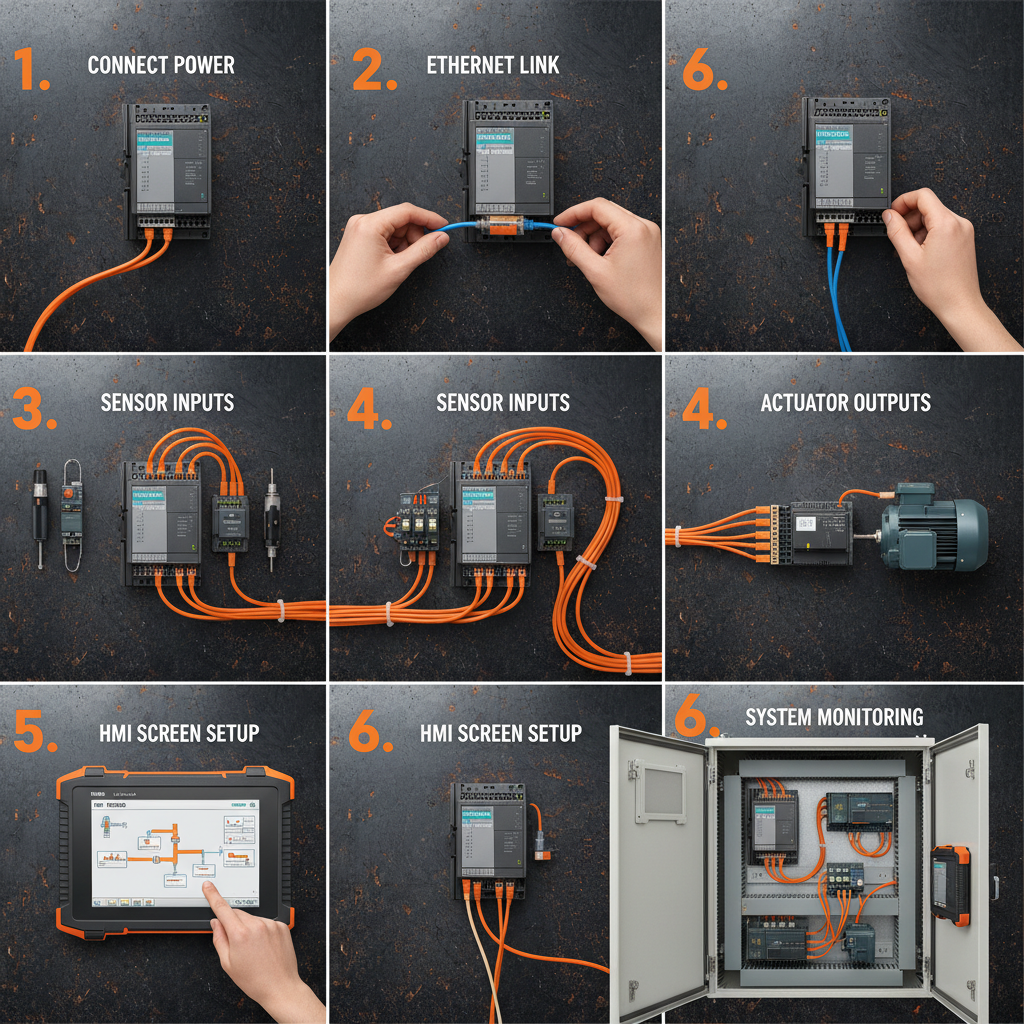
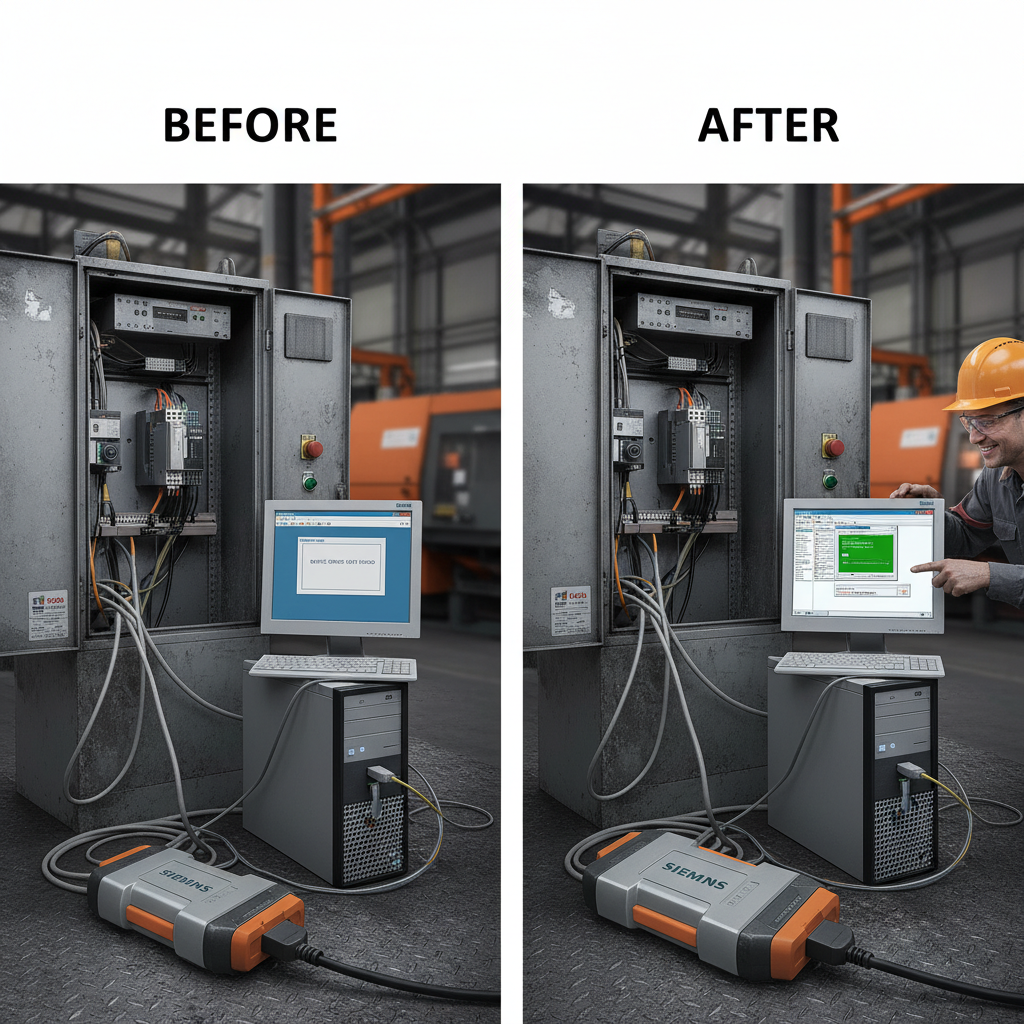
Find Durable and Efficient Enclosed VFD Solutions for Industrial Motor Control
Understanding Enclosed VFDs: Why They Matter Worldwide
Ever stumbled across the term enclosed VFD and wondered what makes it a staple in industries spanning from manufacturing to water treatment? Variable Frequency Drives (VFDs) inside protective enclosures are quietly revolutionizing how we control electric motors efficiently and reliably. In a world increasingly conscious of energy waste and operational downtime, enclosed VFDs emerge as an elegant solution to a big, global challenge: how to combine control precision with durability.
To put it simply, an enclosed VFD helps regulate motor speed by adjusting input frequency and voltage — wrapped neatly within a protective box (often dust, water, or explosion resistant). This ensures not just energy savings but also operational safety, especially in harsh industrial environments. Since motors often pull the largest slice of a facility’s power bill (some say up to 70%), mastering VFD usage translates directly to cleaner energy footprints globally.
Mini takeaway: Enclosed VFDs blend efficiency with protection, making them a keystone in modern electrical and industrial systems worldwide.
Global Context: Why Enclosed VFDs Are a Hot Topic
Here’s the kicker: The International Energy Agency estimates that up to 45% of global electricity consumption in manufacturing is by electric motors. A huge chunk of that usage is inefficient—running full tilt even when not needed.
Enclosed VFDs come at this problem from a practical angle. By enabling speed control and smooth startups, they dramatically cut wasteful power spikes. This is particularly important in emerging economies, where energy demand rises rapidly and power infrastructure is strained. For example, industries in Southeast Asia or Latin America are increasingly adopting enclosed VFDs to avoid costly downtime and reduce carbon footprints.
Yet, the challenge remains: industrial environments are tough—gritty dust, humidity, fluctuating temperatures. An exposed VFD would be a sitting duck. An enclosure (ranging from IP54 ratings to explosion-proof challenges) is non-negotiable.
Mini takeaway: Enclosed VFDs play a pivotal role in global energy management and industrial safety.
What Exactly Is an Enclosed VFD?
Let me break it down: A Variable Frequency Drive (VFD) is an electronic device that controls the speed and torque of electric motors by varying input frequency and voltage. Now, an enclosed VFD means this device comes housed inside a protective cabinet made of steel, aluminum, or even specialized materials. This enclosure shields the internal electronics from environmental hazards like dust, moisture, corrosive substances, or explosive atmospheres.
This design innovation isn’t just a “nice-to-have” — it’s often mandated by safety standards like IEC 60529 or UL 508A. Without an enclosure, sensitive VFDs would fail prematurely, causing costly downtime and potential hazards.
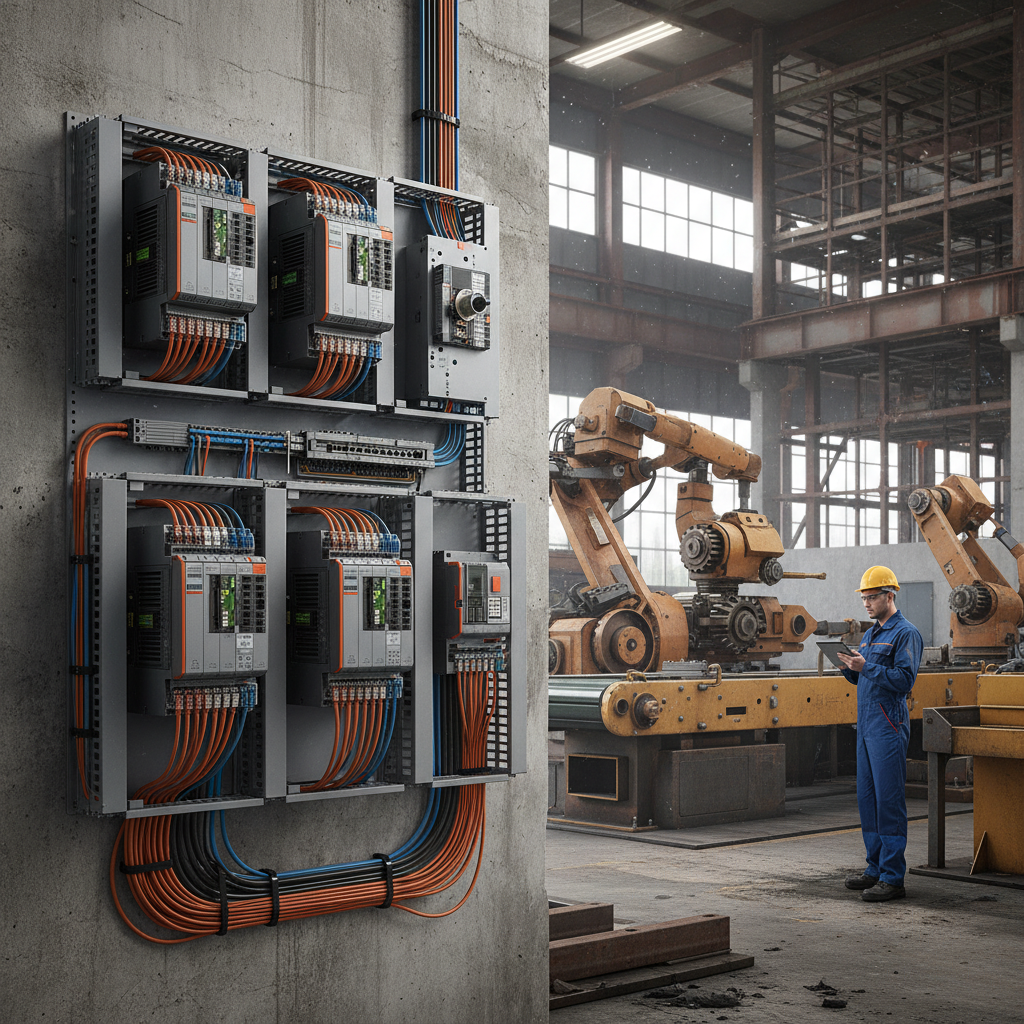
Oddly enough, enclosed VFDs find use beyond typical factories. They’re in water treatment plants where humidity is high, mining operations with heavy dust clouds, and even agricultural irrigation systems where weather can’t be controlled.
Mini takeaway: The “enclosed” bit is what turns a VFD from delicate equipment into an industry workhorse.
Key Aspects of Enclosed VFDs That Engineers Swear By
1. Durability and Protection
Enclosures are rated with an "IP" code showing protection against solids/liquids (IP rating). From IP20 (basic protection) to IP66 or IP67 (dust-tight and water-jet proof), the level you need depends on your environment. For explosive or corrosive zones, you get explosion-proof or stainless steel enclosures.
2. Thermal Management
Driving motors means heat. Enclosed VFDs come with integrated fans, heat exchangers, or liquid cooling systems to keep sensitive electronics running reliably under heavy loads. Poor thermal design, many engineers note, is the silent killer of drives.
3. Scalability and Customization
Enclosed VFDs aren’t one-size-fits-all. You pick the size, voltage, frequency range, and enclosure material depending on demand. Modular designs let you upgrade or add features without swapping the whole system.
4. Cost-Efficiency and Energy Savings
They may carry a bit of a price tag upfront, but the energy saved by limiting motor speed and smoothing startups pays for itself. Moreover, reducing wear-and-tear extends motor and drive life — a boon for maintenance budgets.
5. Ease of Installation and Maintenance
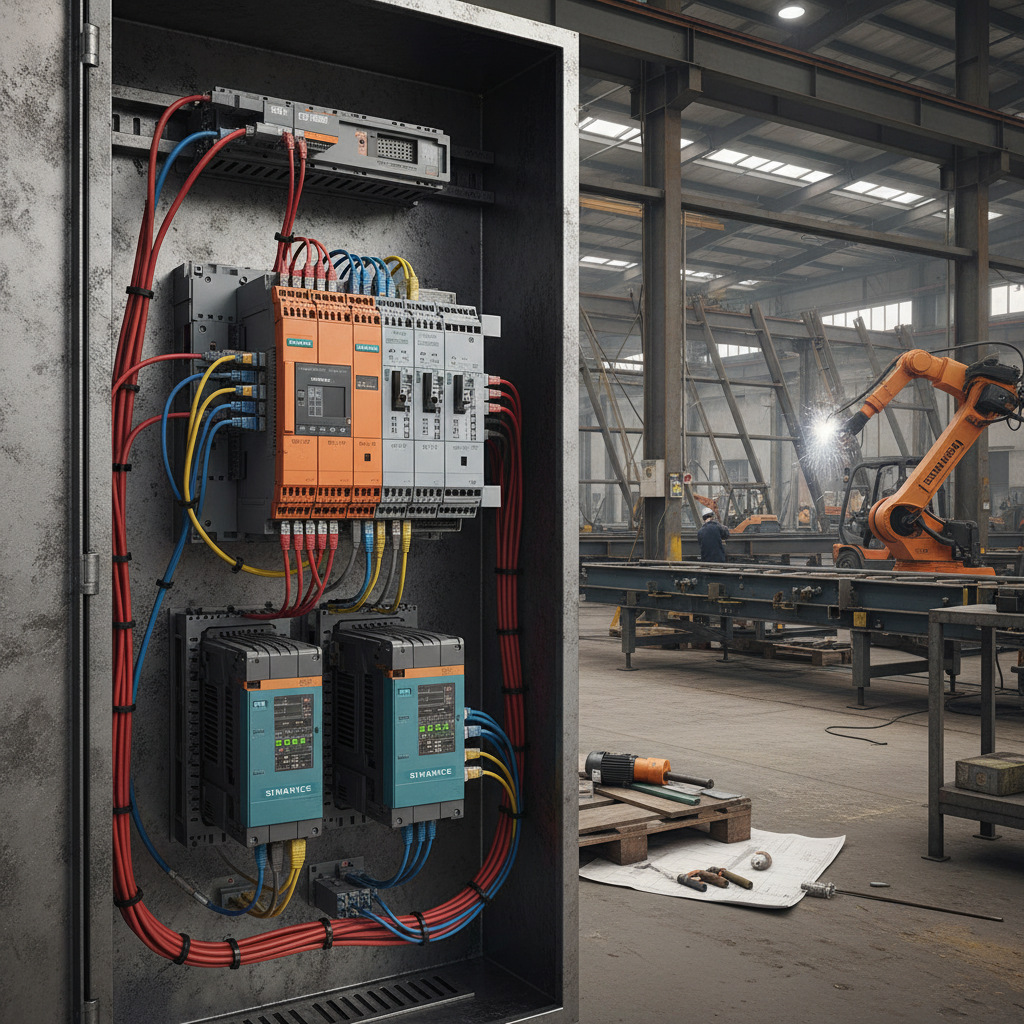
Prewired enclosed VFD units simplify field deployment—exactly what remote sites or retrofit projects need. Accessibility through hinged doors and clear status indicators matter too.
Mini takeaway: Enclosed VFDs are carefully engineered to be robust, adaptable, and energy-wise — it’s no coincidence they’re everywhere.
Enclosed VFDs in Action: Real-World Applications
From sprawling factories in Germany to modest water pumping stations in sub-Saharan Africa, enclosed VFDs are ubiquitous. In heavy industries like mining or pulp and paper, dust and moisture pose ongoing challenges; enclosed drives let plants run without downtime. In wastewater treatment plants, enclosed VFDs handle variable motor loads smoothly while coping with humid conditions flawlessly.
Here’s a quick example — a mid-sized brewery in Brazil switched to enclosed VFDs on their conveyor motors. Results? Energy dropped 25% within six months, and equipment failures became rare in their humid environment. I came across a case report highlighting this from a vendor newsletter a while ago...
In disaster relief or mobile water treatment, enclosed VFD units help operators quickly set up reliable pumping systems, protected from the elements and rough handling.
| Specification | Typical Range | Notes |
|---|---|---|
| Power Rating | 0.5 kW - 500 kW | Varies by motor size and industrial need |
| Input Voltage | 200V - 690V AC | Single or three-phase |
| Cooling Method | Air-cooled / Liquid-cooled | Depends on enclosure and application |
| Ingress Protection | IP54 - IP66 / NEMA 4x | For harsh environments |
| Communication Protocols | MODBUS, Ethernet/IP, Profibus | Enables smart factory integration |
Advantages & Long-Term Value of Choosing Enclosed VFDs
The benefits stack up nicely:
- Energy savings: Variable speed means only using what you need.
- Reduced maintenance: The enclosure guards against environmental wear.
- Safety: Reduced electrical hazards in damp or dusty settings.
- Operational Stability: Smoother motor startups and stops reduce mechanical stress.
- Sustainability: Lower carbon emissions and longer equipment lifecycles.
And here’s a personal observation: operators I spoke with often mention a kind of peace of mind that comes from knowing their VFDs aren’t going to fry in a dust storm or soak up corrosion from humidity. It’s a quiet confidence but huge in operational planning.
Looking Ahead: Future Trends and Innovations
The world of enclosed VFDs isn’t standing still. With Industry 4.0, smart enclosures now integrate sensors that monitor temperature, vibrations, and air quality inside the unit, feeding data to centralized maintenance systems. Some upcoming models employ advanced materials—lightweight composites that still meet rigorous protection needs. Green energy-driven VFDs that seamlessly integrate with solar or wind systems are on the rise as well.
More regulations around energy efficiency and emissions will push innovation to embed predictive maintenance features, reducing unscheduled downtime even further. The fusion of robotics, IoT, and VFD enclosures is something many technical folk are excited about — it’s where control meets intelligence.
Challenges and How to Tackle Them
Still, no technology is flawless. A few known hurdles with enclosed VFDs include:
- Heat buildup: In compact enclosures, cooling can be tricky, especially in tropical climates.
- Cost barrier: Initial investment is higher than open-frame VFDs, which can deter smaller operations.
- Complexity: Sophisticated models require skilled installation and programming.
Solutions? Advanced heat exchangers, modular plug-and-play designs, plus manufacturer training programs help overcome these. I’ve noticed vendors increasingly offer turnkey solutions to ease deployment — a big help.
| Vendor | Product Range | Enclosure Options | Notable Features | Approx. Price Range |
|---|---|---|---|---|
| VFDProTech | 0.5-450 kW | IP54, IP65, NEMA 4x | Modbus, Smart cooling system | $1,500 - $10,000+ |
| EcoDrive Solutions | 1-500 kW | Explosion-proof, IP66 | Predictive analytics & IoT ready | $2,000 - $12,000+ |
| Industrial Drives Inc. | 0.5-350 kW | IP54, Stainless steel | Custom drafts, rugged design | $1,200 - $8,500+ |
FAQs: Your Top Questions About Enclosed VFDs Answered
- What makes enclosed VFDs better than open-frame drives?
- Enclosed VFDs protect from dust, moisture, and physical damage, increasing lifespan and reliability. Open-frame units are suitable primarily for clean, controlled environments.
- How should I choose the right IP rating for an enclosed VFD?
- Consider your environment: dusty or wet? IP54 is a good base for light protection; IP66 or higher is needed for outdoor or harsh industrial zones.
- Can enclosed VFDs integrate with existing automation systems?
- Yes. Most support protocols like Modbus or Ethernet/IP, enabling seamless integration into SCADA or PLC systems common in Industry 4.0 setups.
- Are enclosed VFDs cost-effective for small businesses?
- While upfront costs are higher, energy savings and reduced maintenance often justify the investment even for small and medium enterprises.
- How long do enclosed VFDs typically last?
- With proper maintenance, you can expect 10 to 15 years of service life, sometimes more depending on usage and environment.
Conclusion: Why Enclosed VFDs Are a Wise Investment
Summing it up, enclosed VFDs don’t just keep your motors humming more efficiently — they safeguard your operations, your budget, and even the environment. They offer a rare blend of technical prowess and practical protection that industries worldwide are embracing. For anyone serious about sustainable industrial control, they’re hardly optional.
Curious to explore your options or get a tailored solution? Visit our website: https://www.tianjinyongkai.com and dive into our comprehensive enclosure and VFD portfolios — because every worksite deserves drives that last.