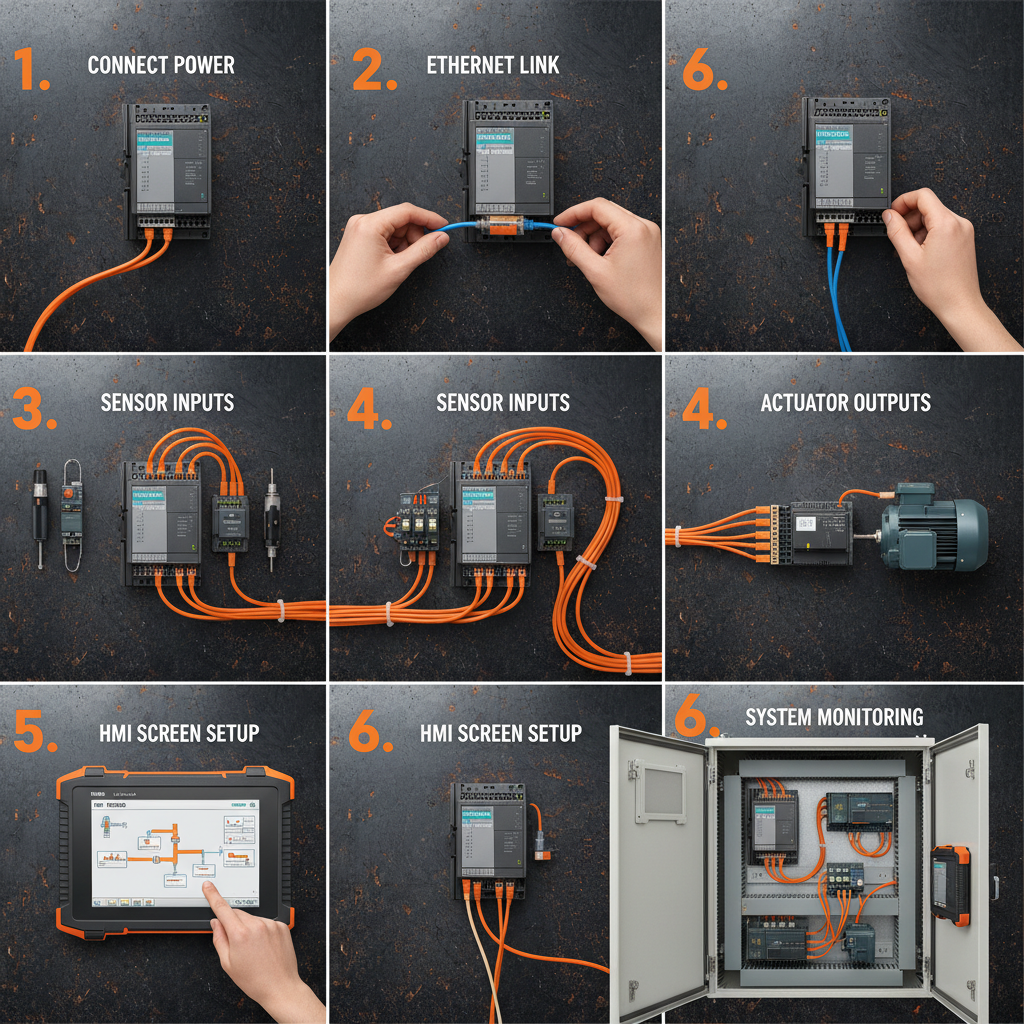
VFD Controller 3 Phase – Efficient Motor Control for Modern Industry
Understanding VFD Controller 3 Phase: Why It Matters Today
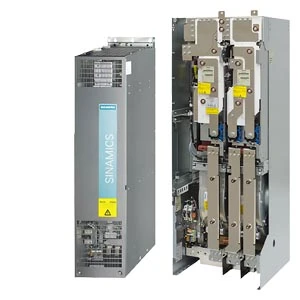
Variable Frequency Drive (VFD) controllers for 3-phase motors might sound like dry technical jargon, but they’re actually an unsung hero behind much of our industrial and infrastructure progress worldwide. At its core, a vfd controller 3 phase modulates the speed and torque of three-phase electric motors, making equipment more energy-efficient, safe, and adaptable. The global push for better energy management and more sustainable manufacturing processes has pushed VFDs into the spotlight — and rightly so.
Whether it's pumping water in arid regions, running conveyor belts in factories, or controlling HVAC systems in sprawling commercial complexes, these controllers reduce energy waste, increase equipment lifespan, and provide operators with fine-grained control. Understanding how these devices work—and why they’re integral to the modern economy—opens up a host of opportunities for industries and even humanitarian efforts.
VFD Controller 3 Phase — A Growing Global Necessity
In 2023, about 40% of the world's electricity consumption came from motor-driven systems, according to the International Energy Agency (IEA). A significant portion of these motors are three-phase, which are favored for their efficiency and power density. Yet, many industries still rely on stiff, fixed-speed motors, wasting up to 30% more energy than necessary in some cases. This massive inefficiency was one of the driving reasons for the rise of vfd controller 3 phase solutions.
World Bank reports indicate that energy costs constitute roughly 20-40% of operational expenses for manufacturing plants globally. Hence, integrating VFD technology has become not only a technical upgrade but a financial imperative for competitiveness. Plus, with the climate change agendas steered by entities like the UN and ISO standards recommending energy-efficient technologies, VFD controllers are at the nexus of industry and environmental responsibility.
What Exactly Is a VFD Controller 3 Phase?
In simple terms, a VFD (Variable Frequency Drive) controller for 3-phase motors is an electronic device that adjusts thepower supply frequency — and thereby the motor speed. Unlike older systems that only allow motors to run at a fixed speed, these controllers offer variable speed control, optimized torque delivery, and smoother starts and stops.
Think of it this way: instead of a car stuck with just one gear ratio, the VFD lets you change gears freely according to the load. This flexibility is vital in applications ranging from HVAC fans that softly adjust airflow to heavy-duty industrial machinery dealing with fluctuating processes.
Core Components and Factors that Define VFD Controllers
1. Durability and Thermal Management
VFD controllers are often installed in harsh environments, exposed to dust, moisture, or high temperatures. Good thermal design and rugged casing are essential for maintaining long service life. Many engineers emphasize that durability is non-negotiable since downtime can be very costly in production lines.
2. Energy Efficiency & Power Quality
At its heart, the VFD cuts energy wastage by matching motor speed to real-time demand rather than running full throttle constantly. In addition, advanced VFDs reduce harmonics and improve power factor, which benefits the entire electrical system.
3. Scalability and Integration
Modern VFD controllers support communication protocols like Modbus or Ethernet/IP, enabling seamless integration with supervisory systems or energy management platforms. This “smart” capability allows plants to monitor performance remotely and schedule maintenance intelligently.
4. Cost Efficiency Across Lifecycle
While initial investment in a vfd controller 3 phase might seem steep, savings on energy bills plus lower mechanical wear-and-tear translate into significant long-term value. Some solutions have modular designs allowing future upgrades without full replacement.
5. User-Friendly Interfaces
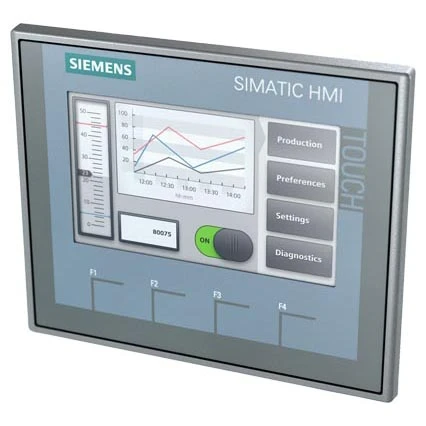
Today’s controllers come with intuitive touchscreens or mobile apps that make configuration and troubleshooting accessible to technicians without deep programming knowledge. Like many operators say, “It feels like the difference between driving a manual car and a modern automatic.”
Real-World Applications Around the Globe
- Manufacturing hubs in China and Germany leverage VFD-controlled motors to ramp productivity while cutting carbon footprints.
- Water treatment plants in Sub-Saharan Africa rely on energy-efficient pumps powered by these controllers to keep communities supplied amid patchy grids.
- Mining operations in Australia and Canada use variable speed drives to optimize conveyor belts and crushers — critical when operating in remote regions with limited power.
- In post-disaster relief operations, portable VFD-driven pumps provide vital water and power services swiftly, making them a lesser-known hero in humanitarian logistics.
These use cases prove the versatility of VFD technology, from resource-constrained rural settings to high-tech urban environments.
Mini takeaway:
The vfd controller 3 phase is a critical enabler of energy and operational efficiency globally, blending rugged adaptability with smart technology.
Advantages & The Long-Term Value of VFD Controllers
Investing in VFD controllers offers a blend of tangible and intangible benefits:
- Cost Savings: Reduced energy consumption translates directly into lower bills.
- Equipment Longevity: Soft motor starts reduce mechanical stress and maintenance downtime.
- Environmental Impact: Lower energy use leads to fewer greenhouse gas emissions.
- Operational Flexibility: Quick speed adjustments improve process precision and quality.
- Enhanced Safety: Reduced mechanical shocks and smooth operation increase workplace safety.
On an emotional level, adopting modern VFD technology represents embracing innovation and environmental stewardship — a point many companies proudly showcase.
Spotlighting Future Trends in VFD Technology
Looking ahead, the future of vfd controller 3 phase is vibrant with potential:
- Green Energy Integration: VFDs paired with renewable energy sources will become standard as microgrids spread.
- AI and Predictive Maintenance: Controllers will self-diagnose and optimize performance via machine learning.
- Wireless Connectivity: IoT-enabled VFDs will offer remote control and analytics through cloud platforms.
- Material Innovation: New semiconductor components will reduce losses, improve thermal handling, and shrink device footprints.
Each innovation promises to further reduce costs, enhance sustainability, and redefine control possibilities.
Challenges & Overcoming Them
Nothing is perfect, and VFD implementation carries some challenges:
- Initial Costs: Smaller or budget-constrained firms sometimes delay upgrades due to upfront investment.
- Electromagnetic Interference (EMI): Variable speeds can produce noise affecting other equipment.
- Complex Installation: Requires skilled personnel for proper tuning and integration.
Luckily, many manufacturers offer modular, plug-and-play designs and EMI filters to ease these issues. Plus, training programs and cloud-based support are becoming widespread to flatten the learning curve.
Vendor and Product Comparison
| Specification | Model A (Tianjin Yongkai) | Model B (Competitor X) | Model C (Competitor Y) |
|---|---|---|---|
| Input Voltage | 380-480V AC | 400V AC | 380V AC |
| Output Frequency Range | 0.1 - 400 Hz | 0.5 - 300 Hz | 0.1 - 500 Hz |
| Communication Protocols | Modbus, Ethernet/IP | Profibus, Modbus | Ethernet/IP, CANbus |
| Overload Capacity | 150% for 60s | 120% for 60s | 130% for 60s |
| Ingress Protection | IP54 | IP20 | IP55 |
| Approx. Price per Unit | $1,200 | $1,100 | $1,350 |
Comparing Leading VFD Controller 3 Phase Vendors
| Feature | Tianjin Yongkai | Siemens | Schneider Electric |
|---|---|---|---|
| Market Focus | Industrial Automation, Energy Efficiency | Broad Industry Applications | Building & Process Automation |
| Technical Support | Localized, Quick Response | Global Network | Extensive Training Programs |
| Customization Options | High Customizability | Moderate | Moderate to High |
| Price Point | Competitive | Premium | Premium |
Common Questions About VFD Controller 3 Phase
Q1. How does a VFD controller save energy compared to traditional motors?
A VFD controller adjusts the motor speed to match the actual load demand, instead of running at full speed constantly. This significantly reduces energy consumption, especially in processes with variable load requirements like pumps and fans.
Q2. Can VFD controllers be installed on any existing 3-phase motor?
Most standard 3-phase motors are compatible with VFD controllers, but it's essential to check motor specifications and consult with manufacturers to ensure proper matching and avoid damage.
Q3. What maintenance is required for VFD controllers?
Routine checks include cleaning to prevent dust buildup, verifying cooling systems, and monitoring software diagnostics. Many modern VFDs include self-diagnostic features to simplify maintenance.
Q4. Are VFD controllers suitable for outdoor or harsh environments?
Yes, many VFD units come with different IP protection ratings (like IP54 or IP55) to withstand dust, moisture, and temperature extremes. Selecting the right enclosure is key for reliability.
Q5. How complicated is it to program a VFD controller?
While initial setup can require technical knowledge, most controllers come with user-friendly interfaces or preset modes. Training resources and vendor support make adoption easier.
Wrapping Up: Why Your Next Project Needs a VFD Controller 3 Phase
From saving energy and cutting operational costs to supporting environmental goals, the advantages of adopting a vfd controller 3 phase are clear and lasting. It’s not just about big industry players anymore — even small- to medium-sized manufacturers and infrastructure projects globally can benefit significantly. With the pace of innovation continuing and more user-friendly models flooding the market, there’s never been a better time to integrate this technology.
For those curious to learn more or ready to explore solutions tailored to your needs, I highly recommend visiting Tianjin Yongkai — a leading expert in efficient VFD technologies that combine quality with competitive pricing.
References
- International Energy Agency — Motor Systems
- Wikipedia — Variable-frequency drive
- ISO Energy Efficiency Standards
The more I dive into these smart controllers, the more it feels like they’re quietly reshaping how we power the world — one pulse at a time.