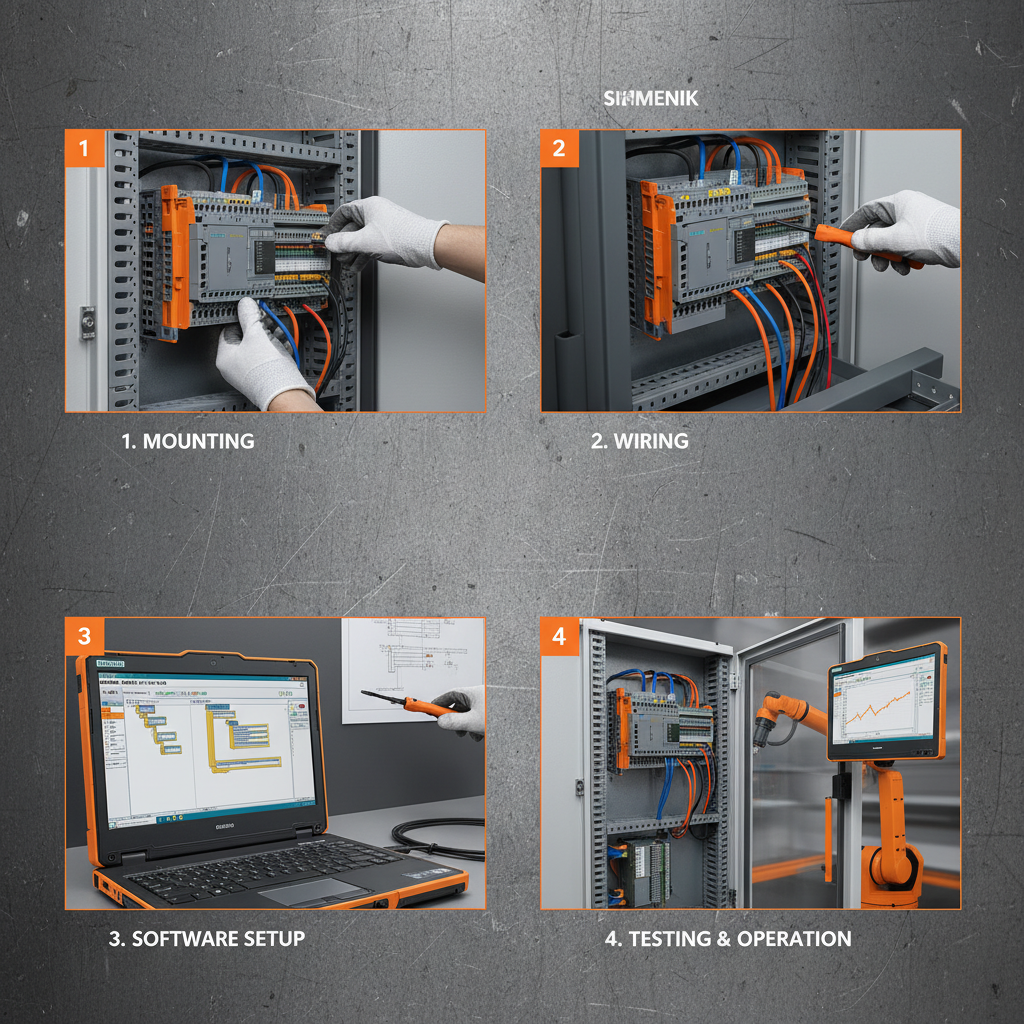
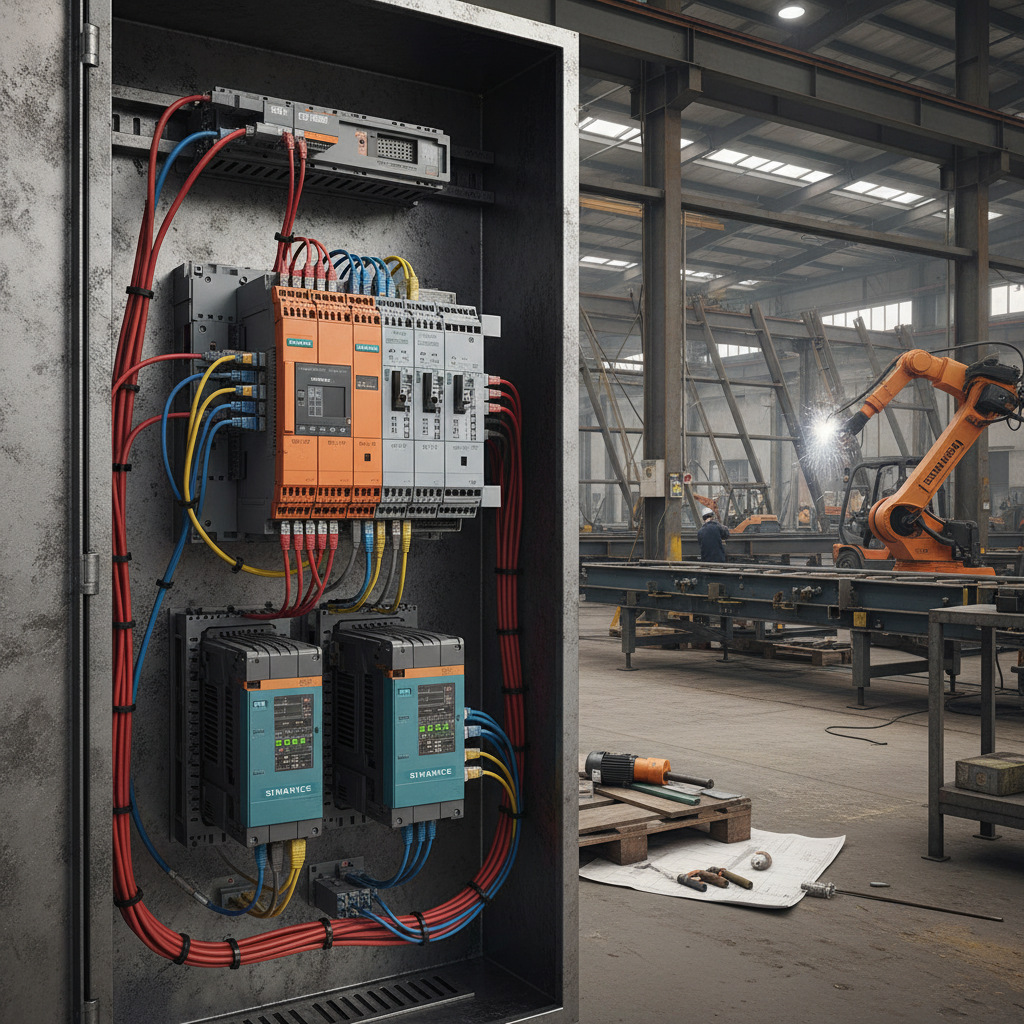
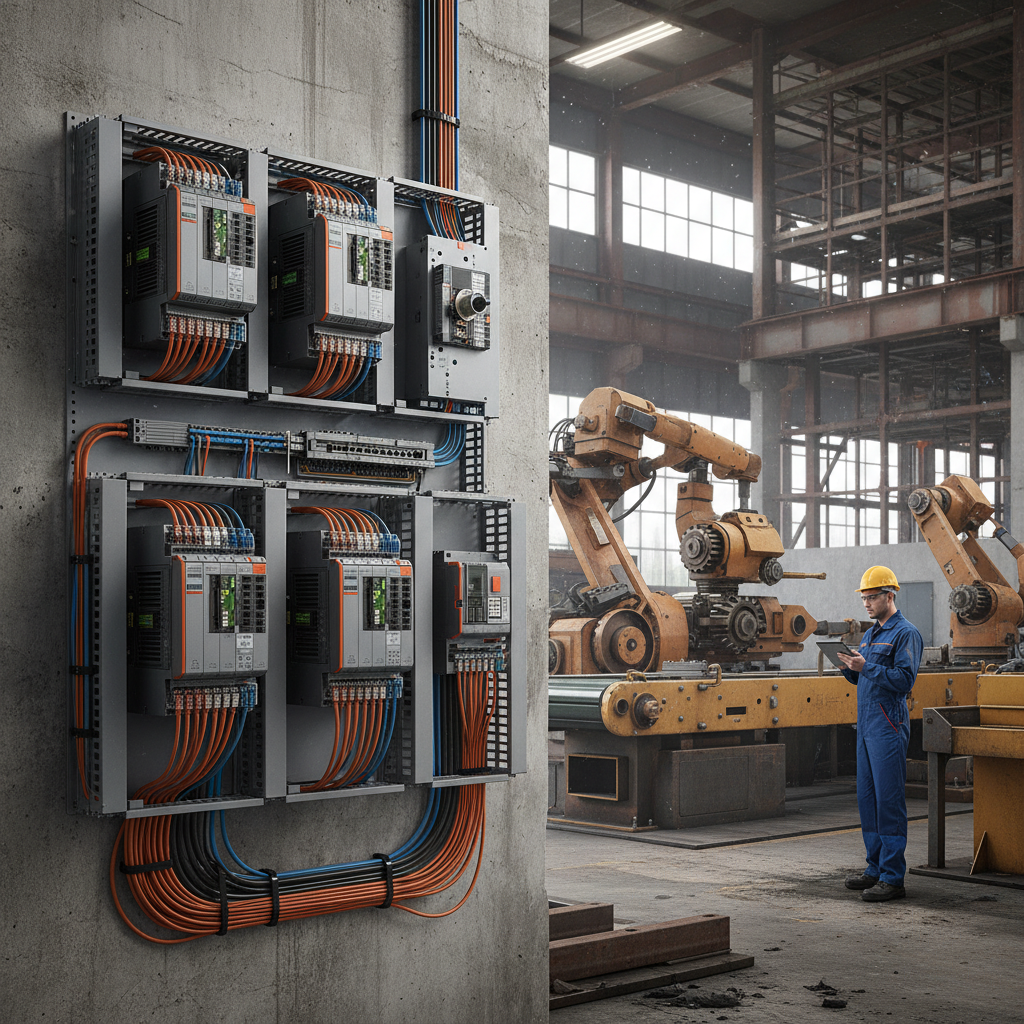
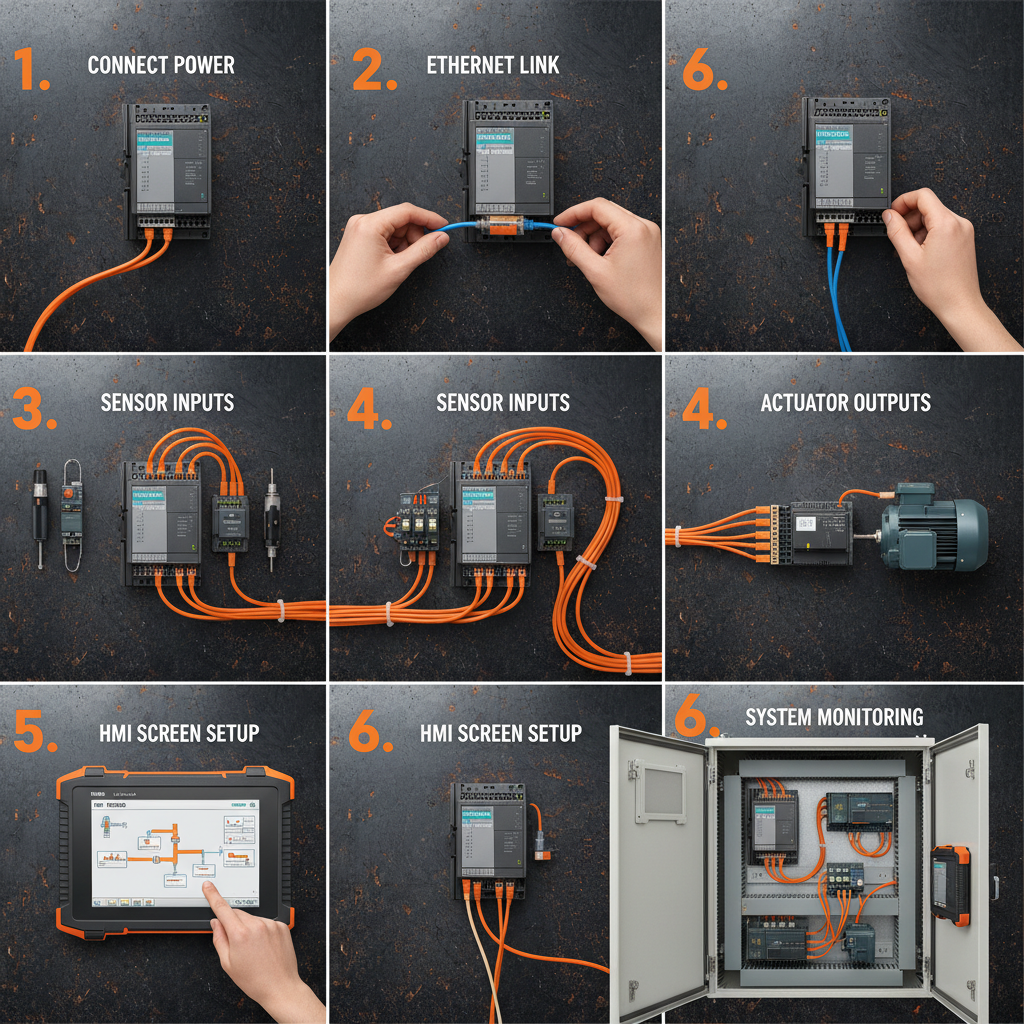
VFD Mechanical System Insights from Industrial Equipment Experts
Understanding the VFD Mechanical System: Insights from the Field
Having spent a good chunk of my career working around industrial equipment—motors, drives, conveyor lines, you name it—there’s one piece of technology that never fails to catch my attention: the VFD mechanical system. Now, I know many people think of Variable Frequency Drives (VFDs) as “just the electrical control,” but, oddly enough, the mechanical side of these systems is equally fascinating and critical. You see, how a VFD’s mechanical components are designed and integrated often makes or breaks the operational lifetime and energy efficiency of your machinery.
In real terms, a VFD controls the speed of an electric motor by varying the frequency and voltage supplied—sounds straightforward. But the mechanical system supporting this? It’s got to quietly handle load variations, vibration, heat dissipation, and wear-and-tear without shouting for maintenance every other month. I suppose that’s why when selecting a VFD system, looking past the specs on the controller to how the mechanical bits are engineered is crucial.
For instance, recent industry advances have introduced more robust coupling systems and improved cooling mechanisms that help the drive and motor “talk” to each other more smoothly. Materials used in shafts, housings, and bearings—think high-grade stainless steel or special composite polymers—are engineered for longevity and resilience. And frankly, seeing these materials in action after dozens of months in dusty, hot plant conditions makes you appreciate the R&D behind these systems. Some engineers I know jokingly call it the “silent partner” of VFD success.
Testing and quality control are worth mentioning too. Quality vendors don’t just rely on electrical tests but also run endurance trials mimicking real-world mechanical stress. This ensures the system can handle sudden torque spikes or start-stop cycles that industrial processes often demand.
| Specification | Details |
|---|---|
| Mechanical Coupling Type | Flexible Jaw Coupling |
| Bearings | Sealed Ball Bearings, SKF 6205 |
| Housing Material | Die-Cast Aluminum Alloy |
| Cooling Method | Forced Air Cooling with Fan |
| Torque Handling Capacity | Up to 350 Nm |
| Operating Temperature Range | -20°C to +50°C |
Customization options also sneak into the mechanical side more than you'd expect. Sometimes customers require extra dust-proof enclosures or vibration dampers — especially in dusty or heavy-duty environments. I've worked on a project where a simple modification in the shaft sealing saved us days of unexpected downtime, just by preventing one stubborn dust ingress issue.
Of course, the market offers plenty of vendor choices. Here’s a quick comparison of some well-known industrial players specifically on their mechanical system offerings for VFDs:
| Vendor | Mechanical Coupling | Cooling Approach | Customization |
|---|---|---|---|
| Tianjin Yongkai | Flexible Jaw Coupling, vibration damping | Forced Air, enhanced dust filters | Highly customizable modules |
| ABB | Rigid Couplings, standard damping | Standard fan cooling | Limited mechanical adaptation |
| Siemens | Torsional Flexible Coupling | Liquid Cooling Option Available | Moderate customization |
Now, why does all this matter? Well, I once witnessed a small plant upgrade to a more rugged VFD mechanical system design — courtesy of a trusted vendor — and the uptime improvement was noticeable within weeks. Less vibration meant less motor wear and quieter operation, which honestly boosted operator morale (something often overlooked!). So, when you browse options online or chat with vendors, I’d say don’t just zero in on the electrical specs—peek under the hood and give some thought to the VFD mechanical system.
In my experience, it’s this “silent” side of VFDs that often determines long-term success and cost savings rather than just the initial price tag or controller features.
To sum it up: robust mechanical design equals reliable operation. Something I’ve come to appreciate more with every project.
References & Further Reading
- Industry standard mechanical testing protocols, ISA Institute, 2023.
- “Variable Frequency Drives: Mechanical Integration,” Industrial Equipment Journal, 2022.
- Tianjin Yongkai official product manuals and whitepapers.