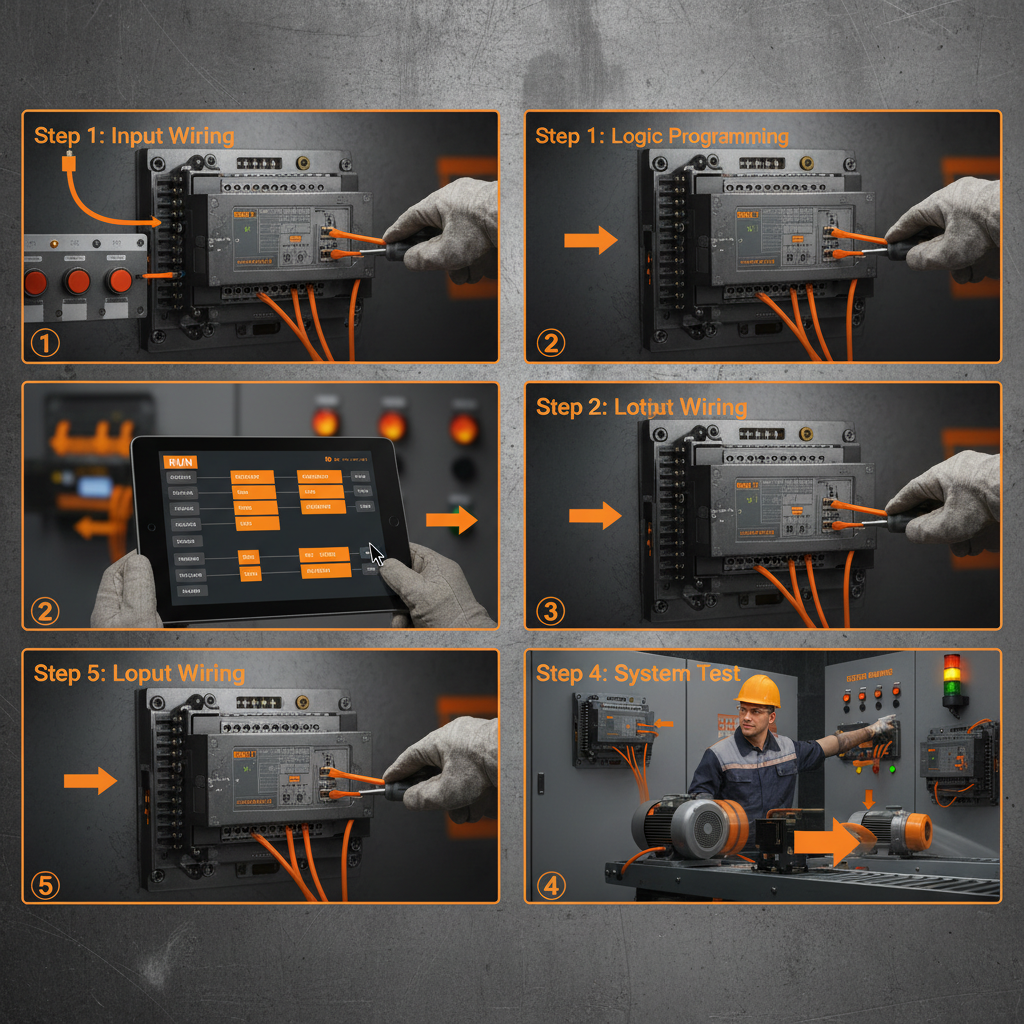
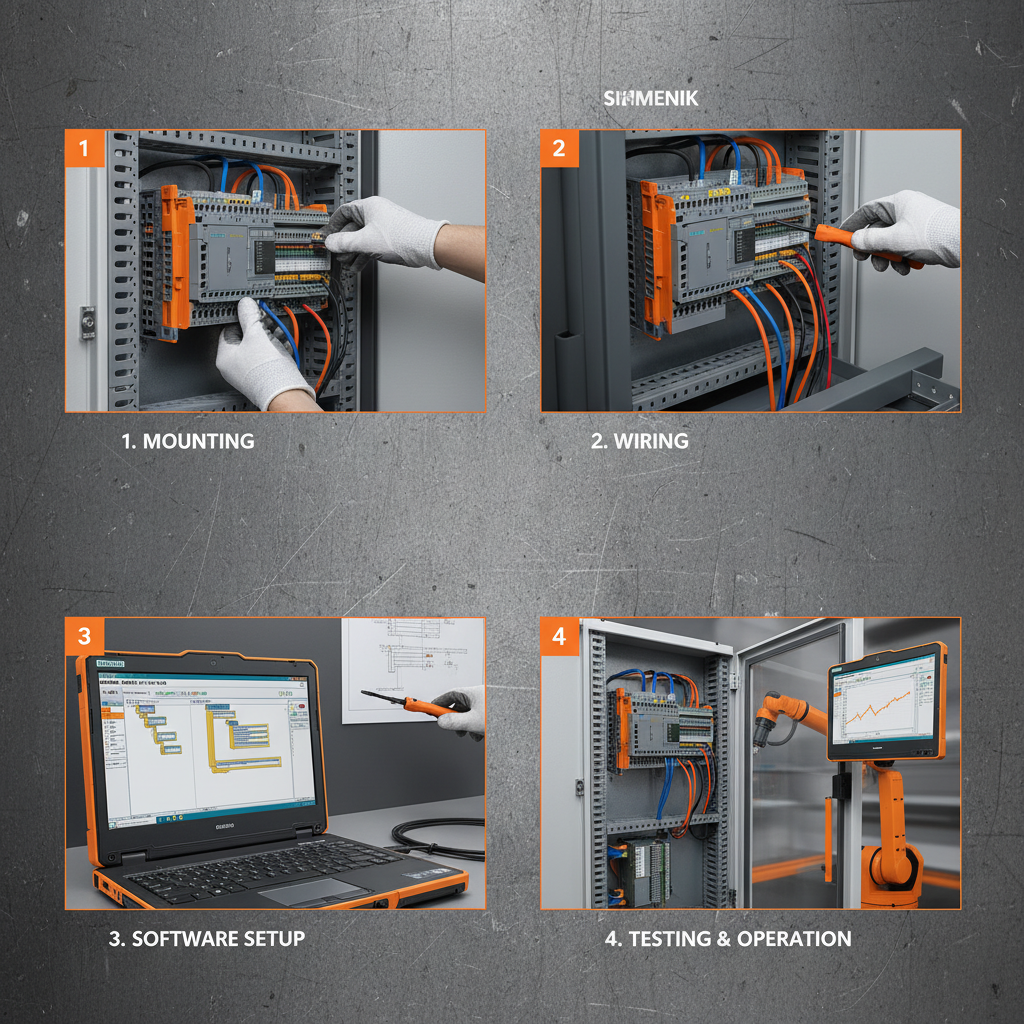
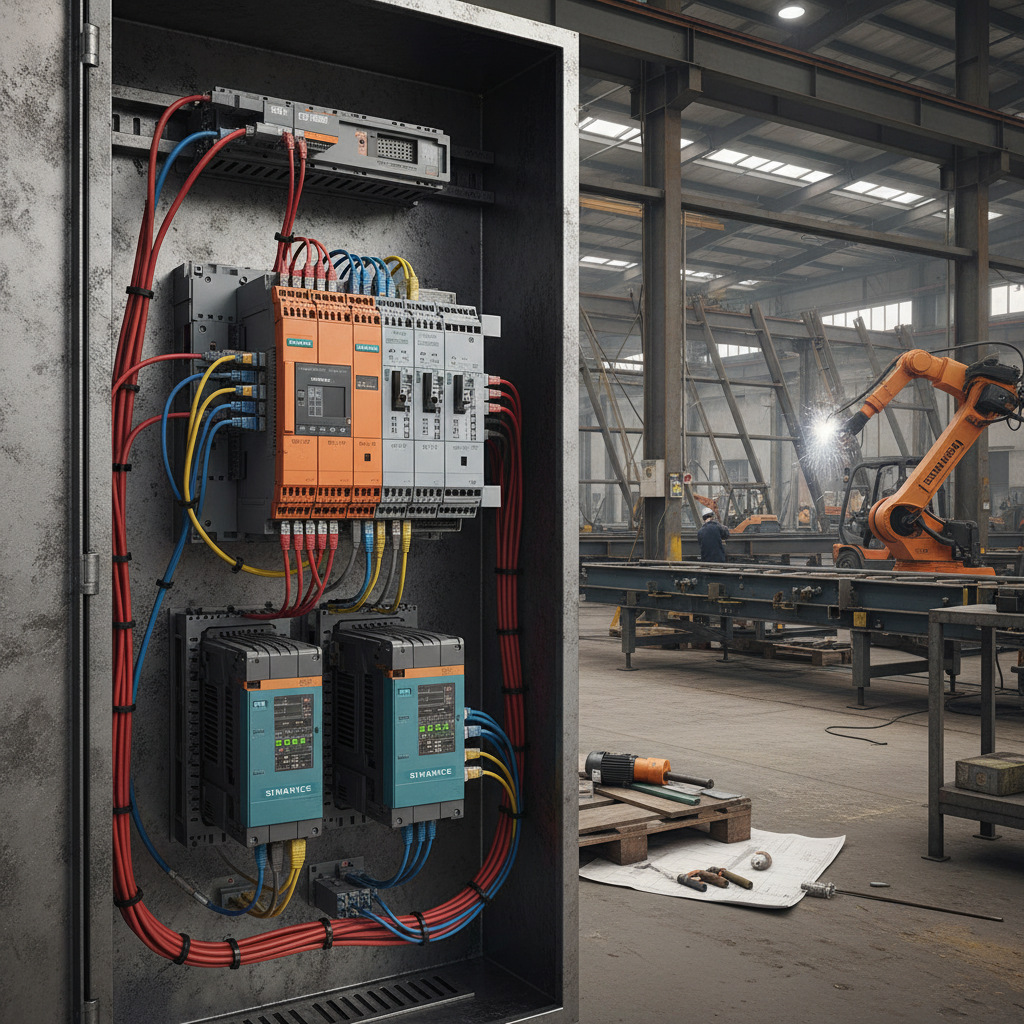
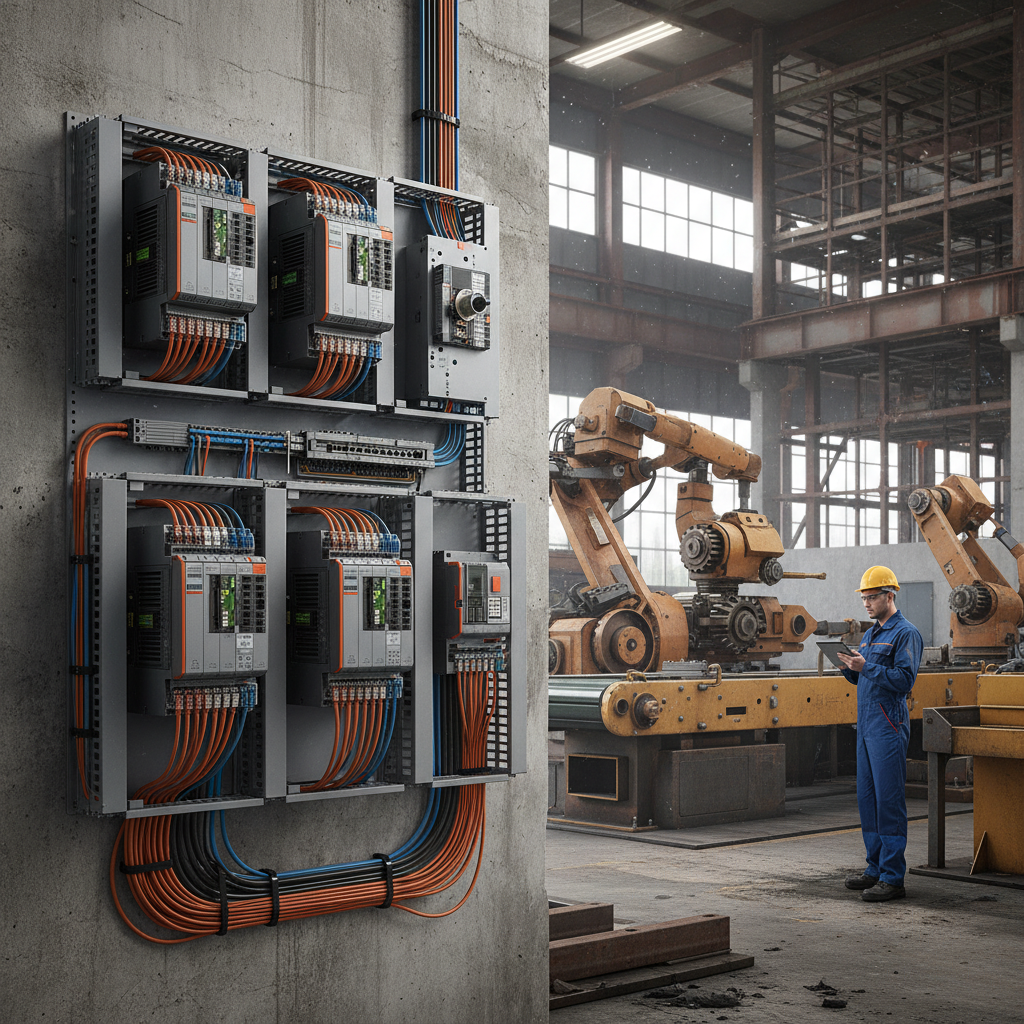
VFD Sizing Guide: Optimize Your Variable Frequency Drive for Efficiency & Reliability
Understanding VFD Sizing: Why It Matters in Today's Industrial Landscape
Variable Frequency Drive (VFD) sizing is one of those topics that often floats beneath the radar of many industrial engineers and plant managers — but it really shouldn’t. At its core, vfd sizing is about matching the right variable frequency drive to a motor's power requirements, ensuring optimal performance, energy efficiency, and longevity. The stakes are higher than just technical specs; getting it right can mean significant cost savings, less downtime, and smoother operations across sectors worldwide.
Globally, industrial electric motor systems consume roughly 45% of electricity in manufacturing sectors, according to the International Energy Agency. Optimizing vfd sizing is a major lever for reducing this consumption, improving sustainability, and enhancing reliability. As industries from water management to HVAC systems lean heavily on electric motors, knowing how to size these drives properly translates to improved productivity that spans the globe.
Mini takeaway: VFD sizing might sound geeky, but it’s a critical factor behind energy savings and equipment reliability worldwide — and ignoring it costs real money and headaches.
Why VFD Sizing Has Gained Global Importance
With the industrial sector responsible for a large chunk of energy use and emissions worldwide, vfd sizing steps in as an unsung hero for energy-efficient operations. The manufacturing boom in Asia-Pacific, strict environmental policies in Europe, and infrastructure expansions in North America mean industries everywhere are chasing smarter, leaner solutions.
Yet, many plants wrestle with mismatched drives: undersized drives leading to early failure or oversized ones causing inefficiencies. According to research by the ISO 50001 energy management standards, properly sized motor controllers can cut energy consumption by up to 30% without compromising output. Still, workshops from Rio to Mumbai often spot-check these installations only after a costly breakdown.
The challenge is both technical and economic, with plant engineers needing to balance upfront costs, operating conditions, and mechanical loads — so the "just right" sizing varies per project.
What Exactly Is VFD Sizing?
Simply put, vfd sizing means choosing the correct variable frequency drive to control an AC motor’s speed and torque under expected operating conditions. It’s about more than just buying a drive that “just fits” the motor's rated power (measured in kilowatts or horsepower); you must factor in peak loads, acceleration/deceleration demands, environment, and control requirements.
In industries like wastewater treatment or mining, precise vfd sizing ensures that pumps or conveyors run smoothly without sudden starts that may damage equipment or waste energy. For humanitarian efforts—imagine powering remote water pumps or ventilation systems in disaster zones—correct sizing is often the difference between reliable help and frustrating downtime.
Mini takeaway: VFD sizing is a tailored process that balances electrical, mechanical, and environmental requirements to keep motors running efficiently and safely.
Core Factors in VFD Sizing: What Really Counts?
1. Power Rating and Motor Requirements
The VFD must support the motor’s full load current and voltage specifications. Many engineers recommend sizing the drive slightly above the motor rating (around 10-15%) to accommodate start-up surges and avoid overheating.
2. Torque Load and Start-Up Conditions
Pumps, fans, conveyors – each has a unique torque curve. High torque loads at start-up mean the VFD must deliver sufficient current initially without tripping.
3. Duty Cycle and Operating Environment
Continuous, intermittent, or cyclic operations affect thermal stress on drives. Harsh environments, such as dusty or humid industrial sites, require drives rated for those conditions.
4. Control Features Required
Applications needing speed ramps, braking, or multi-motor coordination influence the choice of VFD capabilities and thus sizing.
5. Energy Efficiency Goals
Matching drive size to motor load can minimize wasted electrical energy and reduce carbon footprints, which is becoming a priority under emerging regulations.
6. Safety and Reliability Considerations
Properly sized VFDs contribute to system safety by preventing overheating, equipment overload, and unexpected downtime.
Mini takeaway: Sizing isn’t guesswork – it’s a multidimensional puzzle balancing motor specs, load profiles, environment, and control needs.
VFD Sizing In Action: Real-World Applications Across the Globe
From large manufacturing plants in Germany optimizing HVAC systems to remote irrigation projects in sub-Saharan Africa, correctly sized VFDs are powering operations efficiently.
- Post-disaster relief: NGOs deploy water treatment pumps with variable frequency drives sized to handle irregular power conditions and variable flow needs.
- Oil and gas industry: In Middle Eastern deserts, drives must endure extreme heat while modulating compressor speeds safely.
- Automotive manufacturing: In Japan, advanced VFD sizing enables tight speed control for robotic assembly lines.
- Mining operations: South American mines use robustly sized VFDs for conveyor belts hauling heavy loads continuously in dusty environments.
These diverse examples illustrate how tailored vfd sizing supports both technology integration and local operational demands.
Typical VFD Specifications Table
| Specification | Typical Range | Notes |
|---|---|---|
| Rated Motor Power | 0.5 kW to 500 kW | Choose per motor specs |
| Input Voltage | 230V to 690V AC | Single or three phase |
| Overload Capacity | 110%-150% for 1 min | Handles start-up surges |
| Control Method | V/f, scalar, vector control | Application dependent |
| Operating Temperature | –10°C to 50°C | Drive cooling required |
| Protection Ratings | IP20 to IP65 | Depends on environment |
How Leading Vendors Stack Up in VFD Sizing Solutions
| Vendor | Power Range | Control Features | Energy Efficiency | Typical Industries |
|---|---|---|---|---|
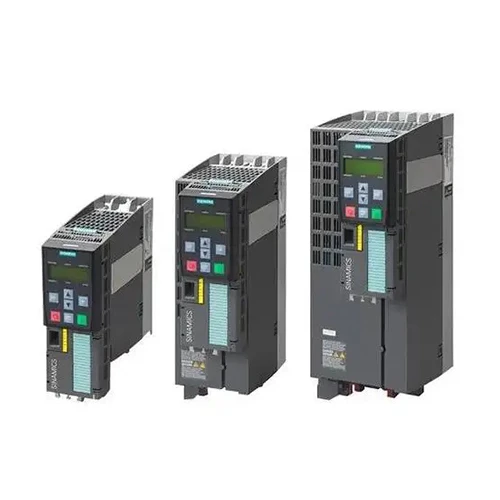
| Siemens | 0.5 kW – 2500 kW | Advanced vector & sensorless control | High | Manufacturing, water, mining |
| Schneider Electric | 0.25 kW – 630 kW | Integrated PLC & communication | Medium to High | HVAC, food, pharma |
| Danfoss | 0.18 kW – 500 kW | EcoModes, auto-tuning | High | Water, HVAC, industrial |
| Yaskawa | 0.4 kW – 400 kW | Sensorless vector, regenerative | Medium | Packaging, robotics, material handling |
Why Proper VFD Sizing Makes a Long-Term Difference
Once you’ve experienced a drive failure caused by poor sizing, you won’t soon forget the frustration of unplanned downtime and costly repairs. Properly sized VFDs deliver a suite of tangible benefits:
- Energy Savings: Drives appropriately matched to loads reduce electricity bills and environmental impact.
- Increased Equipment Life: Correct sizing lessens stress on motors and reduces wear-and-tear.
- Improved Process Control: Precise speed adjustments enhance product quality and throughput.
- Enhanced Safety: Limiting overcurrents and overheating reduces fire and injury risks.
- Cost Efficiency: Avoids premature replacements and repairs, ultimately saving money.
- Social Impact: Reliable equipment supports continuous operations in critical sectors, from hospitals to water utilities.
On the emotional side, engineers often mention the peace of mind knowing their setups won’t suddenly fail during peak operations — it feels like “insurance” against disruption.
Emerging Trends to Watch in VFD Sizing and Technology
The field isn’t standing still. Rapid advancements are reshaping how we approach VFD sizing and deployment:
- Smart Drives and IoT Integration: Real-time monitoring and diagnostics help optimize sizing adjustments on the fly.
- Eco-Friendly Materials & Designs: New silicon-carbide semiconductors offer better efficiency and thermal performance.
- Green Energy Support: VFDs that better handle renewable power source fluctuations, vital for hybrid industrial systems.
- Compact and Modular Designs: Making precise sizing easier in tight or evolving plant layouts.
- AI-Powered Sizing Tools: Software that predicts the best VFD choice based on complex load data and operational parameters.
So frankly, the next decade might see VFD sizing grow from a domain of static specs to an evolving, data-driven process aligned with Industry 4.0 standards.
Common Challenges and How to Overcome Them
Despite the benefits, several hurdles remain in getting VFD sizing right:
- Data Gaps: Incomplete information about load profiles can lead to oversizing or undersizing. To counter this, onsite measurement and monitoring are indispensable.
- Cost Pressures: Budget constraints push some to buy cheaper, generic drives that can backfire long-term. Educating stakeholders on lifecycle cost is crucial.
- Environmental Extremes: Harsh climates demand specialized drives, increasing complexity. Vendors now offer ruggedized models to bridge this gap.
- Installation Errors: Incorrect parameter setup nullifies good sizing decisions — training and clear documentation are essential.
With some careful planning and technology use, these challenges aren’t insurmountable.
FAQ: Practical Questions on VFD Sizing
- Q1: How do I know what size VFD to pick for my motor?
- A1: Start with your motor’s rated power and current, then consider torque requirements during start-up and normal operation. It’s best to consult manufacturer guidelines or use specialized sizing calculators for accurate selection.
- Q2: Can a VFD be too large for a motor?
- A2: Yes, oversized drives may operate inefficiently and increase costs without added benefits. Proper matching avoids energy waste and ensures smoother control.
- Q3: Are there VFDs suited for harsh environments?
- A3: Absolutely. Many vendors offer IP-rated enclosures and ruggedized components designed to withstand dust, moisture, and extreme temperatures.
- Q4: How often should VFDs be inspected and maintained?
- A4: Regular inspections depend on use, but most experts advise annual checks for cooling, connections, and firmware updates to maintain reliability.
- Q5: Is energy efficiency a reliable reason to invest in custom VFD sizing?
- A5: Definitely. Tailored sizing leads to substantial energy savings, quicker ROI, and reduced environmental impact, making it a sound investment.
Final Thoughts: Making the Most of VFD Sizing
Getting variable frequency drive sizing right is about more than just specs; it’s a strategic step toward smarter, greener, and more reliable industrial operations. Whether you operate a small water pump in a remote village or run a high-capacity conveyor in a mining site, correct sizing unlocks efficiency, safety, and peace of mind — and frankly, that’s worth the effort.
Curious to learn more or ready to size the perfect drive for your project? Visit our website: vfd sizing for expert guidance and tailored solutions.
References: