What Is a VFD Drive? Energy-Saving Motor Control Explained
What Is a VFD Drive?
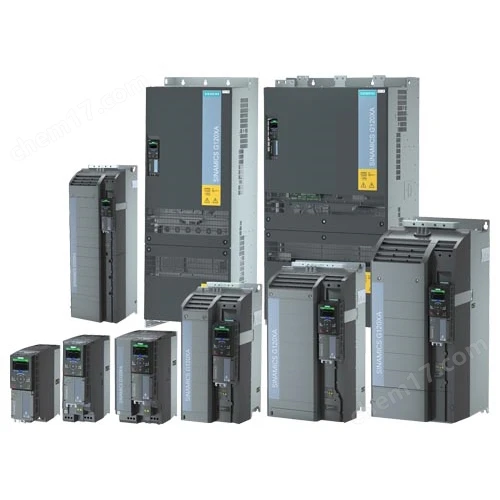
If you've ever been around industrial machinery or modern HVAC setups, you might have heard the term VFD drive tossed around as if everyone understands exactly what it is. Well, frankly, it’s a device that's more common than many realize but still a bit of a black box to newcomers. Having worked on the shop floor and in engineering offices, I figure it’s worth demystifying what this gadget actually does and why it’s pretty much indispensable in the industry today.
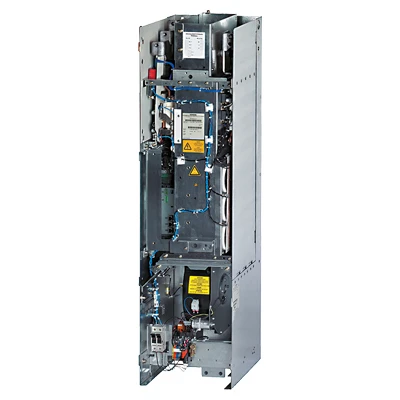
So, to put it plainly, the acronym VFD stands for Variable Frequency Drive. Oddly enough, it’s also sometimes called a variable speed drive or adjustable frequency drive, but the core idea is the same: this is an electronic motor controller that adjusts the frequency and voltage supplied to an electric motor. Why does that matter? Because the speed of an AC motor is proportional to the supply frequency. By varying that frequency—hence the name—you can precisely control motor speed and torque.
The impact on industrial applications is huge. In the past, motors ran at a fixed speed (usually full blast), and operators throttled the output mechanically or hydraulically—wasting energy and causing wear. Using a VFD drive feels like giving the motor a “smart” brain: now it gets just enough power to do the job at hand. The energy savings alone make them a no-brainer, not to mention the smoother start-ups, less mechanical stress, and reduced maintenance needs.
I've seen factories retrofit their older conveyor belts with VFD units, and the difference was night and day. Not only did they cut down on electricity bills, but they also extended the equipment's life span. As one maintenance engineer told me once, “It feels like our plant finally grew up and started working smarter, not harder.” That stuck with me.
Key Features of a Typical VFD Drive
| Specification | Details |
|---|---|
| Input Voltage | 3-phase AC, 380V–480V |
| Output Frequency | 0 – 400 Hz adjustable |
| Power Range | 0.5 to 500 kW |
| Control Method | V/f Control, Vector Control, Sensorless Vector |
| Protection Features | Overvoltage, Undervoltage, Overcurrent, Thermal Overload |
| Communication Protocols | Modbus, Profibus, CANopen |
Comparing Popular VFD Vendors
| Vendor | Power Range | Control Type | Key Strengths | Typical Applications |
|---|---|---|---|---|
| Siemens | 0.5 kW – 1 MW | Vector & Scalar | Robust, Extensive Support, Integration with PLCs | Manufacturing, HVAC, Water Treatment |
| Tianjin Yongkai | 0.5 kW – 500 kW | V/f, Sensorless Vector | Cost-effective, Easy-To-Use Interface, Tailored Solutions | Textile, Packaging, General Industry |
| Rockwell Automation | 0.75 kW – 250 kW | Vector Control | Seamless Integration with Allen-Bradley, High Precision | Automotive, Food & Beverage, Heavy Industry |
In real terms, selecting the right VFD drive isn’t just about specs, but about who gets your business and under what support conditions. I usually advise clients and colleagues alike to think about what their load needs truly are, the environment the drive will work in, and the kind of technical service on offer. It can be a bit of a maze, and honestly, even vendors sometimes oversell features that sound flashy but rarely get used on the factory floor.
To wrap this up – a VFD drive is, in my experience, quite simply one of the best energy-saving solutions out there for motors. From complex automation lines to simple fans and pumps, it adds finesse to motor speed control, saving money and lowering failures. And if you ever get a chance, chat with a plant operator or maintenance tech about the difference a good VFD has made. It’s a neat reminder that even in heavy industry, smart electronics are quietly at work behind the scenes – keeping things efficient, responsive, and reliable.
— An industrial equipment enthusiast with years on the floor and factory insight.
References:
1. IEEE Industry Applications Magazine, "Understanding VFD Operation," 2022
2. Tianjin Yongkai product brochures, 2023
3. Maintenance Insights: Real-World VFD ROI, Industrial Tech Journal 2021